In today's fast-paced fashion industry, delayed fabric deliveries can disrupt entire production cycles and lead to missed market opportunities. Consequently, understanding shipping options becomes crucial for maintaining competitive advantage. This comprehensive guide examines the fastest shipping methods while exploring how strategic partnerships can optimize your entire supply chain.
For bulk fabric orders, air freight consistently emerges as the fastest shipping method. Specifically, express air couriers like DHL and FedEx provide the quickest service for urgent shipments, while consolidated air freight offers optimal speed for larger volumes. However, true shipping efficiency depends on multiple interconnected factors beyond mere transportation mode.
How does air freight compare to sea freight for speed?
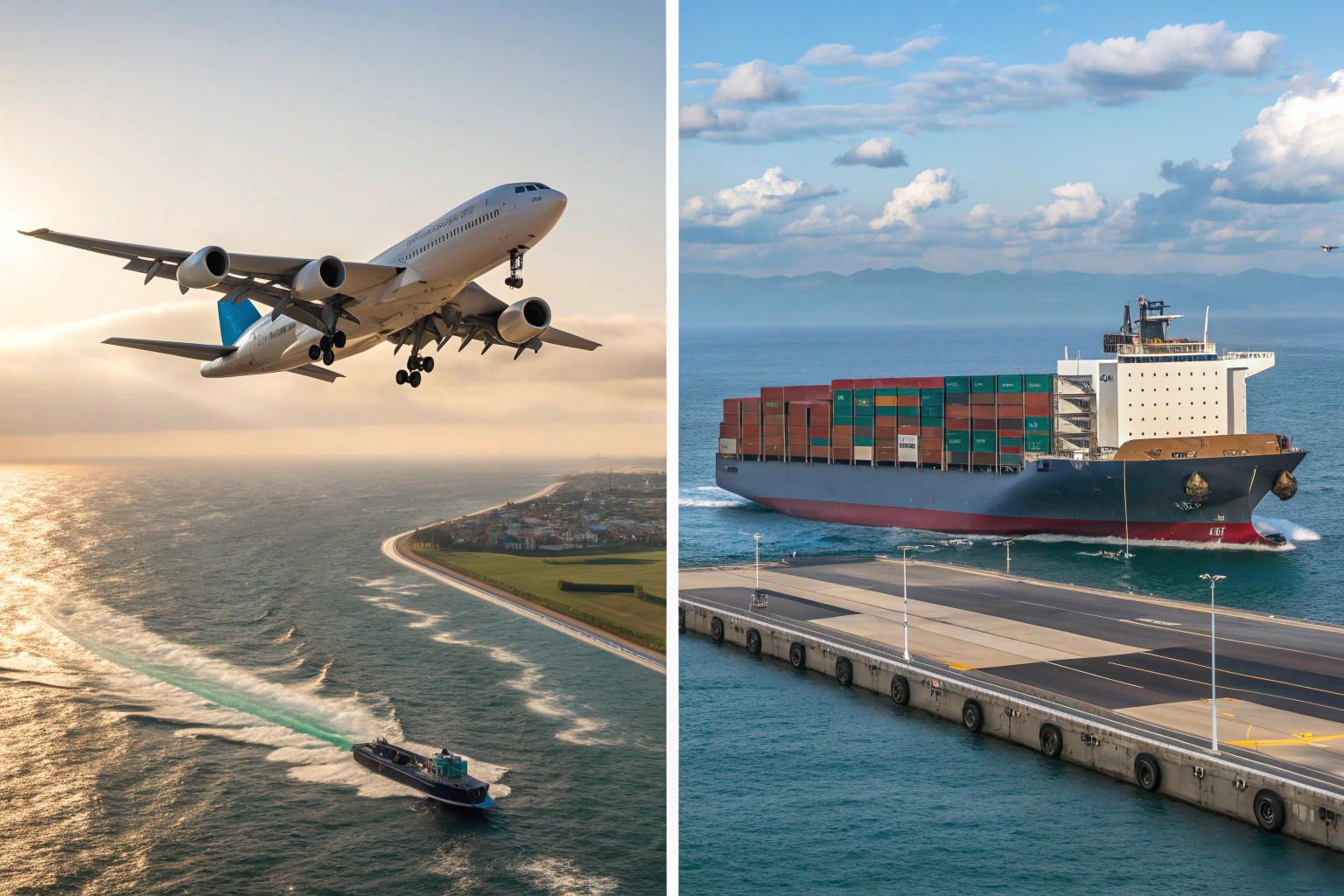
The fundamental difference between air and sea freight lies in their operational frameworks and resulting transit times. Understanding this comparison enables informed decision-making based on your specific timeline requirements and budget constraints.

What are the specific transit times for each method?
Transit time disparities between air and sea freight are substantial and directly impact your production planning. For instance, a Shanghai to Los Angeles shipment typically requires 8-12 days via air freight, encompassing export procedures, flight time, and import clearance. Conversely, sea freight for the same route generally consumes 30-45 days due to port operations, slower ocean transit, and complex customs procedures. These significant time differences explain why businesses prioritizing rapid inventory turnover prefer air transportation for their supply chain management.
When is the extra cost of air freight justified?
The premium cost of air freight becomes economically justified when considering broader business implications. Firstly, time-sensitive fashion collections benefit enormously because missing seasonal launch windows can cause substantial revenue losses. Secondly, high-value materials like organic cotton and specialty Tencel™ blends justify air freight costs since transportation represents a smaller percentage of total product value. Finally, emergency replenishment scenarios make air freight essential when stockouts would otherwise result in lost sales exceeding shipping expenses.
What are the fastest air freight options available?
Within air freight itself, service tiers offer varying balances of speed, cost, and convenience. Understanding these subtiers ensures optimal selection based on your shipment characteristics and urgency requirements.
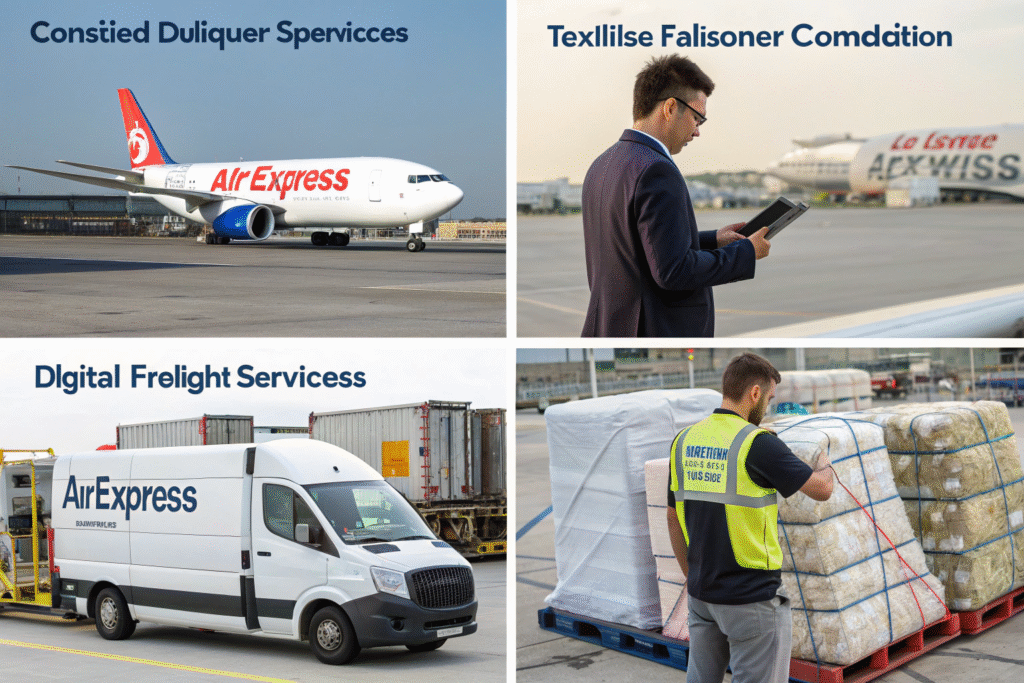
Is express air courier the best for urgent orders?
Express air couriers provide unparalleled speed for time-critical shipments weighing under 100kg. These services typically achieve 3-5 business day delivery through integrated networks that handle everything from pickup to customs clearance. Although this represents the most expensive per-kilogram option, the premium cost is frequently warranted for sampling programs, fabric samples, and production-critical materials where timing supersedes cost considerations.
How does consolidated air freight work for bulk?
Consolidated air freight serves as the optimal solution for balancing speed and cost for larger shipments. This process involves freight forwarders combining multiple shipments to fill air cargo pallets, resulting in 7-12 day transit times at significantly lower per-kilogram rates than express services. Consequently, this method proves ideal for bulk fabric orders exceeding 150kg, particularly for woven fabrics and knitted fabrics where cost efficiency matters alongside timely delivery.
| Feature | Express Air Courier | Consolidated Air Freight |
|---|---|---|
| Best For | Urgent samples, small batches (< 100kg) | Larger bulk fabric orders (> 150kg) |
| Speed | 3-5 days | 7-12 days |
| Cost | Highest cost per kg | More cost-effective per kg |
| Service Level | Door-to-door | Airport-to-airport typically |
How can supply chain optimization reduce shipping time?
Shipping duration is influenced by numerous factors preceding actual transportation. Therefore, comprehensive supply chain optimization addresses these pre-shipping phases to compress overall lead times substantially.

What role does factory location play?
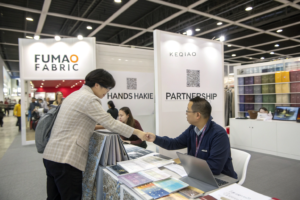
Geographical positioning significantly impacts shipping efficiency because proximity to transportation hubs reduces inland transit duration. Our location in Keqiao, Zhejiang—China's primary textile cluster—provides direct access to major ports like Shanghai and Ningbo. This strategic positioning typically saves 1-2 days in land transportation compared to inland factories, while simultaneously ensuring priority access to frequent international departures.
Why is professional packaging and labeling crucial?
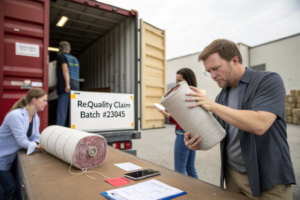
Proper packaging and documentation prevent costly delays during customs clearance. Inaccurate labeling or missing certificates frequently cause inspections and storage detentions that add days or weeks to shipping timelines. Our professional packaging facility ensures every shipment complies with international standards, including advanced QR code tracking containing all necessary certification data. This meticulous approach maintains a 98% clearance rate on first submission.
What are hidden factors that can delay fabric shipping?
Beyond obvious transportation choices, several less apparent factors can substantially impact delivery schedules. Recognizing these potential obstacles enables proactive mitigation strategies.
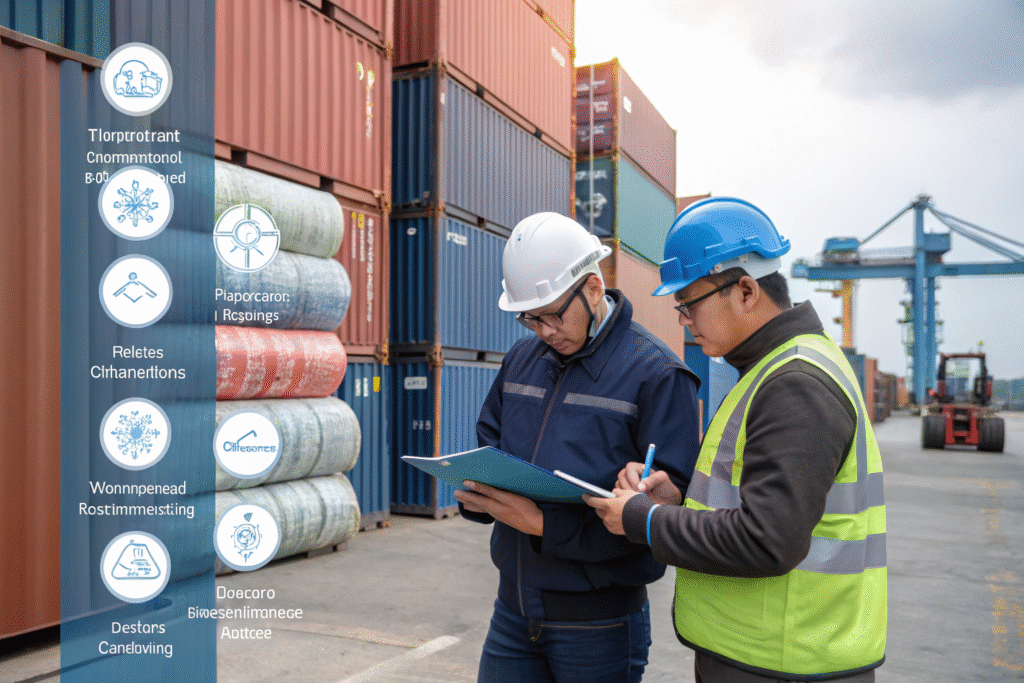
How do customs and tariffs impact timelines?
Customs procedures represent mandatory checkpoints where documentation errors cause immediate shipment holds. Although US tariffs primarily affect cost rather than timing, inaccurate HS codes, valuation discrepancies, or missing textile certifications trigger inspections that delay shipments for days or weeks. Our extensive export experience across 100+ countries ensures documentation accuracy, significantly reducing customs-related delays.
Can weather and seasons affect shipping schedules?
Environmental factors and seasonal patterns consistently influence shipping reliability. Typhoon season (July-October) regularly disrupts Pacific routes, while holiday periods like Chinese New Year create port congestion and capacity shortages. Accordingly, we provide clients with proactive production planning calendars that accommodate these predictable fluctuations, ensuring timeliness through strategic scheduling rather than reactive responses.
Conclusion
Selecting the fastest shipping method requires evaluating multiple interconnected factors beyond simple transportation mode. While air freight provides undeniable speed advantages, truly optimized delivery incorporates strategic factory positioning, meticulous documentation, and proactive seasonal planning. These combined elements create a resilient supply chain capable of responding to both predictable challenges and unexpected disruptions.
Ultimately, consistent shipping performance depends on partnership with suppliers who understand these complexities. At Fumao Fabric, we integrate logistics expertise with manufacturing capabilities to deliver comprehensive solutions. For personalized assistance optimizing your fabric shipping strategy, contact our Business Director Elaine at elaine@fumaoclothing.com. Let us help you transform shipping from a operational challenge into a competitive advantage.