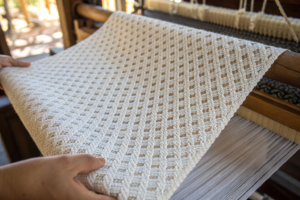
I remember a conversation with a client from Miami back in 2022. He was launching a line of summer shirts and had chosen a beautiful woven cotton poplin. The shirts looked great on the hanger. But his customers kept complaining that the shirts were too hot. He couldn’t understand it. The fabric was lightweight, it was 100% cotton, it should have been breathable. He sent me a sample. I held it up to the light. The weave was so tight that barely any light passed through. The fabric was dense. It looked lightweight on paper, but the construction was trapping heat.
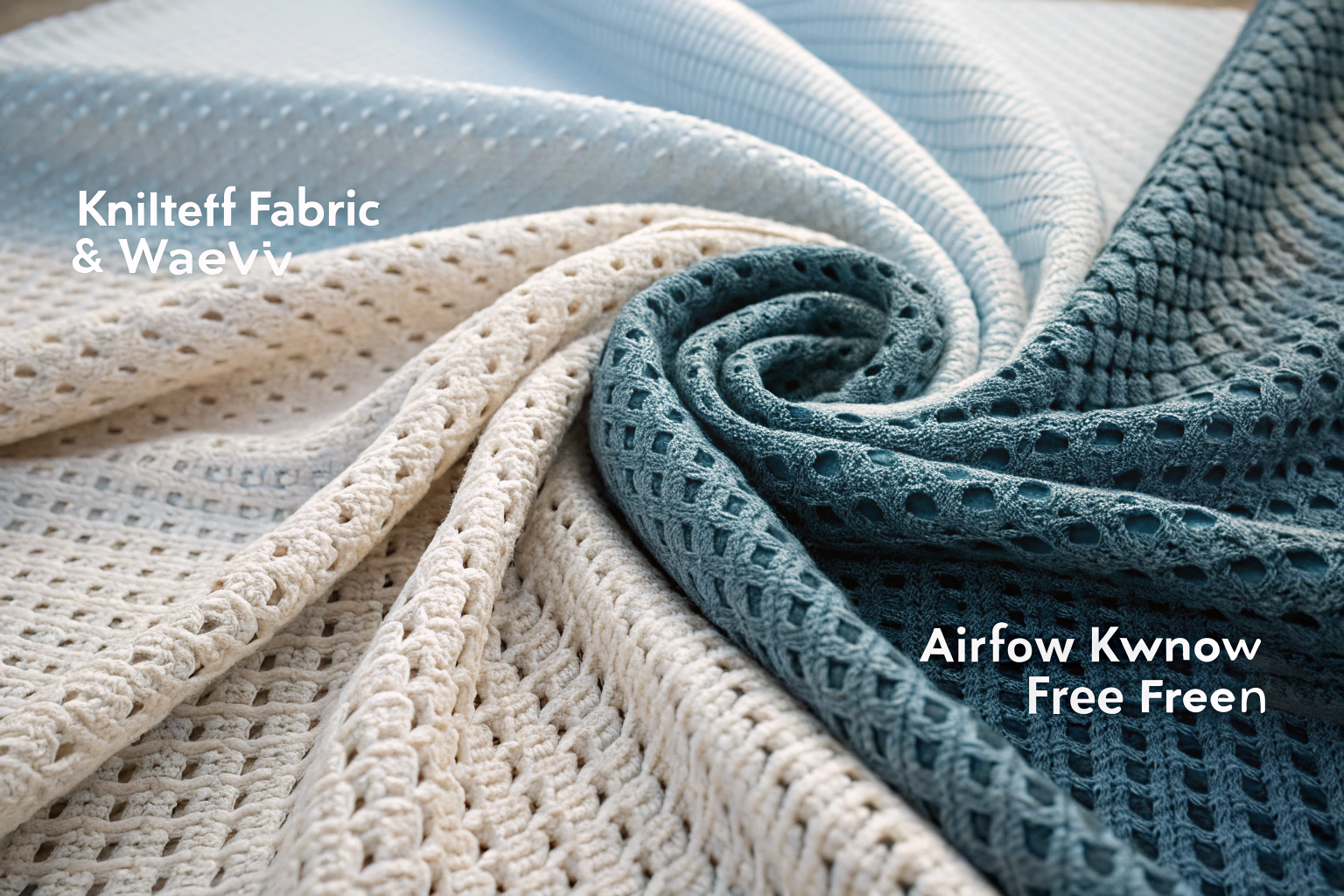
That’s when I realized: many buyers think breathability is just about fiber. Cotton breathes. Polyester doesn’t. But that’s only half the story. The structure of the fabric—whether it’s knitted or woven—has just as much impact on how air moves through it. I’ve been working with both knits and wovens for over 20 years. I’ve tested them in our lab. I’ve worn them in Shanghai summers. And I’ve learned that the difference in breathability between knits and wovens is often bigger than the difference between fibers.
Let me walk you through what actually makes a fabric breathable, how knits and wovens differ, and how to choose the right one for your garment.
What Makes a Fabric Breathable?
Before we compare knits and wovens, we need to understand what breathability actually means. I’ve had clients confuse breathability with moisture-wicking or with weight. They’re related, but they’re not the same. Let me give you the definition I use in our lab.
How Is Breathability Measured?
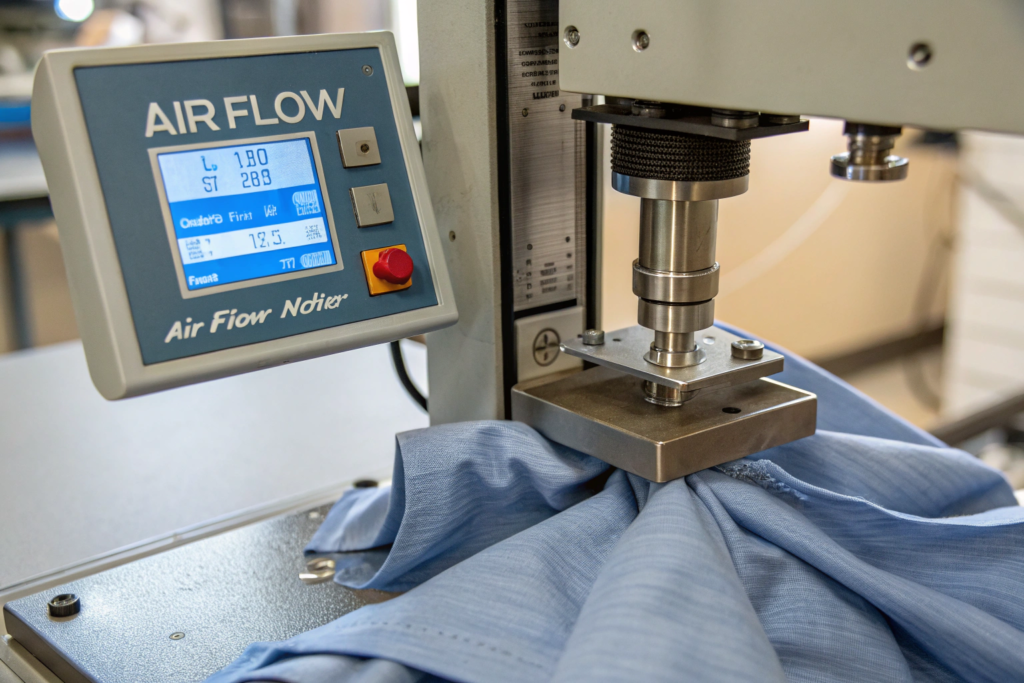
In our CNAS-accredited lab, we measure breathability using the air permeability test. We clamp a piece of fabric, apply a standard air pressure, and measure how much air passes through. The result is measured in cubic centimeters per second per square centimeter. Higher numbers mean more breathable.
I’ve run this test hundreds of times. The results consistently show that knitted fabrics have higher air permeability than woven fabrics of similar weight. A typical 180 GSM single jersey knit might score 150-200 cm³/s/cm². A 180 GSM woven poplin might score 30-50 cm³/s/cm². That’s a massive difference.
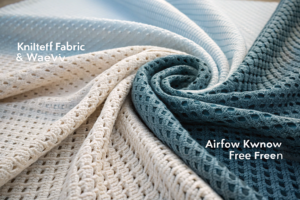
The reason comes down to structure. Knitted fabrics have gaps between the loops. Woven fabrics have threads packed tightly together. Air moves through the gaps in knits. It has to push between threads in wovens.
For a technical explanation of air permeability testing, there’s a resource on ASTM D737 standard for textile air permeability . It’s the standard we use in our lab.
What Factors Affect Breathability Beyond Structure?
Structure is the biggest factor, but it’s not the only one. I’ve seen clients choose the wrong fabric because they only looked at one variable.
Fiber matters. Cotton is naturally breathable because the fibers absorb moisture and release it. Polyester is hydrophobic—it doesn’t absorb, so sweat sits on the skin. But a loose polyester knit can still be more breathable than a tight cotton weave. I’ve seen 100% polyester mesh that breathes better than any cotton fabric.
Yarn thickness matters. Thicker yarns create bigger gaps in knits and larger channels in wovens. A coarse 10/1 cotton jersey will breathe better than a fine 40/1 jersey of the same structure.
Finish matters. Some finishes coat the fibers and reduce breathability. Water-repellent finishes, for example, can cut air permeability by 50% or more. I’ve had clients complain about a fabric being “hot” when the real issue was a finish they didn’t know was applied.
In 2023, a client from Australia ordered a run of organic cotton shirts. The fabric was a 160 GSM poplin. On paper, it should have been breathable. But his customers complained. I tested the fabric. The mill had applied a wrinkle-resistant finish that coated the fibers and cut air permeability by 60%. We switched to a mechanically finished fabric, and the complaints stopped.
For a guide to how finishes affect fabric performance, there’s a resource on how fabric finishes impact breathability and comfort . It covers common finishes and their effects.
How Do Knitted Fabrics Achieve Superior Breathability?
Knitted fabrics are naturally breathable because of how they’re made. I’ve worked with knits for sportswear, underwear, and summer tops. The structure is designed for airflow.
What Is the Role of Loop Structure in Airflow?
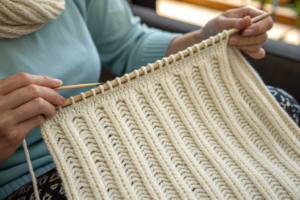
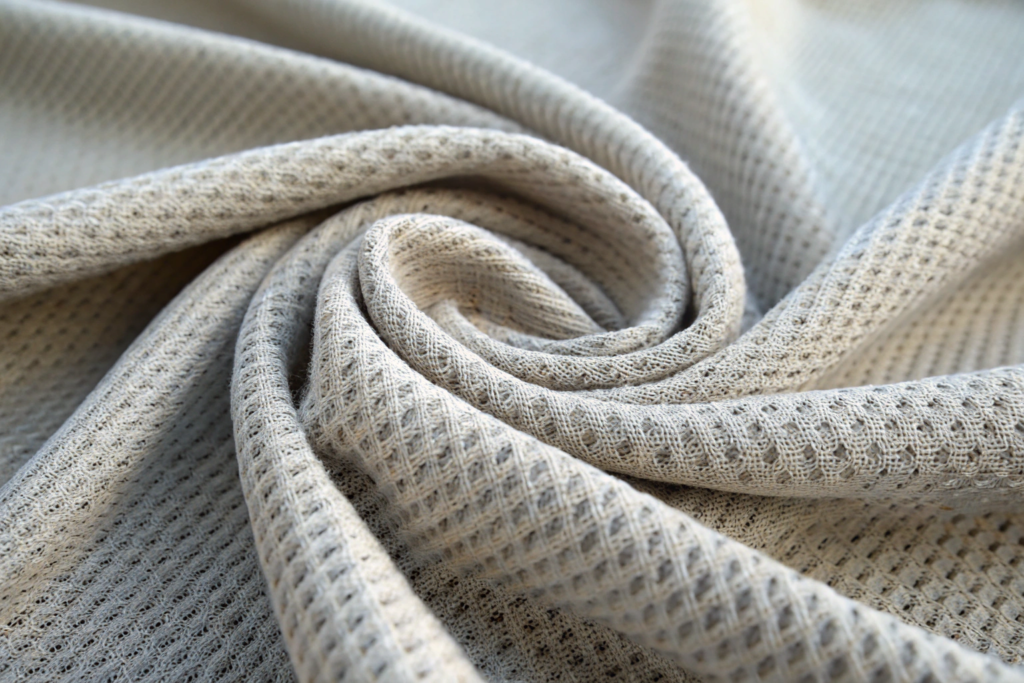
A knitted fabric is made of interlocking loops. Each loop creates a small opening. When you stretch the fabric, those openings get larger. Even when the fabric is relaxed, there are gaps between the loops where air can pass.
I explain it to clients like this: a knit is like a net. A net lets air through because there’s space between the strands. A woven is like a basket. The strands are woven together, leaving less space.
In 2024, we produced a run of nylon-spandex jersey for a cycling brand. The client wanted maximum breathability for summer riding. We used a 150 GSM jersey with a loose stitch length. The air permeability test scored 220 cm³/s/cm². The client told me their riders said the jerseys felt like wearing nothing. That’s the power of a well-designed knit.
The stitch length is critical. A tighter knit—shorter loops, more stitches per inch—will be less breathable. A looser knit—longer loops, fewer stitches per inch—will be more breathable. It’s a balance between breathability and opacity. If the knit is too loose, the fabric becomes see-through.
How Do Different Knit Structures Compare?
Not all knits are equally breathable. The structure makes a difference.
Single jersey is the most breathable common knit. It has a smooth face and a textured back. The loops are all on one side, leaving gaps on the back. Air moves through easily.
Interlock is less breathable. It’s essentially two jersey fabrics knitted together. The double layer blocks more air. A 200 GSM interlock will breathe less than a 200 GSM jersey.
Rib knits fall in the middle. The alternating stitch structure creates channels that allow airflow, but the fabric is denser than jersey. A 2x2 rib will breathe less than a jersey of the same weight.
French terry and fleece are the least breathable knits. They have a looped or brushed back that traps air. That’s why they’re used for hoodies and sweatshirts. They’re designed to hold warmth, not release it.
In 2023, a client from Canada was designing a summer hoodie. He wanted the look of a hoodie but the breathability of a t-shirt. I recommended a lightweight single jersey with a looped back—a 220 GSM French terry that was lighter than typical hoodie fabric. It had the structure of a hoodie but breathed like a t-shirt. He sold out his first run.
If you’re choosing a knit for breathability, ask your supplier about the stitch length and structure. A jersey with a long stitch length will breathe best. An interlock or fleece will breathe less.
How Do Woven Fabrics Manage Breathability?
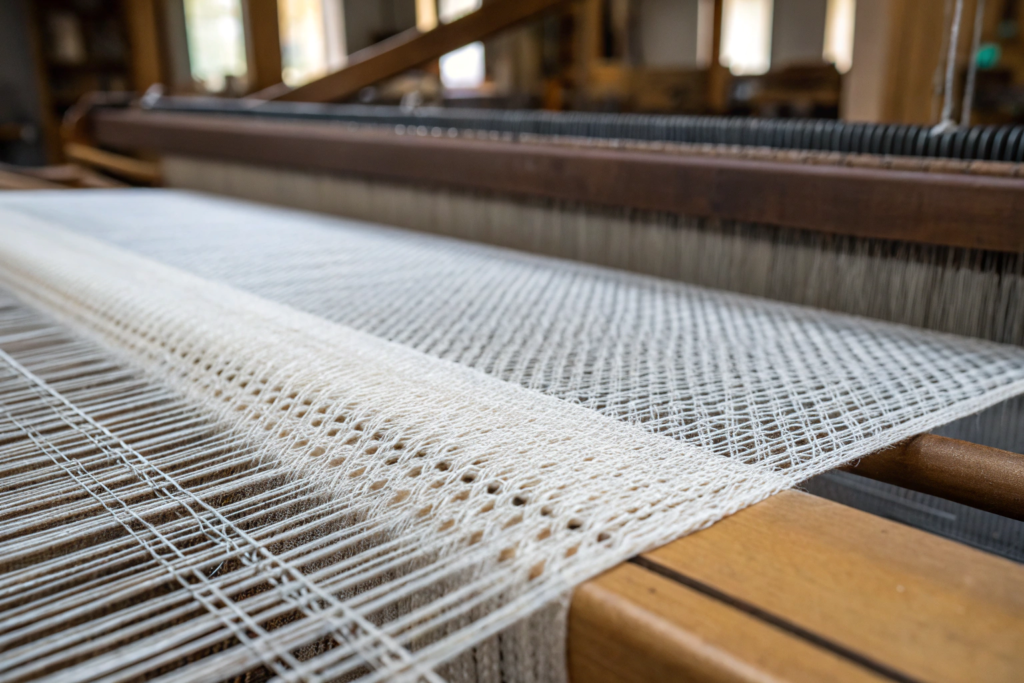
Woven fabrics are different. They’re made on looms, with warp and weft threads interlaced at right angles. The structure is tighter. But that doesn’t mean wovens can’t be breathable. It just means you need to choose the right weave and yarn.
Why Do Plain Weaves Breathe Better Than Twills?
This is a common question. Plain weave is the most open structure. The warp and weft threads cross over and under each other, leaving small square gaps. Twill has a diagonal structure where threads float over multiple threads before going under. Those floats close up the gaps.
I tested this in our lab. A 140 GSM cotton poplin (plain weave) scored 45 cm³/s/cm². A 140 GSM cotton twill scored 28 cm³/s/cm². Same fiber, same weight, different weave. The plain weave was 60% more breathable.
Satin weave is even less breathable. The long floats create a smooth surface but close up the gaps. Satin is beautiful for evening wear, but it’s not what you want for a summer day.
In 2022, a client from Spain was designing a line of summer trousers. He wanted a woven fabric that breathed. I recommended a plain weave poplin instead of the twill he had been using. The poplin had the same weight but better airflow. His customers noticed the difference.
If you’re choosing a woven for breathability, plain weave is your best bet. Twill works for trousers where durability matters more than maximum airflow. Satin is for occasions where you’re not sweating.
How Does Yarn Thickness Affect Woven Breathability?
Yarn thickness matters in wovens as much as in knits. But the relationship is different.
In a woven, thicker yarns create bigger gaps between the threads. A 20/1 cotton yarn in a plain weave will create larger openings than a 50/1 yarn. That’s why summer shirts are often made with coarser yarns—they breathe better.
But there’s a trade-off. Coarser yarns create a heavier fabric. A 20/1 plain weave at 120 GSM will be more breathable than a 50/1 plain weave at 120 GSM, but it will also feel more substantial. For a summer shirt, that might be fine. For a blouse that needs to be light and airy, you might prefer the finer yarn.
In 2024, we produced a run of cotton-linen blend poplin for a European brand. The client wanted maximum breathability. We used a 20/1 cotton yarn and a 16/1 linen yarn. The coarser yarns created an open weave that scored 65 cm³/s/cm²—significantly higher than typical poplin. The fabric was a bit heavier, but the client’s customers loved the cool feel.
If you’re sourcing woven for breathability, ask about yarn count. A lower yarn count (coarser yarn) will generally give you more airflow, but will also affect the weight and hand feel.
How Do You Choose Between Knitted and Woven for Breathability?
Now that you understand the difference, let’s talk about how to choose. I get this question from clients every summer. The answer depends on your garment, your customer, and your brand.
When Should You Choose Knitted for Maximum Breathability?
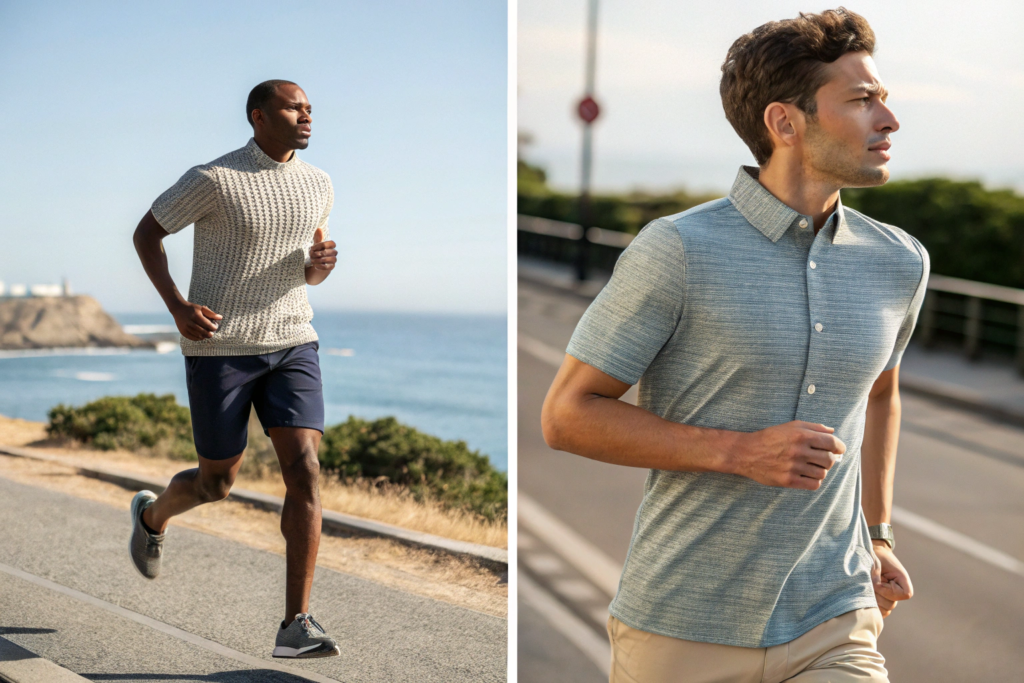
If your priority is maximum airflow, choose a knitted fabric. Specifically, choose a single jersey with a loose stitch length. This is the right choice for:
- Activewear: Running, cycling, gym wear. Your customer is sweating. You need fabric that moves air and moisture.
- Underwear: Breathability is critical for comfort. Jersey knits are the standard for a reason.
- Summer t-shirts: If you want a t-shirt that feels cool in hot weather, a lightweight jersey is your best bet.
- Children’s wear: Kids run hot. A breathable knit keeps them comfortable.
In 2023, we produced a run of bamboo-spandex jersey for a children’s wear brand in California. The fabric scored 210 cm³/s/cm² on our air permeability test. The client told me parents loved that their kids stayed cool even on hot playground days.
If you choose a knit, make sure the fiber supports your breathability goals. Cotton, bamboo, and Tencel all breathe well. Polyester knits can breathe, but they don’t manage moisture the same way.
When Should You Choose Woven for Structure with Breathability?
If you need structure but still want breathability, choose a woven—but choose carefully. A plain weave with a coarser yarn will give you the structure of a woven with reasonable airflow. This is the right choice for:
- Dress shirts: A poplin or broadcloth shirt can be breathable if the weave is open and the finish is mechanical, not chemical.
- Summer trousers: A lightweight plain weave or a loose twill can work for summer pants.
- Blouses: A voile or lawn—both plain weaves with fine yarns—can be very breathable.
- Light jackets: A cotton poplin jacket can breathe while providing coverage.
In 2024, we produced a run of cotton poplin shirts for a client in Singapore. He wanted a dress shirt that worked in tropical heat. We used a 40/1 combed cotton with a relatively open weave—130 ends per inch instead of the typical 160. The fabric scored 55 cm³/s/cm². The client said his customers wore them to business meetings without overheating.
If you choose a woven, ask about the finish. A mechanical finish will preserve breathability. A chemical finish can coat the fibers and reduce airflow.
What Are the Trade-Offs Between Breathability and Other Properties?
Breathability is important. But it’s not the only thing that matters. I’ve seen clients choose the most breathable fabric possible, only to find that it doesn’t work for their garment. Let me walk you through the trade-offs.
Does More Breathability Mean Less Opacity?
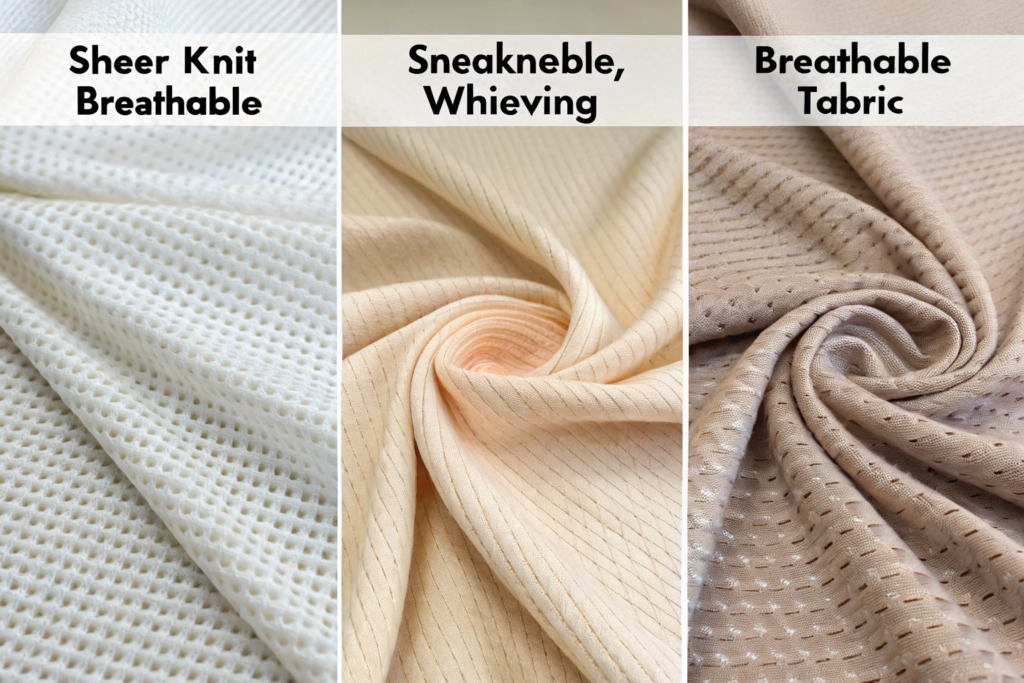
Yes. This is a trade-off I discuss with every client. A fabric that lets air through also lets light through. A lightweight jersey or an open plain weave can be sheer.
In 2023, a client from the UK wanted a breathable summer dress fabric. I recommended a 140 GSM single jersey. The fabric breathed beautifully—190 cm³/s/cm². But when she made the dress, it was see-through in sunlight. She had to add a lining, which added cost and reduced breathability.
If opacity is critical, you have a few options. You can use a slightly heavier knit—180 GSM instead of 140—which will be less breathable but more opaque. You can use a double-knit or interlock, which is more opaque but also less breathable. Or you can accept that a breathable garment might need to be worn with a layer underneath.
Does Breathability Come at the Cost of Durability?
Sometimes. A loose knit or an open weave is more fragile than a dense one. The threads have more room to move, which can lead to snagging or stretching.
In 2024, a client from the US wanted a breathable knit for a line of outdoor shirts. I recommended a 160 GSM jersey with a loose stitch length. The fabric breathed beautifully. But during the wear test, the fabric snagged on a branch. The client decided to go with a slightly tighter knit—180 GSM—which was less breathable but more durable.
If durability is critical for your application—workwear, outdoor gear, children’s clothing—you may need to accept less breathability in exchange for a more robust structure.
How Do You Balance Breathability with Your Brand Positioning?
This is the most subjective factor. Some brands are built around performance. For them, maximum breathability is the goal. Other brands are built around aesthetics. For them, the look and feel of the fabric matter more than raw breathability numbers.
I worked with a luxury brand in 2023 that wanted a summer shirt fabric. They chose a 100% cotton broadcloth with a fine 80/2 yarn. The breathability was moderate—40 cm³/s/cm². But the fabric had a beautiful hand, a subtle sheen, and held a crisp collar. Their customers bought it because it looked luxurious, not because it was the coolest fabric possible.
If you’re not sure which direction to go, ask for samples. Test them yourself. Wear them in the conditions your customers will face. There’s no substitute for real-world experience.
Conclusion
Breathability is not just about fiber. It’s about structure. Knitted fabrics, with their open loop structure, are naturally more breathable than woven fabrics. A single jersey knit will let air move through easily. A plain weave woven can be breathable if the yarns are coarse and the weave is open, but it will never match a knit for pure airflow.
At Shanghai Fumao , we produce both knits and wovens. We test every fabric for air permeability in our CNAS-accredited lab. We know the numbers. We know the trade-offs. And we can help you choose the right fabric for your garment—whether you need maximum breathability for activewear or a structured woven for a dress shirt.
I’ve helped clients find the perfect summer shirt fabric. I’ve helped sportswear brands dial in their jersey knits. I’ve watched clients discover that the fabric they thought was breathable was actually trapping heat because of a finish they didn’t understand. That’s why I test. That’s why I ask questions. That’s why I don’t assume.
If you’re developing a garment and you’re not sure whether to choose a knit or a woven, or if you’re having breathability issues with your current fabric, let’s talk. My business director, Elaine, handles all our fabric inquiries. She knows the numbers, the structures, and the trade-offs. She can help you find the fabric that balances breathability with everything else you need.
Contact Elaine directly: elaine@fumaoclothing.com
Tell her about your garment. Let her help you find the breathable fabric that works.