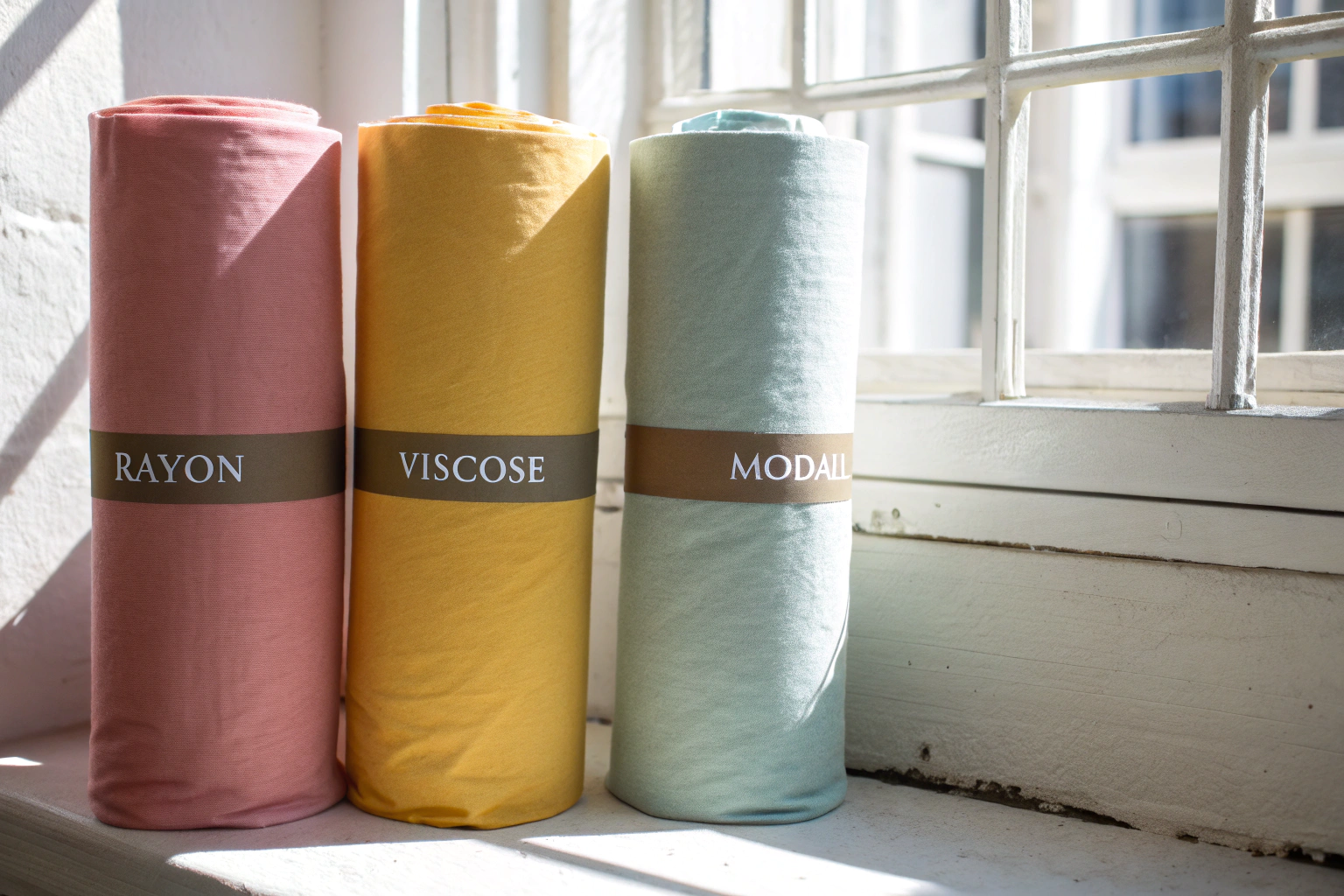
When reading clothing labels, many buyers and designers come across the terms rayon, viscose, and modal. At first, they may appear interchangeable, but they actually represent different parts of the same fiber family. Understanding their distinctions is important because fabric choice affects not only garment performance but also sustainability.
Rayon is the umbrella category, viscose is the most common type of rayon, and modal is a stronger, more refined version of rayon. Each has unique qualities and environmental implications, which makes knowing the differences essential for sourcing and product development.
What Is Rayon?
Rayon refers to a broad family of fibers made from regenerated cellulose. In other words, it comes from natural sources such as wood pulp, but because it undergoes chemical treatment before becoming fabric, it is classified as a semi-synthetic fiber.
Rayon serves as the parent category that includes viscose, modal, and lyocell.

Key Characteristics of Rayon
- Origin: Derived from wood pulp.
- Texture: Soft and breathable, often compared to cotton or silk.
- Performance: Drapes well but tends to wrinkle and weakens when wet.
- Applications: Apparel, upholstery, medical textiles.
Because rayon can imitate natural fibers, it is versatile and widely used. However, the environmental impact of production depends heavily on the process (Textile School).
What Is Viscose?
Viscose is the earliest and most common form of rayon. It was created in the late 19th century as a cost-effective alternative to silk. Its name comes from the viscous solution used in its manufacturing process.
Viscose is valued for its softness and breathability, but it lacks strength, especially when wet.

Properties of Viscose
- Feel: Smooth and lightweight with a silky appearance.
- Durability: Wrinkles easily and loses strength in water.
- Eco Profile: Traditional viscose relies on carbon disulfide and other chemicals that can harm workers and the environment if not managed responsibly.
- Uses: Dresses, blouses, linings, and upholstery.
Although viscose offers beauty and affordability, its chemical-intensive process raises sustainability concerns (Fashion Revolution).
What Is Modal?
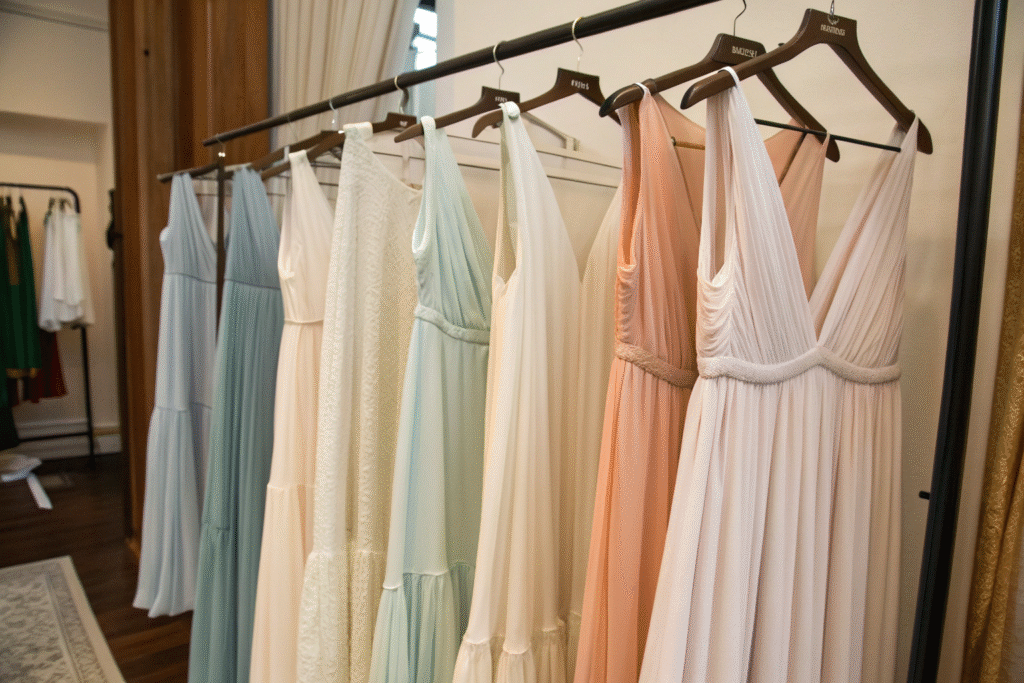
Modal is sometimes described as a “second-generation rayon.” It is produced through a process similar to viscose, but with adjustments that improve fiber strength, durability, and softness. As a result, modal is more resilient and comfortable, making it especially popular in everyday garments.
Modal offers superior softness, better moisture absorption, and greater durability than viscose.
Properties of Modal
- Feel: Exceptionally smooth, silky, and luxurious.
- Strength: Retains strength even when wet.
- Moisture Absorption: Absorbs about 50% more than cotton, helping garments stay cool and fresh.
- Durability: Resists shrinking, pilling, and fading.
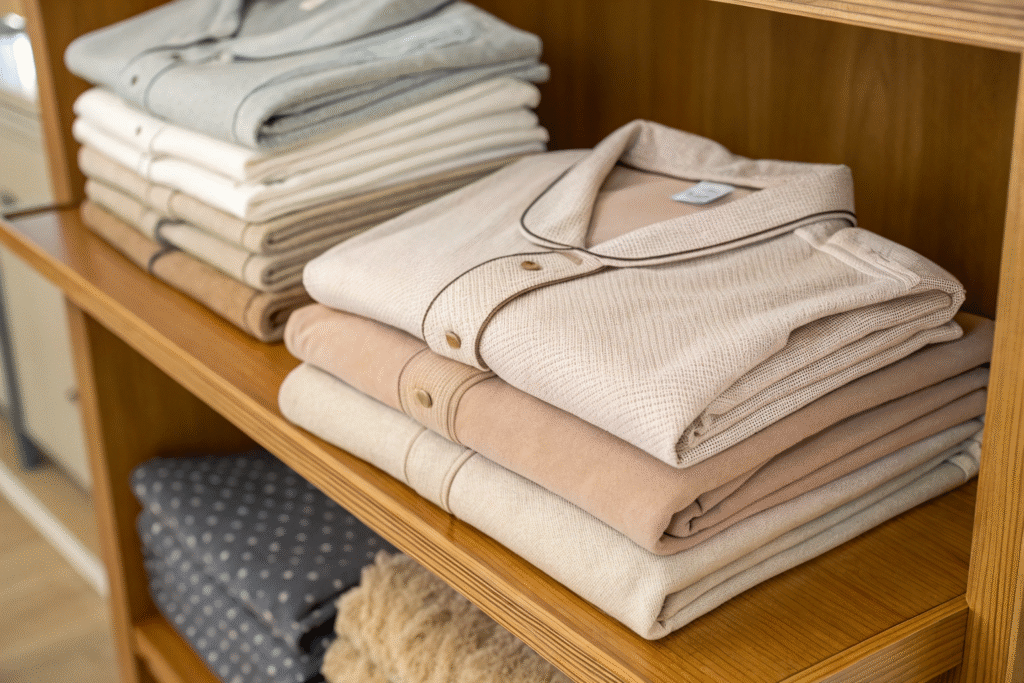
- Uses: Underwear, loungewear, activewear, and bedding.
Because many modal fabrics are produced by Lenzing using closed-loop systems, they are considered more sustainable than traditional viscose (Lenzing Fibers).
How Do They Compare?
Although rayon, viscose, and modal all come from the same raw material—wood pulp—the way they are processed changes their properties and applications. The sequence is clear: rayon is the broad category, viscose is the standard version, and modal is the improved, stronger form.
Comparison Table
| Feature | Rayon (General) | Viscose Rayon | Modal Rayon |
|---|---|---|---|
| Category | Parent fiber family | First-generation rayon | High-strength rayon |
| Source | Wood pulp | Wood pulp | Beech wood pulp (mainly) |
| Feel | Soft, versatile | Silky, breathable | Very soft, smooth |
| Strength When Wet | Weak | Weak | Strong |
| Durability | Moderate | Wrinkles, shrinks easily | Resistant to shrinking |
| Eco Profile | Varies | Chemical-intensive | More sustainable (esp. Lenzing-certified) |
| Best Uses | General apparel, blends | Dresses, linings, upholstery | Underwear, loungewear, bedding |
This comparison shows how process improvements lead directly to performance differences and influence sustainability outcomes.
Conclusion
Although the terms viscose, rayon, and modal are often used interchangeably, they are not the same. Rayon is the general category of regenerated cellulose fibers. Viscose is the most common and affordable type of rayon, known for softness but limited by lower strength. Modal is the upgraded version, offering exceptional softness, durability, and sustainability when responsibly produced.
For buyers and apparel brands, the choice depends on the intended application and environmental goals. Viscose provides affordability and elegant drape, while modal offers a premium balance of comfort and resilience. At Shanghai Fumao, we supply viscose, modal, and sustainable fabric blends tailored to the needs of fashion brands worldwide. To learn more about sourcing these fabrics for your next collection, contact our Business Director Elaine at elaine@fumaoclothing.com.