I remember a conversation with a buyer named Thomas a few years ago. He was sourcing a large order of vibrant blue baseball caps for a national sports brand. He loved our samples. But he asked a question that stopped me. "How do I know these caps will still be this blue after a summer in the sun?" He had been burned before by colors fading fast. That question led us into a deep discussion about how fabric gets its color. And it all starts with the dyeing method.
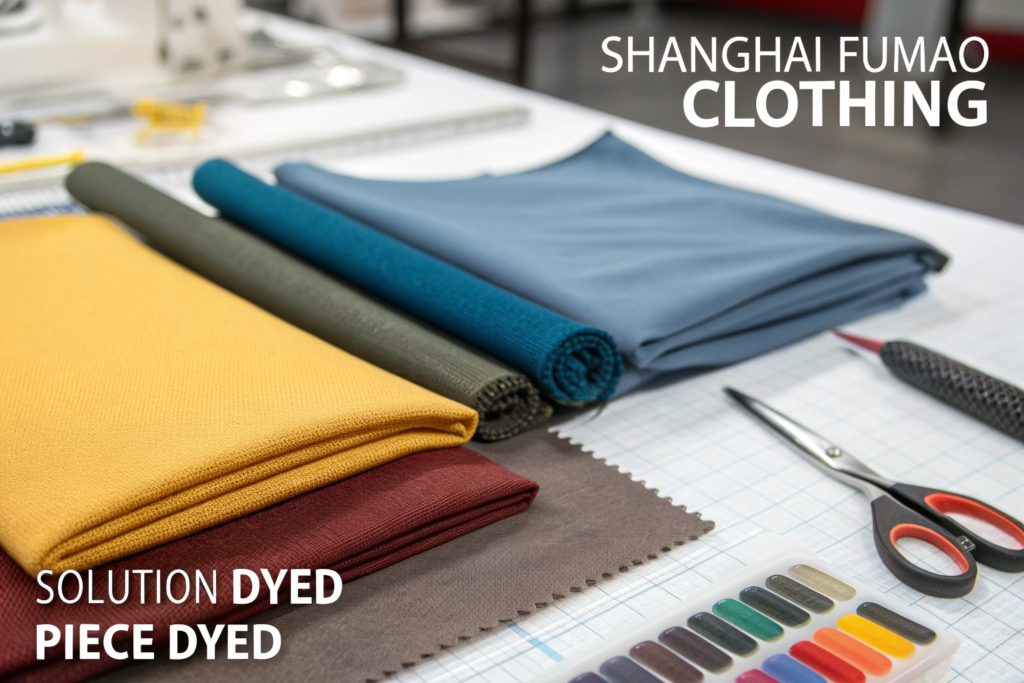
The main difference between solution-dyed and piece-dyed fabric is when the color is added. Solution-dyed fabric gets its color before the fiber even exists. Color pigment is added to the liquid polymer solution, and then the fiber is extruded. The color is locked inside. Piece-dyed fabric is woven or knitted first as a greige (uncolored) fabric, and then the whole piece is dipped in a dye bath to add the color later. This fundamental difference affects everything from colorfastness to cost.
You might think color is just color. But for a buyer like Thomas, who needs products that last, the dyeing method is a critical decision. It impacts how your accessories will look after months on a store shelf or a summer at the beach. Let me walk you through the real-world differences.
How Does the Solution-Dyeing Process Work?
Solution dyeing sounds like a complex chemical process, and it is. But the basic idea is simple. You are building the color into the very building block of the fabric. It is like making a blue plastic toy. The blue is part of the plastic, not just painted on the surface.
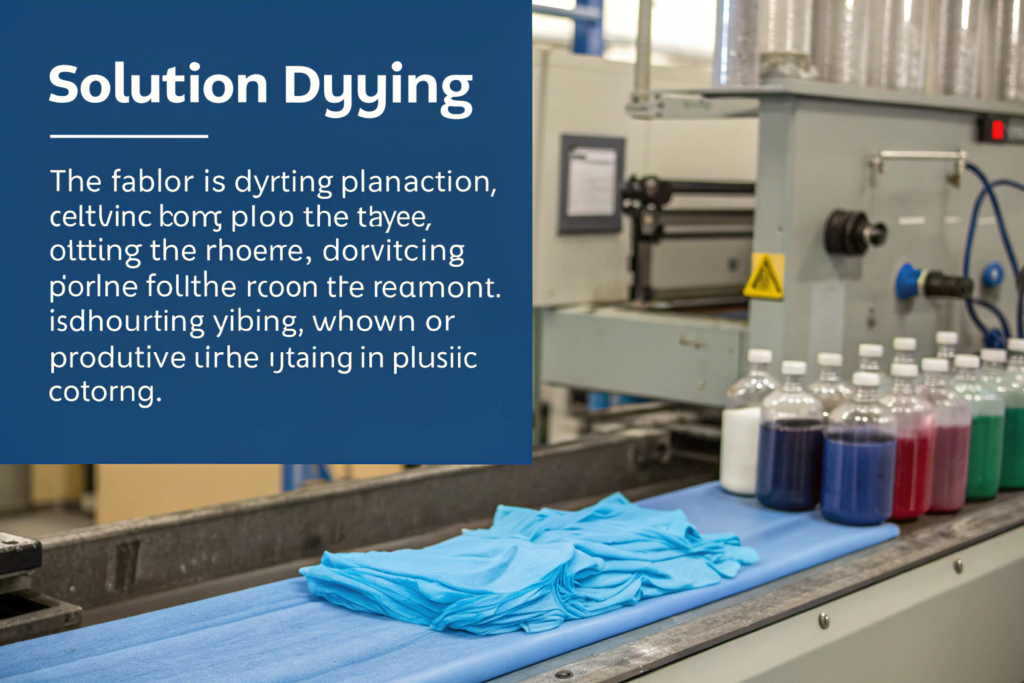
In solution dyeing, color pigments are mixed directly into the liquid polymer solution before it is pushed through a spinneret to create fibers. Think of it like adding food coloring to cake batter before you bake it. The color is everywhere, throughout the entire fiber. For synthetic fibers like polyester, nylon, and acrylic, this creates a fiber that is colored all the way through. At Shanghai Fumao Clothing, we use this method for products that need to endure harsh conditions, like outdoor hats or beach accessories, because the color is incredibly durable.
The process starts with the raw material, usually in chip or pellet form. These chips are melted into a liquid. The desired color pigment is added and thoroughly mixed. This colored liquid is then extruded through tiny holes to form continuous filaments, which are then cut into staple fibers or used as is. Because the pigment is part of the fiber's structure, it cannot be easily removed. It resists fading from sunlight, washing, and even chemicals. This is a premium process, and it generally costs more than other methods.
Why Is Solution-Dyed Fabric More Fade-Resistant?
The reason is simple physics. In a solution-dyed fiber, the color particles are embedded throughout the entire cross-section of the fiber. If the surface of the fiber gets abraded or slightly damaged, the color underneath is exactly the same. There is no "surface layer" of color to wear off. In other dyeing methods, the color sits mostly on the surface. Think of it like a carrot versus a radish. A carrot is orange all the way through. A radish is red on the outside and white on the inside. If you peel a radish, the red is gone. If you peel a carrot, it is still orange. This is why solution-dyed acrylic knit beanies will stay vibrant for years, even in direct sun.
What Are the Common Applications for Solution-Dyed Fabrics?
Because of its durability, solution-dyed fabric is the go-to choice for products that live outside or get heavy use. This includes awnings and outdoor furniture, automotive interiors, and marine fabrics. In the accessory world, we use it for high-performance baseball caps, especially for sports teams or workwear, where the caps will see a lot of sun and sweat. It is also excellent for umbrellas and beach bags that are exposed to UV rays and salt water. The color simply will not run or fade like it would with other methods.
How Does the Piece-Dyeing Process Work?
Piece dyeing is the method most people imagine when they think of dyeing fabric. It is the classic process of taking a roll of plain, undyed fabric and putting it into a big bath of color. It is more common and often more flexible than solution dyeing.
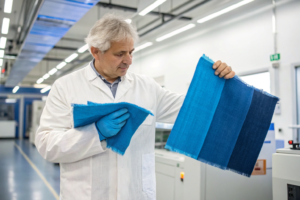
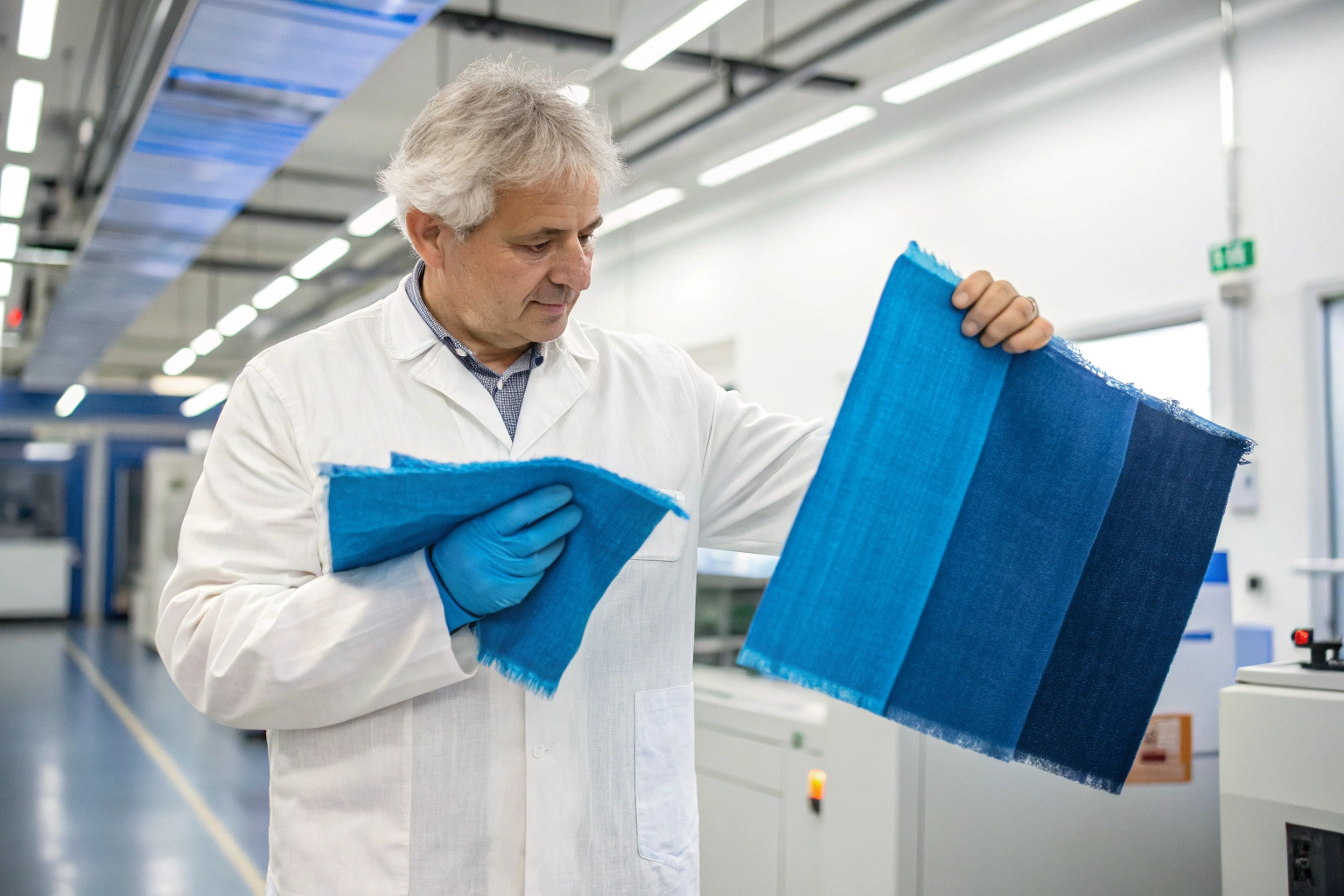
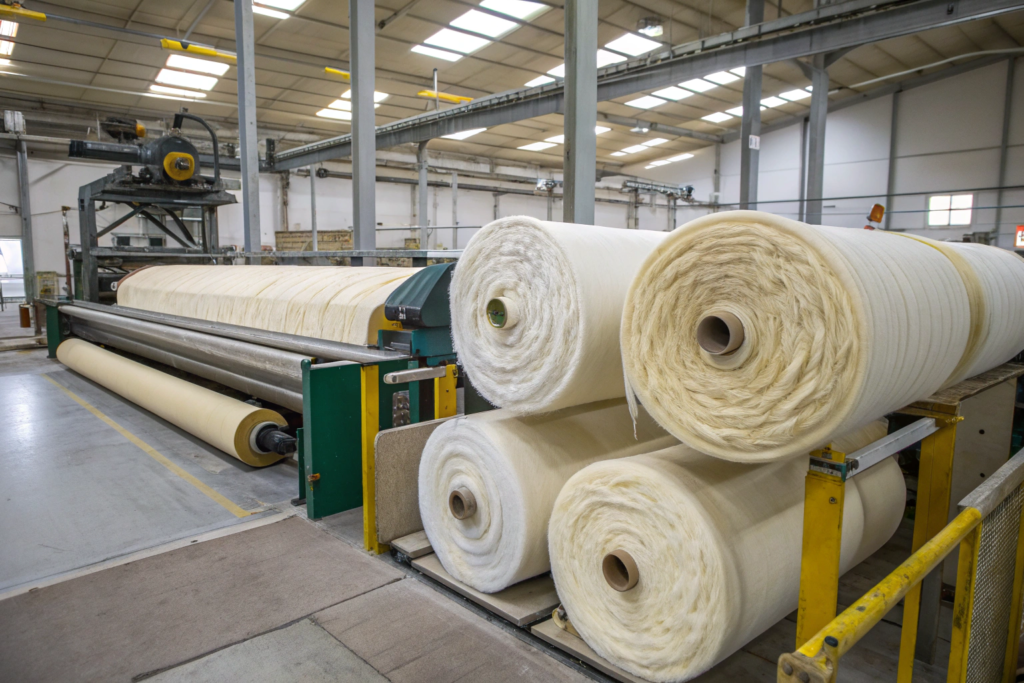
In piece dyeing, the fabric is first woven or knitted in its natural state, called "greige goods." This fabric is undyed and usually an off-white or beige color. Then, rolls of this greige fabric are loaded into a large dyeing machine, and a hot dye solution is circulated through the fabric until it absorbs the desired color. This is how most fashion apparel fabrics are dyed, because it allows mills to respond quickly to changing color trends. They can stock natural fabric and dye it to match whatever color is popular that season.
There are different types of piece dyeing machines for different fabrics. Jet dyeing machines use high-pressure water jets to circulate the fabric and dye. Beck dyeing machines use a gentle rope-like motion for more delicate fabrics. Jig dyeing moves the fabric back and forth through a shallow dye bath for woven goods. The choice of machine depends on the fabric's weight, construction, and fiber content. The goal is always the same: to get the dye to penetrate the fibers evenly so the color is uniform across the entire piece. This requires skill and experience from the dye house operators.
What Does "Greige Goods" Mean?
"Greige" (pronounced "grey") is a term that comes from the French word for raw. It refers to fabric that has been woven or knitted but has not yet been dyed or finished. It is essentially a blank canvas. It is usually an unappealing, natural color that can vary slightly depending on the source of the fiber. Mills produce and stock greige goods because it is efficient. They can make large quantities of fabric and then dye it later based on actual orders. This reduces waste and allows for faster response to market trends. When you order a custom-printed scarf, it likely started as a roll of greige fabric.
Why Is Piece Dyeing More Common for Fashion Items?
Fashion is all about color trends. What is hot this season might be cold next season. Piece dyeing allows brands to be agile. A mill can weave a large amount of natural, greige fabric in a standard construction like a cotton poplin for blouses. Then, when the fashion forecasters announce that "Viva Magenta" is the color of the year, they can dye all that greige fabric in that specific shade. They don't have to predict the color months in advance when they are weaving the fabric. This flexibility is why piece dyeing dominates the fast-fashion and seasonal apparel markets. It is a way to manage risk and respond to what customers actually want to buy right now.
What Are the Key Differences in Performance and Cost?
So, which method is better? As with most things in manufacturing, it depends on what you need. There is no universal winner. There are trade-offs. You have to decide what matters most for your specific product and your customers.
The key differences are in colorfastness, cost, and flexibility. Solution-dyed fabrics offer superior colorfastness to light, washing, and chemicals. They are the most durable option. However, they are more expensive and require you to commit to a color early in the process. Piece-dyed fabrics are less expensive and offer maximum flexibility in color choices, but the color is less durable. It is more likely to fade in the sun or crock (rub off) over time. At Shanghai Fumao Clothing, we help our clients choose the right method based on how the final accessory will be used.
Let's look at a quick comparison:
| Feature | Solution-Dyed | Piece-Dyed |
|---|---|---|
| Colorfastness to Light | Excellent | Good to Fair |
| Colorfastness to Washing | Excellent | Good |
| Cost | Higher | Lower to Moderate |
| Color Flexibility | Low (must decide at fiber stage) | High (can dye to match trends) |
| Minimum Order Quantities | Often Higher | More Flexible |
| Best For | Outdoor gear, workwear, automotive | Fashion apparel, home textiles |
This table shows the trade-offs clearly. If you are making a sun hat that will live outdoors, the extra cost of solution-dyed is worth it. If you are making a trendy hair scrunchie for a single season, piece-dyed is the smart choice.
Does Dyeing Method Affect the Fabric's Hand Feel?
Yes, it can. In piece dyeing, the fabric goes through a hot, wet process that can soften it. The mechanical action of the dye machines can also relax the fibers and give the fabric a softer, more broken-in feel. This is often desirable for apparel. Solution-dyed fibers, because the color is built in, can sometimes feel slightly different, perhaps a bit more "plastic" or firm, especially if not finished properly. However, modern textile technology has narrowed this gap significantly. A good mill can apply softeners and mechanical finishes to solution-dyed fabric to make it feel just as nice as a piece-dyed one. It is another factor to consider in the development process.
Which Method Is Better for the Environment?
This is a complex question with no simple answer. Solution dyeing can be more environmentally friendly in some ways because it uses less water and fewer chemicals in the dyeing process itself. The color is added at the fiber stage, eliminating the need for a huge, water-intensive dye bath later. This saves significant amounts of water and energy. However, the pigments themselves and the polymer production have their own environmental footprints. Piece dyeing uses a lot of water and energy, and the dye baths create wastewater that must be treated. But it allows for more efficient use of greige goods, reducing waste. Many buyers now look for certifications like OEKO-TEX to ensure that whatever method is used, the process is managed responsibly.
How Do You Choose the Right Dyeing Method for Your Product?
This is the million-dollar question for buyers like Thomas. You have a product idea. You have a target price. You have a customer in mind. How do you make the call? It comes down to asking the right questions about how the product will live its life.
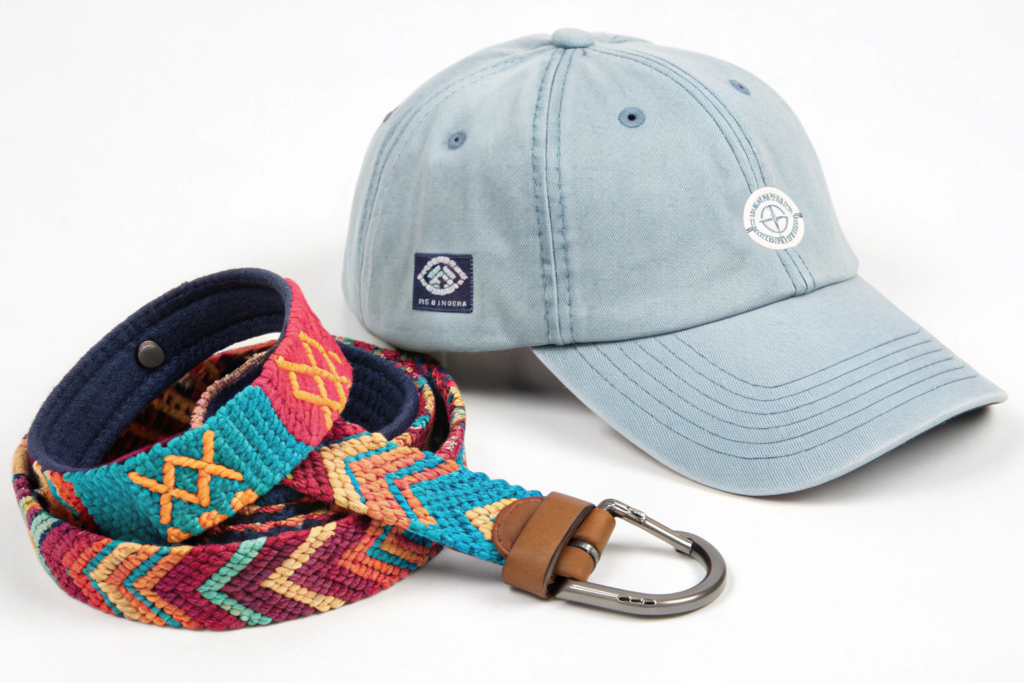
To choose the right method, you need to ask: Where will this product be used? How long does it need to last? How important is color accuracy? For a product that will face the elements, like a promotional baseball cap for an outdoor event, choose solution-dyed. For a seasonal fashion item like a colorful woven belt that will be worn indoors for one summer, piece-dyed is the smarter, more cost-effective choice. At Shanghai Fumao Clothing, we guide our clients through this decision based on their specific goals.
Another factor is your inventory risk. If you are a large brand with long lead times and you are confident in your color choices for the next year, solution dyeing offers a quality advantage. If you are a smaller brand or a buyer for a retailer who needs to react quickly to what is selling, the flexibility of piece dyeing is invaluable. You can order greige goods in advance and then dye them to match the "hot color" that emerges mid-season. This agility can be the difference between selling out and being stuck with inventory.
What Questions Should You Ask Your Supplier?
When you are discussing a new project with a supplier like us, you should ask these specific questions:
- "Based on this design, which dyeing method do you recommend and why?"
- "What are the expected colorfastness ratings for this fabric to light and washing?"
- "Can you provide test reports or certifications for the dyeing process?"
- "What are the minimum order quantities for each method?"
- "How will the chosen method affect the lead time for my order?"
Getting clear answers to these questions upfront will save you from unpleasant surprises later. A good supplier will be happy to explain the options and help you make an informed choice for your accessory line.
How Do You Test for Colorfastness?
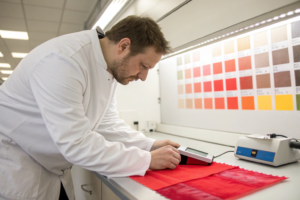
There are standardized tests for this. The most common is the "AATCC" test method, developed by the American Association of Textile Chemists and Colorists. For lightfastness, a sample of the fabric is placed in a machine that exposes it to a powerful, simulated sunlight for a set period. It is then compared to an unexposed sample to see how much it faded. For washfastness, the fabric is washed multiple times in a standard machine and checked for color loss. A reputable supplier will have access to this testing and should be able to share the results. It is the only way to be sure, not just hope, that your colorful scarves will stay that way.
Conclusion
The difference between solution-dyed and piece-dyed fabric is a fundamental choice that affects the look, feel, cost, and durability of your products. Solution dyeing builds color into the fiber itself, offering unmatched durability for items that face the sun and elements. Piece dyeing offers flexibility and lower cost, making it ideal for following fast-moving fashion trends. Understanding this difference allows you to make smarter decisions that align with your brand's promise and your customers' expectations.
If you are planning a new accessory line and want to ensure you choose the right materials and processes, let's talk. We have the technical knowledge and practical experience to guide you. Please reach out to our Business Director, Elaine, at elaine@fumaoclothing.com. Let's create products that look great and last as long as they need to.