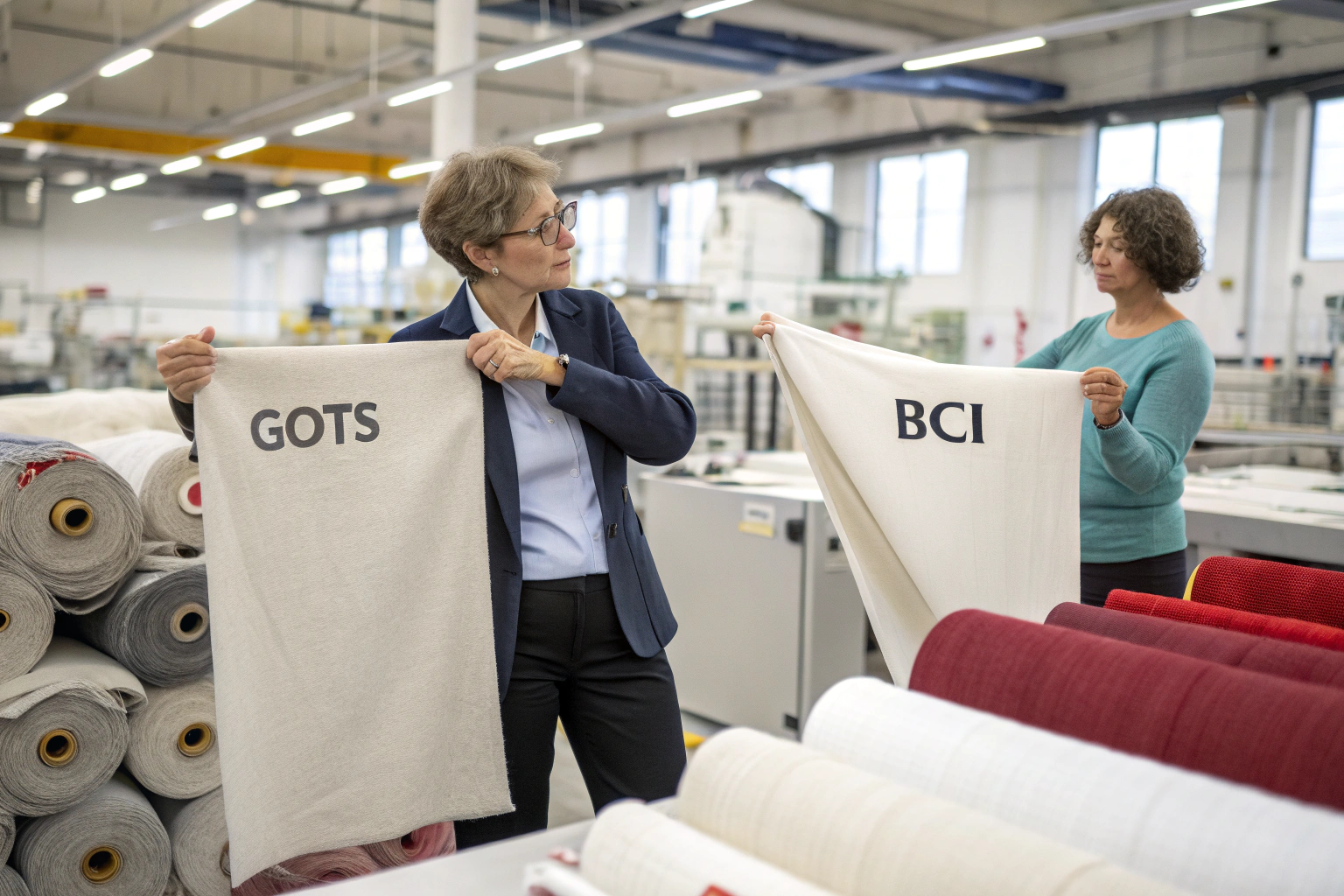
As a fabric manufacturer with over twenty years of experience serving global clients, I frequently encounter this crucial question. The choice between GOTS and BCI cotton represents more than just a sourcing decision—it reflects your brand's commitment to specific environmental and social values. Understanding these differences ensures you make an informed choice that aligns with your business objectives and customer expectations.
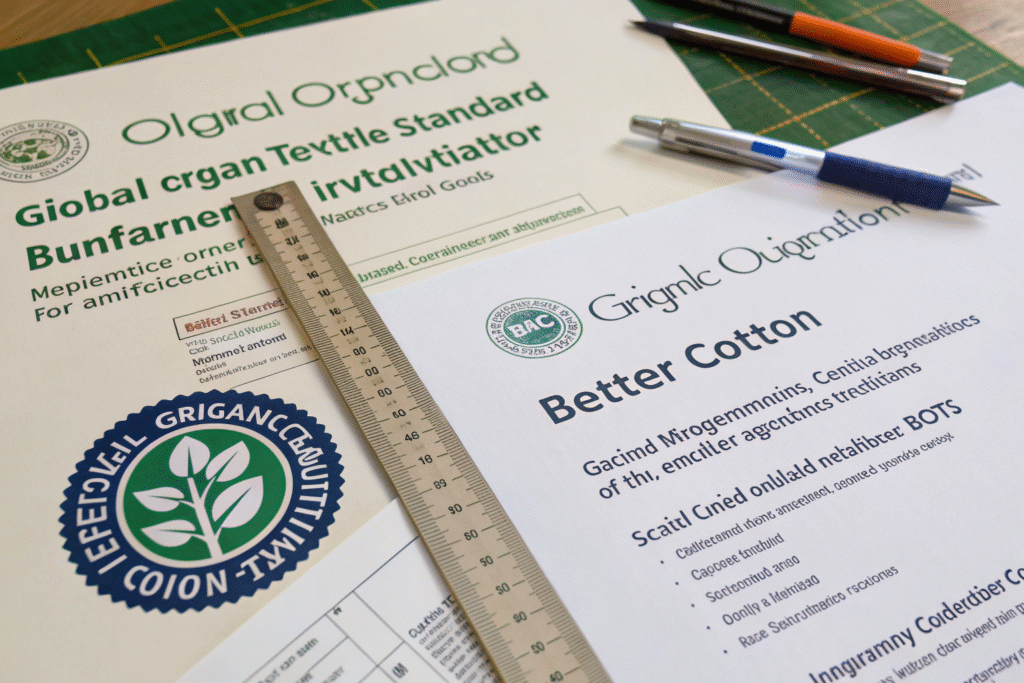
GOTS (Global Organic Textile Standard) and BCI (Better Cotton Initiative) represent fundamentally different approaches to sustainable cotton production. GOTS provides rigorous certification for organic fibers throughout the entire supply chain, while BCI focuses on improving conventional cotton farming practices through continuous improvement principles. This distinction affects everything from environmental impact to market positioning.
Understanding Certification Requirements
The certification process reveals the core philosophical differences between these standards. GOTS maintains stringent requirements that verify organic integrity from field to finished product, whereas BCI employs a mass-balance system that promotes broader adoption of better practices.
GOTS certification demands complete supply chain transparency. Farmers must avoid synthetic pesticides and fertilizers for at least three years before certification, while processors must meet strict environmental and social criteria throughout manufacturing. This comprehensive approach ensures that every stage—from harvesting to dyeing and finishing—meets consistent organic standards. The resulting GOTS-certified fabrics offer brands verifiable sustainability claims that resonate with environmentally conscious consumers.
BCI follows a more accessible pathway focused on gradual improvement. Through training in the "Seven Principles of Better Cotton," farmers learn to reduce water consumption, minimize chemical use, and improve working conditions. The mass-balance system allows BCI cotton to mix with conventional cotton during processing, making sustainable options more available at scale. While this approach doesn't produce organic cotton, it creates meaningful environmental improvements across conventional farming operations.

How do farming methods differ between these standards?
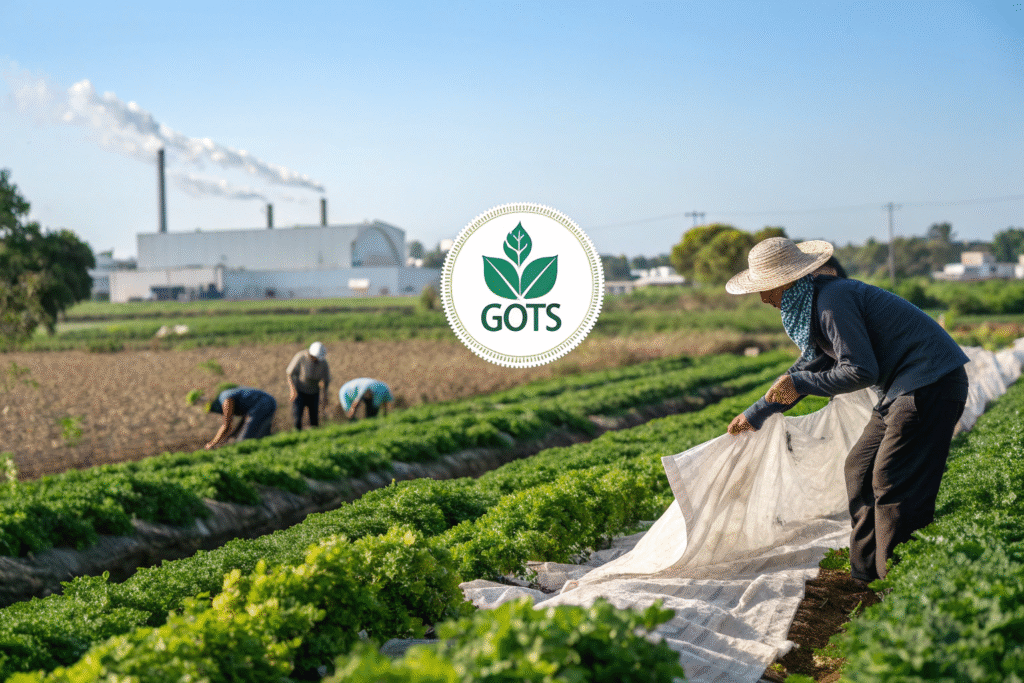
GOTS organic farming employs natural systems that work in harmony with the environment. Farmers use crop rotation, composting, and biological pest control to maintain soil health and biodiversity. These methods eliminate synthetic chemicals entirely, creating a regenerative agricultural system that benefits both the environment and farming communities.
BCI farming implements improved conventional practices through targeted training. Farmers learn to optimize water usage through drip irrigation and reduce chemical applications via integrated pest management. This approach maintains higher yields than organic methods while significantly reducing environmental impact compared to traditional cotton farming.
Environmental Impact Comparison
The ecological consequences of these standards vary significantly in both scope and scale. GOTS creates a closed-loop system that prioritizes environmental protection, while BCI focuses on reducing the negative impacts of conventional agriculture.
GOTS certification ensures minimal environmental harm throughout production. The prohibition of synthetic chemicals prevents soil and water contamination, while organic farming practices enhance biodiversity and soil carbon sequestration. Furthermore, GOTS regulates manufacturing processes by requiring wastewater treatment and banning hazardous chemicals, ensuring comprehensive environmental protection from farm to finished fabric.
BCI generates environmental benefits through efficiency improvements and reduced chemical use. Farmers achieve measurable reductions in water consumption, pesticide applications, and synthetic fertilizer use compared to conventional methods. While these improvements don't eliminate environmental impact entirely, they represent significant progress toward more sustainable cotton production at a global scale.
How do water management approaches compare?
GOTS organic systems naturally enhance water efficiency through improved soil structure. The increased organic matter in organically managed soil acts like a sponge, absorbing rainfall and reducing irrigation needs over time. This biological approach to water conservation creates resilient farming systems better adapted to changing climate conditions.
BCI addresses water scarcity through technological and managerial solutions. Training programs emphasize water monitoring, efficient irrigation systems, and scheduling techniques that maximize productivity per liter of water used. These practical interventions deliver immediate water savings in regions where cotton farming places significant stress on water resources.
Social Responsibility and Labor Standards
Both standards address social concerns, but with different levels of rigor and enforcement. GOTS establishes mandatory social requirements verified through supply chain audits, while BCI promotes better working conditions through farmer education and capacity building.
GOTS social criteria mandate safe working conditions, prohibit child and forced labor, require living wages, and protect workers' rights to organize. These requirements apply to every certified facility in the supply chain, from farms to factories. Annual audits verify compliance, providing brands with assurance that their products meet internationally recognized social standards.
BCI incorporates social principles within its farming improvement program. Training covers fair labor practices, workplace safety, and community engagement, encouraging farmers to continuously improve working conditions. While this approach fosters positive change, it doesn't provide the same level of verified social compliance as GOTS certification.
How do labor standards differ in practice?
GOTS specifically requires payment of living wages, which typically exceed legal minimums and enable workers to meet basic needs. This requirement, combined with third-party audits throughout the supply chain, ensures meaningful social protection for workers involved in organic cotton production.
BCI references national labor laws and international conventions in its principles, with compliance verified primarily at the farm level. The program's strength lies in educating farmers about workers' rights and safety practices, though it doesn't mandate living wages or conduct comprehensive manufacturing audits.
Strategic Business Considerations
Selecting between GOTS and BCI depends on your brand positioning, target market, and business objectives. Each standard serves distinct market segments and communicates different values to consumers.
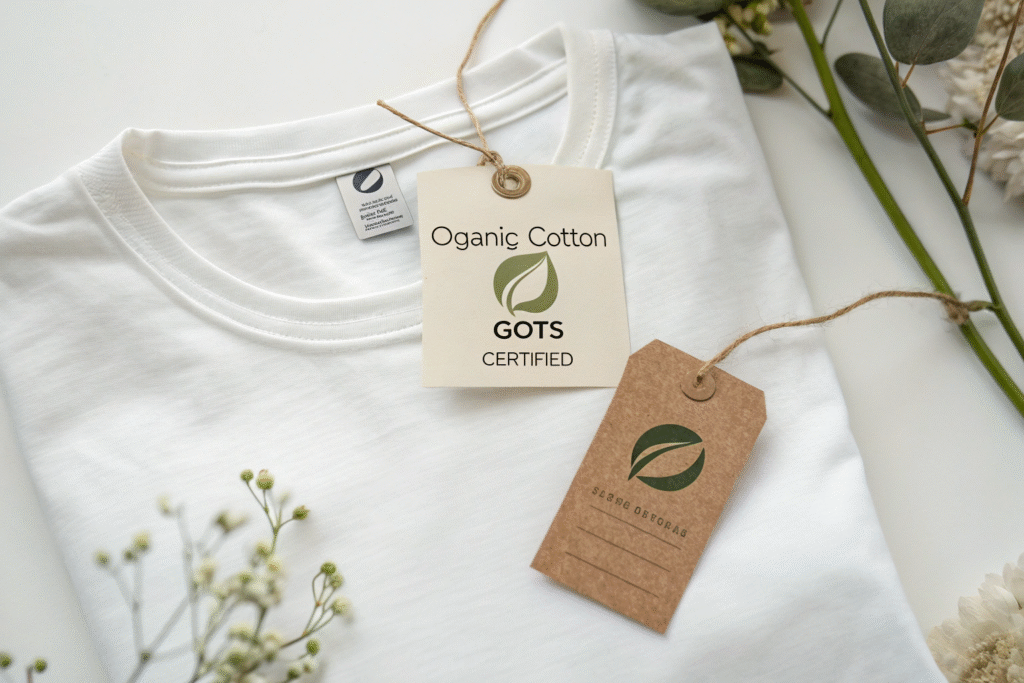
GOTS organic cotton supports premium positioning for brands targeting environmentally aware consumers. The certification provides credible third-party verification for marketing claims, justifying price premiums while building brand loyalty among customers who value transparency and environmental responsibility. The traceability of GOTS certification also helps brands comply with increasingly stringent environmental regulations in major markets.
BCI cotton offers a practical sustainability option for volume-driven brands. The minimal price premium makes it accessible for mainstream collections, while the improvement narrative resonates with consumers seeking more responsible choices without significant cost increases. BCI enables brands to demonstrate commitment to sustainability while maintaining competitive pricing.
Which market segments align with each standard?
GOTS serves the eco-luxury and conscious consumer segments where transparency and environmental values drive purchasing decisions. These customers actively seek organic certification and understand its significance, making them willing to pay higher prices for verified sustainable products.
BCI appeals to the broader mainstream market where customers want to make better choices without premium pricing. The improvement story resonates with socially conscious consumers who recognize the value of incremental progress and large-scale impact.
Conclusion
GOTS and BCI represent complementary approaches to sustainable cotton, each with distinct strengths and applications. GOTS delivers verified organic integrity through rigorous standards and complete supply chain transparency, making it ideal for brands pursuing premium sustainability positioning. BCI drives widespread improvement in conventional cotton farming, offering a scalable solution for brands seeking to reduce their environmental footprint across volume product lines.
Your choice between these standards should reflect your brand values, target customer preferences, and business strategy. Whether you prioritize the certified purity of GOTS or the accessible improvement of BCI, both pathways contribute meaningfully to a more sustainable textile industry.
Ready to integrate certified sustainable cotton into your supply chain? Contact our Business Director Elaine at elaine@fumaoclothing.com to discuss how Fumao Textiles can support your specific sustainability goals with both GOTS and BCI cotton options.