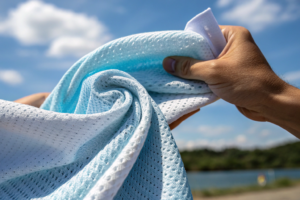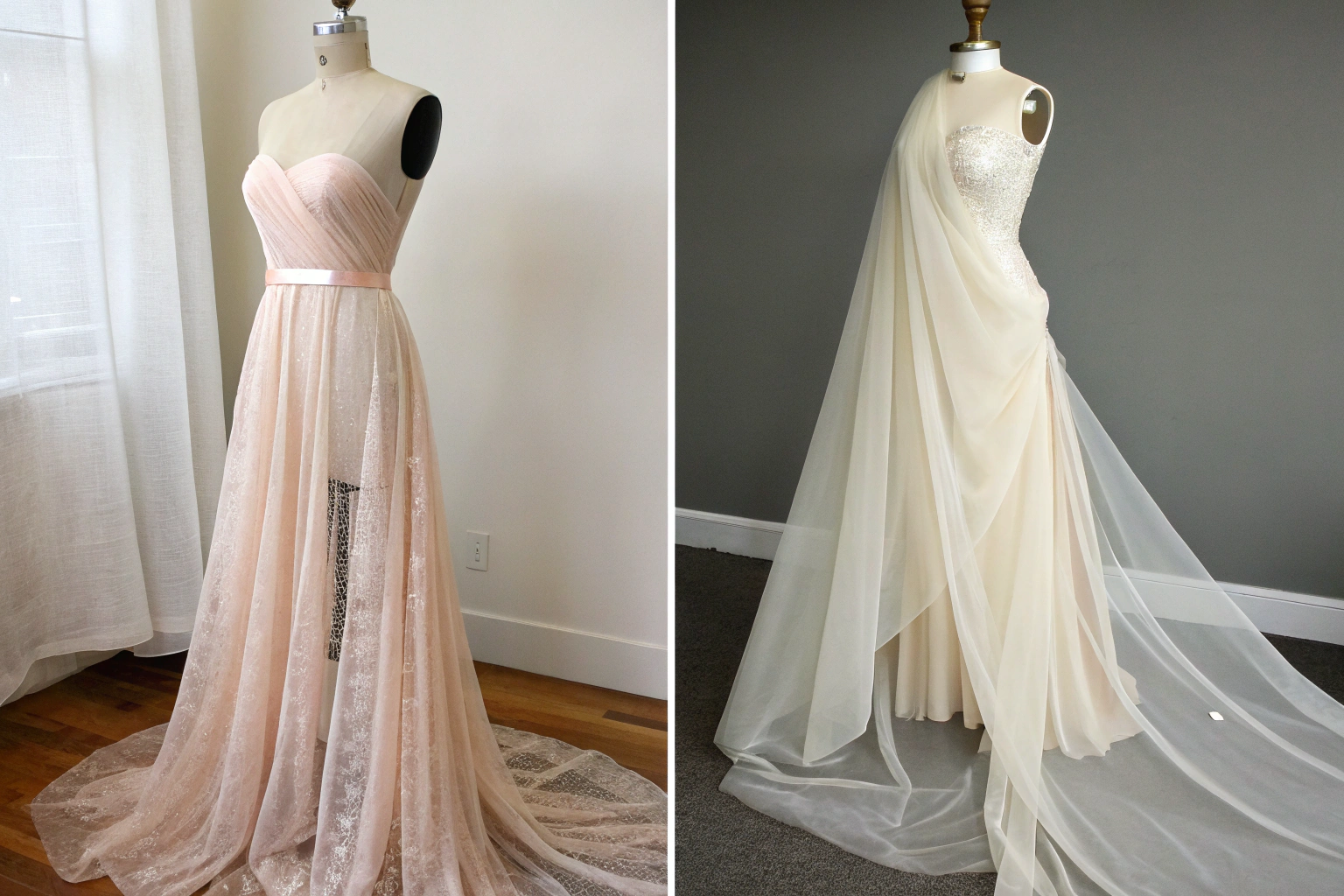
Okay, let's be honest—when you're designing eveningwear, fabric choice isn't just a detail. It's everything. Two fabrics that always come up? Chiffon and organza. But here's the thing: choosing wrong can mean the difference between a gown that moves like a dream and one that just... doesn't work. Personally I think this is where many collections succeed or fail. You need to know which fabric will bring your vision to life without compromising on quality or your budget.
So, what's the real difference? Actually, it comes down to this: chiffon is soft, flowy, and drapes beautifully. Organza? Crisp, structured, and holds its shape. For eveningwear, that means chiffon gives you romance and movement—think layers that float. Organza gives you drama and volume—think skirts that stand out. It's the classic battle of flow versus form.
But that's just the surface. To be honest, the deeper you go, the more nuances you find. And these nuances—they matter for your production timeline, your cost, and honestly, your final product's wow factor. Let's break it down.
What are the key characteristics of chiffon fabric?
I've always loved working with chiffon. There's something about it—the way it moves. But what actually makes it so special? Knowing this isn't just academic; it helps you explain to your team and your customers why you've made a certain choice. It builds confidence in your brand.
Simply put, chiffon is a lightweight, sheer woven fabric. It has this slight stretch and a faintly rough texture—which comes from how the yarns are twisted together. Traditionally silk, of course, but now? Mostly polyester and nylon. And that's a good thing, honestly—it makes a beautiful, draping fabric more accessible and durable. Its biggest sell is its drape. That fluid fall—it's why it's a go-to for gowns that need to look ethereal.
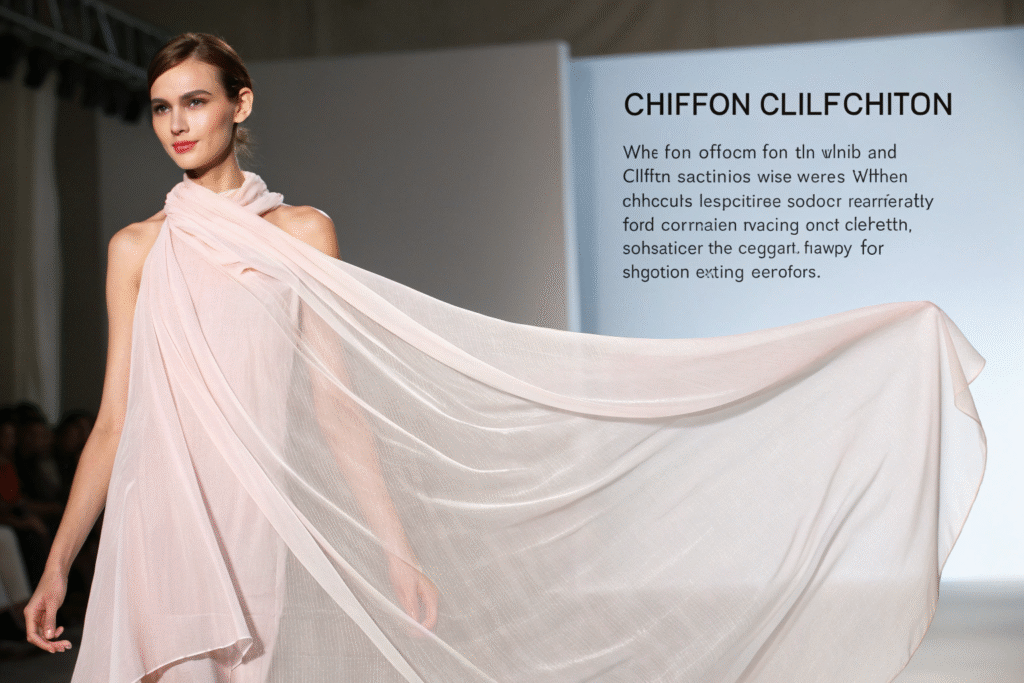
How is that signature drape actually created?
The magic is in the twist. Highly twisted yarns, woven in a plain weave—they create this delicate mesh that's strong but incredibly pliable. It's this structure that lets the fabric fold so softly. Silk chiffon? Unbeatable for luxury and a subtle sheen. But for most commercial lines, polyester chiffon is the practical hero. Holds color brilliantly, more resilient. We always advise clients to pay attention to the GSM—the weight—because that determines how it will hang in the final garment. Lighter for sheer overlays, slightly heavier for linings.
Why does chiffon work so well in layered designs?
It's the sheerness combined with the softness. Layer it, and you build opacity without sacrificing movement. A gown with multiple layers of chiffon doesn't feel heavy—it feels like it's floating. And another thing—it's a dream for decoration. Personally I think it's one of the best bases for embroidery services. You can add detailed threadwork or beading, and the fabric underneath stays soft, doesn't become a board. And the dyeing potential—vibrant colors, ombre effects—it just makes your designs pop.
What makes organza the go-to for structured designs?
Now, organza. That's a different story. If you want drama—real architectural shape—this is your fabric. It doesn't flow; it stands. It doesn't cling; it defines. For a designer looking to make a statement, understanding organza is non-negotiable. It's the fabric of choice when you want a garment to have a presence in a room before the wearer even speaks.
Organza is stiff. There's no other way to say it. A thin, plain weave, but with tightly wound yarns that give it that crisp hand-feel. Silk organza is the classic, but polyester and nylon versions are widely used now—even rayon. Its key feature? That rigidity. It provides volume without the weight. Creates silhouettes that stand away from the body. Ball gowns, structured sleeves, dramatic accents—that's organza's territory.
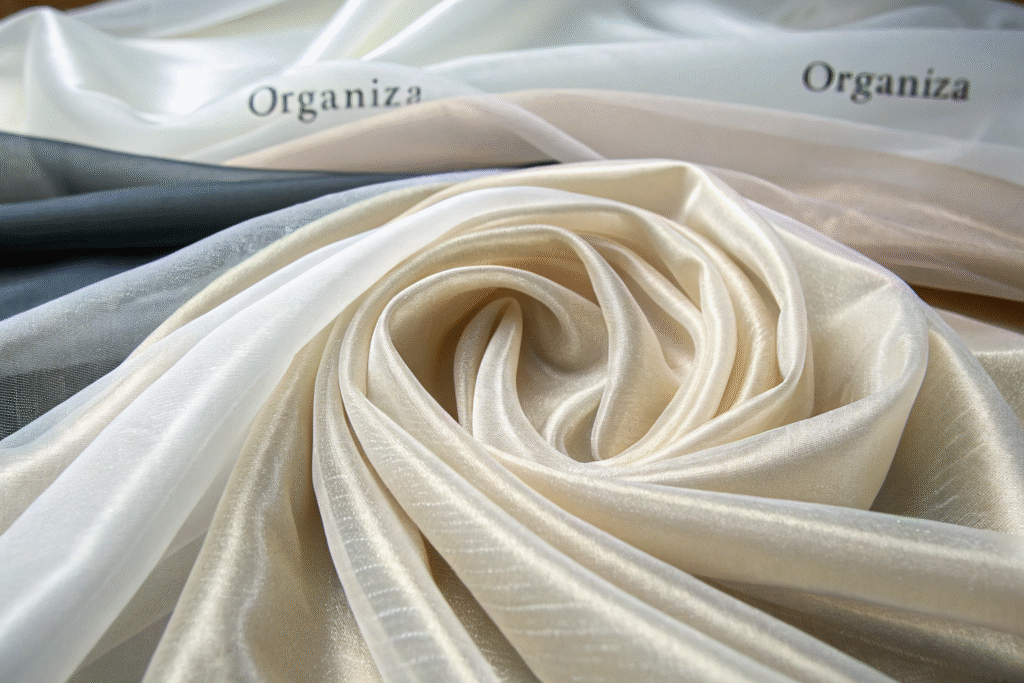
How does organza actually create that volume?
It resists. Unlike chiffon, which yields, organza pushes back. Its innate stiffness means that when you layer it, the layers support each other—creating air pockets and a full silhouette that needs very little internal structure. Peplums, big sleeves, A-line skirts—they all come to life with organza. And for the eco-conscious brands—and there are more every day—we now offer eco-friendly fabrics like recycled polyester organza. Gives you the same structure, but with a better story. Another perk? It wrinkles less. Honestly, a garment in organza can look pristine all night long.
Where do you see organza in high-fashion pieces?
Rarely for a whole garment. It's an accent fabric—a tool for contrast. It provides hidden structure—underlining a bodice, reinforcing a collar. Or it's a decorative overlay on satin, adding texture. And those sharp, defined ruffles and pleats that hold their shape all night? That's organza. It also takes prints beautifully. Our digital printing services can put incredibly detailed patterns on it, and the crisp base makes the colors stand out. The creative possibilities—they're pretty much endless.
How do care and durability compare? Honestly.
This is the practical part. The part your end-client cares about after the third wear. Aesthetics are one thing, but a fabric that can't hold up? That's a problem for your brand's reputation. Both of these are delicate, I won't lie, but in different ways. Setting the right care expectations is part of the service you provide.
Both need care. Dry cleaning is usually the safe bet, though some poly blends can be hand-washed—carefully. But which is tougher? To be honest, organza. Its stiffness makes it more snag-resistant. Chiffon, especially silk chiffon—it can pull and tear if you just look at it wrong.

What's the main issue with maintaining chiffon?
It's delicate. The softness that makes it beautiful also makes it vulnerable. Snagging on jewelry, rough surfaces—it's a risk. And pilling on lower-quality synthetics? It happens. We always stress—get a high twist count for better durability. Then there's seam slippage—threads pulling apart at the seams. That's why our quality control is so rigorous on this point. We test for that. For your customer, advice is simple: hang it, don't fold it. Prevents permanent creases.
Is organza easier to look after long-term?
In some ways, yes. It holds its shape. Doesn't wrinkle as easily as chiffon. An organza dress can look fresh for hours. But that stiffness—it's a double-edged sword. A sharp fold, a hard crush—it can create a permanent crease, or even cause the fibers to shatter along the fold line. It's brittle. That's why our fabric inspection is critical for organza. We check for any weaving flaws that could become a point of failure later. Choosing a high-density organza from the start—it makes all the difference.
Chiffon vs Organza: So, which one is for you?
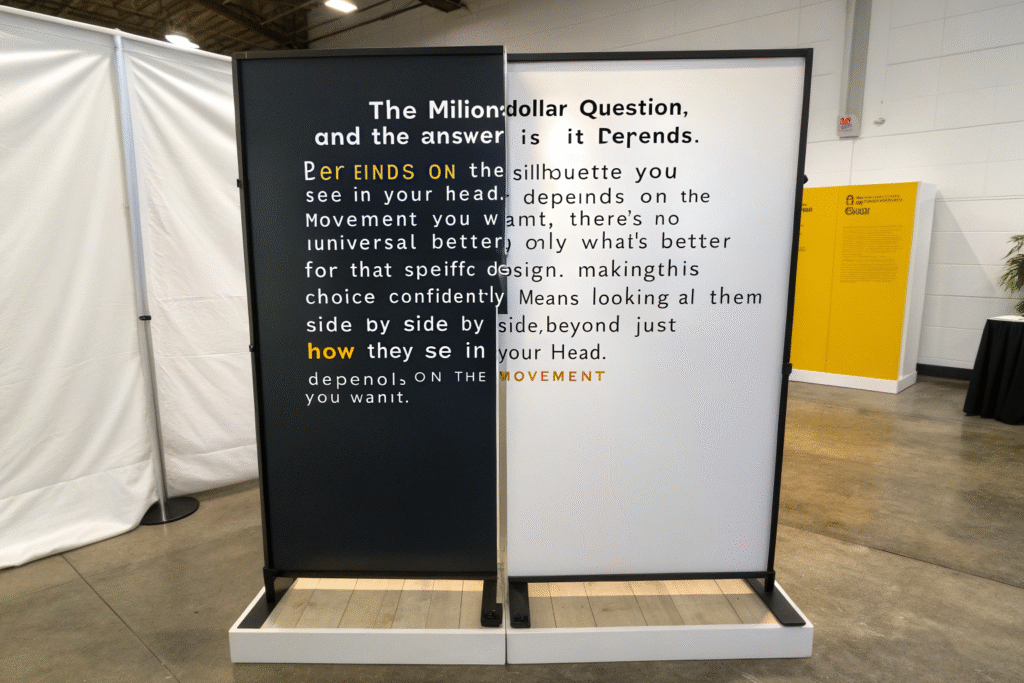
The million-dollar question. And the answer is—it depends. Depends on the silhouette you see in your head. Depends on the movement you want. There's no universal 'better,' only what's better for that specific design. Making this choice confidently means looking at them side-by-side, beyond just how they look.
It's about intent. Chiffon for softness, for romance, for flow. Organza for drama, for architecture, for form. Your design's purpose—that's what should guide you. Personally I think some of the best designs play with both.
What factors should really guide your choice?
Let's make it simple. A table helps.
| Design Factor | Choose Chiffon If... | Choose Organza If... |
|---|---|---|
| Silhouette | You want fluid, body-skimming drape. | You want structured, standing-out volume. |
| Movement | Flowing, graceful motion is key. | A fixed, sculptural shape is the goal. |
| Embellishment | Soft embroidery, all-over printing. | Sharp pleats, defined ruffles, appliqué. |
| Practicality | Softer feel, more comfortable layering. | Wrinkle-resistant, holds shape all night. |
| Budget | Often more cost-effective, especially in poly. | Can be pricier due to the complex weaving. |
Can you actually use both in one design?
Why choose? Some of the most stunning pieces—they mix them. A structured organza bodice with soft, flowing chiffon sleeves. A voluminous organza skirt with a chiffon train. The contrast in texture—it creates something truly unique. This is where it gets exciting. Our product development team lives for this. We help you navigate combining them—the right weights, the construction tricks. It's how you create a garment that has both drama and delicacy.
Conclusion
So there you have it. Chiffon versus organza—it's not a battle with one winner. It's about matching the fabric to the feeling you want to create. Chiffon for that soft, moving elegance. Organza for that bold, structural statement. Knowing their strengths and their quirks—that's your power as a designer. It lets you make choices that are not just creative, but also smart and sustainable for your business.
Feeling ready to choose? Or maybe you want to explore both? We're here for it. At Fumao Textiles, we provide the fabrics and the expertise—from that first sketch to the final packaged product. To be honest, we love these conversations. For a direct chat about how we can source the perfect chiffon or organza for your next collection, reach out to our Business Director, Elaine. Her email is elaine@fumaoclothing.com. Let's make something beautiful together.