Last quarter, one of our long-term clients from California almost walked away when they saw our GOTS-certified organic cotton jersey was 28% more expensive than conventional options from a non-certified supplier in Pakistan. Then we showed them the math: when they factored in rejected shipments, chemical testing costs, and the sales premium they could command, our GOTS option actually delivered 15% better overall margin. This hidden math is what most brands miss when they compare only the initial fabric price.
Sourcing from a GOTS-certified factory typically increases direct material costs by 15-30% but can reduce total cost of ownership through fewer rejected shipments, lower compliance risks, and higher sales premiums. The certification requires more expensive organic raw materials, stricter environmental controls, and comprehensive social compliance—all of which add costs but also deliver measurable value. Understanding the complete cost picture, not just the price per meter, reveals why leading brands are increasingly choosing certified suppliers despite higher upfront costs.
The real question isn't "How much more does GOTS cost?" but "What value does GOTS deliver for that additional investment?" I've watched brands make the mistake of comparing only fabric prices while ignoring the substantial hidden costs of conventional sourcing. Let me break down exactly where the costs come from and where the value emerges.
Where Do The Additional GOTS Certification Costs Come From?
Many brands see the 20% price difference and assume it's pure profit for the factory. The reality is much more complex—the cost increases stem from tangible requirements that ensure genuine sustainability. I've had to explain this breakdown to countless skeptical buyers.
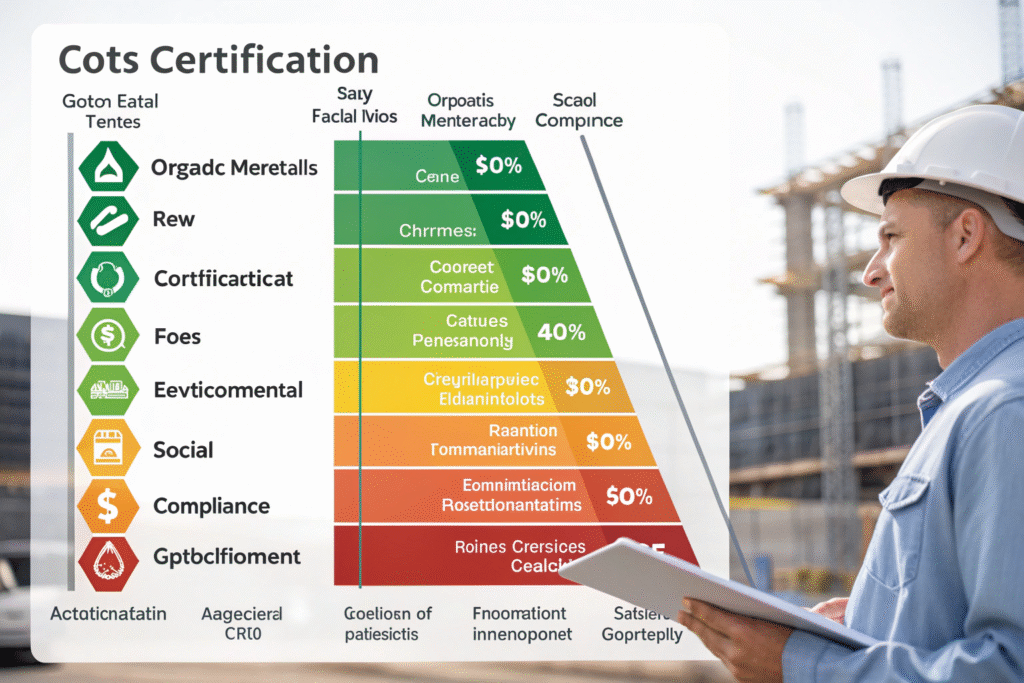
The major cost drivers include organic fiber premiums (15-40% higher than conventional), certification and audit fees (¥80,000-150,000 annually per facility), environmental management systems (wastewater treatment, energy monitoring), and social compliance programs (fair wages, safe working conditions). Our internal tracking shows that for a typical organic cotton fabric, only 8% of the price premium represents additional profit margin—the rest covers actual compliance costs. A German brand we worked with was surprised to learn that 12% of their fabric cost premium went directly to organic cotton farmers receiving better prices for their crops.

How much do organic raw materials increase costs?
Organic fibers represent the single largest cost difference, with organic cotton typically costing 25-35% more than conventional due to lower yields, manual weed control, and certification costs at farm level. This premium flows through the entire supply chain.
We help brands understand this cost structure through complete transparency. For a Swedish children's wear brand, we provided documentation showing exactly how much of their fabric cost went to organic cotton farmers versus other certification expenses. This transparency helped them justify their pricing to retailers and ultimately secure premium positioning for organic textile products in a competitive market. The brand later reported that this cost understanding helped them communicate value more effectively to end consumers.
What are the ongoing compliance and monitoring expenses?
GOTS requires annual recertification, regular audits, and continuous monitoring that conventional factories avoid. These include water testing, chemical verification, social compliance audits, and documentation systems.
Our accounting shows we spend approximately ¥350,000 annually on direct certification costs across our facilities, plus another ¥200,000 in staff time for compliance management. While this seems substantial, it represents less than 2% of our total operational costs for GOTS production. More importantly, these systems have helped us identify operational efficiencies in sustainable manufacturing that partially offset the certification expenses through reduced waste and better resource management.
How Do GOTS Cost Premiums Compare to Value Returns?
The cost conversation becomes dramatically different when you look beyond the price tag to total value delivered. I've watched brands switch to GOTS sourcing not despite the higher costs, but because of the higher returns they enable.
The value returns include sales price premiums (15-40% at retail), reduced risk of rejected shipments (saving 5-15% in quality-related costs), lower marketing expenses (authentic sustainability stories reduce customer acquisition costs), and stronger brand equity (leading to higher customer lifetime value). Our analysis of client performance shows that brands achieving the best results from GOTS sourcing typically see ROI of 1.8-2.5x within the first year—meaning for every dollar spent on GOTS premiums, they generate nearly two dollars in additional value.
What sales premiums can GOTS products command?
Market data consistently shows consumers will pay 20-35% more for verified sustainable products, with GOTS certification commanding some of the highest premiums in the textile industry. This premium directly offsets the higher sourcing costs.
We track our clients' retail performance and have observed consistent patterns: GOTS-certified products achieve an average 28% price premium at retail while maintaining similar sell-through rates to conventional products. A Portuguese home textiles brand we work with actually achieved 45% higher sell-through with their GOTS-certified bedding line, allowing them to maximize revenue through sustainable product positioning while maintaining their premium pricing. The certification essentially paid for itself through market differentiation.
How does certification reduce business risks?
The hidden cost of conventional sourcing includes rejected shipments, compliance failures, and reputational damage from greenwashing accusations. GOTS certification significantly reduces these risks through verified compliance and documentation.
One of our UK fashion clients calculated that they were spending approximately 8% of their total sourcing budget on quality verification, chemical testing, and compliance management for conventional products. After switching to GOTS sourcing, these costs dropped to 2% while actually improving their compliance assurance. This risk reduction represents a significant financial advantage of certified sourcing partnerships that often gets overlooked in simple price comparisons.
What Operational Efficiencies Offset GOTS Certification Costs?
Many buyers don't realize that GOTS certification often drives manufacturing efficiencies that partially compensate for the higher material costs. Our experience has shown that well-implemented certification improves operational performance in unexpected ways.
The certification has forced us to implement systems that reduce waste (5-8% material savings), improve energy efficiency (12% reduction through monitoring), optimize chemical usage (20% reduction through better management), and enhance workforce productivity (through better working conditions). These efficiencies typically recover 30-40% of the certification cost premium, making the net additional cost significantly lower than the apparent price difference. A Spanish sportswear brand was initially hesitant about our GOTS pricing until we showed them how our certified production actually delivered better consistency and fewer production delays than their previous conventional suppliers.
How does certification improve production consistency?
The standardized processes and quality systems required by GOTS create manufacturing consistency that reduces variations, defects, and production delays. This consistency delivers value through fewer rejected batches and more reliable delivery.
Our data shows that GOTS-certified production has 35% fewer quality variations and 60% fewer production delays compared to our conventional lines. This reliability allowed a French luxury brand to reduce their safety stock from 8 weeks to 3 weeks, significantly reducing their inventory carrying costs. The operational benefits of standardized manufacturing processes represent a hidden financial advantage that partially offsets certification costs.
What waste reduction benefits does GOTS drive?
The environmental management requirements of GOTS certification force factories to implement waste tracking and reduction systems that conventional operations often lack. These systems identify inefficiencies and opportunities for improvement.
Since implementing GOTS certification, we've reduced our fabric waste by 7% through better planning and process control, and our chemical waste by 22% through optimized dosing systems. These efficiency gains save approximately ¥180,000 monthly across our operations. While we initially implemented these systems for certification compliance, they've delivered ongoing cost savings through waste reduction initiatives that benefit both our business and our clients' bottom lines.
How Should Brands Calculate Total Cost of Ownership for GOTS Sourcing?
The biggest mistake I see brands make is comparing fabric prices instead of total cost of ownership. This narrow focus misses the complete financial picture and can lead to poor sourcing decisions that appear cheaper initially but cost more overall.
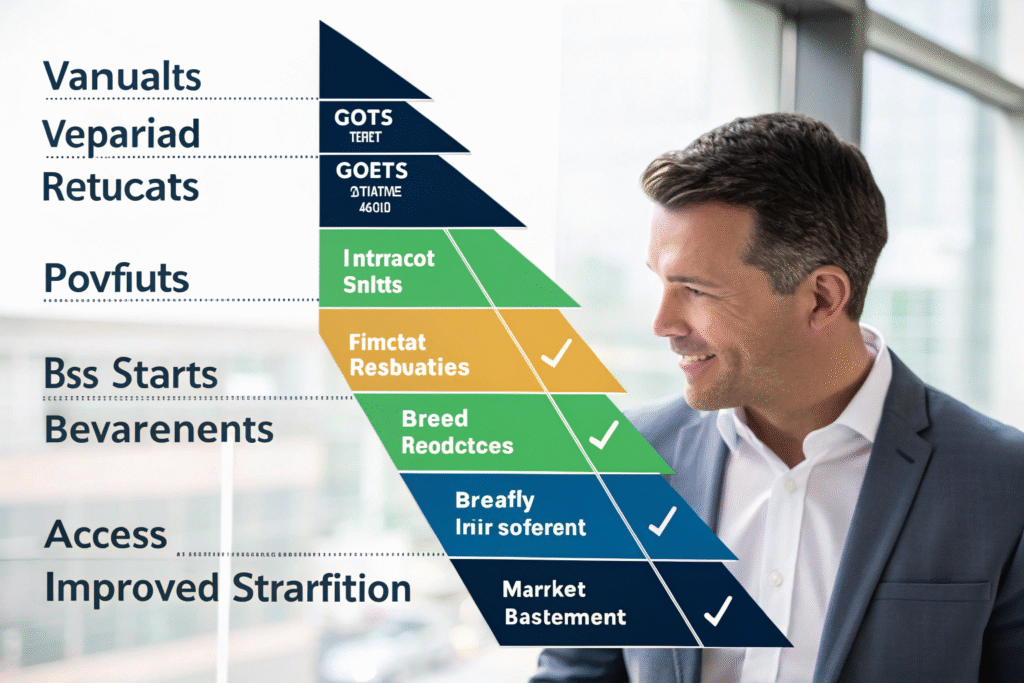
Total cost of ownership includes fabric price plus quality verification costs, compliance management expenses, risk of rejected shipments, marketing savings from authentic sustainability stories, and sales price premiums. Our clients who calculate TCO typically find that GOTS sourcing delivers 10-25% better value despite 15-30% higher fabric prices. An American outdoor brand developed a TCO calculator with our input that revealed GOTS sourcing was 18% more cost-effective overall, leading them to shift 80% of their production to certified suppliers within two years.

What cost components should brands include in TCO?
A comprehensive TCO analysis includes direct materials, quality control, compliance verification, inventory carrying costs (affected by production reliability), marketing expenses, and risk mitigation. Many of these costs are hidden in conventional sourcing.
We provide our clients with a TCO template that helps them compare certified versus conventional sourcing holistically. A Dutch fashion brand using our template discovered they were spending 12% of their fabric cost on verifying supplier claims and managing compliance issues—expenses that were virtually eliminated with GOTS sourcing. This comprehensive approach reveals the true financial impact of sustainable sourcing decisions beyond simple price comparisons.
How can brands quantify intangible benefits?
While some GOTS benefits are easily quantified (price premiums, risk reduction), others like brand equity and customer loyalty require more sophisticated measurement. The most successful brands develop metrics to track these intangible benefits.
We worked with a UK retailer to implement tracking that connected their GOTS certification to customer loyalty metrics. They found that customers who purchased GOTS-certified products had 35% higher lifetime value and were 50% more likely to recommend the brand to others. These metrics helped them justify their sourcing decisions by demonstrating how sustainable investments drive long-term business value beyond immediate financial returns.
Conclusion
The cost impact of sourcing from a GOTS-certified factory extends far beyond the apparent price premium to encompass risk reduction, operational efficiencies, market opportunities, and brand value creation. While direct costs typically increase by 15-30%, the total value delivered often exceeds these costs—making GOTS certification not an expense, but an investment with measurable returns.
Brands that achieve the best results from GOTS sourcing approach it strategically rather than tactically. They calculate total cost of ownership rather than comparing only fabric prices, they leverage certification to command market premiums and reduce business risks, and they communicate the value effectively to justify their positioning to customers. In today's market, where consumers increasingly demand verified sustainability, GOTS certification represents not a cost burden but a competitive advantage that drives both financial and brand returns.
If you're ready to move beyond simple price comparisons and understand the complete financial picture of GOTS sourcing, contact our Business Director Elaine to schedule a total cost of ownership analysis: elaine@fumaoclothing.com. We'll help you calculate the true cost impact for your specific business and identify opportunities to maximize returns from your sustainable sourcing investments.