Finding the right fabric supplier in China is crucial for your clothing brand's success. It impacts quality, cost, and the ability to meet market demand. Many buyers struggle with inconsistent quality, communication gaps, and logistical delays. This article provides a clear guide based on our extensive industry experience.
The best wholesale fabric supplier in China for 2025 is not just one name, but a partner who offers a perfect balance of consistent quality, reliable vertical integration, transparent communication, and ethical compliance, specifically aligned with your brand's product type and volume needs. Many brands focus only on price and regret it later when facing quality failures. We will break down the key selection criteria to help you make a confident decision.
Choosing a fabric supplier is a strategic decision. Let's explore the essential factors that separate a good supplier from a great partner, ensuring your 2025 collections are built on a solid foundation.
How to Evaluate Fabric Quality and Consistency from Chinese Suppliers?
Quality issues are the top pain point for international buyers. A supplier might send perfect samples, but bulk orders can have inconsistencies in color, weight, or hand feel. This variability leads to production delays and unhappy customers.
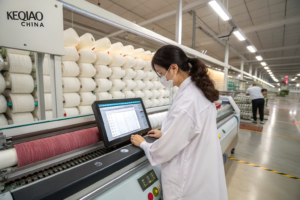
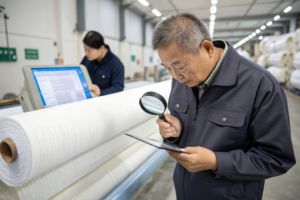
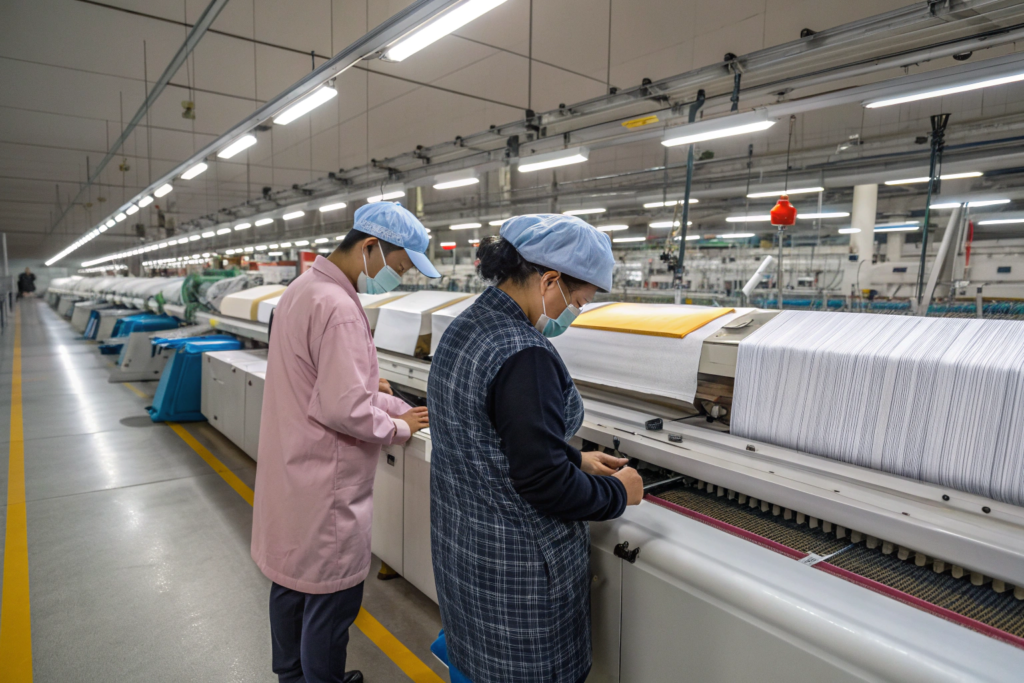
To evaluate fabric quality and consistency, you must move beyond sample checks and implement a multi-stage verification process that includes pre-production testing, in-process quality control (IPQC) during weaving/knitting, and final random inspection before shipment. Relying solely on supplier-provided certificates is risky. You need your own verification steps.
What are the must-ask for fabric testing reports?
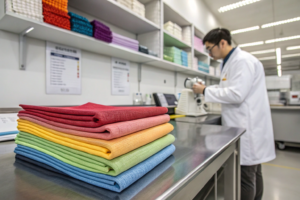
Never accept a fabric order without valid, third-party test reports. Key reports vary by fabric type. For cotton knits, ask for fiber composition and colorfastness tests to ensure it's truly 100% cotton and won't fade. For synthetics used in activewear, pilling resistance and moisture-wicking performance tests are critical. We once worked with a Denver-based brand that skipped pilling tests on a polyester blend. The first batch of hoodies pilled excessively after three washes, leading to massive returns. We helped them switch to a supplier whose fabrics passed Martindale pilling tests at over 20,000 rubs, solving the issue. Always request reports from internationally recognized labs like SGS or ITS. Verify the report's date and batch number against your shipment.
How can you ensure consistency across large orders?
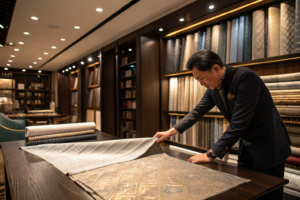
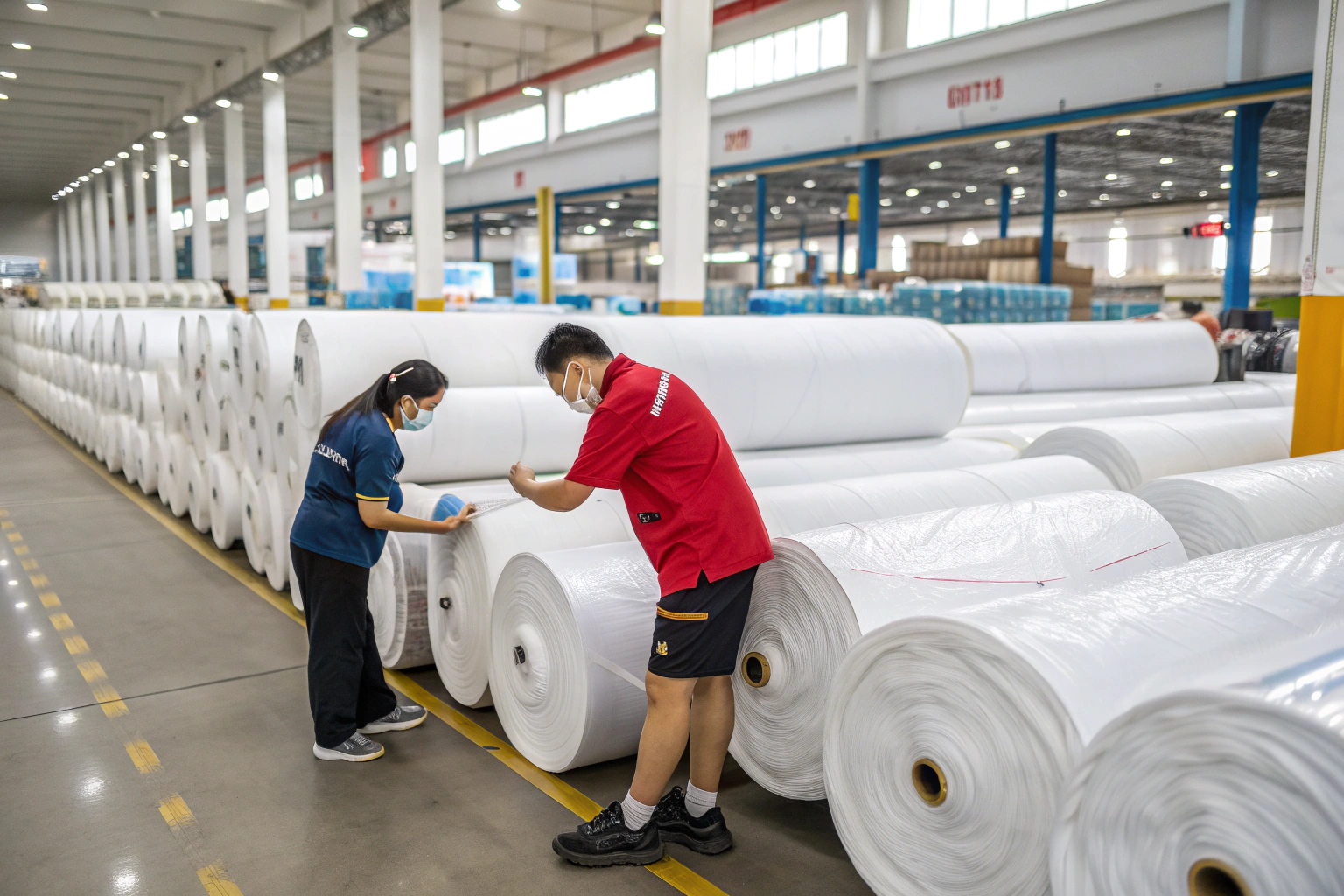
Consistency requires control over the source. The best suppliers own or have deeply integrated partnerships with spinning and dyeing mills. This vertical integration allows for control from yarn to finished fabric. Ask potential suppliers about their upstream partners. Visit if possible. For example, at Shanghai Fumao, we have long-term agreements with specific mills for our core fabrics. This allows us to lock in yarn sources and dyeing recipes. For a New York-based streetwear brand we partnered with last year, we provided the same greige fabric roll numbers across their four seasonal orders, ensuring the jersey fabric weight and shrinkage remained identical. Implement a Golden Sample system. Keep a sealed physical sample from the first approved batch. Compare bulk goods against this sample for hand feel, color under standard light (D65), and weight per square meter.
What are the Key Factors for Reliable Logistics and On-Time Delivery?
Delayed fabric shipments cripple production schedules, causing you to miss critical selling seasons. Reliability in logistics is as important as fabric quality. The supplier's location, export experience, and contingency planning are vital.
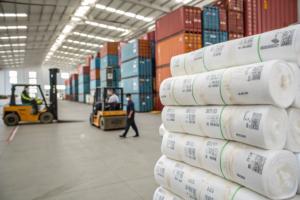
The key factors for reliable logistics include the supplier's proximity to major ports, their experience with Incoterms like DDP, and a proven track record of managing supply chain disruptions. Suppliers in coastal provinces like Zhejiang, Jiangsu, and Guangdong typically have more efficient export channels. Their familiarity with your destination country's customs clearance is a huge advantage.
Why is supplier location critical for lead times?
| Geography directly impacts cost and speed. A supplier in Shaoxing (a major textile hub) is only a 2-hour truck ride from the Port of Ningbo, one of the world's busiest ports. A supplier in an inland province adds 2-3 days of domestic freight, increasing risk and cost. For time-sensitive orders, this difference is crucial. We advise clients to prioritize suppliers in key textile clusters: | Cluster Region | Key Fabric Specialty | Proximity to Major Port |
|---|---|---|---|
| Zhejiang (Shaoxing/Keqiao) | Polyester, Blends, Innovative Fabrics | Port of Ningbo (~2 hours) | |
| Guangdong (Foshan/Zhongshan) | Knits, Denim, Functional Fabrics | Port of Shenzhen/Yantian (~1.5 hours) | |
| Jiangsu (Suzhou/Nantong) | High-count Cotton, Silk, Linen | Port of Shanghai (~3 hours) |
How do payment terms and Incoterms affect delivery reliability?
Your chosen Incoterm defines risk and control. We strongly recommend DDP (Delivered Duty Paid) for first-time collaborations or smaller brands. In a DDP agreement, the supplier handles all logistics, duties, and taxes to your warehouse door. This transfers the burden of complex international freight from you to them. For larger, established brands, FOB (Free On Board) might offer cost savings, but you must manage the shipping line and destination clearance. Always use secure payment methods. A common split is 30% deposit, 70% against copy of Bill of Lading. This protects both parties. Never pay 100% upfront. A reliable supplier will agree to staged payments linked to production milestones.
How to Communicate Effectively and Avoid Misunderstandings?
Inefficient communication is a major pain point. Time zone differences, language barriers, and vague specifications lead to costly errors. Clear communication protocols must be established from day one.
Effective communication requires establishing a single point of contact (SPOC), using visual aids for all specifications, and scheduling regular aligned update calls. The goal is to eliminate ambiguity. The sales representative you initially contact should remain your main liaison throughout the entire process, from development to delivery.

What tools ensure spec clarity beyond written descriptions?
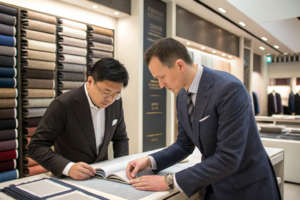
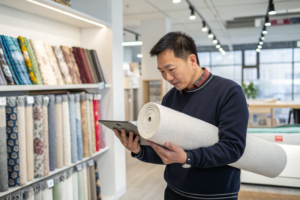
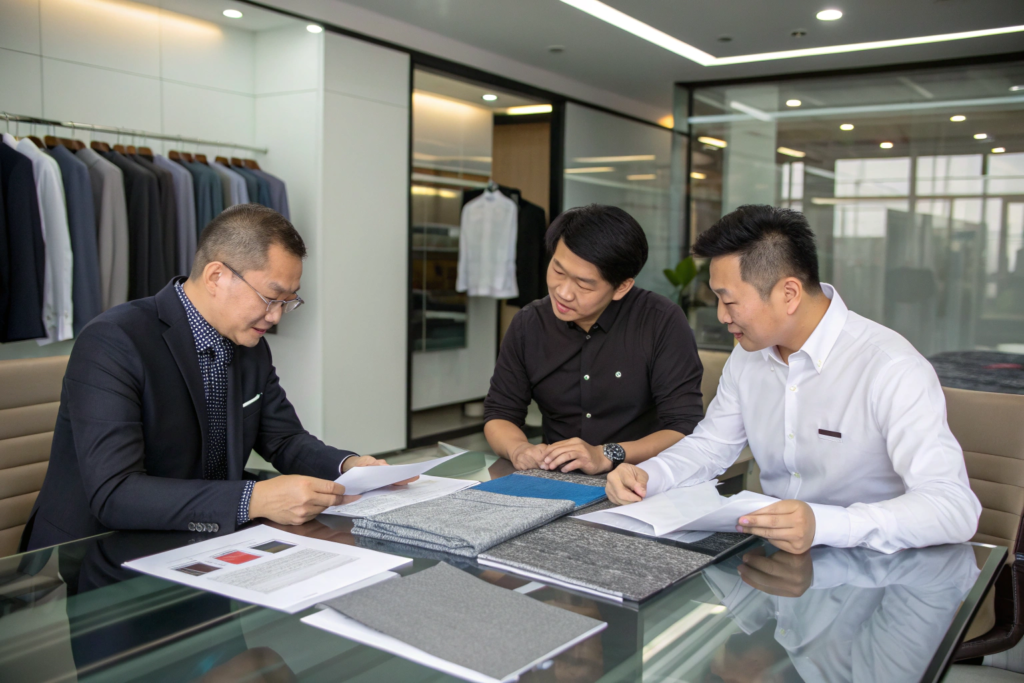
Words like "soft touch" or "rich red" are subjective. Always use physical reference samples and Pantone codes. Send your supplier a physical fabric swatch of the exact hand feel and color you want. For colors, provide the Pantone TPX number for textiles under the correct lighting. Digital photos are misleading. We implemented a "Digital Spec Pack" system for a Chicago-based client. It includes high-resolution photos of the fabric, close-up shots of the weave/knit structure, a video showing the fabric's drape, and scanned copies of all test reports. This pack is stored in a shared cloud folder (like Google Drive) and updated with each revision. This system reduced their development misunderstandings by over 70%.
How to set up a productive routine for updates?
Agree on a communication schedule upfront. For example, every Tuesday and Friday, your SPOC sends a brief email update with bullet points on order status, any issues, and next steps. Schedule a weekly 30-minute video call at a time that works for both time zones. During these calls, use screen sharing to review lab dip approvals or strike-off samples. This routine builds trust and prevents small issues from becoming big problems. A proactive supplier, like Shanghai Fumao, will often initiate these updates without being asked, providing peace of mind.
What Certifications and Ethical Practices Should You Verify?
Today's consumers and retailers demand ethical and sustainable practices. Sourcing from a supplier with poor environmental or labor standards poses a significant reputational risk to your brand. Certifications are your proof of compliance.
You must verify the supplier's business licenses, social compliance audits (like BSCI or SMETA), and material-specific certifications (like GOTS for organic cotton or OEKO-TEX for safety). These documents should be recent and from reputable auditing bodies.

Why are social compliance audits non-negotiable?
Audits like BSCI (Business Social Compliance Initiative) ensure the factory meets minimum standards for working hours, wages, safety, and prohibits child or forced labor. Many large retailers and brands require this for their suppliers. Request a full audit report, not just a certificate. Check the validity date and the grade achieved. We recall an instance where a potential client asked us to verify a supplier's BSCI report. We found the report number was valid, but the factory name and address didn't exactly match the trading company selling the fabric. This was a major red flag for supply chain transparency.
How to authenticate material sustainability claims?
Claims of "organic" or "recycled" must be backed by chain-of-custody certificates. For GOTS (Global Organic Textile Standard) certified organic cotton, the supplier must provide a transaction certificate (TC) that tracks the organic material from the farm to the final fabric. Similarly, GRS (Global Recycled Standard) certification verifies recycled content. Always ask for these TCs specific to your order. Last year, we helped a sustainable sportswear brand source GRS-certified recycled polyester. We provided them with the mill's GRS certificate and the specific TC for the fabric batch used in their order, which they then used in their own marketing, enhancing their brand credibility.
Conclusion
Choosing the best wholesale fabric supplier in China for 2025 is a detailed process that goes far beyond comparing price lists. It demands a focus on verifiable quality systems, logistical expertise, crystal-clear communication, and genuine ethical compliance. The ideal partner acts as an extension of your team, providing not just materials but also reliability and peace of mind. By implementing the evaluation steps outlined—from demanding relevant test reports and understanding key textile clusters to establishing robust communication routines and verifying certifications—you can build a resilient and successful supply chain. This strategic approach protects your brand's reputation, ensures product consistency, and keeps your collections on schedule.
If you are looking for a manufacturing partner that understands this holistic approach and can guide you through the complexities of fabric sourcing and garment production, we invite you to start a conversation with us. Let Shanghai Fumao be your trusted partner on the ground in China. We manage the entire process from fabric procurement to finished garment delivery, ensuring quality, ethics, and timeliness at every step. For a detailed discussion on how we can support your brand's specific needs, please reach out to our Business Director, Elaine. She can provide tailored solutions for your 2025 lines. Contact Elaine at: elaine@fumaoclothing.com.