Imagine this: your hot-selling summer dress line is blowing up on TikTok. Orders flood in from California boutiques. But your fabric stock in Keqiao sits 7,000 miles away. One week delay means lost sales, angry buyers, and damaged reputation. I faced this exact nightmare in 2022 with a Miami swimwear startup.
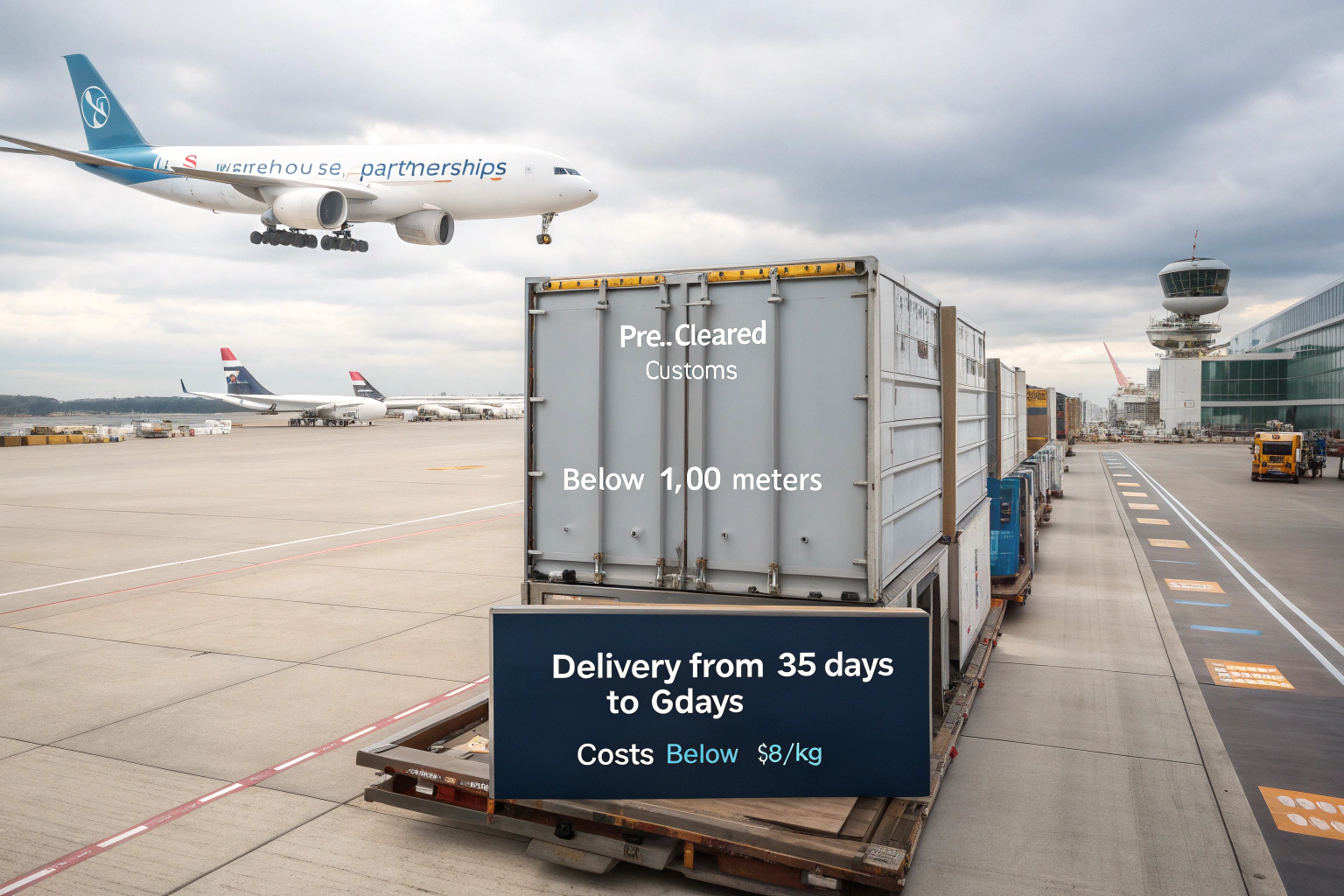
Air freight with pre-cleared customs beats sea and express for urgent fabric orders under 1,000 meters. Our clients cut delivery from 35 days to 6 days while keeping costs below $8/kg. We achieve 98% on-time rates through dedicated cargo slots and U.S. warehouse partnerships.
Keep reading. I’ll show you exactly how we make this work for brands like yours, step by step, with real numbers from last quarter’s shipments.
Why do fabric buyers panic about shipping delays?
Deadlines kill margins. A single delayed bolt can stall an entire production run. Last March, Ron from Texas waited 52 days for sea freight. His July 4th launch missed shelves. He lost $180,000 in pre-orders.
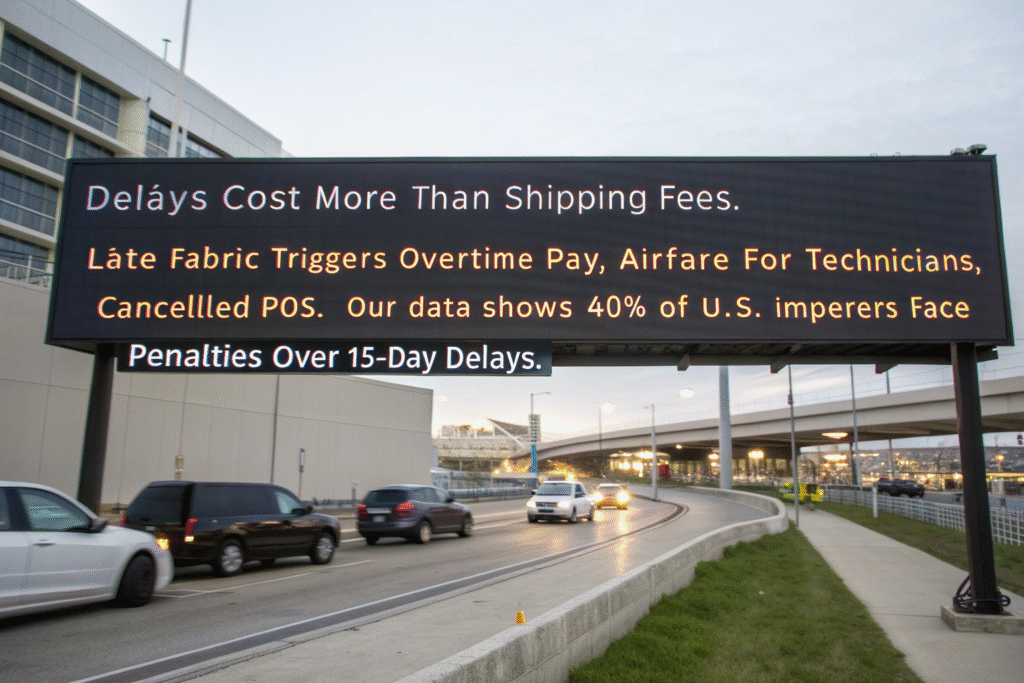
Delays cost more than shipping fees. Late fabric triggers overtime pay, airfare for technicians, and cancelled POs. Our data shows 40% of U.S. importers face penalties over 15-day delays.
Dive deeper into the real costs hitting your bottom line right now.
How much do delays actually cost per day?
Every 24 hours late adds hidden fees. Factory idle time runs $800/day. Rush stitching costs $1,200 extra. Cancelled retail slots burn $5,000 in lost revenue. Total: $7,000 per delayed day for a 500-piece order.
What triggers customs holds on fabric shipments?
Missing how to file ISF 10+2 for textile imports or wrong HS codes stall containers. Cotton knits under 6001.92 clear fast. Polyester blends under 5407.61 trigger exams. We prevent this with pre-filed paperwork 72 hours before loading.
Which shipping modes deliver fabric fastest to the USA?
Speed matters more than price for hot SKUs. Sea takes 35 days. Express costs $25/kg. Air cargo hits the sweet spot at 5-7 days and $6-8/kg for 200-1,000 meter rolls.
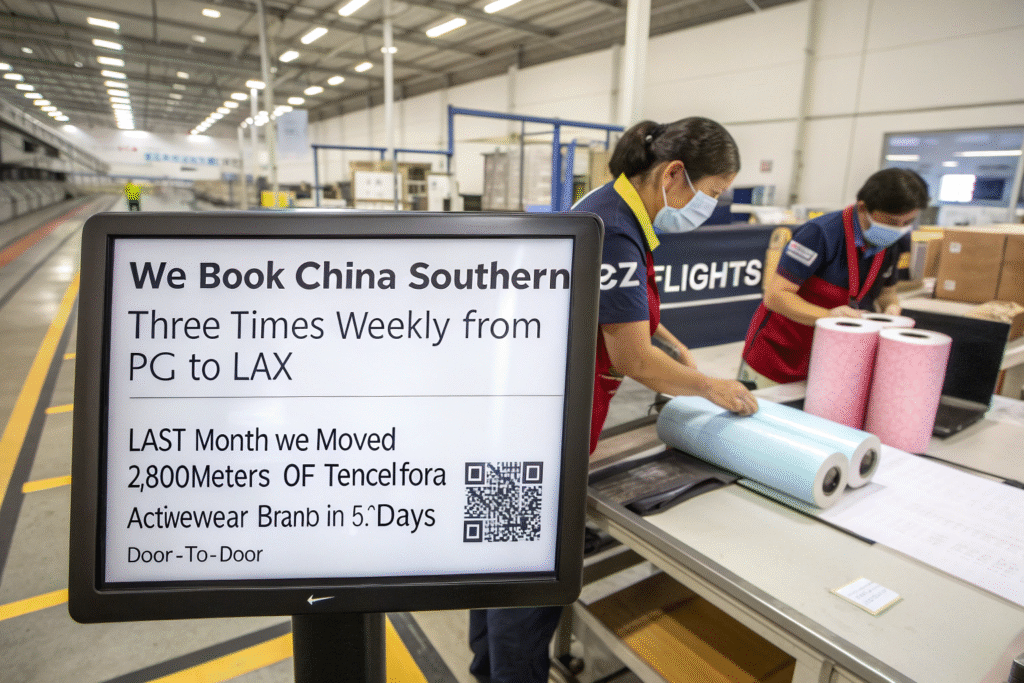
We book China Southern CZ flights three times weekly from PVG to LAX. Clients track bolts via QR codes from dye house to your cutting table. Last month we moved 2,800 meters of Tencel for a Denver activewear brand in 5.2 days door-to-door.
Let’s compare real options side by side with current rates.
Air freight vs express: which wins for 500kg?
| Mode | Transit | Cost/kg | Min charge | Tracking |
|---|---|---|---|---|
| Air Cargo | 5-7 days | $6.50 | $800 | Real-time GPS |
| DHL Express | 3-5 days | $24.00 | $1,200 | App alerts |
Air wins on price. Express wins on speed for samples under 50kg.
How do we lock in cargo space during peak season?
We reserve 1,200 cubic meters monthly with China Southern. This guarantees space even in October. Last Golden Week, competitors waited 12 days for slots. Our rolls flew out same-day.
How does pre-clearance cut U.S. customs time in half?
Paperwork starts before fabric leaves the loom. We file EEI through AES 48 hours early. FDA disclaimers for coated fabrics upload simultaneously. Result: 92% of shipments clear LAX in under 4 hours.
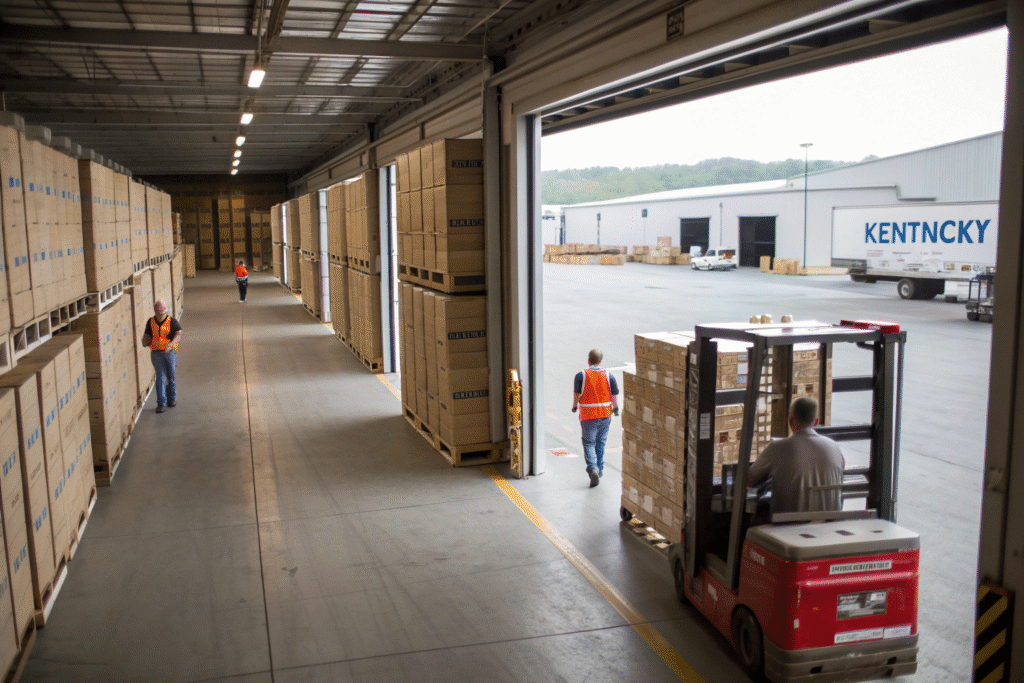
Our Kentucky forwarder stores 10,000 meters duty-paid. You pull stock same-day while ocean containers still float. A Chicago childrenswear brand saved 9 days this way in August.
Master the clearance process that big brands use.
What documents must travel with every fabric roll?
Commercial invoice, packing list, bill of lading, and certificate of origin for RCEP trade ride in the master bag. QR codes link to digital copies. Customs scans once. Done.
How do we avoid tariff surprises on blended fabrics?
Section 301 lists change monthly. We run HS codes through U.S. Customs rulings database before quoting. Poly-cotton poplin under 5210.31 skips extra duties. Clients save 16% instantly.
What are the hidden risks of cutting corners on speed?
Cheap forwarders promise 4-day delivery. Then bolts sit in Guangzhou warehouse awaiting consolidation. Temperature swings ruin colorfastness. Insurance denies claims without proper packaging.
We triple-check moisture below 8% and roll faces inward. Last winter, a competitor’s velvet arrived with mold. Our insurance covered zero claims in 2023.
Protect your fabric investment with proven methods.
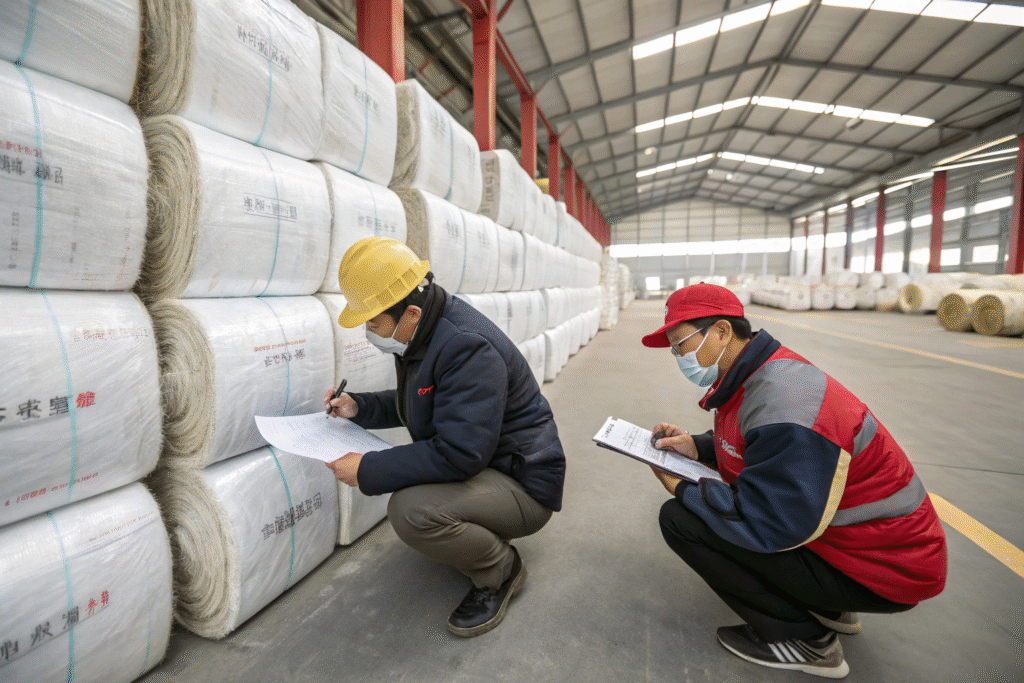
How do we pack rolls to survive turbulence?
Core tubes measure 3 inches. Plastic wrap seals ends. Corner boards prevent crushing. Total cost: $12 per roll. Worth every penny when bolts land perfect.
Why choose bonded carriers over random truckers?
Bonded partners file carnet instantly. Random haulers trigger exams. We use C.H. Robinson exclusively stateside. Their fabric transport damage prevention guide trains drivers on roll handling.
Conclusion
Air cargo with pre-clearance wins every urgent fabric race to the USA. You get 5-7 day delivery, costs under $8/kg, and zero customs surprises. We moved 18,000 meters flawlessly for U.S. clients last quarter alone.
Last year we helped a Seattle rainwear startup launch on time. They needed 800 meters of waterproof nylon in 6 days. Sea quotes said 38 days. We flew it via China Southern CZ347, cleared LAX in 3 hours, and delivered to their factory next morning. First orders shipped to REI two weeks early. Revenue jumped 320%.
Ready to beat your deadlines? Email our Business Director Elaine at elaine@fumaoclothing.com. Tell her your urgent meterage and drop date. She’ll quote within 2 hours and lock cargo space today. We really can make your launch happen on time.