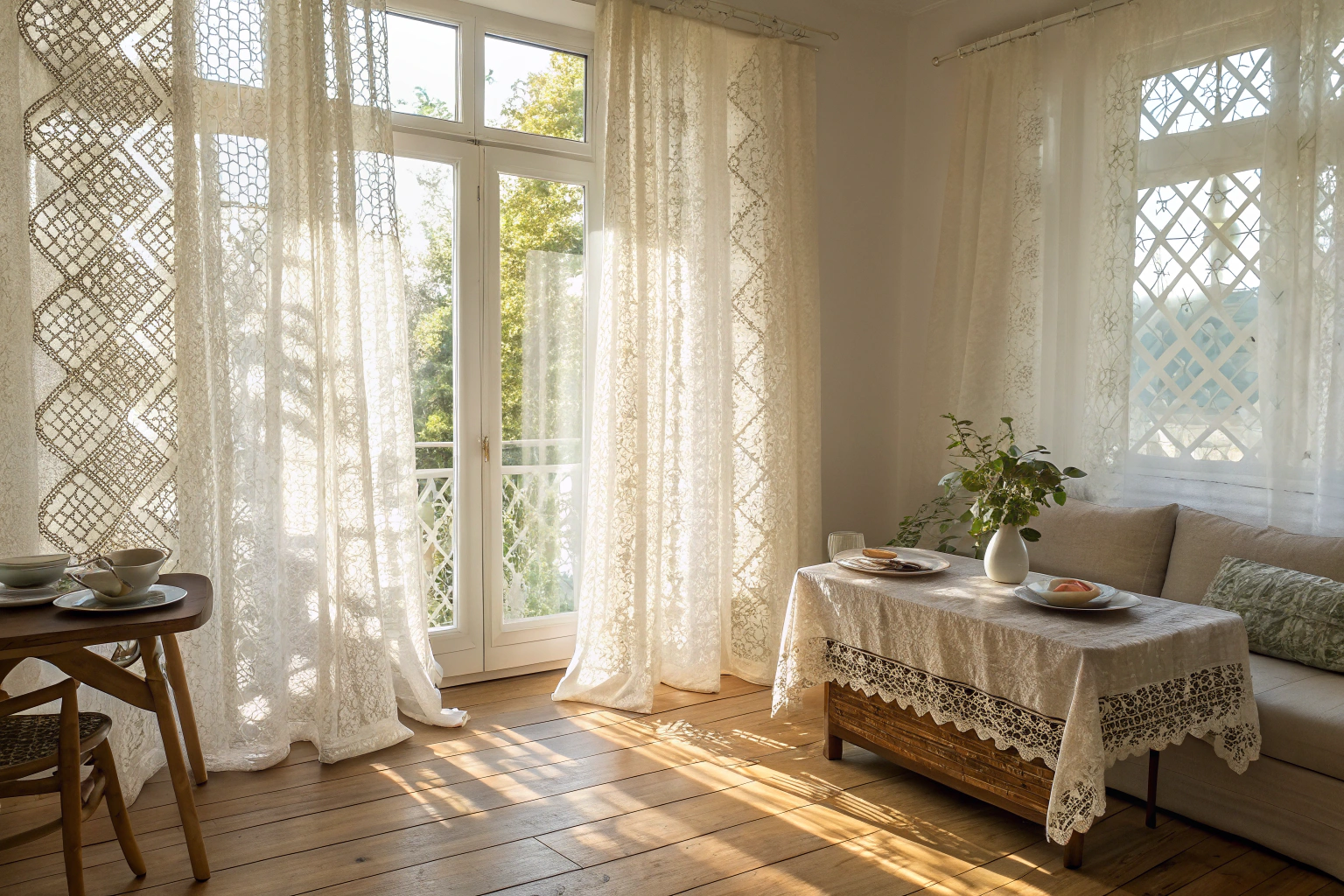
You walk into a sunlit room where light filters through delicate lace curtains, casting intricate shadows on a vintage oak table draped with a lace tablecloth. The atmosphere is instantly transformed—softer, more romantic, timeless. But is lace in home décor just a nostalgic relic, or does it have a powerful, modern application? For interior designers, hospitality buyers, and home textile brands, understanding how to deploy lace beyond fashion is a key to creating layered, textured spaces that tell a story. The application of lace in home textiles like curtains and tablecloths is a masterclass in balancing function, aesthetic mood, and material innovation.
Far from being fragile or old-fashioned, today's lace for home use is engineered for durability, easy care, and dramatic visual impact. It serves multiple roles: as a light diffuser and privacy screen in windows, as a textural focal point on tables, and as an accent fabric for lampshades, pillow covers, and bed canopies. The secret lies in selecting the right lace weight, fiber, pattern scale, and construction for each specific application. A heavy guipure lace makes a bold statement as a table runner, while a lightweight, continuous-pattern cotton lace is ideal for flowing curtain panels. This isn't about draping doilies; it's about using structured textile art to define a space.
Let’s explore how to specify and source lace that elevates home textiles from simple furnishings to design centerpieces.
How is Lace Used in Modern Curtains and Window Treatments?
Gone are the days when lace curtains only belonged in a grandmother’s cottage. Today, they are a sophisticated design tool for controlling light, creating privacy, and adding architectural detail. The application shifts dramatically based on the lace's opacity, pattern, and hanging style.
The primary function of lace curtains is light modulation. They soften harsh sunlight, eliminate glare, and create a beautiful, patterned luminosity in a room—what designers call "living light." For privacy, they act as a one-way visual screen, allowing outward views while obscuring the interior from outside during the day. Modern applications include:
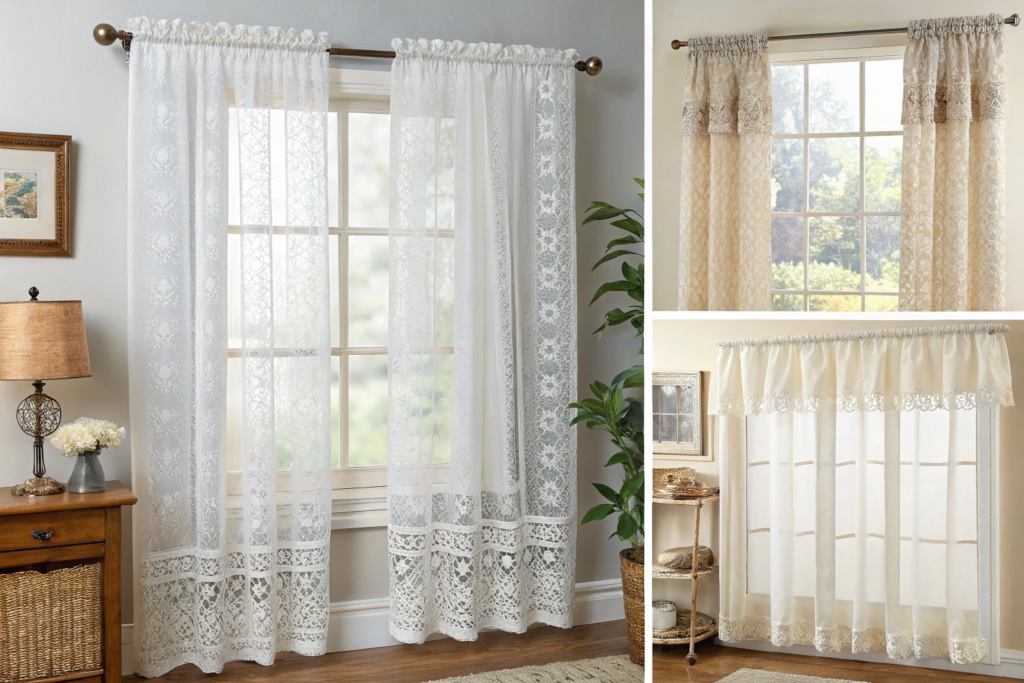
- Sheer Overlays: A lace panel hung over a plain, heavier curtain or blind. This adds texture and detail to a simple roller shade or solid drape.
- Café Curtains: Lace panels covering only the lower half of a window, perfect for kitchens and bathrooms, providing privacy while allowing light in from the top.
- Full-Length Panels: For a romantic, breezy look in living rooms or bedrooms. Often used in layers.
- Valances and Cornices: Lace used as a decorative heading to conceal curtain rods and add a soft finish to the top of a window.
What Are the Key Specifications for Lace Curtains?
Choosing the wrong lace can lead to a limp, ineffective, or overly fussy curtain. Here are the critical specs:
- Weight and Drape: Curtain lace needs body. It must hang gracefully without being too stiff. A medium-weight cotton or polyester blend lace is often ideal. Very lightweight laces (like some silk laces) may not have enough structure for a full panel.
- Pattern Scale and Repeat: The pattern must be appropriate for the window size. A large-scale, bold pattern (e.g., a large damask or art deco motif) makes a dramatic statement in a grand room. A small, all-over pattern (like a classic cluny lace) works well for smaller windows and creates a more uniform, textured look.
- Width and Seamlessness: For wide windows, you want lace that comes in extra-wide widths (often 3 meters or more) to avoid unsightly vertical seams. Continuous-pattern lace (where the pattern has no distinct top/bottom) is crucial for curtains, as they are viewed from both sides.
- Light Fastness and Durability: This is non-negotiable. Lace for curtains will be in constant, direct sunlight. It must have excellent UV resistance to prevent fading and fiber degradation within a season. Solution-dyed polyester laces are champions here. Always ask for lightfastness test reports (AATCC 16 standard).
We supplied a light-fast, extra-wide polyester guipure lace to a boutique hotel chain in Portugal for their coastal properties. The lace had a wave-like pattern, echoing the ocean, and after two years of intense sun, showed no noticeable fading, thanks to the solution-dyed yarns. Their guests consistently compliment the "beautiful light." For technical guidance, the Window Coverings Association of America's guidelines on fabric properties offer a solid foundation.
What About Functional Treatments like Blackout or Thermal Lining?
Pure lace is rarely insulating. For functional window treatments, lace is combined with other materials:
- Lined Curtains: A lace panel is sewn to a separate lining fabric (blackout, thermal, or simple cotton). This creates a dual-layer curtain—opaque and functional when closed, textured and beautiful when open.
- Laminated Lace: A more advanced technique where a lace is directly laminated to a backing fabric. This creates a single, unified fabric with the look of lace and the function of the backing (e.g., blackout). We've developed this for high-end home cinema installations where ambiance is key but light must be completely controlled.
How is Lace Applied in Table Linens and Tablecloths?
On the table, lace transitions from a filter of light to a tactile, textural experience. It defines the dining aesthetic, from casual brunch to formal wedding reception. The application is all about weight, texture, and pattern placement.
Lace tablecloths and runners serve both decorative and practical purposes. They protect table surfaces while adding immense visual interest. The lace's structure can help anchor table settings and prevent slippage. Key applications include:
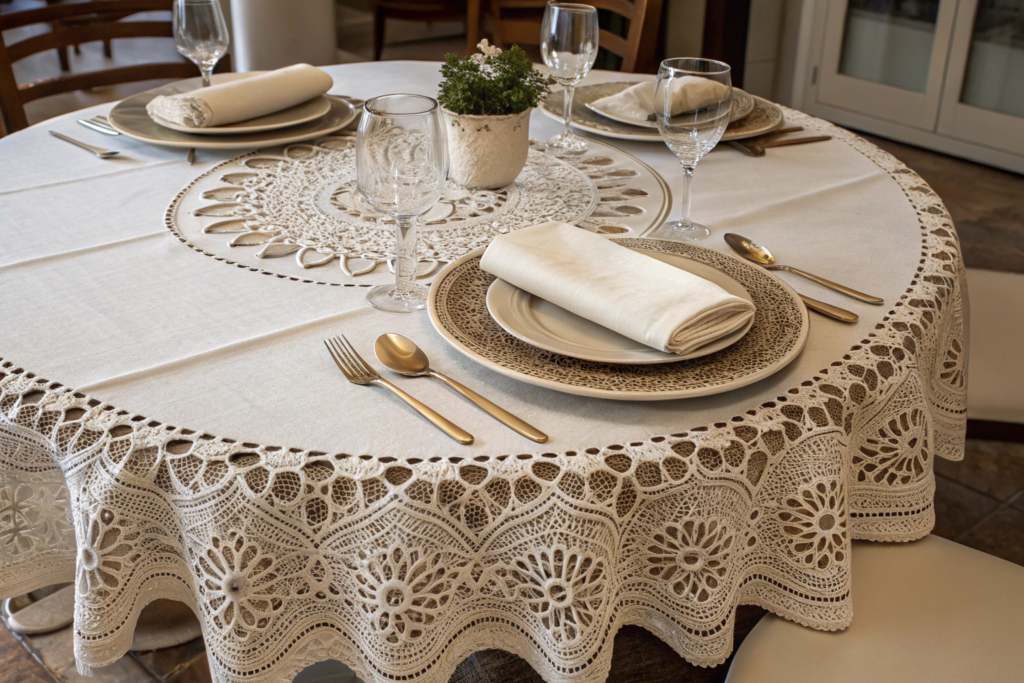
- Statement Tablecloths: A full lace cloth, often in a round or rectangular shape, becomes the foundation of the tablescape.
- Runners and Overlays: A lace runner laid over a solid-colored tablecloth (like linen or cotton) adds a layer of texture and refinement. This is a very popular, cost-effective way to incorporate lace.
- Placemats and Coasters: Smaller, shaped lace pieces for individual settings.
- Chair Covers and Sashes: Used in event décor to unify the look of banquet chairs.
What Makes a Lace Suitable for Table Use?
Durability and cleanability are paramount. A tablecloth must withstand spills, frequent washing, and friction from plates and cutlery.
- Fabric Weight and Stiffness: Tablecloth lace needs substantial body and stability. It should lie flat without excessive wrinkling and not be so flimsy that it shifts easily. Heavy cotton guipure, polyester guipure, or dense embroidered laces are perfect. They have a sculptural quality.
- Pattern and Border Design: For tablecloths, border patterns are highly desirable. A beautiful, intricate border frames the table edge, while a simpler or open field covers the center. Symmetrical, radial patterns work beautifully on round tables.
- Stain Resistance and Washability: Spills are inevitable. Lace for table use should ideally have a stain-resistant finish (fluorocarbon-free types are now available). It must be machine washable without losing shape or becoming misshapen. Polyester and cotton-polyester blends excel here. Always request a care label specification from your supplier.
- Color Fastness: It must withstand washing with common detergents without bleeding colors. This is especially important for dyed laces (e.g., black, navy).
A memorable project involved creating a custom double-border damask lace tablecloth for a historic restaurant renovation in Boston. The lace was a heavy, 100% polyester construction (for durability and easy bleaching), with a custom border pattern incorporating motifs from the restaurant's original architecture. The client needed it to withstand daily commercial laundering. Our fabric passed their rigorous 50-wash cycle test without pilling or significant abrasion. For inspiration on table linen design, sites like Table Matters showcase how top designers use texture and layers.
How is Lace Used in Other Home Textile Applications?
Lace's versatility extends throughout the home:
- Bed Linens: Lace inserts on duvet covers, pillow shams, or as delicate trim on sheet hems. For bed skirts (valances), a heavier lace can add a finished look.
- Pillows and Cushions: Lace can be used as an overlay on a solid pillow, or as inserts within a segmented cushion design.
- Lampshades: Lace stretched over a lampshade frame creates beautiful, patterned light when the lamp is lit—a direct translation of its curtain function to a smaller scale.
- Room Dividers & Screens: Large panels of stiffened or backed lace can be used as decorative, semi-transparent room dividers.
How to Source and Specify Lace for Home Textile Projects?
Sourcing lace for home furnishings is different from apparel. The quantities, performance requirements, and design cycles demand a specialized approach and a supplier who understands the "interior" mindset.
Step 1: Define the Technical Requirement First.
Before looking at patterns, list your non-negotiable specs:
- End Use: Curtain (specify lined/unlined, full/café), Tablecloth (round/rectangular, overlay/runner), etc.
- Required Width: For curtains, this is critical. Standard fabric widths (150cm) are often useless. You need wide-width lace, typically 280cm, 300cm, or even 320cm.
- Weight (GSM): Curtains: 80-150 GSM; Tablecloths: 150-300+ GSM.
- Performance: Lightfastness rating (e.g., 5+ on the Blue Wool Scale), washability (number of cycles at what temperature), shrinkage maximum (e.g., <3%).
- Fire Retardancy: This is a major requirement for contract/hospitality use (hotels, restaurants). Lace must meet specific national flame resistance standards (e.g., BS 5867 for UK, NFPA 701 for US). This often requires a proprietary finishing treatment.
Step 2: Source from Specialized Suppliers.
Not all lace mills or traders focus on the home sector. Look for suppliers with:
- A dedicated home textile collection.
- Stock of wide-width fabrics.
- Ability to provide performance test reports.
- Experience with contract/hospitality projects.
At Shanghai Fumao, we have a separate division for home textiles because the supply chain—from wider looms to specific finishers—is distinct. We work with mills that have extra-wide embroidery and raschel machines and partners who specialize in FR (flame retardant) and soil-release finishes.
Step 3: Order Rigorous Pre-Production Samples.
Never skip these tests:
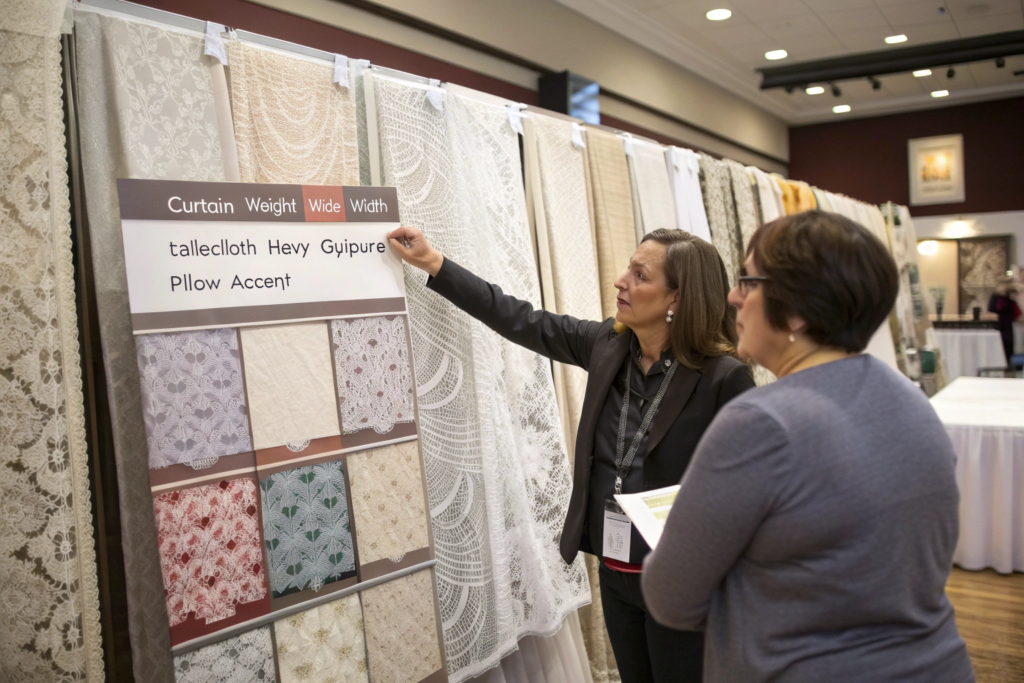
- A "Box" Sample: A large enough swatch (at least 50x50cm) to truly assess drape and pattern scale.
- A "Performance" Sample:**** Have the supplier send a sample that has already undergone the promised finishing (e.g., FR treatment). Then, conduct or commission your own tests:
- Lightfastness Test: Expose part of the sample to strong sunlight for a period and compare.
- Wash Test: Machine wash and dry the sample 5 times. Check for shrinkage, color change, and texture alteration.
- Stain Test: Apply common stains (red wine, oil) and attempt cleaning per care instructions.
What Are the Common Pitfalls in Sourcing Home Décor Lace?
- Underestimating Width Needs: Leading to multiple seams that ruin the aesthetic.
- Ignoring Lightfastness: Resulting in faded, degraded curtains within a year.
- Choosing Apparel-Weight Lace: Which lacks the body for tablecloths and hangs poorly as curtains.
- Overlooking FR Requirements for Commercial Use: This can lead to failed safety inspections and liability.
- Not Planning for Repeat Matching: For large tablecloths or wide curtains, the pattern repeat must be considered for cutting layouts to avoid wasteful seams or mismatched motifs.
A resource for contract textile standards is the IACSC (International Association of Conference Center Studies) guidelines, which often reference fabric durability and safety specs.
Conclusion
The application of lace in home textiles is a powerful design strategy that blends poetic aesthetics with hard-nosed practicality. In curtains, it is the artist of light, softening and patterning sunlight while offering graceful privacy. On tables, it is the sculptor of texture, adding depth, romance, and a sense of occasion to any dining experience. The key to success is a precise, application-driven specification: demanding the right weight, width, durability, and finish for the job.
This requires moving beyond a fashion-centric view of lace and partnering with suppliers who specialize in the unique demands of the home and contract textile markets. By focusing on performance attributes like lightfastness, washability, and width, you can harness the timeless beauty of lace to create interiors that are both evocative and enduringly functional.
At Shanghai Fumao, our expertise spans from the most delicate apparel laces to the robust, wide-width constructions made for grand windows and banquet tables. We provide the technical data, performance assurances, and design collaboration necessary to translate your vision into a lasting home textile product. Ready to explore how lace can transform your next interior collection or project? Contact our Business Director, Elaine, to connect with our home textiles specialists. Reach her at: elaine@fumaoclothing.com.