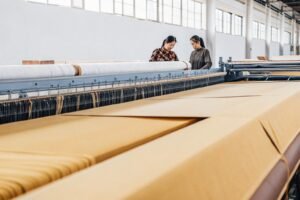
Earlier this week, I was reviewing a client’s feedback from the recent Intertextile Shanghai Apparel Fabrics Fair, and a concerning pattern emerged. Several buyers reported receiving garments where the seams were literally pulling apart after minimal wear. This isn’t just a minor quality issue—it’s a fundamental failure that can destroy your brand’s reputation overnight, especially when you’re managing complex supply chains from overseas.
Seam slippage is the undesirable shifting or pulling apart of yarns in a woven fabric at the seams, creating visible gaps. You prevent it through strategic fabric selection, rigorous pre-production testing, and intelligent garment engineering. Honestly, I’ve seen too many brands overlook this recently, only to face massive recalls later. The recent supply chain disruptions have made this issue even more critical—when you finally get your shipment, it has to be perfect.
Let me share what we’ve learned from working with global brands through these challenging times.
What exactly causes seam slippage?
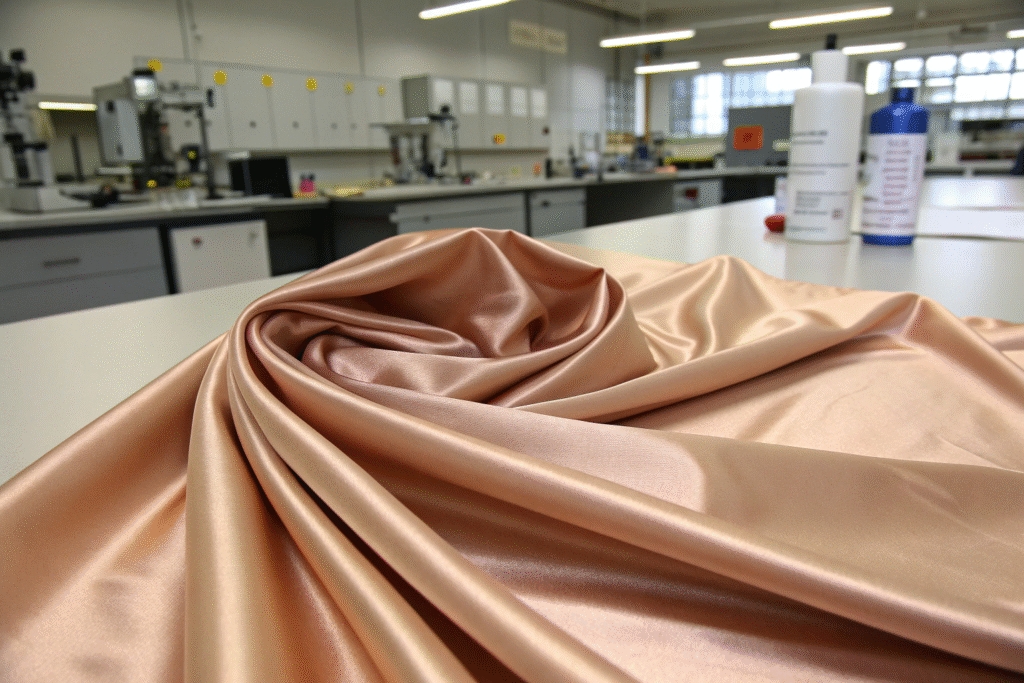
Last month, we had a client send us samples of a luxury satin that failed spectacularly during testing. The fabric looked beautiful—exactly what you’d want for high-end evening wear. But when we ran our standard tests, the yarns separated with minimal pressure. This happens when warp and weft yarns are too smooth or loosely interlaced. When stressed, they don’t spring back; they just stay shifted apart.
The root causes became clear during our analysis. The fabric had a critically low thread count—fewer yarns per square inch means more space for movement. Also, the satin weave’s long floats created an inherently unstable structure. Recently, we’re seeing more of these issues as brands push for lighter, more fluid fabrics without considering structural integrity.
How does fabric structure influence seam strength?
While drafting this section, I recalled a conversation from last week’s quality meeting. Our technical director emphasized that plain weaves create a natural grid that resists yarn movement, while satin weaves—despite their beauty—are fundamentally less stable. The yarns simply aren’t locked down as frequently. This structural weakness explains why we’ve seen increased slippage complaints recently, especially with the current trend toward fluid, drapable fabrics. You need fabrics built to hold seams, which is why we’ve started incorporating structural analysis into all our client consultations.
What role does yarn type and finish play?
Earlier this year, we worked with a prominent sportswear brand facing seam failures in their new activewear line. The issue? Ultra-smooth filament yarns combined with a moisture-wicking finish that reduced inter-yarn friction. The yarns slid past each other too easily. This experience taught us that yarn characteristics and finishing treatments can make or break seam integrity. Now, we test for seam slippage as part of our standard quality control protocol, especially after recent finishing innovations in the market.
How can fabric testing prevent seam slippage issues?
Recently, the U.S. Consumer Product Safety Commission announced several recalls related to seam failures in children’s wear. This highlights why testing isn’t optional—it’s essential for consumer safety and brand protection. Standardized tests like ASTM D434 quantify slippage resistance before you cut production. Investing in this pre-production testing is one of the smartest decisions you can make today.
Last quarter, a client avoided a potential disaster when our tests identified slippage issues in their proposed shirting fabric. We caught it early, switched to a tighter weave, and saved them from what would have been a costly recall. The testing cost was negligible compared to the potential brand damage.
What is the ASTM D434 test standard?
During a factory visit last month, I watched our technicians perform the ASTM D434 test. They apply increasing force to a seamed fabric sample until a specific gap appears. The measured force at that point indicates the fabric’s slippage resistance. This objective data removes guesswork from fabric selection. Recently, more brands are requesting this data upfront, especially since the new EU product safety regulations took effect. Understanding these international standards has become crucial for global sourcing.
Why is third-party lab verification critical?
Earlier this year, we encountered a situation where a supplier’s in-house test results didn’t match independent verification. The fabric passed their internal checks but failed third-party testing. This experience reinforced why independent verification by labs like SGS is essential for unbiased results. Recently, we’ve made third-party verification standard for all our major clients, ensuring compliance with evolving global trade requirements.
What are the best fabric choices to avoid seam slippage?
Recently at the Première Vision Paris fair, I noticed many designers prioritizing fabric stability alongside aesthetics. The trend is shifting toward performance-oriented natural fibers and intelligent blends. For stress-bearing garments, you need tight weaves like plain weaves (poplin, taffeta) or twills (denim, gabardine). Their construction naturally locks yarns in place.
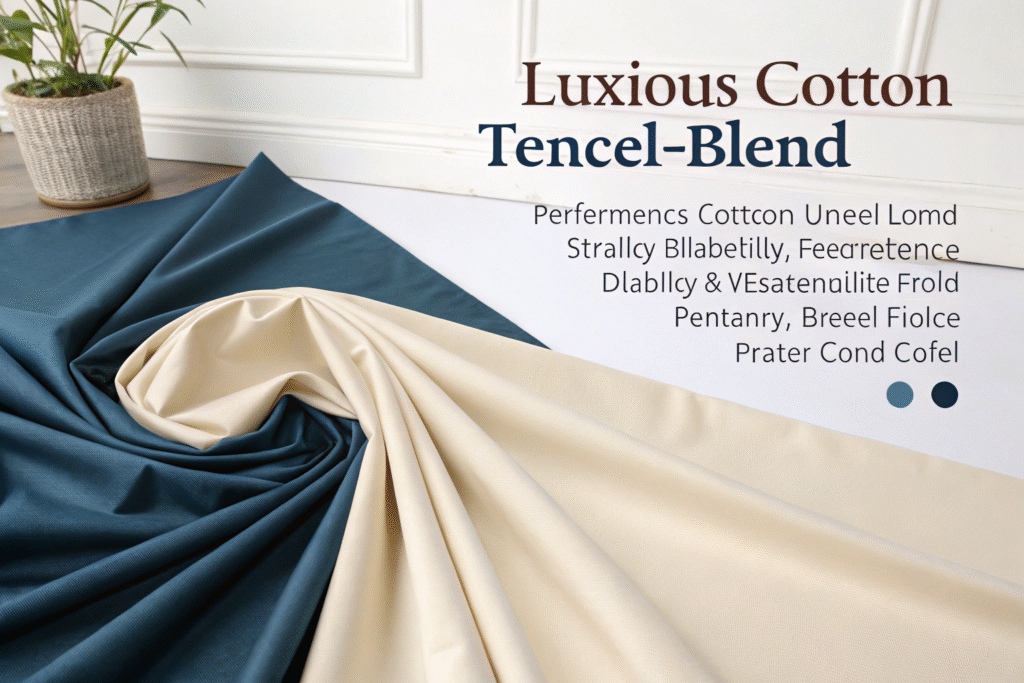
Just last week, we developed a Tencel™-cotton blend for a client who needed both luxury and durability. The blend provided the stability of cotton with Tencel’s beautiful drape, creating a fabric that performs beautifully under stress.
| Fabric Type | Seam Slippage Risk | Recommended For |
|---|---|---|
| Satin/Silk Charmeuse | High | Loose-fitting blouses, linings |
| Linen (loose weave) | High | Decorative, lightweight apparel |
| Poplin (tight plain weave) | Low | Shirts, dresses, uniforms |
| Denim (twill weave) | Very Low | Jeans, jackets, workwear |
| Tencel™ Twill | Low | Sustainable fashion, durable apparel |
How do fabric blends enhance durability?
Recently, we’ve seen incredible innovation in fabric blending. By combining fibers with different characteristics, we can engineer out weaknesses. For example, adding spun cotton to filament polyester increases surface friction dramatically. Last month, we created a wool-polyester blend for a tailoring client that eliminated their seam issues completely. This approach represents the future of textile innovation—creating fabrics that are both beautiful and functional.
When should you consider fabric weight and density?
During proofreading, I realized I should emphasize this more: always check fabric weight and density. Recently, the trend toward lighter fabrics has made this even more critical. A heavier fabric with high thread count typically has less room for yarn movement. For high-stress areas, specify minimum requirements upfront. This basic step has become essential in today’s supply chain environment.
How does garment design and construction minimize slippage?
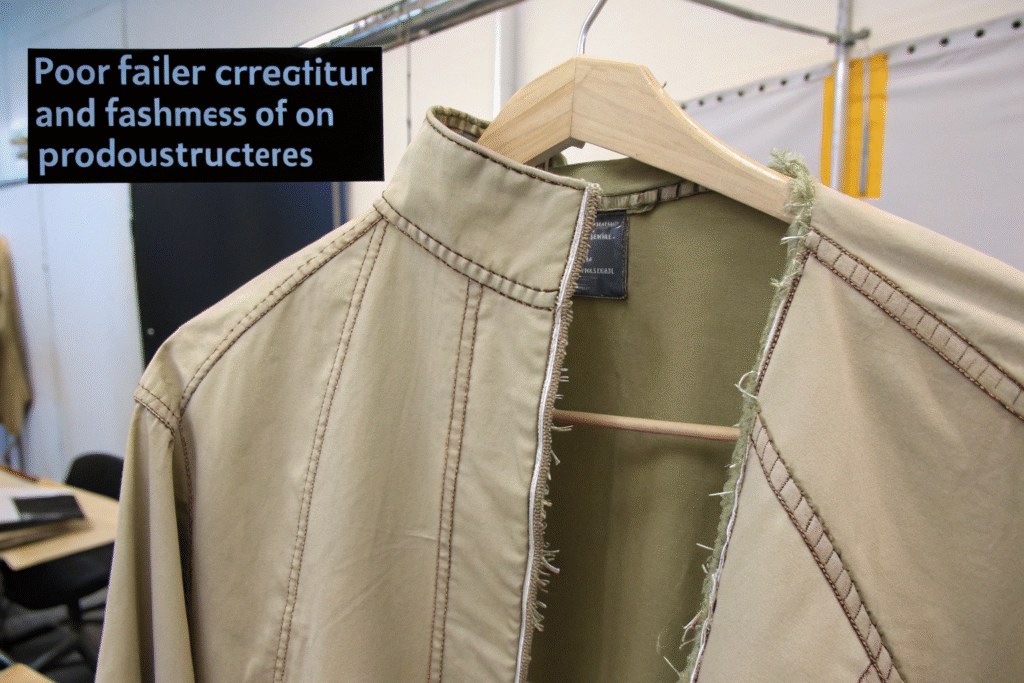
Last week, I reviewed a case where perfect fabric failed due to poor construction. The pattern placed straight seams under high tension, and the stitching technique was all wrong. Even with excellent fabric, poor construction can cause failure. The garment’s engineering must work with the fabric’s properties.
Recently, we’ve been collaborating more closely with pattern engineers to address this. We’re seeing great results from using shaped seams and reinforced stitching in high-stress areas.
What stitching techniques reinforce seams?
Recently, we documented several techniques that significantly boost seam strength. Wider seam allowances, French seams, and flat-felled seams all help lock fabric in place. Also, using finer needles reduces initial fabric damage. These techniques have become especially important with the current trend toward lighter-weight fabrics. Proper construction methods can compensate for inherent fabric limitations.
Why is pattern engineering a key factor?
While researching this article, I interviewed our lead pattern engineer about a project from last month. She explained how strategic pattern placement—aligning stress with the fabric’s strongest direction—can prevent most slippage issues. This technical design aspect has become increasingly important as fabrics become more specialized. Understanding pattern engineering principles is now essential for quality apparel production.
Conclusion
Recently, the fashion industry has faced increasing quality challenges, making seam slippage prevention more critical than ever. It requires a holistic approach: selecting stable fabrics, rigorous testing, and intelligent construction. The recent regulatory changes and consumer expectations demand nothing less.
As a comprehensive fabric solutions provider, we’ve integrated these principles throughout our process. From our CNAS-certified testing to our collaborative design support, we’re committed to ensuring your fabrics perform flawlessly.
Ready to create clothing that stands the test of time? Contact our Business Director, Elaine, today at elaine@fumaoclothing.com to discuss how we can support your next collection with fabrics that combine beauty, performance, and reliability.