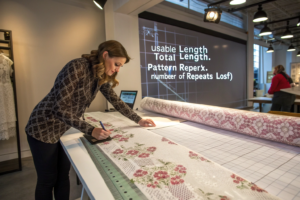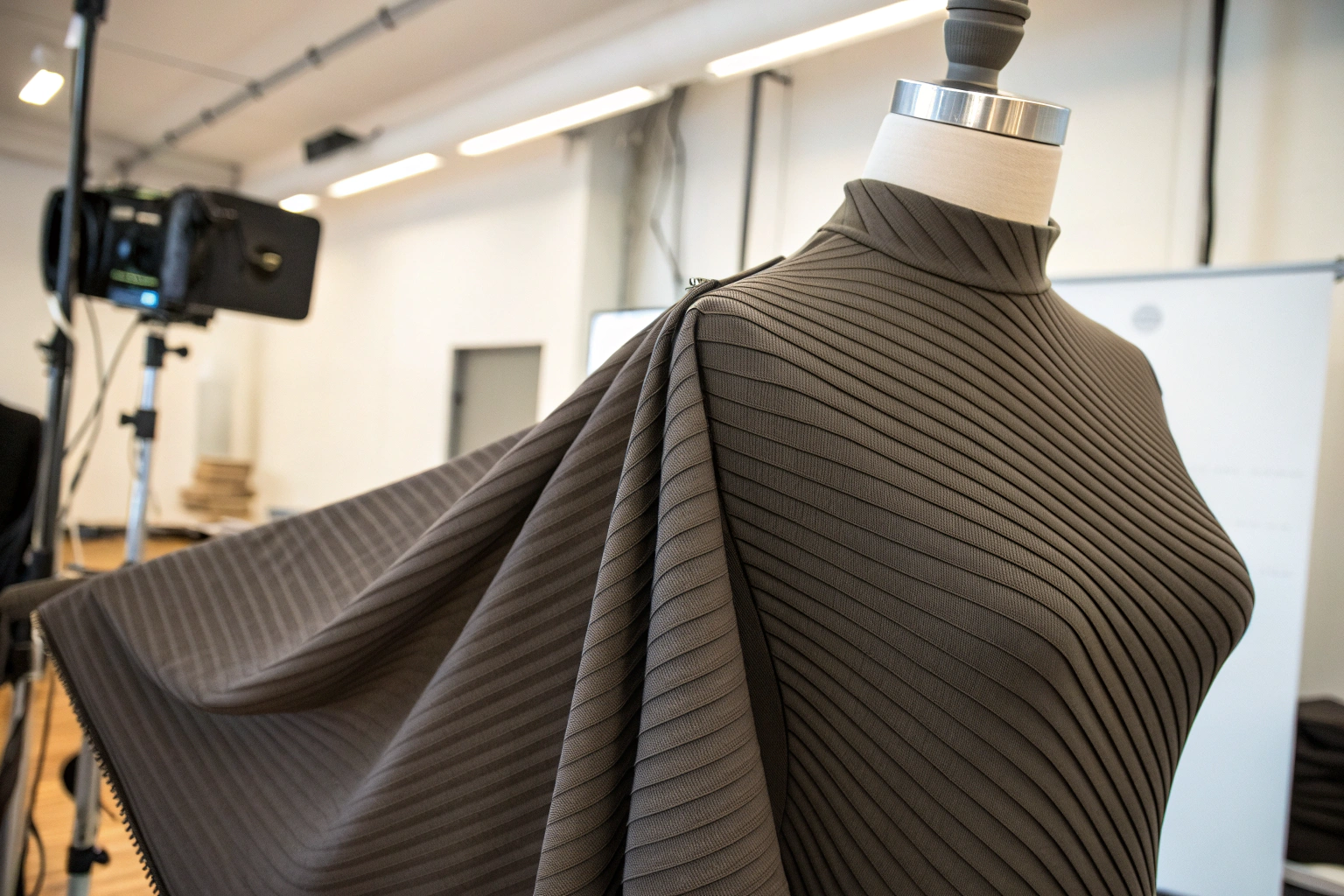
Scuba knit fabric often pops up in fashion discussions, especially when talking about structured yet comfortable garments. If you're a clothing brand owner or a fashion designer sourcing fabrics, you might be wondering if this material is the right choice for your next collection. It's known for its unique properties that blend the best of different worlds. Let's dive into what makes this fabric special and why it might be the perfect fit for your needs.
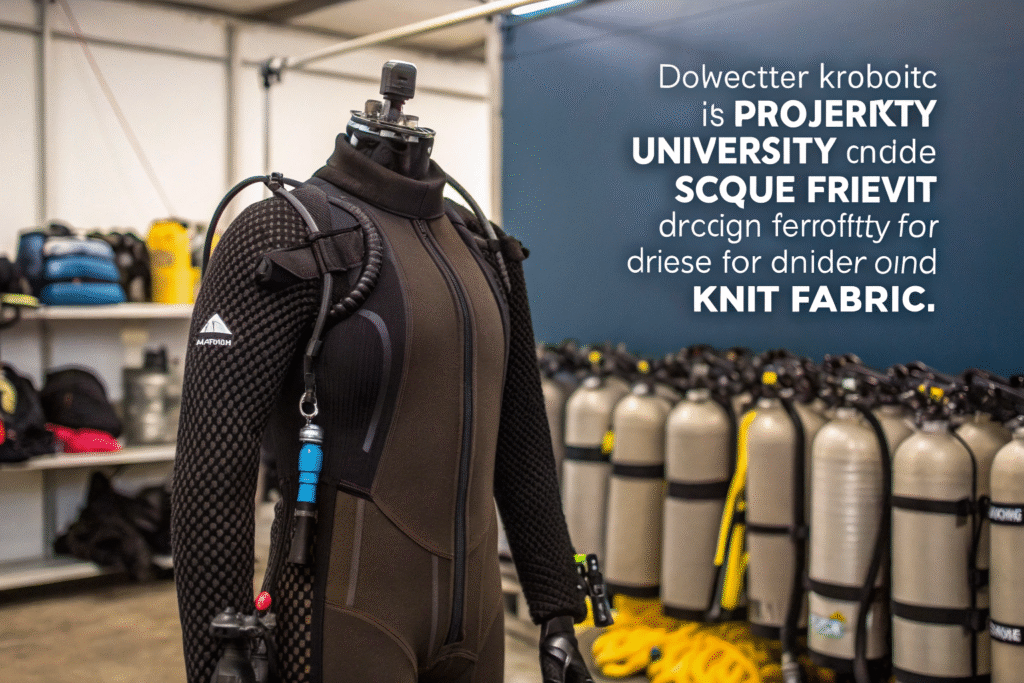
Scuba knit is a double-knit fabric, typically made from a blend of polyester and spandex, that offers a thick, structured, and stretchy quality. It is renowned for its durability, shape retention, and versatility, making it an excellent choice for form-fitting dresses, skirts, and jackets that require a polished silhouette without sacrificing comfort. This fabric gets its name from its initial development for neoprene wetsuits, but the fashion version is softer and more adaptable for everyday wear.
Understanding the specifics of scuba knit can help you make an informed decision for your production line. This article will break down its composition, key advantages, ideal applications, and how it compares to other common materials. By the end, you'll know exactly when to select scuba knit for your projects.
Key Characteristics of Scuba Knit
Scuba knit fabric stands out in the textile world due to its distinct physical properties. For buyers like you, who value both quality and development capacity, knowing these traits is crucial for selecting the right material. Its structure directly impacts the look, feel, and performance of the final garment.
The most defining feature of scuba knit is its double-knit construction. This means it is essentially two layers of fabric knitted together, resulting in a thicker, more stable material. Unlike single knits that can curl at the edges, scuba knit lays flat and holds its shape exceptionally well. It provides a sleek, streamlined silhouette that is highly desired in contemporary fashion.
How is Scuba Knit Fabric Constructed?
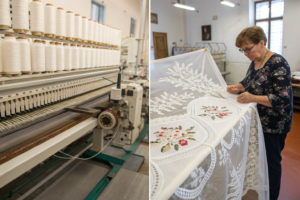
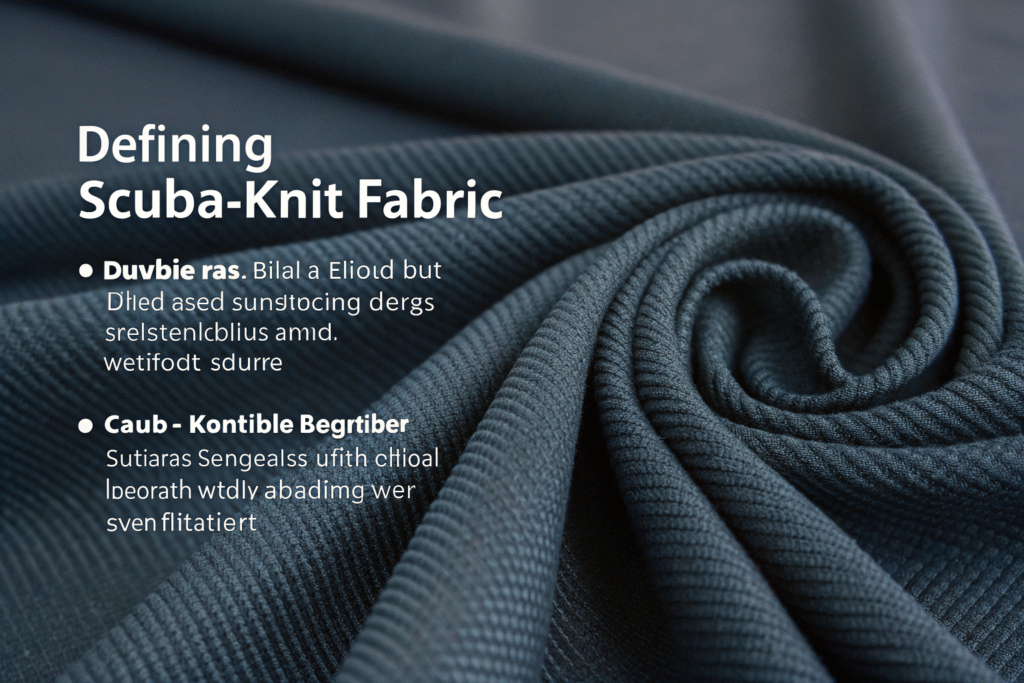
The construction process is what gives scuba knit its signature heft. It is produced on specialized circular knitting machines that interloop two sets of yarns simultaneously, creating a double-layered fabric. The primary fibers used are polyester and a small percentage of spandex. The polyester provides durability and resilience, while the spandex (typically 10-20%) grants the essential stretch and recovery. This combination ensures the fabric can be stretched to fit the body but will spring back to its original shape, preventing bagging or sagging over time. Our factory in Keqiao utilizes advanced knitting technology to ensure consistent gauge and tension across large production runs, guaranteeing the high yield and uniform quality that large-scale buyers require.
What Are the Functional Benefits for Clothing?
The functional benefits of scuba knit make it a smart choice for a wide range of apparel. Firstly, its thickness provides a moderate level of insulation, making it suitable for cooler weather garments. Secondly, its structure offers a degree of compression, which can be flattering in body-con designs. Furthermore, due to its synthetic composition, it is generally resistant to wrinkles and is easy to care for, a significant advantage for the end-consumer. The fabric also holds dyes beautifully, resulting in vibrant, long-lasting colors. For brands focused on performance, we can apply additional functional finishes in our coating factory, such as moisture-wicking or antimicrobial treatments, to enhance its inherent properties.
Why Should Fashion Brands Consider Using Scuba Knit?
In a competitive market, the choice of fabric can define a brand. Scuba knit offers a set of advantages that address common pain points for brands, especially those dealing with overseas production and logistics. Its unique properties can lead to better products and smoother operations.
For brands, the consistency and quality of scuba knit translate to fewer production issues and higher customer satisfaction. Its durability means garments are less likely to be returned due to pilling, tearing, or losing shape. This reliability is a cornerstone of our supply chain. We ensure every meter of fabric is inspected in our QC facility, achieving a 98% client pass rate and giving you peace of mind.
How Does It Enhance Garment Design and Durability?
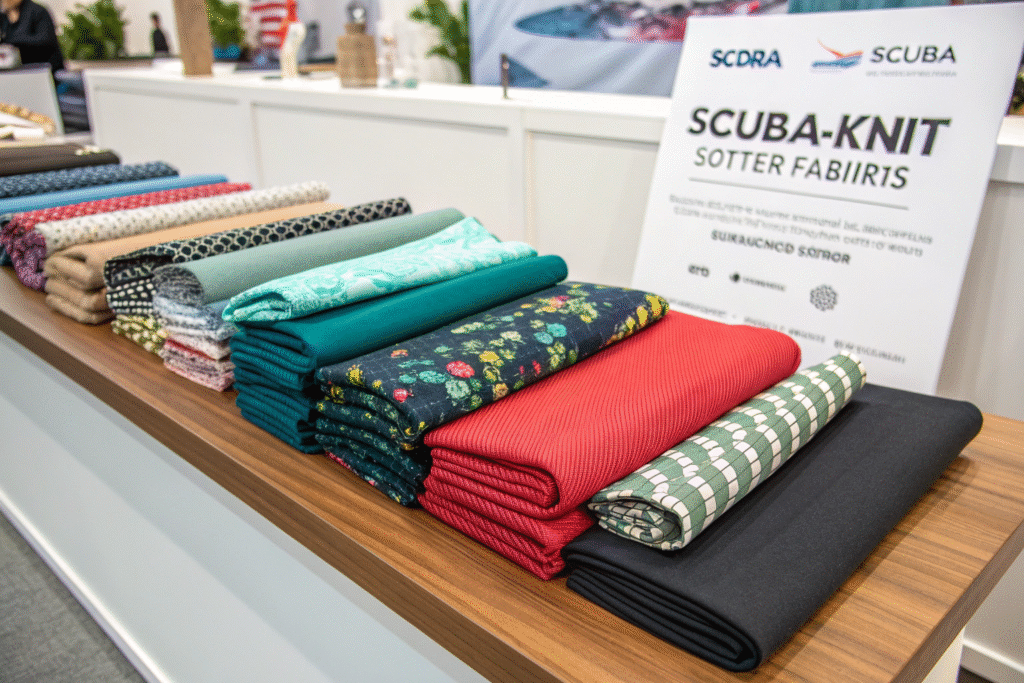
Scuba knit is a designer's favorite because it is incredibly versatile yet provides a high-end look. It can be easily cut, sewn, and manipulated into complex designs without fraying excessively. Its structured nature means it adds body to garments, making it perfect for A-line skirts, tailored peplum tops, and structured blazers that would otherwise require multiple linings and interfacings. This simplifies the manufacturing process, saving time and cost. The table below highlights its design advantages compared to a simpler knit:
| Feature | Scuba Knit | Single Jersey Knit |
|---|---|---|
| Structure | Thick, double-layer | Thin, single-layer |
| Drape | Structured, holds shape | Soft, fluid drape |
| Edge Curling | Resists curling | Prone to curling |
| Common Uses | Blazers, dresses, skirts | T-shirts, lightweight dresses |
What Are the Supply Chain Advantages?
Choosing scuba knit from an integrated supplier like Fumao Textiles offers significant supply chain advantages. Our agile R&D team can develop new samples within 48 hours, allowing you to prototype designs rapidly. As we control the process from weaving to dyeing and finishing, we can ensure a stable supply and quick bulk delivery, addressing critical pain points like inefficient pricing and timeliness. Our expertise in shipping to the U.S. means we navigate customs clearance efficiently. Furthermore, since our fabrics are shipped directly from China, they are not affected by US tariffs on goods from other countries, providing you with a cost advantage and predictable pricing.
When is the Best Time to Choose Scuba Knit Fabric?
Identifying the right project for scuba knit is key to leveraging its benefits. It's not a universal fabric, but it excels in specific applications and market segments. Understanding these will help you place your bets correctly.
Scuba knit is ideally suited for garments that require a polished, structured silhouette but also need the comfort of stretch. It is a fantastic material for statement pieces that form the core of a collection. Its weight and texture make it perfect for fall/winter collections or for early spring lines where a bit of warmth is still needed.
For Which Garment Types is It Most Suitable?
The most common and successful applications for scuba knit include form-fitting dresses, pencil skirts, structured tops, and lightweight jackets. It is also widely used in athletic-inspired fashion (athleisure) for items like bomber jackets and high-quality sporty skirts, where its performance origins and modern look are a perfect match. Our clients, including brands that work with large retailers, often choose our custom scuba knit for these specific product categories. We offer a vast inventory of over 30,000 designs and support small-batch customization, allowing you to develop a unique product without committing to massive minimums.
How Does It Compare to Neoprene and Other Knits?
It's crucial to distinguish fashion scuba knit from pure neoprene. While they share a similar look and origin, scuba knit is softer, lighter, and more flexible, making it comfortable for all-day wear. Pure neoprene is thicker and stiffer, best suited for actual water sports. Compared to other knits, scuba offers more stability than jersey and more stretch than a stable woven. For instance, a double-knit ponte is a close cousin but is often lighter and has a different hand-feel. When you need a fabric that is substantial but not heavy, stretchy but not flimsy, scuba knit is the ideal choice. We can guide you through these material comparisons to find the perfect match.
How to Source Quality Scuba Knit Fabric Efficiently?
Sourcing the right fabric is just as important as choosing it. For a busy professional, efficiency, reliability, and transparency in the sourcing process are non-negotiable. Partnering with a supplier that offers end-to-end services is the key to success.
The most efficient way to source scuba knit is to work directly with a manufacturer that controls the production process. This eliminates middlemen, reduces communication delays, and often results in better pricing. Our role as a factory-based wholesaler allows us to offer you direct access to production, ensuring quality control from the first step.

What Certifications and Quality Controls Should I Look For?
When sourcing scuba knit, especially for markets like the EU and US, verifying quality through international standards is vital. Look for suppliers with certifications like SGS/ITS for physical and chemical testing. Our CNAS-accredited lab tests for key performance metrics like composition, colorfastness, shrinkage, and pilling resistance. We provide a unique QR code for each batch, giving you real-time access to all test data. This level of transparency directly addresses your pain point for rigorous quality control and ensures the fabric meets the safety and performance standards of your market.
What Is the Typical Pricing and Logistics Timeline?
Understanding the total cost and timeline is critical for your planning. The price of scuba knit is influenced by the cost of polyester and spandex yarns, the complexity of the knit, and any special finishes. As a large-scale producer, we leverage our position in the Keqiao cluster to offer competitive and efficient pricing, avoiding the inefficiencies you worry about. For logistics, our "Silk Road Keqiao" initiative streamlines the process. From order confirmation, we can complete bulk production in 2-3 weeks, followed by doorstep shipping. We handle packaging and customs clearance, and you can track the sailing schedules in real-time, providing full visibility and mitigating the risks of delays.
Conclusion
Scuba knit fabric is a powerful material in a fashion brand's arsenal, offering a unique combination of structure, stretch, and durability. It is the ideal choice when you need to create garments with a defined, polished silhouette that maintains comfort through its flexible nature. From its robust double-knit construction to its versatility in design and reliable performance, scuba knit can elevate your collection and meet the demands of discerning consumers.
We hope this guide has given you a clear understanding of when and why to choose scuba knit. If you are ready to explore how this fabric can bring your next clothing line to life, we invite you to partner with us. For a direct conversation about your specific needs and to request samples, please contact our Business Director, Elaine, at elaine@fumaoclothing.com. Let Fumao Textiles be your trusted partner in weaving your brand's success.