As a fabric supplier with over two decades in China's textile hub of Keqiao, I consistently engage with clients seeking genuine sustainable solutions. The growing interest in rPET reflects a fundamental shift in our industry—from viewing eco-materials as optional to recognizing them as essential for modern business. This comprehensive guide explores both the nature of rPET and the rigorous verification processes that ensure its credibility.
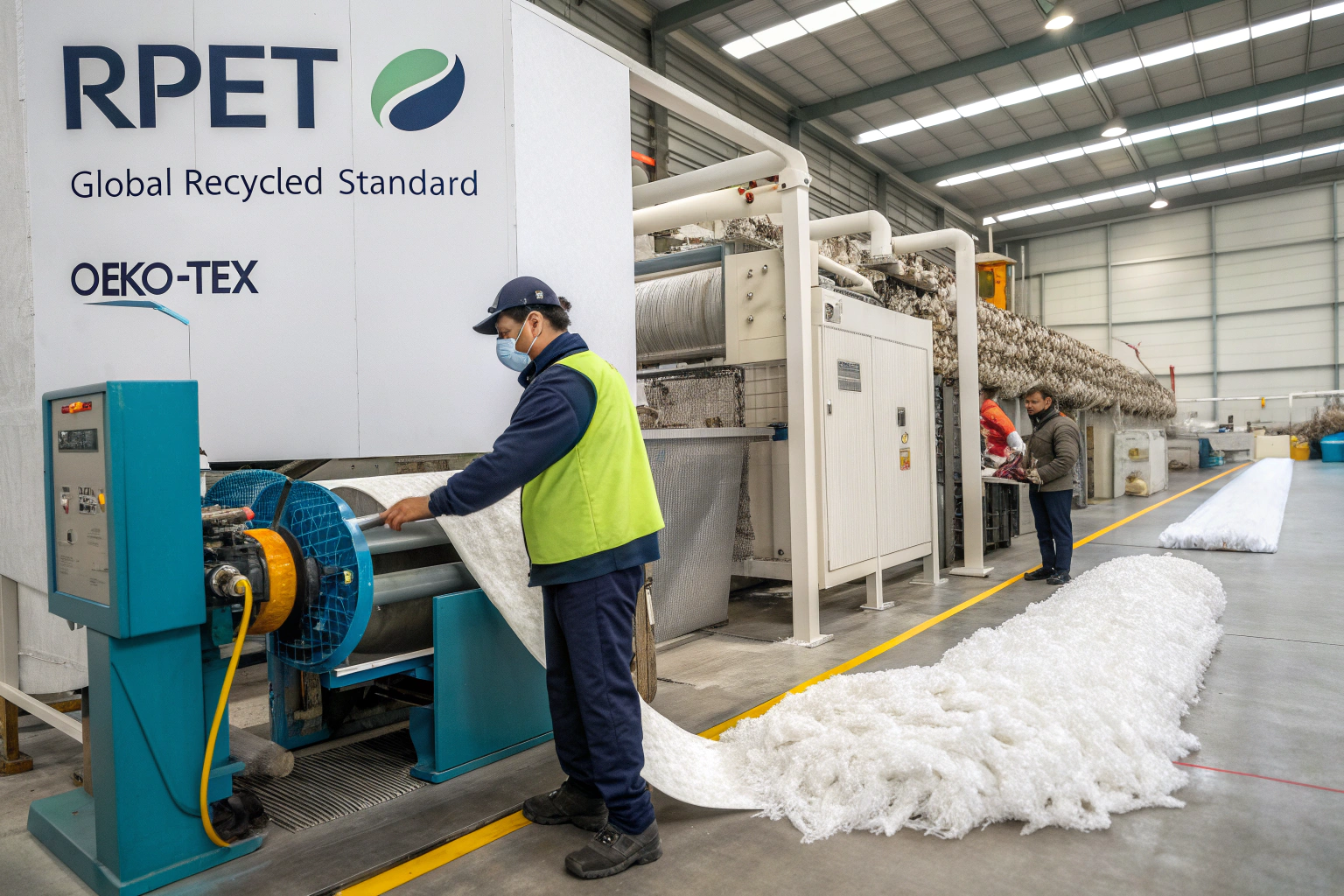
rPET (recycled polyester) transforms post-consumer plastic waste into high-quality textile fibers through mechanical or chemical recycling processes. Its testing requirements center on international certifications like Global Recycled Standard (GRS) and Oeko-Tex® that validate recycled content, material safety, and performance characteristics. Understanding these elements is crucial for brands seeking to make authentic environmental claims while maintaining product excellence.
The journey toward sustainable sourcing requires navigating both technical specifications and certification landscapes. We'll examine rPET's production methods, environmental advantages, testing protocols, and sourcing strategies to provide a complete picture of why this material has become a cornerstone of responsible textile manufacturing.
What is rPET fabric and how is it produced?
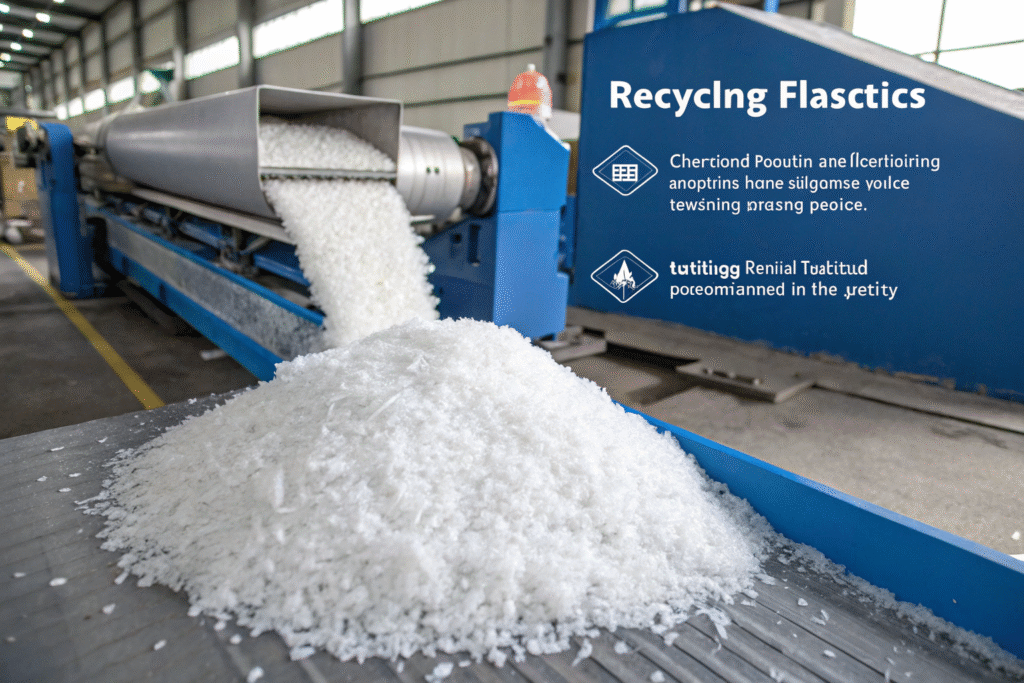
The transformation of plastic waste into premium textile fibers represents one of our industry's most significant innovations. rPET begins its journey as discarded bottles and containers that undergo meticulous sorting and cleaning processes. This initial stage eliminates contaminants that could compromise fiber quality, establishing the foundation for high-performance fabrics.
Production advances through shredding cleaned plastics into uniform flakes, which then undergo melting and extrusion into fresh polyester filaments. The mechanical recycling method offers cost efficiency for standard applications, while chemical recycling delivers superior purity for demanding uses like technical sportswear. At Fumao, we've optimized both approaches through partnerships with specialized facilities across Zhejiang, ensuring appropriate methods for diverse client needs.
How does rPET differ from virgin polyester?
While rPET maintains the durability and functional benefits of virgin polyester, its environmental advantages are substantial. According to Textile Exchange, rPET production consumes up to 59% less energy and significantly reduces petroleum dependence. The material's slight variations in dye absorption require specialized dyeing techniques, which we've mastered through extensive laboratory development. These adaptations ensure vibrant color results while preserving the ecological benefits that make rPET so valuable.
What are the key stages in rPET manufacturing?
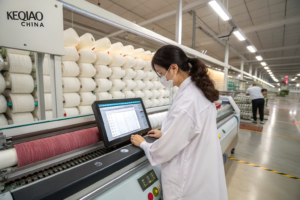
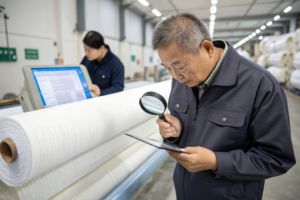
The manufacturing continuum progresses through collection, sorting, washing, flaking, melting, and spinning phases, each requiring precise execution. Flake consistency directly influences fiber uniformity, while controlled melting temperatures prevent polymer degradation. Our CNAS-certified laboratory monitors these stages continuously, partnering exclusively with facilities maintaining GRS certification standards. This integrated oversight guarantees that every production batch meets stringent quality parameters from raw material to finished fabric.
Why choose rPET for sustainable fashion?
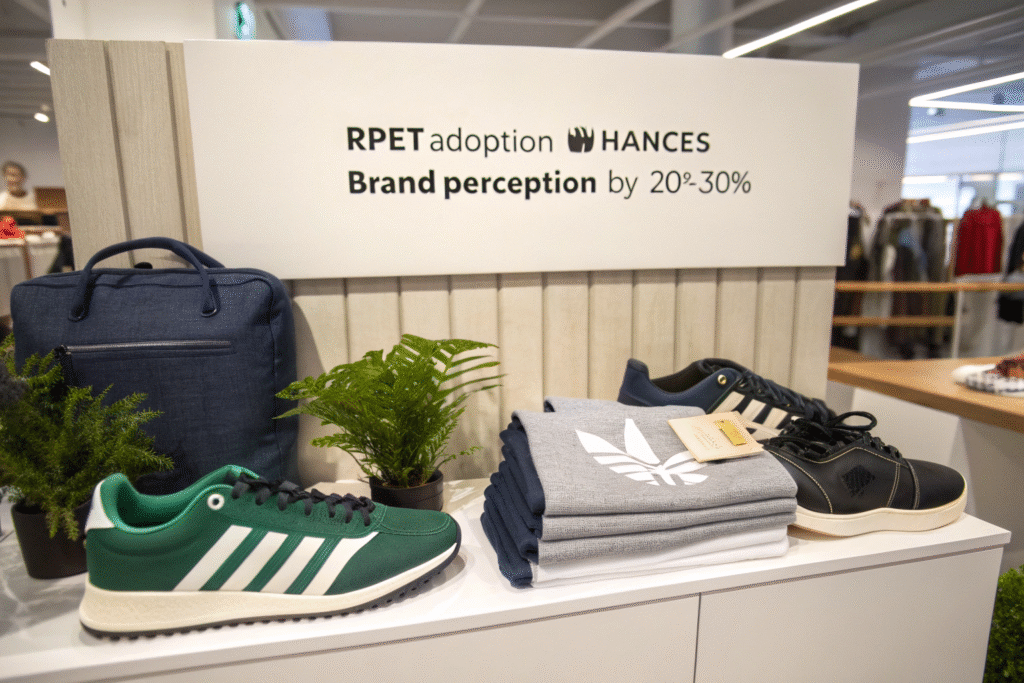
The environmental imperative for rPET adoption extends beyond waste reduction to encompass carbon footprint minimization and circular economy advancement. Major brands like Adidas and H&M have integrated rPET into their collections to align with EU eco-regulations and respond to growing consumer demand for transparency. Our clients typically report 20-30% enhancement in brand perception after transitioning to rPET-based collections.
Functionally, rPET offers remarkable versatility through blending capabilities with fibers like organic cotton and Tencel™. These combinations enhance comfort while maintaining the moisture-wicking and durability properties essential for athletic and lifestyle applications. Our rPET blends undergo rigorous testing to match virgin polyester performance standards while delivering measurable ecological improvements across product lifecycles.
How does rPET impact brand image and sales?
Consumer preferences have evolved to prioritize sustainability, with 65% of global shoppers expressing preference for eco-conscious products according to Nielsen surveys. rPET integration enables authentic sustainability storytelling that resonates particularly well in markets where eco-labels influence purchasing decisions. The brands we partner with consistently report strengthened customer loyalty and expanded retail relationships following their transition to rPET-based collections.
What are the cost benefits of switching to rPET?
While initial rPET costs may slightly exceed conventional polyester, the long-term economic advantages are compelling. Tax incentives, reduced waste disposal fees, and bulk sourcing opportunities from integrated manufacturing hubs like Keqiao contribute to overall cost efficiency. As recycling technology advances, price parity becomes increasingly achievable. Our volume-based pricing structure further enhances accessibility, making sustainable sourcing economically viable without quality compromise.
What are the essential rPET testing standards?
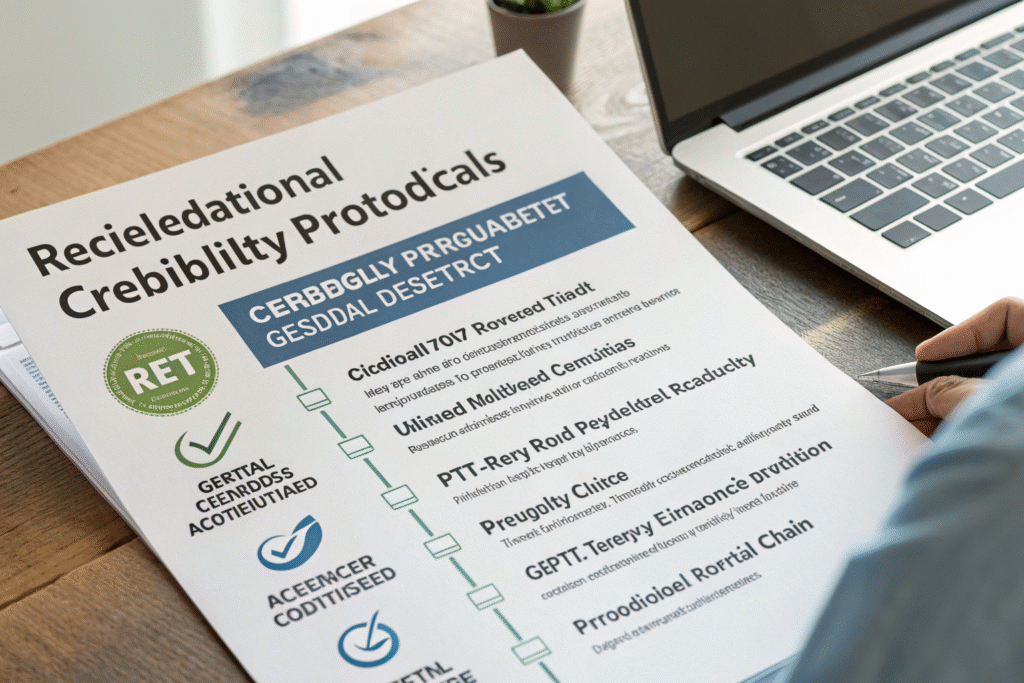
Verification protocols form the backbone of rPET credibility, with Global Recycled Standard (GRS) certification representing the industry benchmark for recycled content traceability. This comprehensive standard audits supply chain integrity while evaluating social and environmental compliance throughout production stages. Our implementation of GRS protocols provides clients with transparent documentation supporting their sustainability claims.
Complementary testing regimens include Oeko-Tex® for hazardous substance screening and ASTM standards for performance validation. These assessments prevent common issues like pilling, shrinkage, and color fading that impact product longevity. Through our in-house CNAS laboratory, we conduct preemptive testing under simulated use conditions, achieving 98% compliance rates that minimize returns and streamline market entry for our partners.
How does GRS certification ensure rPET quality?
GRS certification establishes chain-of-custody requirements that verify recycled content percentages at each production stage while prohibiting hazardous chemical applications. Administered by Textile Exchange, this standard provides the credible verification necessary to substantiate environmental marketing claims. Our maintained GRS certification across rPET product lines delivers the assurance required for successful market penetration in sustainability-focused regions like Europe and North America.
What role do performance tests play in rPET reliability?
Performance validation through tests like ASTM D5034 for tensile strength and colorfastness assessments ensures rPET fabrics withstand real-world usage conditions. Our laboratory replicates wear scenarios to identify potential deficiencies before production scaling. This proactive approach guarantees that finished products maintain structural integrity and visual appeal through repeated use and cleaning, ultimately enhancing end-customer satisfaction and reducing product returns.
How can you source reliable rPET suppliers?
Identifying credible rPET suppliers begins with verification of international certifications including GRS and ISO standards that demonstrate compliance commitment. Transparent sourcing policies and robust quality control systems provide additional indicators of supplier reliability. At Fumao, we maintain open access to our supply chain details, enabling clients to trace material journey from post-consumer waste to finished fabric.
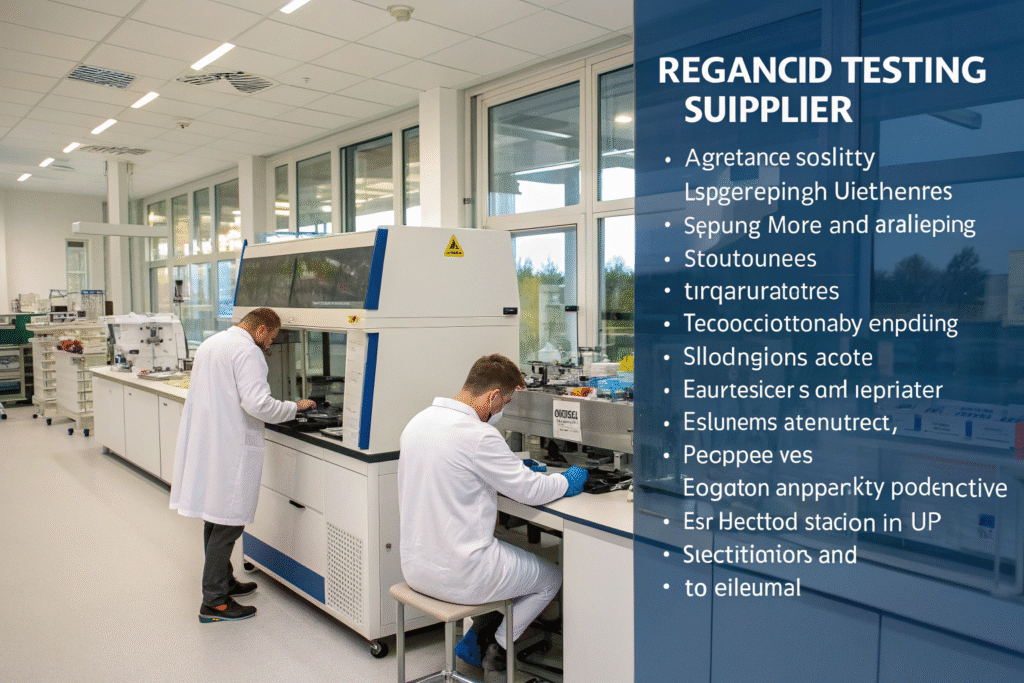
Supplier capabilities extend beyond certification to encompass testing infrastructure and logistical expertise. Partners with in-house laboratories typically deliver superior consistency and faster response times. Regional specialization also influences efficiency—our focus on US and EU exports ensures nuanced understanding of tariff regulations and compliance requirements that facilitate smooth market entry for international clients.
What should you look for in a supplier's testing reports?
Comprehensive testing documentation should validate compliance with GRS and Oeko-Tex® standards, specifically detailing recycled content percentages and safety parameters. Critical data points include pH levels, heavy metal concentrations, and physical property metrics. Our digital reporting system, aligned with SGS audits, provides immediate access to verification documents through QR code technology, enabling informed sourcing decisions before order commitment.
How does supplier location affect rPET sourcing efficiency?
Geographical positioning within integrated textile ecosystems like Keqiao significantly enhances sourcing efficiency through consolidated supply chains and logistical advantages. Our strategic location reduces production lead times while providing access to specialized processing facilities. Additionally, proximity to major shipping ports and utilization of Silk Road initiatives optimize transportation timelines and cost structures, particularly for US-bound shipments avoiding tariff complications.
Conclusion
rPET recycled polyester represents the convergence of environmental responsibility and commercial practicality in contemporary textile manufacturing. Its validated production methods, certification protocols, and performance characteristics establish a compelling case for integration into forward-thinking product lines. The material's journey from waste stream to wardrobe exemplifies the circular economy principles increasingly demanded by both consumers and regulators.
At Fumao Fabric, we've embedded rPET excellence into our operational DNA, combining two decades of textile expertise with cutting-edge sustainable technologies. Our comprehensive approach ensures that every client receives certified, high-performing materials aligned with their specific market requirements and sustainability goals.
When you're prepared to advance your sustainability journey with verified rPET solutions, we invite you to connect with our dedicated team. Contact Business Director Elaine at elaine@fumaoclothing.com to explore custom fabric development opportunities. Together, we can transform environmental aspirations into market-ready realities through materials that benefit both business and planet.