Ever wonder what happens to those plastic bottles you toss in the recycling bin? A growing number of them are getting a second life — not as another bottle, but as the clothes on your back. This transformation is powered by recycled polyester, or rPET. But as a fabric buyer, you’re probably asking: is it just a clever marketing story, or is it a genuinely sustainable material that doesn’t sacrifice quality or performance? Let’s cut through the hype.
Recycled Polyester (rPET) is a synthetic fabric made by melting down post-consumer plastic waste, like PET bottles, and re-spinning it into new polyester fibers. Its real sustainability depends on a transparent, closed-loop supply chain, rigorous certifications, and an honest assessment of its energy use and microplastic impact compared to virgin polyester and natural fibers. While not a perfect solution, it represents a crucial step towards circularity in the textile industry.
For brands and manufacturers navigating the complex world of sustainable sourcing, understanding rPET is no longer optional—it's a business imperative. Consumers are demanding it, and regulations are tightening. But diving in without the right knowledge can lead to greenwashing accusations, supply chain disruptions, and compromised product quality. Having supplied functional and eco-fabrics from the heart of China’s textile district in Keqiao for over two decades, I've seen the rPET evolution firsthand. This guide will walk you through what rPET really is, how it's made, and the hard facts you need to make an informed sourcing decision.
What Exactly is Recycled Polyester (rPET) Fabric?
You hear the term “rPET” everywhere, from sportswear labels to fast-fashion sustainability reports. But beneath the badge, what are you actually buying? Simply put, it's polyester given a second chance, but the devil—and the value—is in the details.
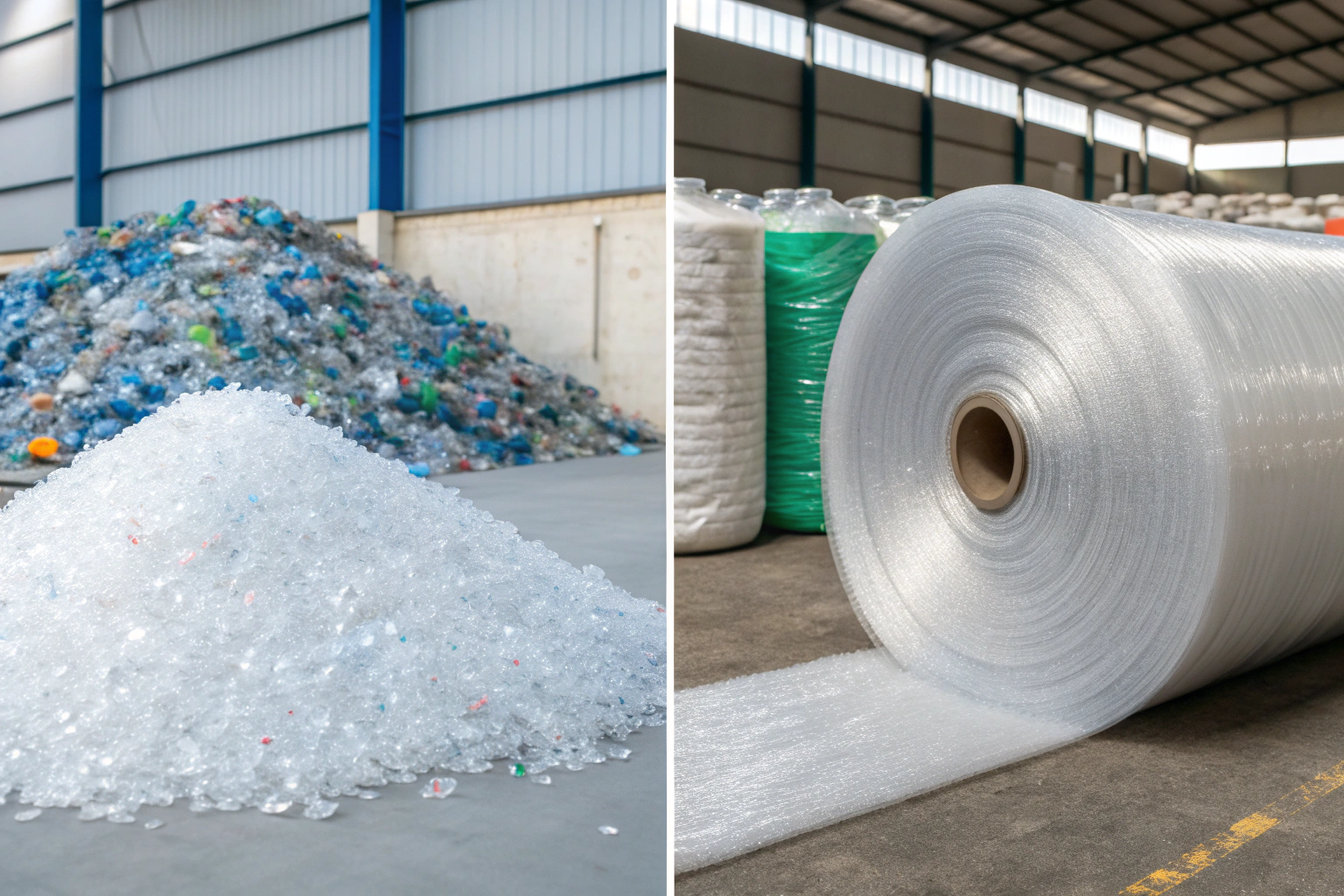
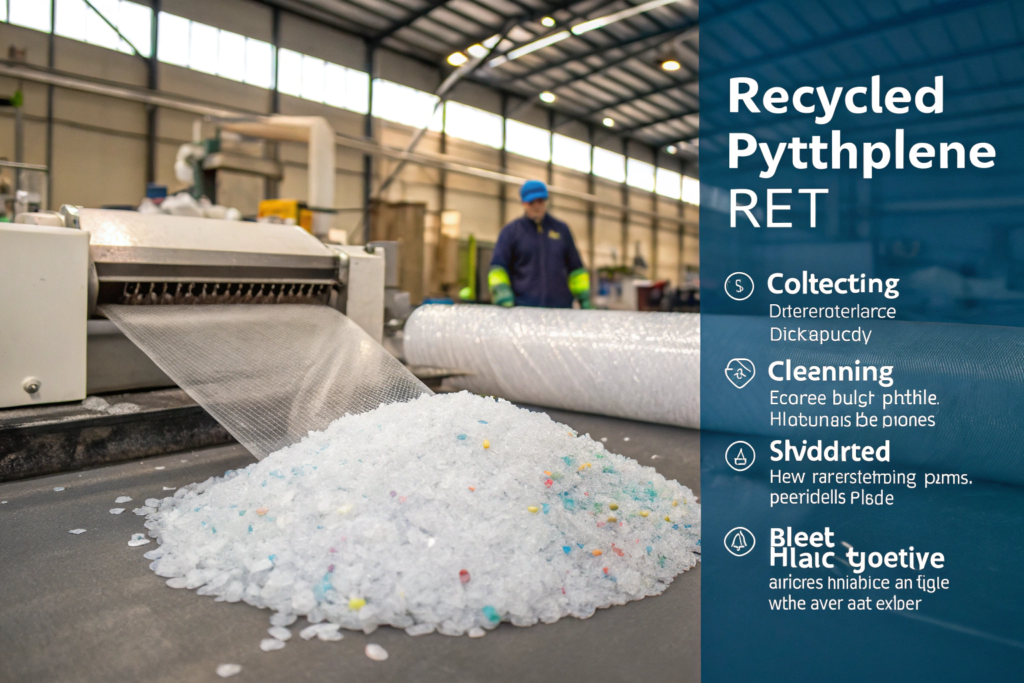
rPET fabric is a man-made textile produced from recycled polyethylene terephthalate, most commonly sourced from used plastic bottles and, less frequently, from post-industrial polyester waste or even old garments. The core process involves collecting, cleaning, shredding, melting, and re-polymerizing this PET plastic into chips, which are then spun into new fibers. The resulting yarn can be woven or knitted into fabrics that are chemically identical to virgin polyester, meaning they share the same durable, quick-drying, and wrinkle-resistant properties. The key difference lies in its origin story: it diverts plastic from landfills and oceans, reducing the demand for crude oil as a raw material. For brands, this translates into a powerful narrative and a tangible step towards reducing the environmental footprint of their collections. However, not all rPET is created equal, and understanding its origins is the first step to ensuring its authenticity.
How is rPET Different from Virgin Polyester?
Think of it like this: virgin polyester is like building a new house from freshly cut timber. rPET is like expertly deconstructing an old barn and using those seasoned beams to build a modern home. The core material (the wood/polymer) is the same, but the sourcing and initial processing are radically different. Virgin polyester is derived directly from petrochemicals—primarily crude oil and natural gas—through an energy-intensive process of polymerization. rPET bypasses this initial oil extraction step. Instead, it uses existing PET plastic as its feedstock. This gives rPET a significant edge in reducing fossil fuel dependence and initial carbon emissions. According to industry studies, producing rPET can save between 30% to 50% of the energy required for virgin polyester. Furthermore, a foundational resource for understanding polymer science behind this is available through educational materials from the Society of Plastics Engineers. It’s crucial to note that while the base is recycled, the fiber production (melting, spinning) still requires substantial energy, often from fossil fuels unless the facility uses renewable power. This is why partnering with suppliers who are transparent about their energy mix is vital.
What Are the Main Sources of Recycled Polyester?
| The gold standard for rPET is post-consumer waste, specifically clear PET bottles. They are the most consistent and scalable feedstock. Here’s a breakdown of common sources: | Source Type | Description | Common Use in rPET | Reliability & Notes |
|---|---|---|---|---|
| Post-Consumer Bottles | Used drink bottles collected through recycling systems. | Primary, high-quality feedstock. | Consistent supply, but collection infrastructure varies globally. Demand can outstrip supply. | |
| Post-Industrial Waste | Scraps and off-cuts from polyester yarn and fabric production. | Often used in “pre-consumer” recycled content. | Reliable supply from within the textile chain, but doesn’t address plastic waste in the environment. | |
| Ocean-Bound Plastic | Plastic collected from coastal areas before it reaches the ocean. | Used for marketing-focused “ocean plastic” lines. | Complex logistics, often a blend. Requires strong traceability certification to verify claims. | |
| Textile-to-Textile | Old polyester clothing chemically broken down to its base polymers. | Emerging technology, not yet mainstream. | The holy grail for circularity but faces technical and economic challenges in large-scale commercial recycling of blended fabrics. |
In our work at Shanghai Fumao, we primarily use certified post-consumer bottle flake. For instance, in 2023, we developed a moisture-wicking rPET jersey for a German activewear brand. They needed full traceability from bottle to fabric. We provided documentation showing the bottles were sourced from European recycling schemes, processed in a GRS-certified facility, and spun into yarn within our integrated supply network in Keqiao. This transparency sealed the deal for their “Green Line” collection.
How Sustainable is rPET Compared to Other Fabrics?
“Sustainable” is a loaded word. For a fabric buyer, it’s a balance of environmental impact, social responsibility, and commercial viability. So, where does rPET truly sit on the sustainability scale? It’s a significant improvement over virgin polyester but comes with its own set of trade-offs when stacked against natural fibers.
The sustainability of rPET is fundamentally about creating a circular economy for plastic. Its biggest win is waste reduction. Every ton of rPET used prevents about 3.8 cubic yards of plastic from going to landfill. It also reduces reliance on crude oil. However, the full picture requires a lifecycle assessment. While it saves energy at the raw material phase, the recycling process itself—collecting, transporting, cleaning, and melting plastic—is energy-intensive. Furthermore, like all polyester, rPET sheds microplastics during washing and is not biodegradable. When comparing fabrics, rPET often has a lower water and land-use footprint than cotton but may have a higher carbon footprint than sustainably sourced linen or hemp, depending on the energy grid used in production. The real sustainability, therefore, hinges on certified supply chains, renewable energy in production, and end-of-life planning. It’s a stepping stone, not a final destination.
Does rPET Production Really Reduce Carbon Footprint?
Yes, but with critical caveats. The carbon footprint reduction is most pronounced when comparing rPET to its virgin counterpart. The avoided emissions come primarily from not having to extract and refine new petroleum. Studies, like those referenced by the Textile Exchange’s Material Change Index, indicate that rPET can have a 30-50% lower carbon footprint than virgin polyester. However, this number is a global average and fluctuates wildly based on two factors: the source of the recycled content and the energy powering the recycling plant. If the plastic flakes are shipped halfway around the world for processing in a coal-powered facility, a large portion of the carbon savings is negated. That’s why localized or regional supply chains are gaining favor. For example, our partners in Zhejiang are increasingly tapping into China’s growing domestic bottle collection network and investing in solar power for their plants, which tightens the loop and maximizes the carbon benefit. (Here’s a fact from the ground: our latest batch of rPET fleece was produced using 40% renewable energy in the melting stage, and we’re pushing for more).
What Are the Limits of rPET's Eco-Friendliness?
rPET is not a silver bullet. Its eco-friendliness hits limits in three key areas. First, microplastic pollution. Garments made from rPET still release tiny plastic fibers with every wash, contributing to oceanic microplastic contamination. This is a systemic issue for all synthetic fibers. Second, recycling degradation. PET plastic can’t be recycled infinitely in a true closed loop (mechanical recycling) without some loss of quality. Fibers can become shorter and weaker, often requiring blending with virgin material for strength after several cycles. This leads to the third limit: end-of-life. Most rPET garments are not recyclable back into clothing at scale due to blends, dyes, and finishes. They still risk ending up in landfills. The industry is working on chemical recycling to break polyester down to its base monomers for infinite recycling, but it’s not yet commercially widespread. For a brand, this means your rPET collection today might still be a dead end tomorrow unless you design for recyclability from the start. Engaging with industry forums discussing circular design principles is a great way to stay ahead of this challenge.
What Should You Look for in rPET Fabric Certifications?
A certificate is only as good as the system behind it. In the world of rPET, certifications are your passport to trust and transparency. They move claims from “we think” to “we can prove.” But with a alphabet soup of labels—GRS, RCS, Oeko-Tex, SCS—which ones actually matter for verifying the recycled content and responsible production you’re paying for?
You should look for certifications that are third-party audited, trace the material through the supply chain (chain of custody), and address both content and processing impacts. The two most critical for rPET are the Global Recycled Standard (GRS) and the Recycled Claim Standard (RCS). GRS is the more comprehensive option; it not only verifies the recycled content (minimum 20% for certification, with a higher percentage labeled) but also includes environmental and social criteria for processing, chemical use, and labor practices. RCS is a simpler content claim standard that tracks recycled raw material through the supply chain. For performance wear, adding Oeko-Tex Standard 100 ensures the final fabric is free from harmful substances. These certs are your shield against greenwashing. I’ve seen buyers get burned by suppliers with “self-declared” recycled content. One of our long-term clients, a US-based outerwear brand, now mandates GRS 4.0 certification for all their rPET orders after a previous supplier failed a compliance audit, causing a major shipment delay. It’s a non-negotiable for them, and for us.

Why is GRS Certification the Gold Standard for rPET?
The Global Recycled Standard (GRS) is the gold standard because it goes beyond a simple content check. It looks at the entire production process. Administered by organizations like Textile Exchange, GRS certification requires a robust chain-of-custody system from the recycler to the final product. This means every entity that handles the material—from the flake producer to the spinner, weaver, dyer, and finisher—must be certified. This prevents dilution or substitution of the recycled content. Furthermore, GRS includes stringent criteria on chemical and environmental management, requiring compliance with the ZDHC (Zero Discharge of Hazardous Chemicals) Manufacturing Restricted Substances List (MRSL). It also has social requirements based on International Labor Organization (ILO) conventions. For a buyer, a GRS certificate and transaction certificate (TC) provide a verifiable paper trail. You can literally trace the batch of fabric back to the bale of plastic bottles. When you partner with a supplier like Shanghai Fumao that maintains GRS certification across key stages of production, you’re not just buying a fabric; you’re investing in a verified, lower-impact supply chain. This level of detail is crucial for accurate sustainability reporting and marketing claims.
How Do You Verify a Supplier's rPET Claims?
Trust, but verify. Start by asking for the certification documents—not just a logo on a website. A legitimate supplier should readily provide a valid GRS or RCS certificate for their company and a Transaction Certificate (TC) for your specific order. The TC will detail the product, quantity, and percentage of recycled content. Next, ask about their sourcing: Where do the bottles come from? Who is their certified pre-processing partner? Can they share the lifecycle assessment data or carbon footprint calculation for their specific rPET? Audit their physical facility if possible, or conduct a virtual audit. Pay attention to their knowledge of the challenges, like microplastics or dyeing compatibility—if they gloss over the downsides, be wary. Additionally, independent lab testing can verify fiber composition. Resources like the Sustainable Apparel Coalition’s Higg Index materials module can provide a framework for asking the right questions. In my experience, a transparent supplier views this scrutiny as a sign of a serious partner. We recently welcomed a potential client from the UK to our Keqiao facilities. They spent a full day reviewing our GRS TCs, visiting our partner dye house’s wastewater treatment plant, and testing the colorfastness of our rPET twill in our CNAS lab. Their comment was, “This is the level of detail we need to build our brand story on.” They became a client because we had the proof, not just the promise.
How to Source Quality rPET Fabric for Performance Apparel?
Sourcing rPET isn’t just about finding a green material; it’s about finding a high-performing one. The last thing you want is a sustainable fabric that pills, fades, or lacks the durability your customers expect. Performance apparel demands specific functional properties—moisture-wicking, elasticity, breathability, and color vibrancy. Sourcing quality rPET means finding a supplier who understands both sustainability and the technical craft of fabric engineering.
Quality rPET fabric starts with the quality of the recycled feedstock and the sophistication of the spinning and finishing technology. For performance, you need long, strong fibers. Some lower-grade rPET uses shorter fibers from lower-quality flakes, resulting in weaker, fuzzier yarn. Top-tier rPET producers use advanced sorting and cleaning to ensure polymer purity, resulting in fibers nearly indistinguishable from virgin in terms of tenacity. The real magic, however, happens in fabric construction and finishing. A skilled supplier will know how to engineer knitted structures for optimal wicking, apply durable water-repellent (DWR) finishes without PFAS, and achieve vibrant colors that resist fading—a known challenge with some recycled fibers due to impurities. At Shanghai Fumao, our R&D team has spent two years perfecting an rPET and spandex blend for cycling wear. The breakthrough came from adjusting the yarn twist and using a special low-temperature dyeing process, which preserved the elasticity and achieved a colorfastness rating of 4-5. This fabric now makes up 15% of a well-known European sportswear brand’s lineup. It proves that with the right technical partner, rPET can meet and exceed performance benchmarks.

What are the Key Quality Tests for rPET Fabric?
You must test rPET with the same rigor as virgin polyester, plus a few extra checks. Start with the basic physical tests: Tensile Strength and Tear Strength to ensure durability. Pilling Resistance (using a Martindale or Random Tumble Pilling Tester) is crucial, as some rPET can be more prone to pilling. For performance, Moisture Wicking and Drying Rate tests are non-negotiable. Color performance is critical; run Colorfastness to Washing, Light, and Perspiration tests. Due to potential variability in the polymer, Uniformity of Dyeing across the fabric roll should be strictly checked. Beyond these, specific tests for rPET include verifying the recycled content percentage via spectroscopic analysis in a lab to match the certification claim. Also, consider a Microplastic Shedding Test (though standardized methods are still evolving) to understand the product's impact. We run all these tests in our in-house CNAS-accredited lab, and we provide a unique QR code for each batch that links to the test reports. This level of quality transparency gives buyers peace of mind. For more on industry-standard protocols, the American Association of Textile Chemists and Colorists (AATCC) provides comprehensive test method guidelines.
How Does rPET Affect Dyeing and Finishing Processes?
rPET can be trickier to dye than virgin polyester. The reason? Inconsistencies in the recycled polymer chain and potential contaminants (like traces of other plastics or adhesives from bottle labels) can lead to uneven dye absorption, resulting in barre (streaky) fabric and reduced color brilliance. This is a major pain point many suppliers won’t openly discuss. To overcome this, the dyeing process needs tighter control. Solutions include: using higher-quality, food-grade PET flake; implementing more precise filtration during chip production; and adjusting dyeing parameters like temperature, time, and pH. Our partner dye houses often run smaller pilot batches for new rPET yarns to calibrate the process before full-scale production. For finishing, applying functional coatings like UV protection or antimicrobial treatments works similarly on rPET, but adhesion can vary. The key is to work with a supplier whose technical team is in constant communication with their dyeing and finishing partners. This integrated approach is what we’ve built in Keqiao. When a Russian client wanted a deep, uniform black on an rPET canvas for bags, our dyeing master spent three days on-site at the mill tweaking the dye carrier formula. The result was a rich, consistent black with a colorfastness to rubbing of 4+, matching their premium virgin polyester standard. That’s the kind of hands-on effort that defines quality.
Conclusion
Recycled polyester is more than a trend; it’s a tangible shift in how the textile industry sources materials. It offers a compelling way to address plastic waste and reduce reliance on virgin fossil fuels. However, its true value—both ecological and commercial—is unlocked only through informed sourcing. It requires a clear-eyed understanding of its lifecycle, a demand for rigorous certifications like GRS, and a partnership with suppliers who possess the technical expertise to deliver performance-grade quality.
Navigating this landscape can be complex, but you don’t have to do it alone. The right manufacturing partner should act as your guide, providing transparency, innovation, and reliability at every step.
If you’re ready to explore how high-quality, certified rPET fabric can enhance your next collection while strengthening your sustainability story, we should talk. At Shanghai Fumao, we combine our deep roots in the Keqiao textile cluster with a forward-thinking approach to eco-materials. From providing certified traceability to engineering fabrics for specific performance needs, we help brands turn sustainable ambitions into market-ready products. For a direct conversation about your specific requirements, I encourage you to reach out to our Business Director, Elaine. She can connect you with our technical and development teams to start a productive dialogue.
You can contact Elaine at: elaine@fumaoclothing.com.