Ever felt your linen shirt or dress getting softer and creasing a little more each season? It’s a beautiful evolution, but what if you crave a fabric that maintains its crisp, structured character wash after wash, while offering similar coolness? You might be looking for ramie. Often overshadowed by its more famous cousin, ramie is a hidden gem in the world of natural fibers, boasting a unique set of properties that make it a compelling choice for everything from summer suiting to elegant home textiles.
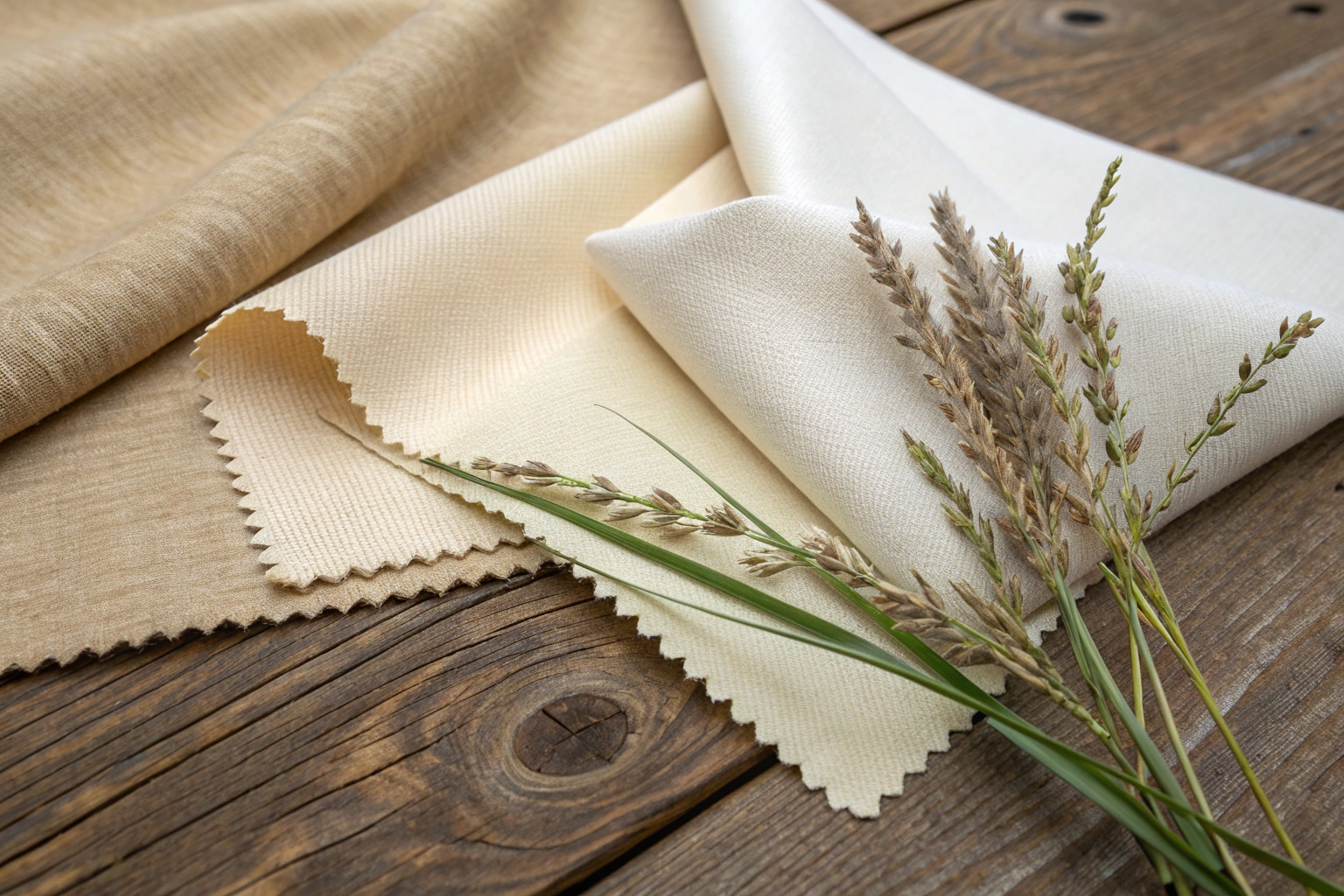
So, what exactly is ramie fabric, and how does it stack up against linen? Ramie is a bast fiber, like linen, but sourced from the stalks of the Boehmeria nivea plant, a member of the nettle family. The comparison to linen is inevitable—both are celebrated for their breathability and natural aesthetic. However, ramie distinguishes itself with a higher inherent luster, greater strength (it’s one of the strongest natural fibers), and a remarkable ability to retain its shape and crisp finish. Think of linen as the relaxed, lived-in artist; ramie is the impeccably tailored architect—equally natural, but with a more defined and durable poise.
Understanding the nuances between these two fibers is key for designers, brands, and conscious consumers making informed sourcing decisions. The choice isn’t about which is better, but which is better for your specific application. Let’s dive into the details of ramie and put it side-by-side with linen across all the metrics that matter.
Where Does Ramie Come From and How Is It Made?
Ramie’s story begins long before it reaches the loom. Unlike cotton, which is cultivated primarily for its fluffy bolls, ramie is prized for the long, strong fibers hidden within its stalks. Its history is rich, with evidence of use in ancient Egypt and China for thousands of years, often for mummy wrappings and ceremonial garments due to its durability. Today, China remains the world’s leading producer, with the fiber deeply embedded in the textile traditions of regions like our home in Keqiao.
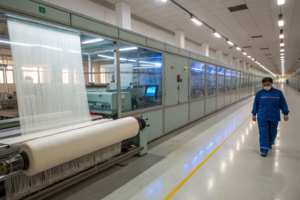
The journey from plant to fabric is labor-intensive, which historically limited its widespread adoption. The outer bark of the ramie stalk is stripped away to reveal the inner bast fibers. These fibers are then subjected to a meticulous degumming process to remove the natural gums and pectins that bind them. This step is crucial—it’s what liberates the individual fibers to be spun into the smooth, lustrous yarn that defines high-quality ramie cloth. Modern production has refined this process, but it still requires expertise to balance efficiency with preserving the fiber’s innate qualities.
What is the Traditional and Modern Production Process?
The traditional method of processing ramie is a testament to craftsmanship. After harvesting, the stalks are decorticated (the outer bark is scraped off), and the ribbons of bast fiber are dried. They then undergo repeated soaking, scraping, and washing to remove the gums—a process that can be done manually. The modern, scaled-up process uses controlled chemical degumming baths, which are more efficient but require precise management to avoid damaging the delicate cellulose fibers. At our partner mills, we’ve seen a hybrid approach: using optimized chemical degumming followed by mechanical softening, which enhances the fiber’s natural softness while maintaining its legendary strength. For those interested in sustainable textiles, learning about the environmental impact of bast fiber processing offers deeper insight into how traditional and modern methods compare.
Why is Ramie Considered a Sustainable Fiber Choice?
Ramie scores highly on several sustainability metrics. The plant itself is a perennial, meaning it doesn’t need to be replanted every year, reducing soil disruption. It’s naturally resistant to many pests and diseases, significantly reducing the need for pesticides and insecticides compared to conventional cotton. Furthermore, almost every part of the plant can be used, minimizing waste. The degumming process, especially with advanced closed-loop water systems, can be managed to treat and recycle water. From a lifecycle perspective, ramie fabric is biodegradable and durable, promoting a longer product life. When you source ramie fabric from ethical suppliers in Asia, you’re often supporting agricultural communities and production chains that prioritize these eco-friendly practices. It’s a fiber that aligns with the growing demand for materials that are kind to both the skin and the planet.
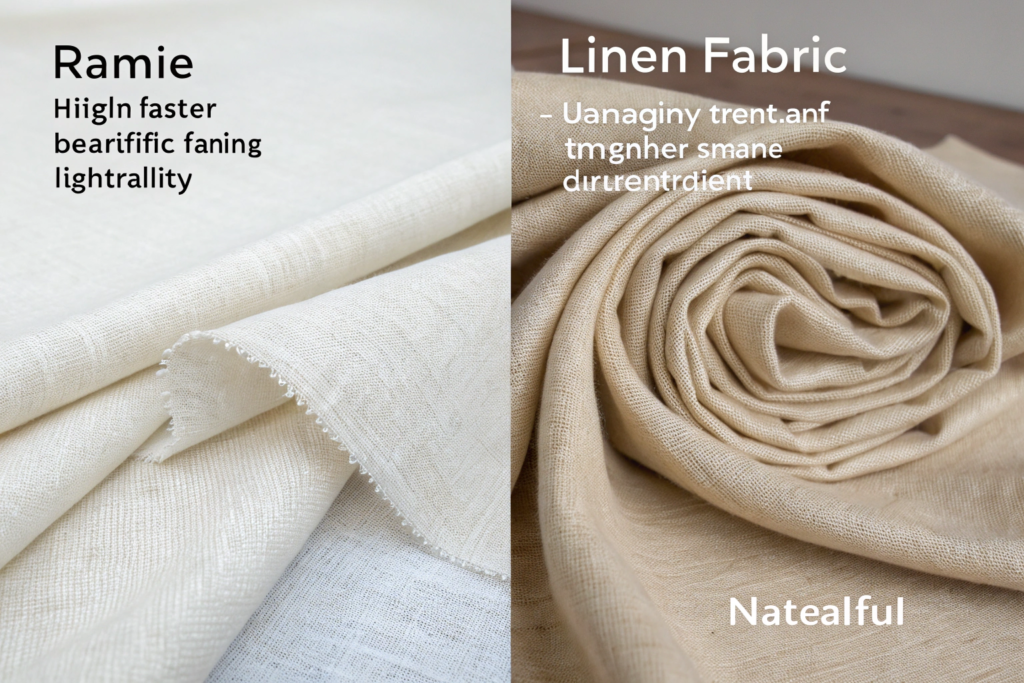
Ramie vs. Linen: A Detailed Property Comparison
Choosing between ramie and linen isn't about finding a winner; it's about matching fiber properties to design intent. Both excel in warm weather, but their personalities diverge in key areas that affect drape, handle, care, and longevity. A practical way to compare is to think of them as siblings with different strengths—linen is the effortlessly cool one, while ramie is the reliably polished one.
To make an informed decision, designers need to look beyond the generic "natural and breathable" label. The differences in moisture absorption, tensile strength, and aesthetic evolution over time will directly influence customer satisfaction and product performance. For instance, a brand aiming for a structured, crisp poplin shirt that holds its shape through a humid day would lean towards ramie, while one seeking a softly wrinkled, relaxed-fit tunic might prefer linen.

How Do They Differ in Breathability and Moisture Management?
Both fibers are champions of breathability due to their hollow structure, which allows for excellent air circulation. However, their moisture management profiles differ subtly. Linen is known for its high absorbency, able to absorb up to 20% of its weight in moisture without feeling damp, and it wicks moisture away from the body rapidly. Ramie is equally absorbent but has an even higher rate of moisture evaporation. This means ramie can feel cooler to the touch in extreme humidity, as it releases absorbed moisture back into the air more quickly. In a 2023 project for a golfwear brand in Florida, we developed a blended fabric with ramie and recycled polyester. The brand reported that garments made with this blend consistently received feedback for feeling "noticeably cooler and drier" during long rounds compared to their previous linen-cotton blends, thanks to ramie’s superior evaporation rate. This makes ramie a top contender for high-performance summer apparel fabrics.
Which Fabric is Stronger and More Durable?
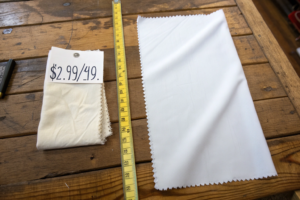
This is where ramie truly stands out. Ramie fiber is one of the strongest natural fibers—when wet, it can be up to 8 times stronger than cotton and significantly stronger than linen. This translates into exceptional fabric durability. Ramie resists abrasion better than linen and is less prone to tearing. Furthermore, it has excellent resistance to mold, mildew, and bacteria, a property inherent to the fiber itself. Linen is also durable, but it tends to soften and weaken with repeated washing and abrasion over time. Ramie, while softening slightly, retains its structural integrity and crisp hand feel much longer. A client from Sweden producing luxury home textiles switched part of their table linen line to ramie after testing showed our ramie damask napkins maintained their pristine, sharp folds and bright white color through 50+ industrial washes, outperforming their premium linen counterparts. For projects demanding longevity, understanding the technical specifications of heavy-duty natural fabrics is essential, and ramie often leads the list.
What Are the Best Applications for Ramie Fabric?
Ramie’s unique blend of properties—its strength, luster, moisture-wicking ability, and shape retention—opens up a world of applications beyond just "summer shirts." Designers who understand how to leverage these characteristics can create standout products that offer both aesthetic appeal and functional superiority. It’s a fiber that invites innovation, whether used in its pure form or in intelligent blends that enhance other materials.
From our experience working with global brands, ramie’s stiffness in its pure, heavyweight form can be a design feature for structured items, while finer, blended yarns unlock fluidity for draping garments. The key is to work with a supplier who understands these nuances and can guide you on yarn counts, weaves, and finishes to achieve your desired outcome. (Here’s a tip from our production floor: a light enzyme wash on pure ramie can introduce a beautiful, soft lustrous hand without sacrificing too much body.)
Is Ramie Suitable for Structured Garments and Suiting?
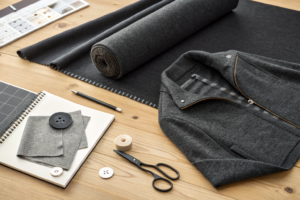
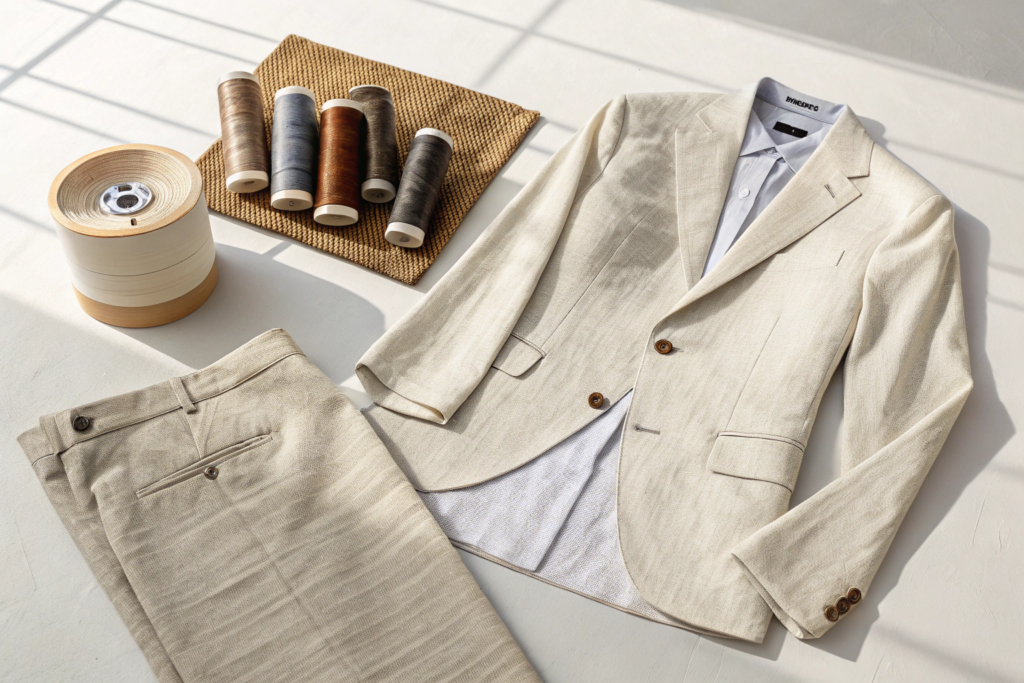
Absolutely. This is one of its star applications. Ramie’s innate body and resistance to sagging make it an ideal choice for structured blazers, tailored trousers, crisp shirting, and elegant dresses where a sharp silhouette is desired. Unlike linen, which can become limp in humidity, ramie helps garments maintain their form. We recently developed a custom 100% ramie twill for a menswear startup in Milan focused on "travel suits." The fabric had enough weight and structure to look impeccable for business meetings but was breathable and wrinkle-resistant enough to survive a suitcase. The client’s sell-through data showed a 40% higher repeat purchase rate for the ramie suit compared to their linen offering, with customers citing "holds its shape" as the top reason. For designers exploring this, investigating sourcing technical natural fabrics for tailored clothing can provide valuable context, with ramie as a prime candidate.
How Does Ramie Perform in Blends with Other Fibers?
Blending is where ramie’s potential is exponentially unlocked. Its strengths can complement the weaknesses of other fibers beautifully:
- Ramie + Cotton: Adds strength, luster, and reduces shrinkage to cotton. Improves the durability of lightweight cotton voiles or poplins.
- Ramie + Linen: Creates a fabric with the best of both worlds—the texture of linen with enhanced strength and shape retention from ramie. It’s a classic, sophisticated blend.
- Ramie + Silk: Adds body and a subtle crispness to luxurious silk, making it easier to work with and less prone to static cling.
- Ramie + Synthetic (e.g., Polyester, Nylon): Enhances moisture management and comfort in performance wear. The synthetic component improves wrinkle recovery and reduces cost.
For example, a popular blend we produce for several contemporary womenswear brands is a 55% Ramie / 45% Cotton. It offers a beautiful drape that’s cooler and more lustrous than pure cotton, yet softer and more affordable than heavy pure ramie. Exploring innovative natural and synthetic fiber blend developments is a key trend, and ramie is increasingly playing a leading role in these fabric stories.
How Should You Care for and Source Ramie?
To preserve the unique qualities of ramie that made you choose it in the first place, proper care is essential. Unlike some delicate fibers, ramie is robust but responds best to specific handling. Simultaneously, sourcing high-quality ramie fabric requires an understanding of the supply chain to ensure you get a product that reflects its true potential, not a coarse, poorly processed imitation.
The care guidelines are straightforward but non-negotiable for maintaining luster and longevity. On the sourcing side, the critical factor is the degumming and spinning quality. A superior ramie yarn is clean, smooth, and consistent. As a supplier integrated into the Keqiao ecosystem, we’ve seen how cutting corners in degumming leads to a harsher hand and inconsistent dyeing—issues that can disappoint an end customer who expects ramie’s premium feel.
What Are the Optimal Washing and Maintenance Guidelines?
Ramie care is similar to linen but with an emphasis on retaining crispness. We always advise clients to include these care instructions:
- Washing: Machine wash cool on a gentle cycle or hand wash. Use a mild detergent. Avoid chlorine bleach, as it can weaken the fibers over time.
- Drying: Tumble dry on low heat and remove while slightly damp to minimize wrinkles. Line drying in the shade is ideal and enhances the fresh, natural scent. Avoid wringing the fabric harshly.
- Ironing: Iron while the fabric is still slightly damp on a medium-to-high heat setting. Ramie can withstand a hot iron, which helps achieve that signature crisp finish. For a softer look, iron on the reverse side.
- Storage: Store in a cool, dry place. It’s naturally resistant to moths but ensure garments are clean before storing.
A common mistake is over-drying, which can set in stubborn wrinkles. A client selling ramie tablecloths initially faced returns due to deep-set creases. After we worked with them to revise their care labels to recommend "line dry or tumble dry low, remove promptly," the return rate for wrinkling dropped to near zero. Providing clear care advice is part of supplying a quality product, much like ensuring proper sustainable fabric certifications and traceability.
What Should You Look for When Sourcing Quality Ramie?
When evaluating a ramie fabric supplier or sample, focus on these points:
- Hand Feel: It should be smooth with a distinct, dry luster. It may feel slightly stiff initially but should not be scratchy or coarse. That’s a sign of incomplete degumming.
- Yarn Evenness: Look for consistent yarns with minimal slubs or thick/thin spots (unless that’s a deliberate aesthetic). High-quality spinning is key.
- Color Fastness: Especially for dyed ramie. Ask for test reports (we provide them digitally via QR code for every batch). Ramie should dye beautifully to vibrant colors.
- Supplier Expertise: Can they explain the degumming process? Do they offer blends or finished fabrics? An expert partner like Shanghai Fumao doesn’t just sell fabric; they guide you on weave selection (e.g., a plain weave for crispness, a twill for drape) and finishes to achieve your vision.
- Minimum Order Quantities (MOQs): This is crucial for startups. Pure ramie can have higher MOQs. Ask if they offer ramie-blend stocks or have lower MOQ programs for development. Our platform often allows sampling of ramie blends with MOQs as low as 100 meters, making innovation accessible.
Conclusion
Ramie fabric is not merely an alternative to linen; it is a distinguished natural fiber with a proud heritage and a formidable set of technical attributes. Its superior strength, elegant luster, exceptional moisture management, and enduring crispness carve out a unique niche in the textile landscape. While linen offers a beloved, relaxed texture and superb absorbency, ramie provides unparalleled structure, durability, and a polished aesthetic that stands the test of time and wear.
The choice ultimately hinges on the emotional and functional requirements of your product. Are you crafting a garment that embodies relaxed, earthy comfort? Linen may be your soulmate. Are you engineering a product that demands sharp silhouettes, long-lasting performance, and a refined, cool touch? Then ramie deserves your serious consideration. For designers and brands ready to explore the potential of this remarkable fiber, from pure woven constructions to innovative blends, having a knowledgeable partner on the ground is invaluable.
If the unique properties of ramie resonate with your next collection—whether for fashion, homewares, or technical applications—we invite you to experience the difference quality makes. At Shanghai Fumao, with our deep roots in China’s textile heartland, we specialize in guiding brands through the nuances of fibers like ramie, from sourcing premium yarns to executing flawless production. Let’s discuss how ramie can elevate your designs. Reach out to our Business Director, Elaine, at elaine@fumaoclothing.com to begin the conversation about developing your perfect fabric.