
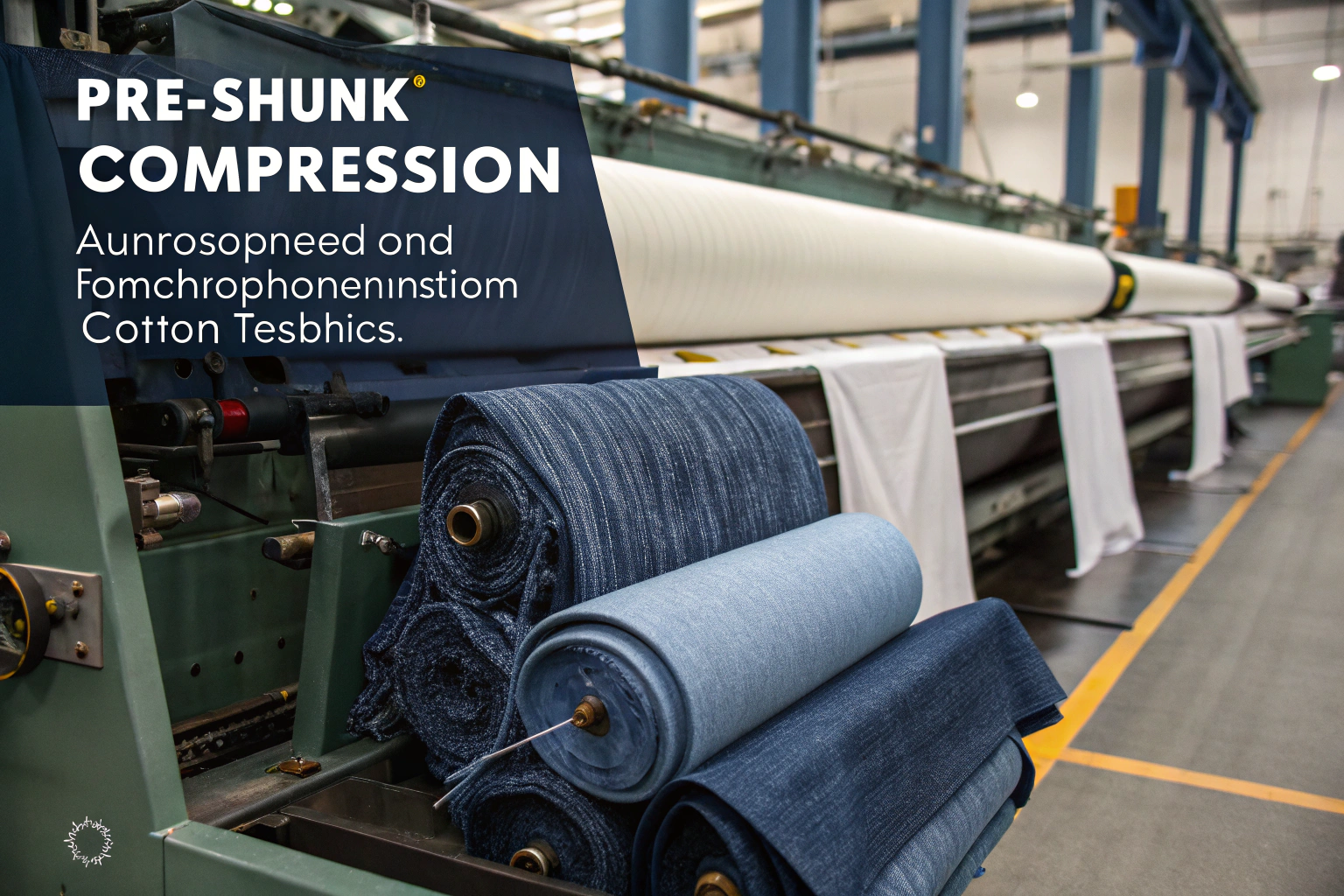
Watching meticulously crafted garments distort after initial washing remains a persistent challenge in apparel production. This dimensional instability in textiles often triggers customer returns and brand reputation damage. Mastering fabric shrinkage control transcends technical detail—it directly determines end-product quality.
Pre-shrunk fabrics undergo mechanical compression during manufacturing to minimize post-wash shrinkage. Sanforization represents a specialized pre-shrinking process for woven cotton textiles. These engineered materials become indispensable when producing garments demanding precise dimensional stability, ensuring suits and denim maintain their original cut throughout product lifecycle.
This analysis deciphers the technological principles and application scenarios of pre-shrinking. Understanding this crucial process helps prevent product defects caused by dimensional changes, enabling creation of reliable, high-quality apparel.
How Do Pre-Shrinking and Sanforization Differ?
Textile professionals frequently use these terms interchangeably, creating technical confusion during procurement. While both target shrinkage reduction, their technological foundations and application ranges contain fundamental differences.
Sanforized denotes a legally protected trademark process specifically for cotton woven fabrics. Pre-shrunk serves as a generic term encompassing various shrinkage control methods, including treatments for knitted fabrics and other materials.
Accurate comprehension of this distinction facilitates precise technical communication with suppliers, ensuring obtained products meet performance expectations.
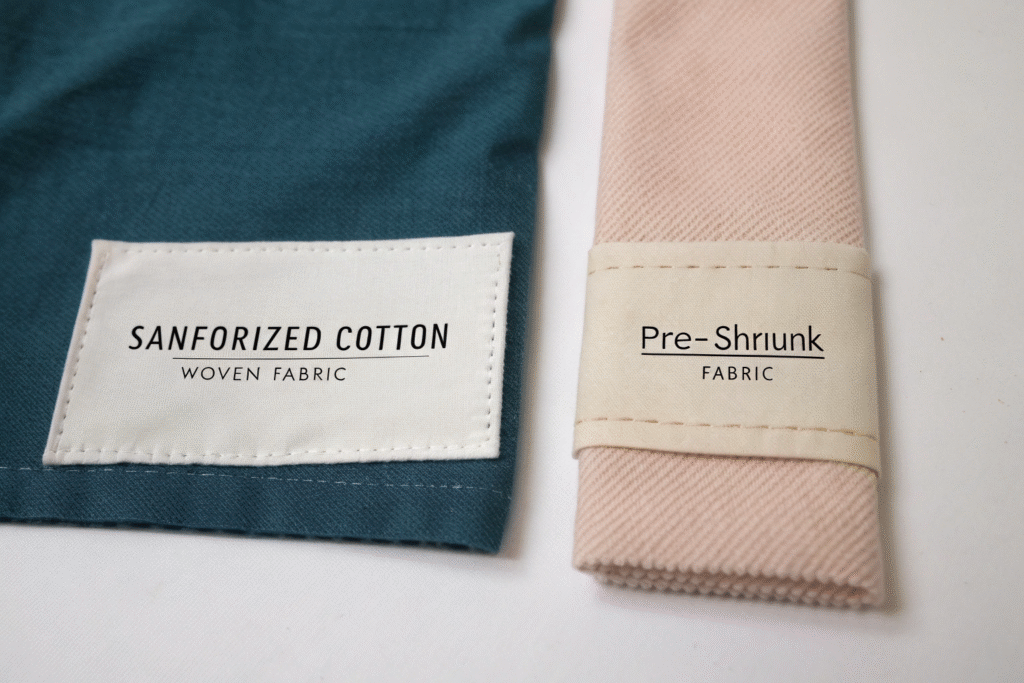
What Mechanisms Drive Sanforization Machines?
This patented process achieves fabric compression through precision machinery. Steam humidification softens fibers, while cloth conveyance via rubber belt to heated rollers creates critical compression. The belt's contraction phase generates longitudinal fabric shrinkage, constraining residual shrinkage within 1%. Standardized operational protocols are documented in International Organization for Standardization technical specifications.
What Limitations Affect Conventional Pre-Shrinking Methods?
Standard pre-shrinking encompasses multiple approaches including washing and heat setting. Although moderately effective in shrinkage improvement, these lack Sanforization's precision control. Regular pre-shrunk fabrics typically retain 3%-5% residual shrinkage with unreliable batch consistency. For apparel requiring exact dimensions, requesting American Association of Textile Chemists and Colorists test reports provides crucial quality verification.
Which Scenarios Mandate Pre-Shrunk Fabrics?
Fabric selection requires balancing cost, aesthetics and functionality. When dimensional accuracy directly impacts product utility, pre-shrunk fabrics transition from option to necessity.
Tailored clothing, corporate uniforms, and academic wear demanding strict size consistency fundamentally require pre-shrunk textiles. Minor dimensional deviations could render garments unusable, making this a core strategy for brand value preservation.
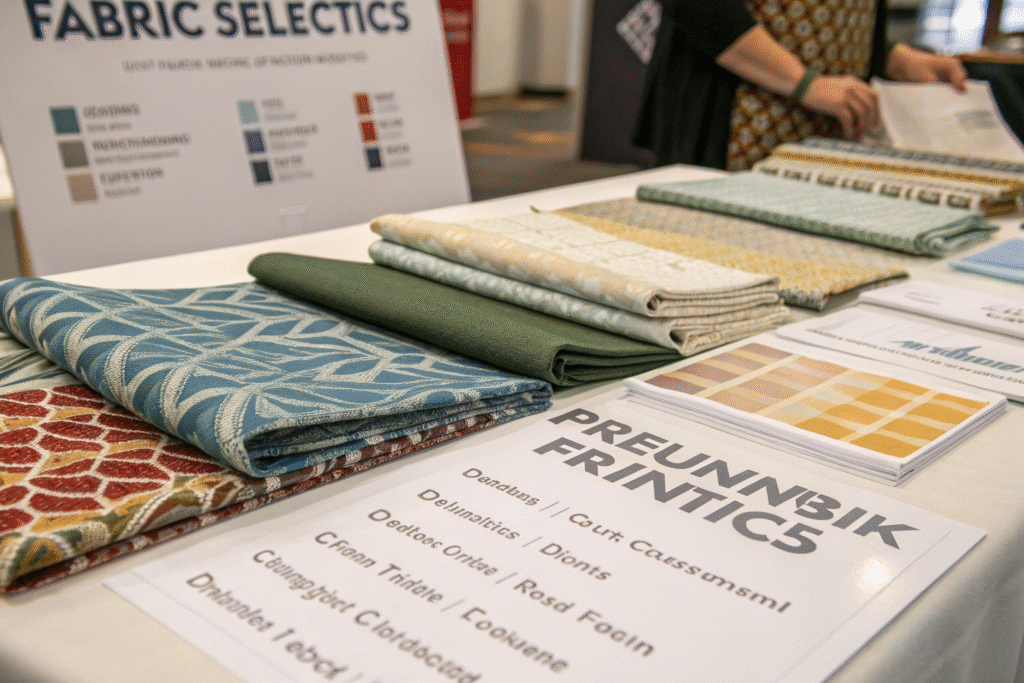
Why Do Professional Apparel Need Pre-Shrinking?
Uniforms embody corporate image while enduring frequent laundering. Inconsistent shrinkage in police or medical uniforms compromises professional presentation. Restaurant staff wearing distorted uniforms face operational hindrances, while industrial protective gear shrinkage creates safety risks. Our rigorous shrinkage control system for uniform fabrics ensures dimensional stability across bulk orders.
How Does Fabric Selection Impact Children's Wear Sizing?
Children's growth rate shouldn't be outpaced by fabric shrinkage. Inaccurate size labels destroy parental trust, damaging brand reputation. Pre-shrunk treatment applied to core items like t-shirts and jeans guarantees maintained labeled dimensions during wear period. Our international standard testing for children's wear fabrics establishes dual protection for brands and consumers.
How Is Fabric Shrinkage Tested and Guaranteed?
Commercial trust requires data verification, with professional manufacturers validating performance through standardized testing. Understanding these methods helps establish scientific supplier evaluation systems.
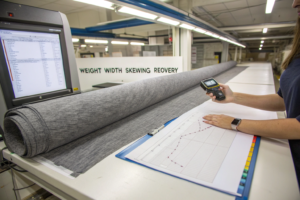
Laboratories determine fabric shrinkage by simulating domestic laundry environments. Following AATCC TM 135 standards, technicians measure dimensional changes at marked points before and after washing, calculating percentage shrinkage. Our CNAS laboratory certification provides internationally recognized authority for test data.

Which International Standards Govern Shrinkage Testing?
Textile industries predominantly adopt AATCC 135 and ISO 5077 as testing benchmarks. These specifications detail critical parameters including sample dimensions, washing cycles, and drying methods. Uniform standard adherence ensures cross-comparable results, with our test reports fully compliant with international testing protocols.
What Value Do Fabric Test Reports Provide?
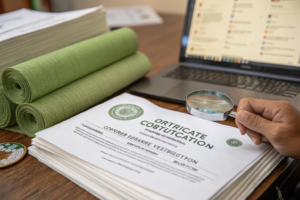
This document functions as quality insurance. Professional reports specify testing standards, batch identification, and warp-weft shrinkage data. Premium sanforized denim typically shows under 2% shrinkage. Requesting test reports simultaneously filters qualified suppliers and provides dispute resolution basis. Our transparent quality assurance framework builds trustworthy collaboration.
How Does Fumao Ensure Fabric Dimensional Stability?
We deliver certainty beyond mere fabric supply. Recognizing how brand value connects to each garment, we've established comprehensive dimensional control systems.
Full-chain oversight from raw material selection to finishing treatments forms our quality foundation. Through sanforizing, heat setting technologies, and CNAS laboratory batch verification, clients receive stable products conforming to international standards.
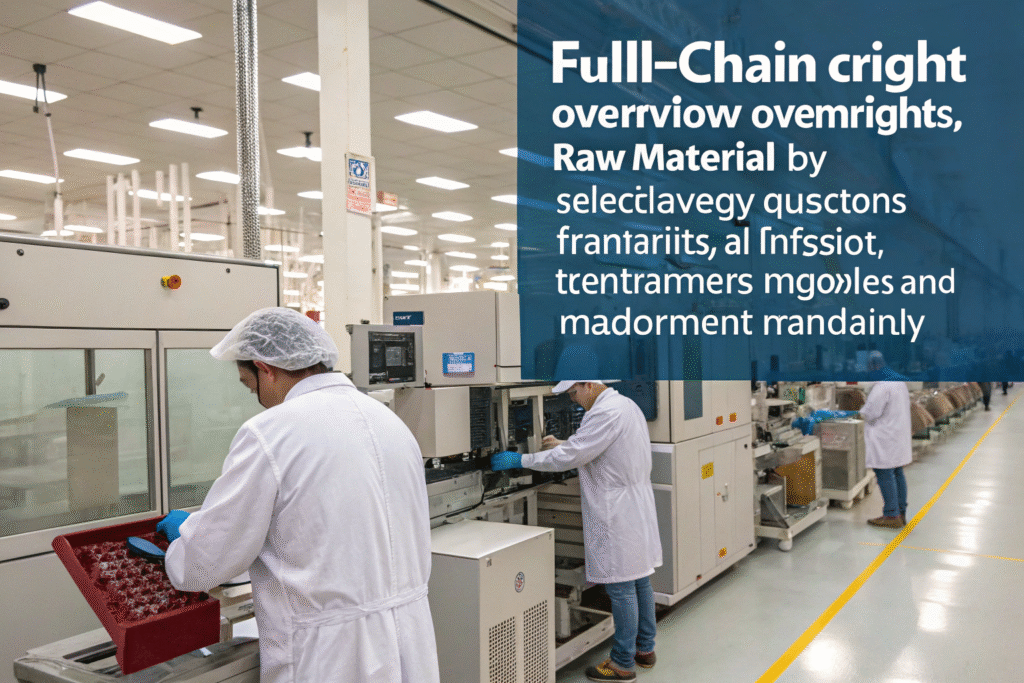
How Does Integrated Quality Control Operate?
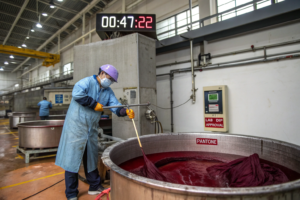
Shrinkage control permeates each production phase. Weaving focuses on tension regulation, partner dyehouses implement precision pre-shrinking, while laboratories conduct whole-process sampling verification. This management system operated by specialized teams ensures American clients consistently receive products with 98% acceptance rate.
How Does Technical Expertise Resolve Shrinkage Problems?
We consistently begin from client pain points. Facing shrinkage issues, we provide complete technical solutions: sharing test data before bulk production, developing customized fabrics through R&D teams, and managing complete cross-border logistics. This deep cooperation model ensures every fabric shipment meets predetermined standards.
Conclusion
Mastering pre-shrunk fabric knowledge constitutes essential learning for brand development. Transitioning from aesthetic choice to strategic decision requires professional technical support. Insisting on certified pre-shrunk fabrics with verified test data protects commercial investment while building consumer trust.
Seeking reliable partners for dimensionally stable apparel production? We stand ready with professional support. Contact Business Director Elaine (elaine@fumaoclothing.com) to discuss injecting quality assurance into your next collection.

One Response
Heya! I just wanted to ask if you ever have any trouble with hackers? My last blog (wordpress) was hacked and I ended up losing many months of hard work due to no back up. Do you have any methods to prevent hackers?