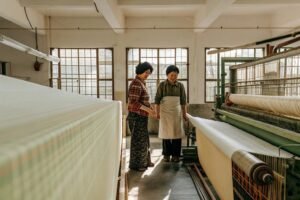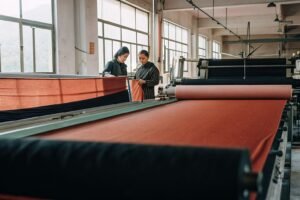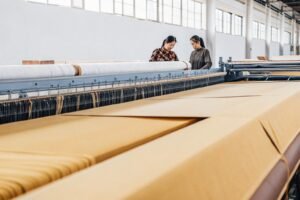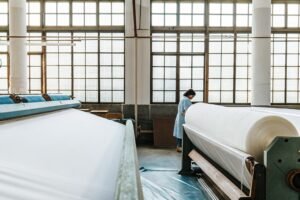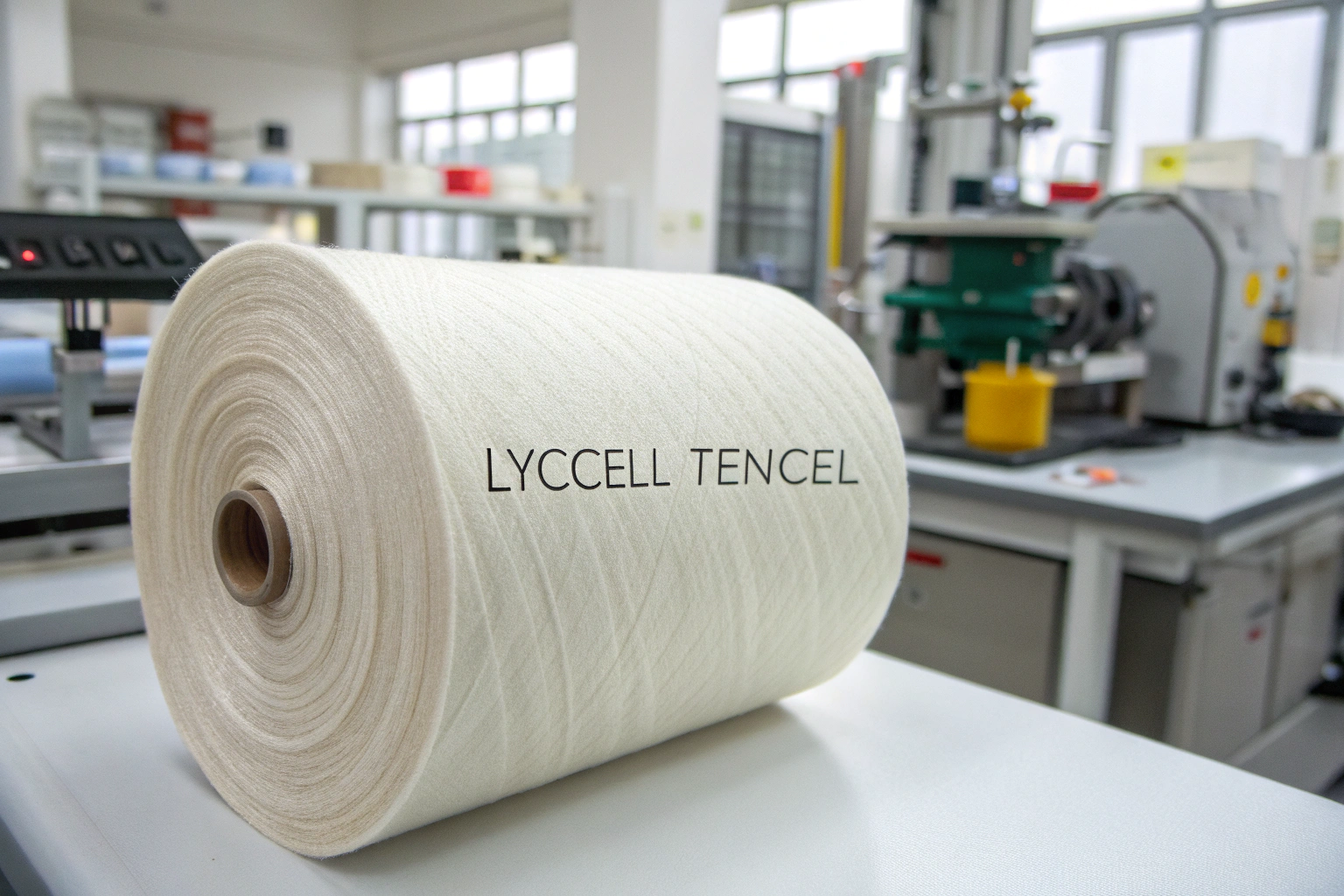
As the founder of Fumao Textiles with over twenty years in fabric manufacturing, I’ve observed numerous textile innovations emerge. However, Lyocell Tencel™ represents something fundamentally different from passing trends—it embodies the fashion industry’s decisive shift toward genuine environmental responsibility that aligns with contemporary ecological values.
Lyocell Tencel™ is a revolutionary regenerated cellulose fiber derived from sustainably sourced wood pulp, manufactured through an environmentally responsible closed-loop process that recycles water and reuses solvents. Its growing prominence in sustainable fashion originates from exceptional breathability, complete biodegradability, and significantly reduced environmental impact compared to conventional textiles—making it the preferred choice for eco-conscious brands and consumers who equally prioritize planetary health and product performance.
How is Lyocell Tencel™ fabric produced sustainably?
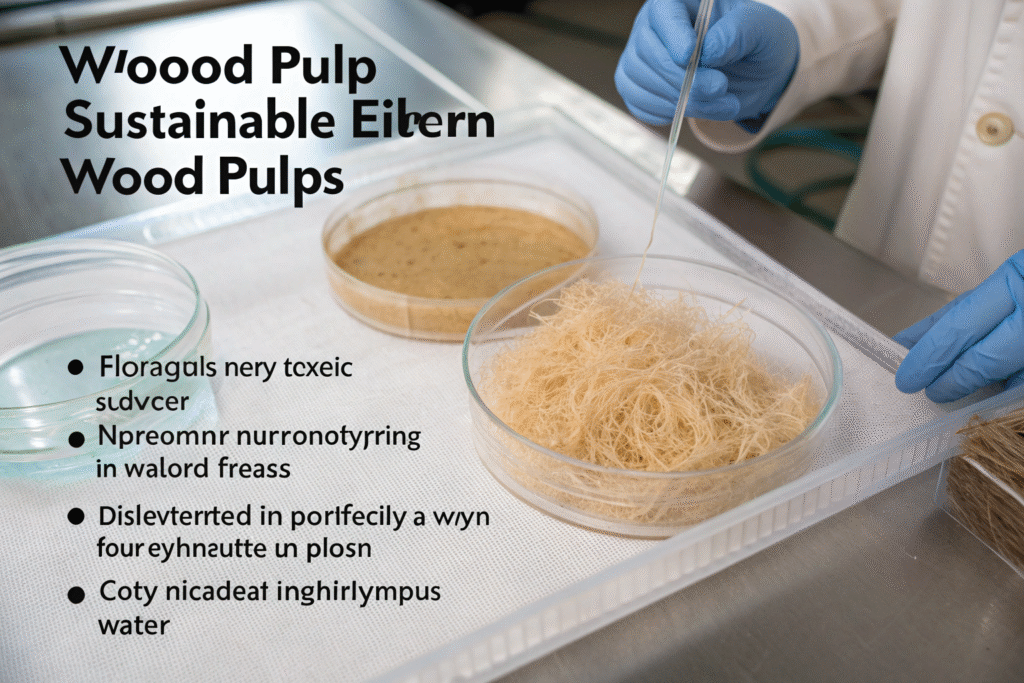
The manufacturing narrative of Lyocell Tencel™ fundamentally distinguishes it within sustainable textiles. Unlike conventional viscose production that employs harmful chemicals, Tencel™ utilizes an advanced closed-loop system that recovers and repurposes over 99% of solvents and water, establishing new benchmarks for circular manufacturing.
This sophisticated process initiates with wood pulp obtained from sustainably managed forests, mainly fast-growing eucalyptus trees that require neither irrigation nor pesticides. Manufacturers then dissolve this pulp in a non-toxic organic solvent called N-Methylmorpholine N-oxide (NMMO), which efficiently breaks down cellulose without generating hazardous byproducts. The resulting solution undergoes extrusion through microscopic openings called spinnerets to form continuous filaments that subsequent processes wash, dry, and cut into fibers ready for spinning into yarn.
What makes the Lyocell manufacturing process exceptionally eco-friendly?
The closed-loop production methodology constitutes a groundbreaking advancement in sustainable textile manufacturing. Whereas traditional viscose manufacturing releases toxic compounds into ecosystems, the Lyocell process recovers and reuses approximately 99.5% of solvent and water resources. This dramatically diminishes waste generation and environmental contamination while substantially conserving precious resources. The Lenzing Group’s sustainable production protocols have established unprecedented standards for the global textile industry, demonstrating that commercial-scale manufacturing can harmonize with ecological stewardship.
The exceptional energy efficiency of Lyocell production further strengthens its environmental credentials. Contemporary manufacturing facilities have achieved up to 30% reduction in energy consumption compared to conventional cotton processing, while water requirements register approximately ten times lower than cotton’s substantial hydrological footprint. These operational efficiencies translate into measurable advantages for brands pursuing improved sustainability metrics and for consumers seeking to make more environmentally responsible purchasing decisions.
How does comprehensive certification ensure Tencel™ supply chain transparency?
Third-party certification systems provide indispensable verification of Tencel™’s sustainable attributes. The OEKO-TEX Standard 100 certification guarantees fibers contain no harmful substances, while FSC (Forest Stewardship Council) and PEFC (Programme for the Endorsement of Forest Certification) ensure wood pulp originates from responsibly managed forests. These certification frameworks establish complete traceability throughout the supply chain, providing brands and consumers with verified confidence in their sustainable selections.
At our Keqiao manufacturing facilities, we’ve fully integrated these certification requirements into our quality assurance protocols. Our CNAS-accredited testing center validates that every Tencel™ fabric batch complies with these rigorous standards before client shipment. This meticulous due diligence ensures that when international clients procure Tencel™ fabrics from us, they receive materials that authentically align with their sustainability specifications and can confidently communicate this verified narrative to their customers.
What are the definitive performance benefits of Tencel™ fabric?
Beyond its environmental advantages, Tencel™ delivers exceptional performance characteristics that clarify its rapid adoption across fashion, activewear, and home textiles. The fiber’s unique molecular architecture creates functional benefits that frequently surpass both natural and synthetic alternatives.
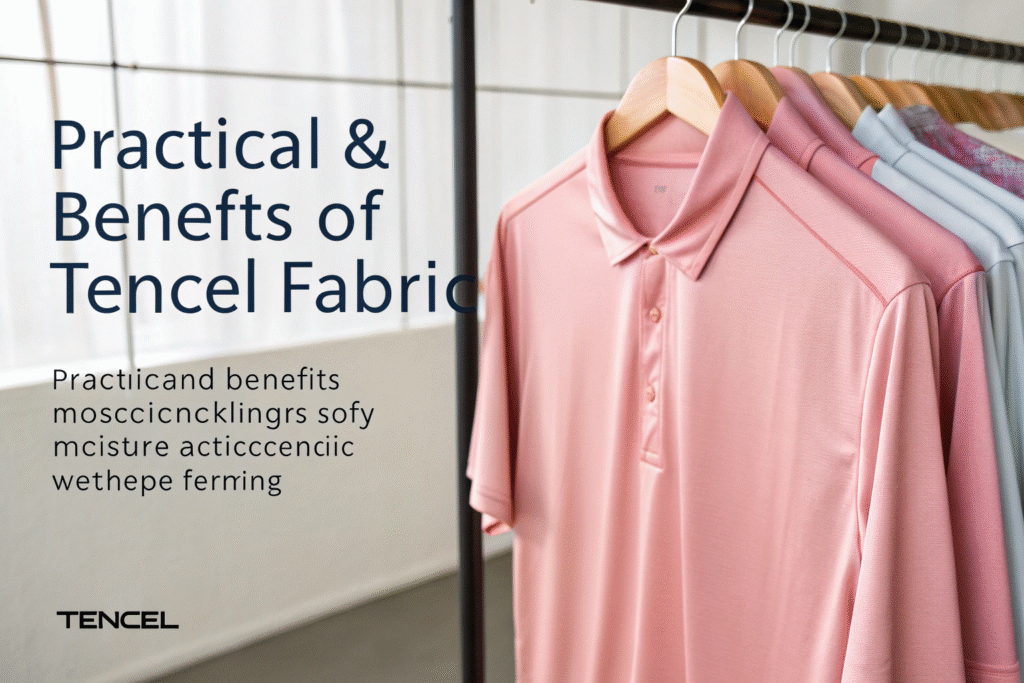
Tencel™ exhibits inherent moisture-wicking properties that transfer perspiration away from the skin more effectively than cotton, rendering it ideal for activewear and base layers. The fibers possess an exceptionally smooth surface that feels luxuriously soft against skin while resisting pilling and maintaining color vibrancy through repeated laundering. These practical benefits combine with elegant drape characteristics and a subtle luminosity that enhances the aesthetic appeal of any garment.
Why does Tencel™ provide exceptional comfort for sensitive skin?
The ultra-smooth fiber surface of Tencel™ creates textiles that feel noticeably softer than cotton or silk, without the prickliness occasionally associated with wool. This seamless surface means no microscopic projections irritate skin, establishing it as an outstanding selection for individuals with eczema, dermatitis, or general cutaneous sensitivity. The fiber’s enhanced breathability and superior moisture management further contribute to dermal comfort by maintaining an optimal microclimate adjacent to the skin, reducing the dampness that can aggravate skin irritation.
Medical and therapeutic applications have progressively incorporated Tencel™ for these skin-friendly properties. The National Eczema Association has formally recognized specific Tencel™ products as appropriate for eczema sufferers, validating what we’ve documented through client feedback. Brands emphasizing comfort and wellness increasingly formulate their collections with Tencel™ blends to provide both luxury and therapeutic advantages.
How does Tencel™ compare objectively with conventional fabrics?
When evaluated across multiple performance parameters, Tencel™ consistently outperforms both natural and synthetic alternatives. The following comparative analysis illustrates crucial differentiators:
| Property | Tencel™ | Cotton | Polyester |
|---|---|---|---|
| Moisture Absorption | 50% higher than cotton | Standard | Very low |
| Breathability | Excellent | Good | Poor |
| Softness | Exceptionally smooth | Soft initially | Varies |
| Biodegradability | Fully biodegradable | Biodegradable | Not biodegradable |
| Environmental Impact | Low water, closed-loop | High water usage | Petroleum-based |
| Durability | Strong when wet | Weakens when wet | Very strong |
This performance profile explains why activewear brands particularly value Tencel™. The integration of moisture management, structural strength, and wearing comfort creates garments that perform during physical activity while maintaining luxurious sensation against skin. Our research and development team has engineered specialized Tencel™ blends with minimal synthetic content that preserve these natural benefits while incorporating stretch and recovery properties essential for athletic applications.
What comprehensive sustainable fabrics does Fumao provide?
At Fumao Textiles, our sustainability commitment extends beyond Tencel™ to include an extensive assortment of eco-friendly materials serving diverse market requirements. We’ve strategically invested in developing a portfolio that enables clients to source multiple sustainable fabrics through a single reliable supplier.
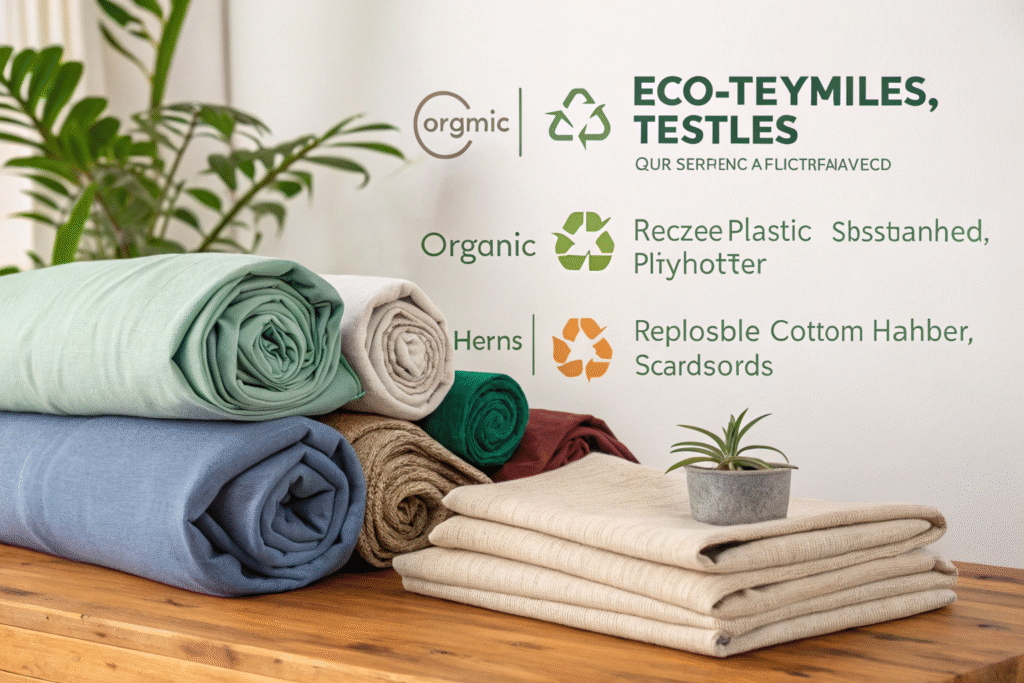
Our eco-textile assortment incorporates recycled polyester manufactured from post-consumer plastic containers, organic cotton certified to GOTS standards, bamboo-derived viscose from responsibly managed plantations, hemp fabrics requiring minimal agricultural inputs, and innovative blends combining the optimal properties of multiple sustainable fibers. This diversified methodology ensures that regardless of a brand’s specific sustainability priorities or budgetary parameters, we can deliver appropriate fabric solutions.
How do recycled fabrics enhance sustainable textile options?
Recycled synthetic textiles play a vital role in the circular economy by diverting waste from landfills and decreasing dependence on virgin petroleum resources. Our recycled polyester (rPET) demonstrates 30-50% lower carbon emissions relative to conventional polyester while maintaining identical performance characteristics. This renders it perfect for applications where natural fibers encounter limitations, including waterproof outerwear, high-performance athletic wear, and reinforced workwear.
The Textile Exchange’s Recycled Polyester standards direct our sourcing and verification procedures, ensuring transparency from raw material to finished textile. We’ve implemented sophisticated tracking systems that enable clients to authenticate recycled content percentages through documented verification, supplying the substantiation that environmentally conscious consumers increasingly expect. For cost-sensitive clients, these recycled alternatives frequently deliver sustainability benefits at more accessible price points than certain natural options.
Which certification standards validate fabric sustainability claims?
Independent certification systems supply the verification framework that transforms sustainability assertions from marketing rhetoric to credible commitments. Our facilities and processes adhere to numerous international standards that authenticate different aspects of environmental and social responsibility. The Global Organic Textile Standard (GOTS) certifies our organic cotton products from harvesting through production, while OEKO-TEX Standard 100 guarantees all textiles contain no harmful substances.
The Global Recycled Standard (GRS) verifies recycled content claims and tracks these materials throughout the supply chain, while FSC certification ensures wood-based fibers like Tencel™ and viscose originate from responsibly managed forests. For clients navigating the intricate landscape of sustainability claims, these certifications provide unambiguous, trustworthy guidance that streamlines decision-making and mitigates greenwashing risks.
How can international importers optimize Tencel™ fabric sourcing?
Global sourcing of sustainable fabrics presents distinctive challenges that demand specialized expertise for efficient navigation. At Fumao Textiles, we’ve engineered streamlined processes specifically designed to simplify Tencel™ procurement for American importers who value both sustainability and supply chain dependability.
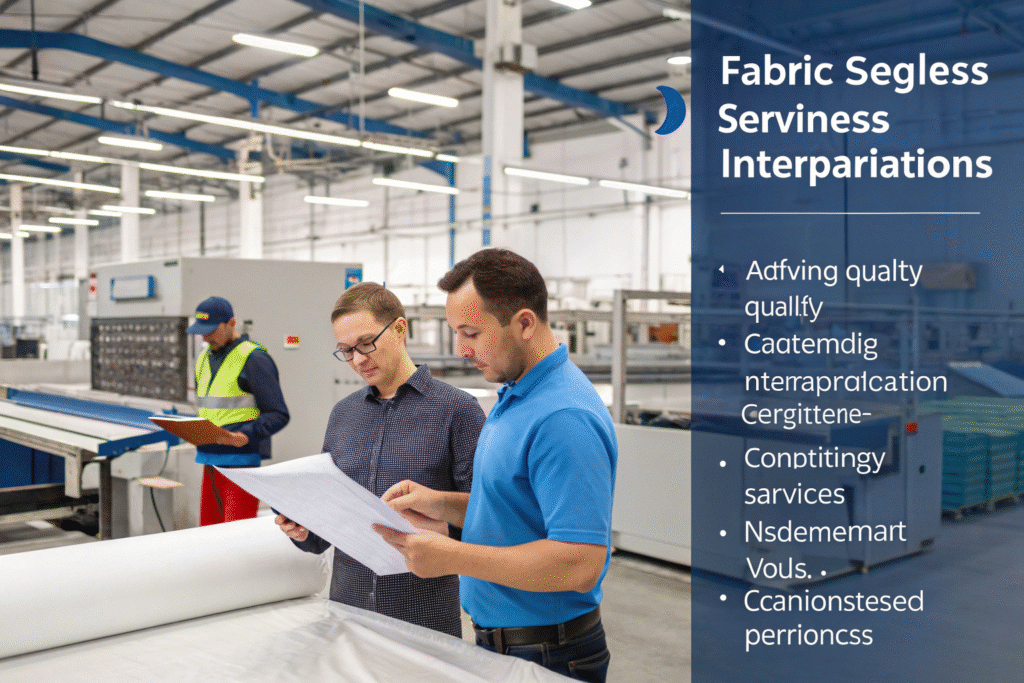
Our integrated service model combines fabric production with value-added services including quality verification, documentation preparation, logistics coordination, and customs compliance assistance. This comprehensive approach eliminates friction points that typically characterize international textile sourcing, particularly for materials with specific certification requirements. By internally managing these complexities, we empower clients to concentrate on design and marketing rather than import logistics.
What supply chain benefits does vertical integration provide?
Our strategic position within China’s largest textile cluster in Keqiao delivers access to unparalleled manufacturing capabilities and specialized knowledge. With direct relationships with spinning mills, weaving facilities, dyeing partners, and finishing specialists, we maintain quality control throughout the production process while leveraging specialized expertise at each stage. This vertical integration enables accelerated response times, consistent quality assurance, and enhanced pricing competitiveness compared to fragmented sourcing models.
The concentration of textile expertise in our region means we can rapidly address production challenges and implement quality enhancements throughout the manufacturing sequence. When clients require custom Tencel™ blends or specialized finishes, our local network facilitates rapid prototyping and sampling—typically within 48 hours rather than the weeks commonly needed through disconnected supply chains. This operational agility delivers substantial competitive advantage in rapidly evolving fashion markets.
How does Fumao guarantee quality and compliance for international export?
Our CNAS-accredited testing laboratory conducts rigorous quality inspections at multiple production stages, verifying physical properties, colorfastness, dimensional stability, and composition accuracy. For Tencel™ fabrics specifically, we validate fiber content and maintain chain-of-custody documentation to substantiate sustainability claims. This systematic approach delivers the consistent quality that international brands require while minimizing risks of rejected shipments or compliance complications.
Beyond physical testing, we supply comprehensive documentation packages that streamline import procedures for our American clients. These include certified certificate of origin documents, commercial invoices compliant with U.S. Customs and Border Protection requirements, and detailed packing lists that expedite customs clearance. For clients concerned about tariff implications, our expertise in classification and valuation helps optimize import costs while ensuring full regulatory compliance.
Conclusion
The emergence of Lyocell Tencel™ signifies more than another textile trend—it heralds a fundamental transformation in how the fashion industry approaches material selection, production ethics, and environmental accountability. This remarkable fiber merges sustainability credentials with performance benefits that regularly exceed conventional alternatives, generating simultaneous value for brands, consumers, and the planet. The closed-loop production methodology, skin-compatible properties, versatile applications, and complete biodegradability establish Tencel™ as a cornerstone of responsible fashion today and tomorrow.
At Fumao Textiles, we’ve directly witnessed how incorporating Tencel™ and other sustainable fabrics into our clients’ collections has reinforced their market positioning, enriched their brand narratives, and future-proofed their businesses against escalating regulatory and consumer demands for transparency and responsibility. Our investment in sustainable textile expertise and supply chain optimization reflects our dedication to being more than merely a fabric supplier—we strive to become strategic partners in our clients’ development and evolution.
If you’re prepared to investigate how Tencel™ and other sustainable fabrics can transform your product line while simplifying your international sourcing, we welcome you to contact our Business Director Elaine at elaine@fumaoclothing.com. With over two decades of experience connecting global brands with China’s textile capabilities, Elaine and her team deliver the expertise and reliability that discerning importers demand. Let’s explore how our sustainable fabric solutions can help you develop a more responsible, profitable, and distinctive fashion collection.