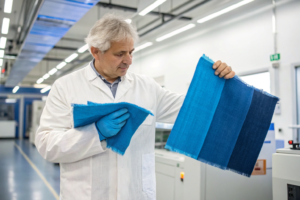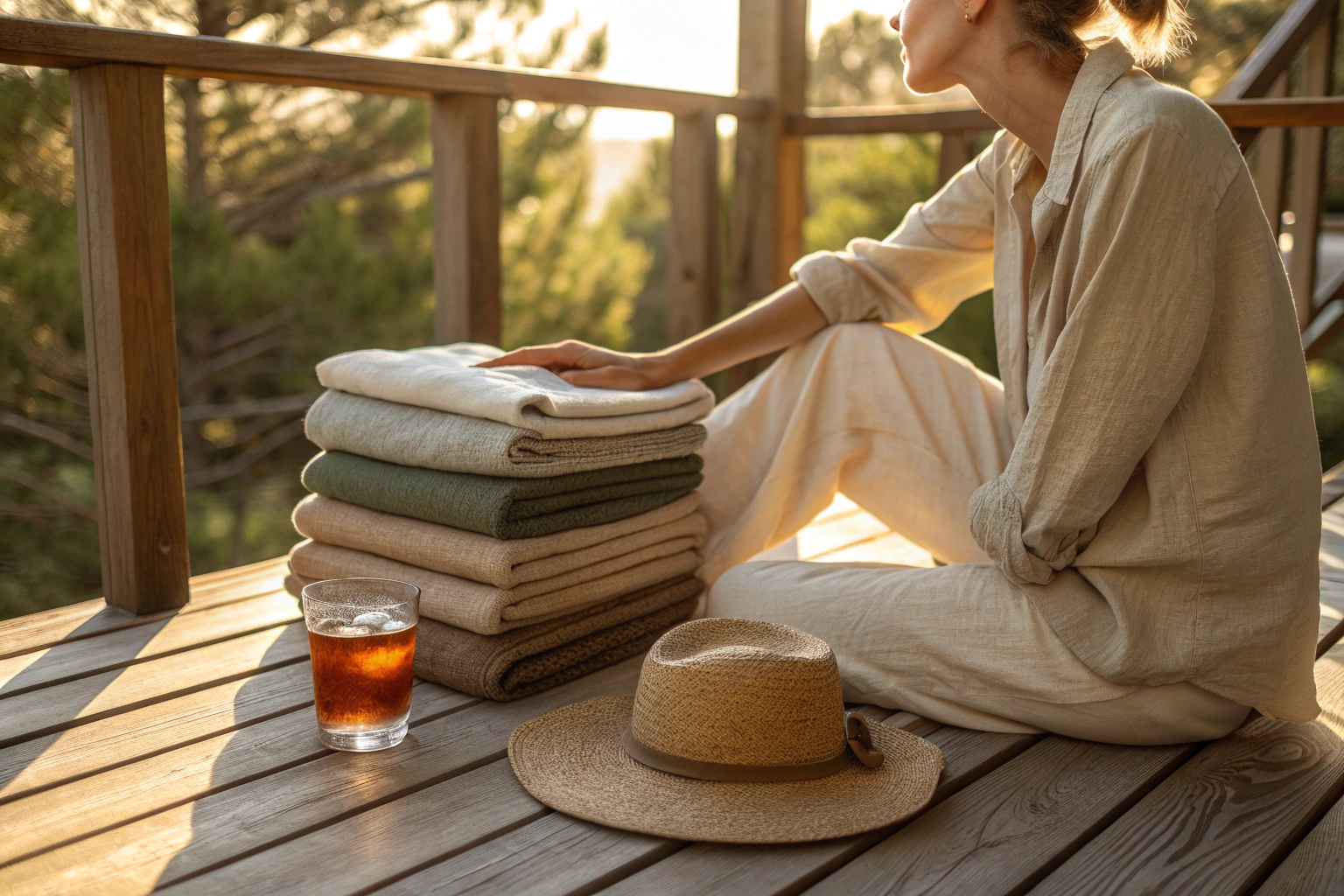
I'll be honest with you. For years, I didn't get the hype around linen-cotton blends. Linen alone? Beautiful fabric, ancient history, but it wrinkles if you look at it wrong. Cotton alone? Comfortable, reliable, but sometimes a little boring. Put them together? That's when the magic happens. Around 2018, we started getting more and more requests for linen-cotton blends, especially from European and American clients who wanted that "relaxed but refined" look for spring and summer collections.
Now, linen-cotton is one of our best-selling categories at Shanghai Fumao. We produce thousands of meters every month for clients ranging from fast-fashion brands in Europe to boutique designers in New York. The blend takes the best qualities of both fibers and creates something new—a fabric that breathes like linen, feels soft like cotton, and has a texture that just looks expensive. In this post, I'm going to explain exactly what linen-cotton blend is, why it's so popular right now, and how we produce it in our Keqiao facilities. I'll share real examples from our production—like the time in 2023 when we helped a French brand develop a custom linen-cotton for their summer dresses that sold out in weeks. Let's unravel this fabric together.
What Exactly is a Linen-Cotton Blend?
At its simplest, a linen-cotton blend is a fabric made by combining linen fibers and cotton fibers. They can be blended at different stages—either by mixing the fibers together before spinning into yarn, or by weaving cotton and linen yarns separately in the same fabric. The result is a textile that inherits characteristics from both parents.
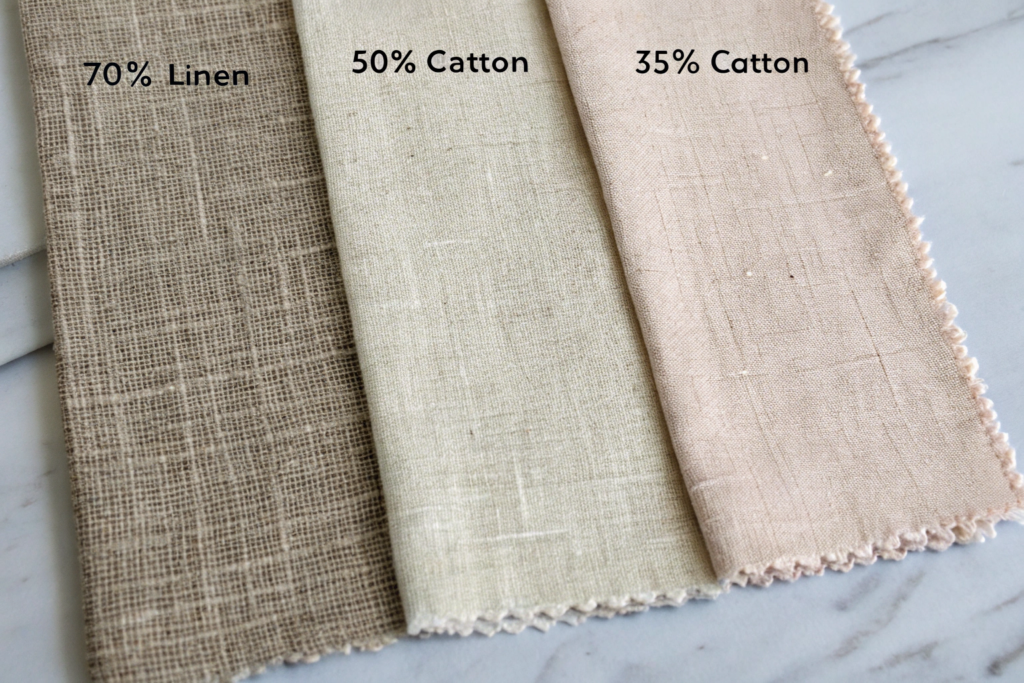
The blend ratio matters a lot. The most common blend we produce is 55% linen and 45% cotton. This gives you the texture and breathability of linen with the softness and strength of cotton. But we also do other ratios depending on the end use. A 70% linen / 30% cotton blend will be more textured, more "linen-like," with that slubby, irregular surface that designers love. A 70% cotton / 30% linen blend will be softer, smoother, and easier to care for, while still having some of linen's breathability and character.
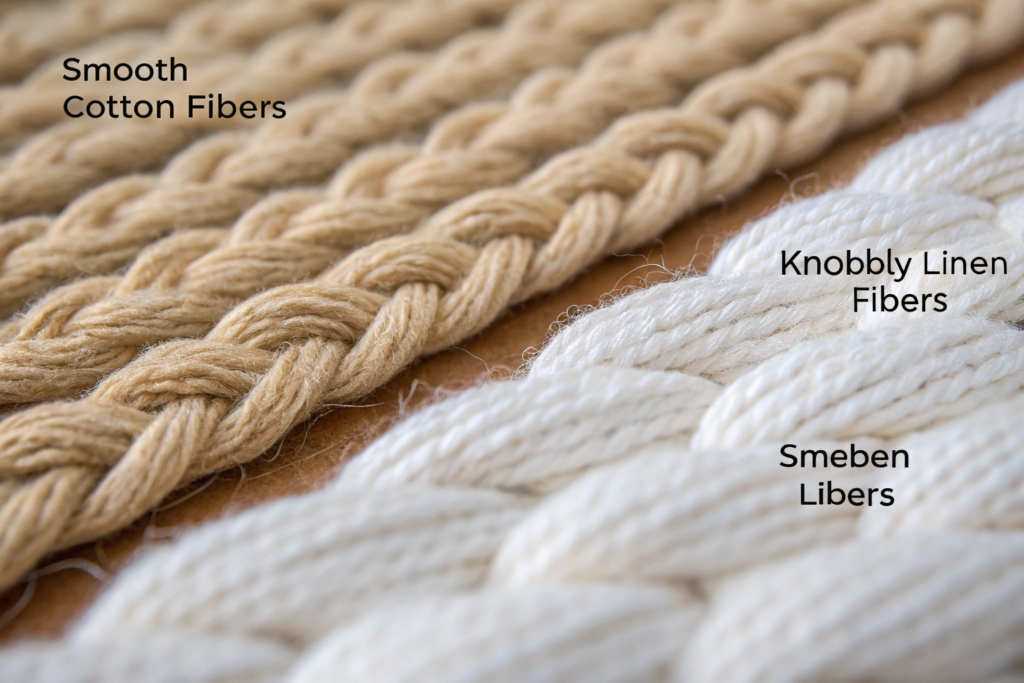
Why blend at all? Because each fiber covers the other's weaknesses. Linen is strong and breathable but wrinkles easily and can feel stiff or scratchy. Cotton is soft and comfortable but doesn't have the same crisp texture or moisture-wicking properties. Together, they create a fabric that's breathable, soft, textured, and more wrinkle-resistant than pure linen. It's a classic example of 1+1=3 in textiles. For a deeper dive into fiber blending, this textile technology blog explains the science behind how different fibers combine.
How is the blend actually made?
There are two main ways to create a linen-cotton blend, and the method affects the final fabric.
The first is fiber blending. This happens at the very beginning, in the spinning mill. We take bales of linen fiber and bales of cotton fiber, open them up, and mix them together mechanically. Then we card and draw the mixed fibers to align them, and finally spin them into a single yarn that contains both fibers. This creates a homogeneous blend—every inch of yarn has both linen and cotton. The fabric will have a consistent appearance and performance throughout. This is the method we use for most of our woven linen-cotton fabrics.
The second method is yarn blending or fabric construction. In this approach, we spin pure linen yarns and pure cotton yarns separately. Then, when we weave the fabric, we might use linen in the warp (lengthwise yarns) and cotton in the weft (crosswise yarns), or alternate them in patterns. This creates a fabric with different properties in different directions. It can also create visual interest, like a subtle stripe or texture. We use this method for some specialty fabrics where designers want a specific effect.
Both methods have their place. Fiber blending gives you uniformity. Yarn blending gives you design flexibility. When a client from Sweden asked us for a linen-cotton with a slightly "slubby," irregular surface in 2022, we used a fiber blend with a higher proportion of linen and a specific spinning technique to enhance the texture. The result was beautiful. This spinning and weaving blog has more detail on the technical differences.
Why is Linen-Cotton So Popular Right Now?
Fashion trends come and go, but linen-cotton feels like more than a trend. It's become a staple for a reason. I see it everywhere—from high-end designer collections to mass-market retailers. There are several factors driving this popularity, and understanding them helps you make better sourcing decisions.
First, comfort. People are prioritizing comfort in their clothing more than ever, especially after the pandemic. Linen-cotton is breathable, lightweight, and soft against the skin. It's perfect for the kind of relaxed, lived-in style that defines modern casual wear. You can wear it all day, and it just gets better.
Second, sustainability. Both linen and cotton are natural, biodegradable fibers. Linen, in particular, has a great environmental story—flax grows with minimal water and pesticides, and every part of the plant can be used. When you blend them, you get a fabric that's perceived as "natural" and "eco-friendly," which resonates with consumers today. We've seen huge growth in demand for linen-cotton from European brands that need to meet strict sustainability criteria.
Third, aesthetics. Linen-cotton has a unique look. It's not as perfectly smooth as cotton, not as rustic as pure linen. It's somewhere in between—a little texture, a little slub, a little character. That "imperfect" look is very desirable right now. It signals quality and naturalness. In 2023, a client from California told me their customers love linen-cotton because "it looks expensive but feels like pajamas." That's the sweet spot.
Fourth, versatility. Linen-cotton works for so many products: shirts, dresses, pants, jackets, home textiles like curtains and bedding. It drapes well, it sews well, and it takes dye beautifully. We produce it in everything from lightweight 120 GSM for blouses to heavier 220 GSM for structured jackets. This fashion trends blog has more on why this blend has captured the market's imagination.
Who is buying linen-cotton, and for what?
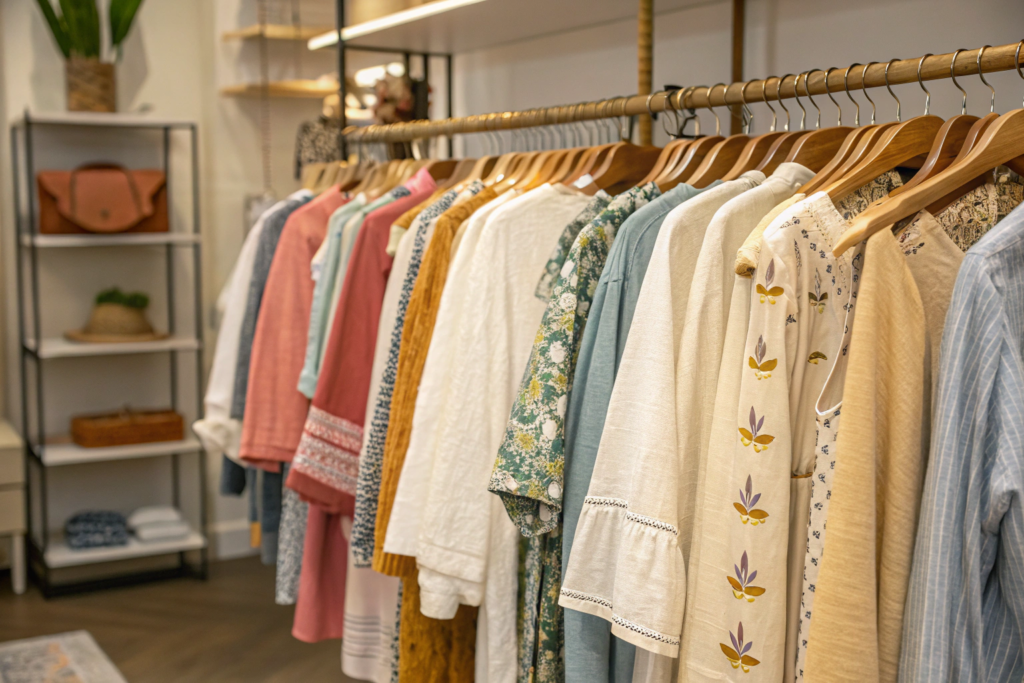
Our clients for linen-cotton are incredibly diverse. European fashion houses are a huge market. They love it for spring/summer collections—flowy dresses, relaxed trousers, unstructured jackets. The Italian brands, in particular, appreciate the texture and the way it drapes. We do a lot of business with clients in France and Italy who specify their own blend ratios and finishes.
The US market is also strong, especially for casual and resort wear. American brands love linen-cotton for shirts and shorts—that "coastal grandmother" aesthetic that was so popular a couple of years ago is basically built on linen-cotton. We supply fabric to brands in California, New York, and Texas.
Then there's the home textile market. Linen-cotton is huge for bedding, curtains, and upholstery. It breathes better than pure cotton, has more texture, and holds up well to washing. We've done projects with hotel chains in the Middle East who wanted linen-cotton blend bed linens for their high-end properties. The fabric kept guests cool in the heat while looking luxurious.
Even workwear is getting into linen-cotton. We've developed fabrics for corporate uniforms in warm climates—office shirts that look professional but breathe better than standard cotton. The blend resists wrinkles better than pure linen, so employees look neat all day. It's amazing how versatile this fabric really is.
How Does the Blend Ratio Affect the Fabric?
The ratio of linen to cotton is the most important decision you'll make when sourcing this fabric. It determines everything: the look, the feel, the performance, the price. Getting it right means understanding what you want the final garment to be.
Let's start with high-linen blends, say 70% linen and 30% cotton. This fabric is all about texture. It will have that classic linen slub—little irregularities in the yarn that give it character. It will be very breathable and moisture-wicking, perfect for hot, humid weather. But it will also wrinkle more, and the hand feel will be slightly crisper, maybe even a little rough to some people. This is for clients who want the authentic linen experience but with a touch of cotton softness. We did a run of 70/30 for a Danish brand in 2023 for their summer blazers. The fabric had enough body to hold the jacket shape but breathed like nothing else.
The 55% linen / 45% cotton blend is our workhorse. It's balanced. You get the texture and breathability of linen, but the cotton softens the hand feel significantly. Wrinkling is reduced compared to pure linen. It's easier to sew, easier to care for, and more versatile. This ratio works for almost any application—dresses, shirts, pants, skirts. When clients come to us unsure what they want, we usually start here. It's a safe bet that performs well.
High-cotton blends, like 70% cotton and 30% linen, are for clients who prioritize softness and ease of care. This fabric feels more like cotton—smooth, soft, comfortable. But the linen adds texture and breathability that pure cotton lacks. It wrinkles less than high-linen blends and is more durable. This is popular for children's wear, casual shirts, and bedding. We had a client in Australia who wanted linen-cotton for kids' summer pajamas. We used a 70/30 blend so the fabric would be soft against sensitive skin but still breathable for warm nights. This textile product development blog has a great guide on choosing the right ratio for different end uses.
How does the blend ratio affect dyeing and color?
This is a technical point that many buyers overlook. Linen and cotton dye differently. Linen absorbs dye differently than cotton, so in a blended fabric, you can get slight color variations between the two fibers. Sometimes this is a desired effect—it adds depth and character to the fabric. Other times, it's a problem.
In a high-linen blend, the color might look slightly "heathered" or mottled because the linen and cotton fibers are taking the dye slightly differently. This can be beautiful—it gives the fabric a natural, nuanced look. But if you need a perfectly solid, uniform color, you need to be careful. We adjust our dye formulas and processes to minimize differences when clients want a flat, even color.
In high-cotton blends, the color tends to be more uniform because cotton dominates. But you'll still see some subtle variation if you look closely. We embrace this as part of the aesthetic of linen-cotton. It's not a defect; it's a feature. When we dye linen-cotton for a client, we always produce strike-offs first so they can see the final color and decide if they like the effect. In 2022, a client from London wanted a perfectly uniform navy for their men's shirts. We had to do three rounds of strike-offs to get the dye formula just right so the linen and cotton looked the same. It's possible, but it takes expertise.
How Do We Produce High-Quality Linen-Cotton in China?
Producing linen-cotton blend fabric at scale requires specialized knowledge. Linen fibers are different from cotton—they're longer, stronger, and less flexible. If you don't handle them correctly during spinning and weaving, you end up with a rough, uneven fabric that's hard to sell. At Shanghai Fumao, we've invested in equipment and training to do it right.
The process starts with fiber selection. We source our linen from trusted suppliers, primarily from Europe (France and Belgium produce the best flax) and sometimes from China. The quality of the linen fiber matters enormously. Long-staple linen fibers produce smoother, stronger yarns. Short-staple fibers create more slub and texture, which some clients love and others hate. We work with clients to choose the right linen grade for their needs.
Spinning is where the magic happens. Blending linen and cotton fibers and spinning them into a uniform yarn requires precise machinery settings. Linen is stiffer and less elastic than cotton, so tensions have to be adjusted. We use specialized blending equipment that ensures the fibers are mixed evenly. If the blend isn't uniform, you'll get streaks or patches in the finished fabric. Our spinners have decades of experience, and they monitor the process constantly.
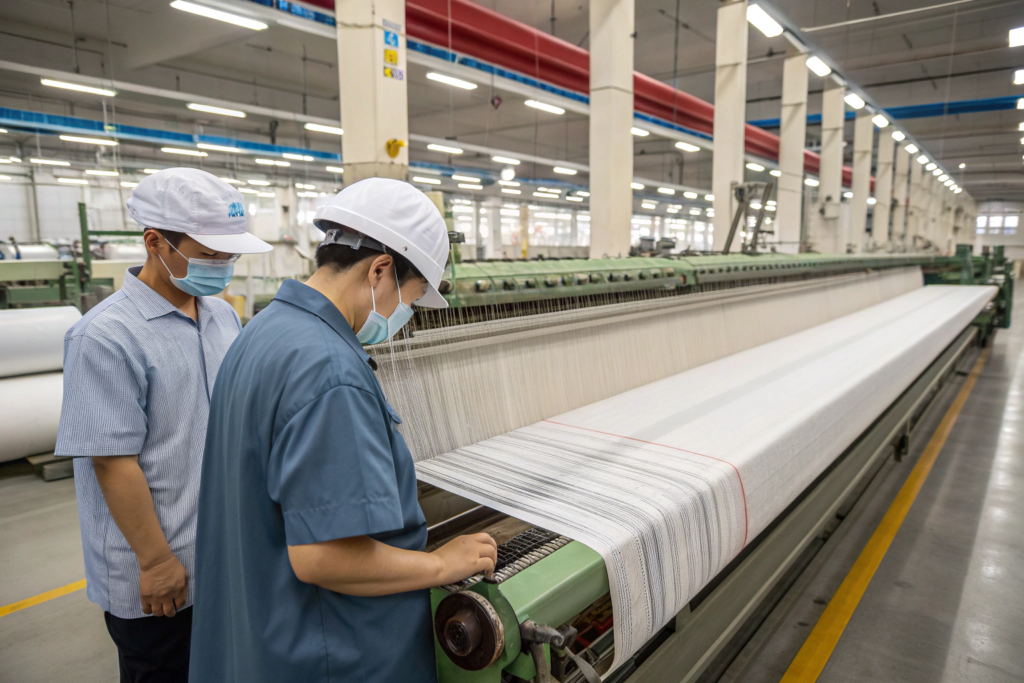
Weaving is the next step. Linen-cotton yarns can be woven on standard looms, but we adjust the settings to account for the yarn's properties. Weft insertion speeds, tension, and humidity all matter. We keep our weaving rooms at controlled humidity because linen yarns perform better with some moisture. For a German client in 2023, we wove a complex herringbone pattern in linen-cotton. It required constant adjustment to keep the pattern crisp and the fabric consistent. The result was beautiful, and the client has reordered three times since.
What about finishing linen-cotton?
Finishing is where we really add value. Linen-cotton fabric comes off the loom looking gray and feeling stiff. It's the finishing processes that bring it to life.
We typically start with desizing and scouring to remove the natural waxes and the sizing (a protective coating) applied during weaving. Then we might do a light bleach if the client wants a brighter white. For colored fabrics, we dye at this stage.
Then comes the mechanical finishing. We can run the fabric through a sanforizing machine to control shrinkage—critical for garments that will be washed. We can also do a "peach-skin" or sanding finish to soften the hand feel even more. For clients who want that ultra-soft, worn-in feel, we can do a garment wash or enzyme wash on the finished fabric.
One of the most requested finishes for linen-cotton is a "wrinkle-resistant" treatment. This is a chemical finish that helps the fabric resist wrinkling and makes it easier to iron. It's popular for shirts and blouses. But we have to be careful—some wrinkle-resistant treatments can stiffen the fabric or affect the breathability. We work with clients to find the right balance. This textile finishing blog has more details on the different options available.
What Are the Care and Durability Considerations?
Linen-cotton is durable, but it's not indestructible. Understanding how to care for it—and communicating that to your customers—is essential for a successful product. We test all our linen-cotton fabrics for shrinkage, strength, and wash durability so we can give accurate care instructions.
Shrinkage is the biggest concern. Linen and cotton both shrink, especially in the first wash. A fabric that hasn't been properly pre-shrunk might shrink 5-8%, which can ruin a garment. We pre-shrink all our linen-cotton fabrics using compaction or sanforizing machines. We also test shrinkage according to AATCC standards and provide the data. For a well-finished fabric, you can expect shrinkage of 3% or less.
Wrinkle resistance is the other big topic. Linen-cotton wrinkles less than pure linen, but it still wrinkles. That's part of its charm for many consumers. But if you want a more polished look, you need to iron it, or you can request a wrinkle-resistant finish. We tell clients to be honest with their customers—market it as a fabric that relaxes and softens with wear, not as a no-iron fabric.
Durability is excellent. Linen is one of the strongest natural fibers, and cotton adds abrasion resistance. A well-made linen-cotton fabric will last for years. We test for abrasion resistance using the Martindale test, and linen-cotton typically performs well, especially in higher cotton blends. For a client making upholstery fabric in 2022, we developed a heavy linen-cotton that passed 30,000 Martindale cycles—enough for heavy residential use.
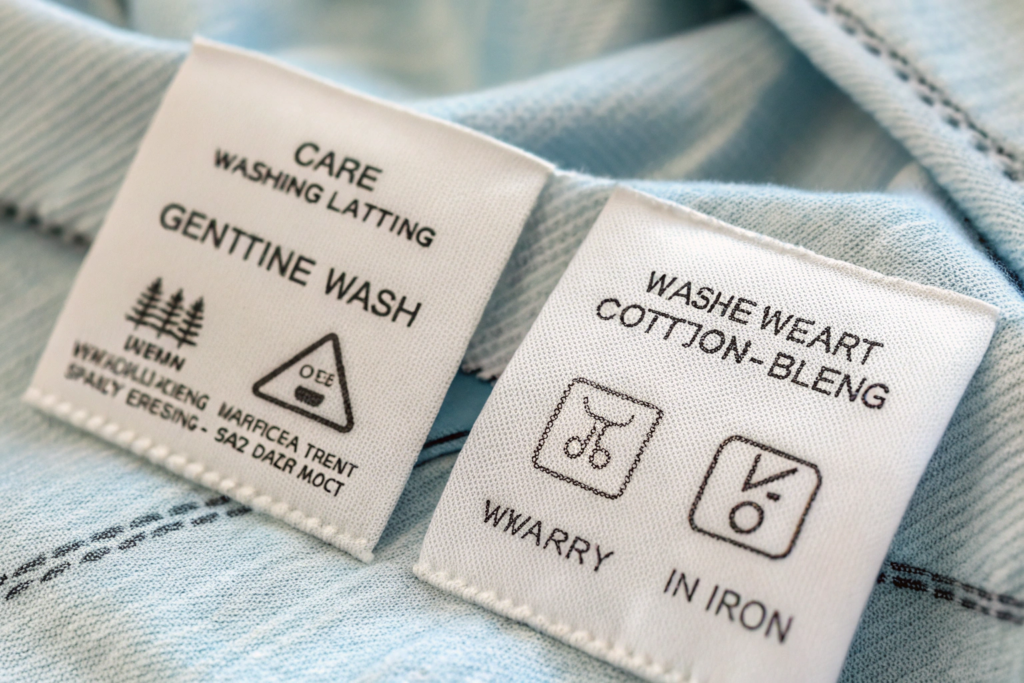
Colorfastness is generally good, especially with modern reactive dyes. But as with any natural fiber, avoid harsh bleach and high heat. We recommend washing in cold water and tumble drying low or line drying. This fabric care blog has a comprehensive guide to caring for linen-cotton garments.
Does linen-cotton pill?
Pilling is a common concern with many fabrics, but linen-cotton is generally good. Linen fibers are long and strong, which resists pilling. Cotton can pill in low-quality fabrics, but with good quality fibers and proper finishing, pilling is minimal.
We test all our linen-cotton fabrics for pilling resistance using the Martindale or Random Tumble Pilling test. We grade on a scale of 1 to 5, with 5 being no pilling. Our standard linen-cotton fabrics typically rate 4 or 4.5, which means very slight pilling only after extended wear. If a client needs extra assurance, we can apply an anti-pilling finish or adjust the fiber blend.
In 2023, a client from Canada complained that a previous supplier's linen-cotton was pilling badly on their shirts. We developed a replacement with a higher proportion of long-staple linen and a special finishing process. The new fabric tested at grade 4.5, and the client's customers were happy. It's all about quality control.
Conclusion
Linen-cotton blend fabric is popular for good reason. It combines the best qualities of two ancient fibers—the breathability and texture of linen with the softness and durability of cotton. It's comfortable, sustainable, and versatile enough for everything from summer dresses to bedding to tailored jackets. And with the right blend ratio and finishing, it can be engineered to meet almost any need.
At Shanghai Fumao, we've made linen-cotton a specialty. We source the finest European flax and quality cotton, blend them with precision, weave them on modern looms, and finish them to perfection. Whether you need a lightweight 120 GSM for blouses or a substantial 220 GSM for jackets, whether you want a natural, unbleached look or vibrant custom colors, we have the capability to deliver.
If you're considering adding linen-cotton to your product line, or if you're already using it and want a more reliable, higher-quality source, let's talk. We can help you choose the right blend, develop custom finishes, and produce fabrics that will make your customers fall in love. Please contact our Business Director, Elaine, at elaine@fumaoclothing.com. Let's create something beautiful together.