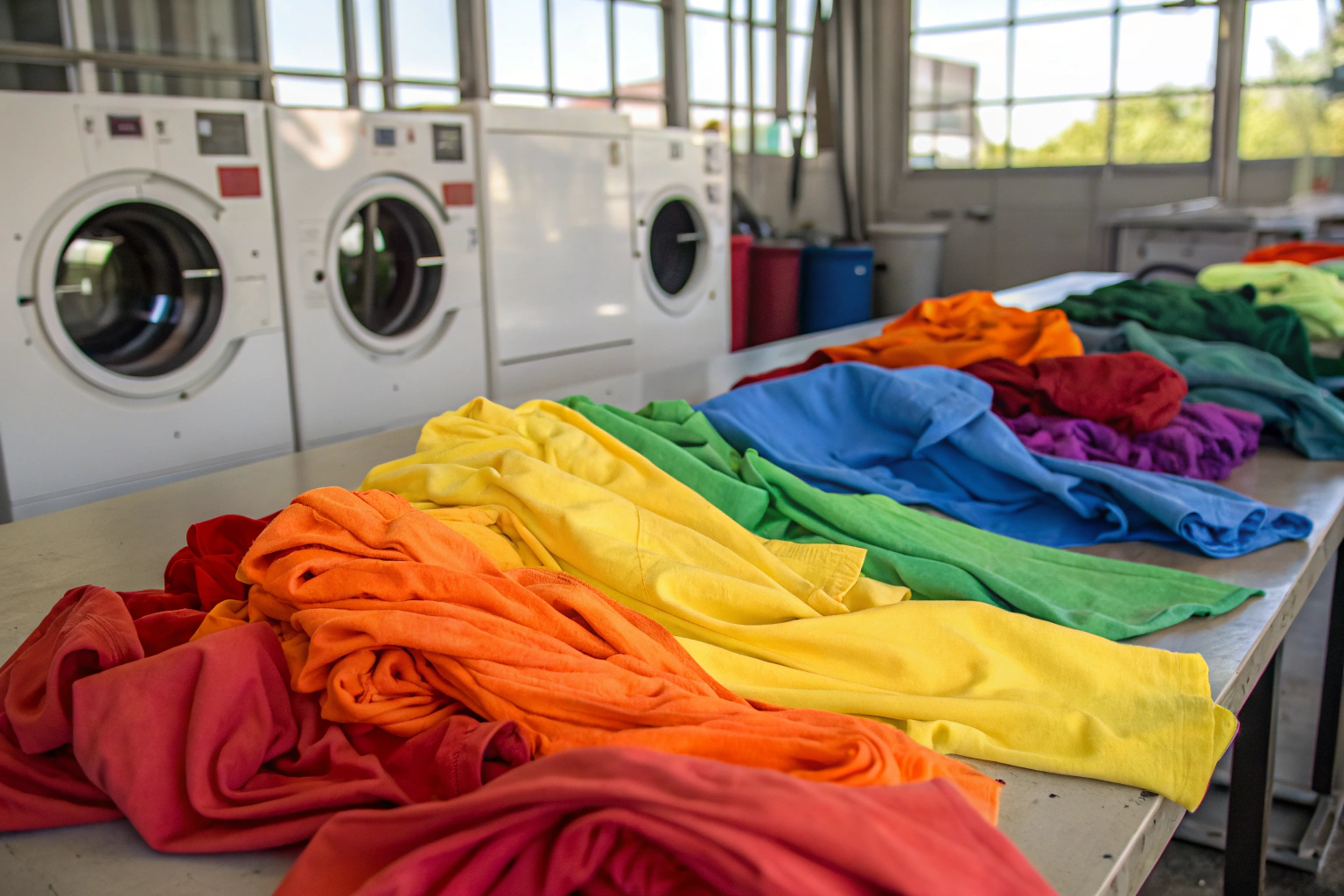
When purchasing clothing or fabric, consumers expect the colors to remain vivid and not deteriorate after washing or exposure to light. What ensures this durability? The key lies in colorfastness, a critical characteristic that reflects a fabric's ability to maintain its color under various external influences. This article explores the concept of colorfastness, its impact on textile performance, and the methods used to assess it.
Colorfastness is the ability of a fabric to retain its color when exposed to various external factors like washing, light, friction, and perspiration. It plays a significant role in both the longevity and aesthetic appeal of textile products. By grasping the concept of colorfastness, both consumers and manufacturers can ensure that textiles retain their aesthetic qualities and perform consistently over time.
For textile producers, achieving optimal colorfastness can determine whether a fabric fades rapidly or retains its color for an extended period. With this in consideration, it’s essential to understand the various testing methods for colorfastness and its importance as a quality indicator in fabric manufacturing.
What Factors Affect Colorfastness in Fabric?
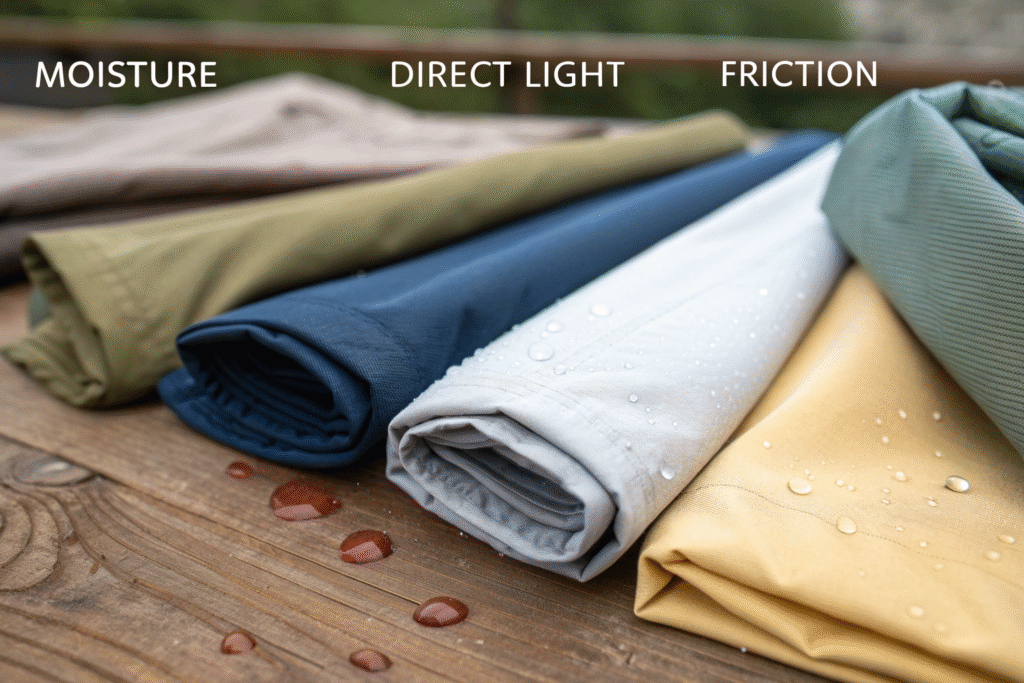
When thinking about the factors that can impact how well a fabric holds its color, several elements come to mind. But which ones are the most critical in determining colorfastness? From environmental conditions to fabric type, multiple factors play a role in how well a fabric can resist fading or staining.
The main factors influencing colorfastness include the type of dye used, fabric composition, washing conditions, and exposure to UV light. Fabrics that are poorly dyed or made from fibers that don’t hold color well will tend to lose their vibrancy faster, while high-quality fabrics can maintain their color even under harsh conditions.
Dye Types
Certain dyes, such as reactive dyes, show greater resistance to fading compared to others like direct dyes. This characteristic is crucial when selecting fabrics for garments that need to withstand frequent washing or exposure to light.
Fabric Composition
Natural fibers like cotton and wool absorb dyes differently than synthetics such as polyester, affecting their color retention ability. Synthetic fabrics typically exhibit superior colorfastness due to their inherent chemical properties.
Environmental Conditions
Fabrics regularly exposed to sunlight can fade from UV radiation, while fabrics exposed to repeated washing may lose their color faster. The temperature of the water and the use of specific detergents also play a role in maintaining a fabric’s color stability.
How Is Colorfastness Measured?
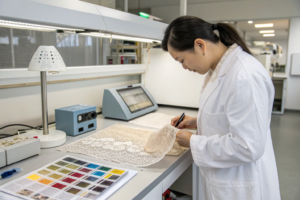
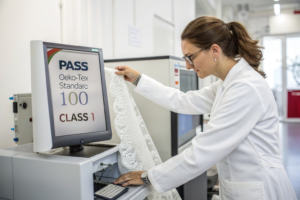
Testing for colorfastness is commonly conducted using standardized methods, such as those established by ISO, AATCC, or ASTM, which replicate real-world conditions like washing, light exposure, and friction. These tests provide measurable data on how effectively a fabric preserves its color, offering critical information about its long-term durability.
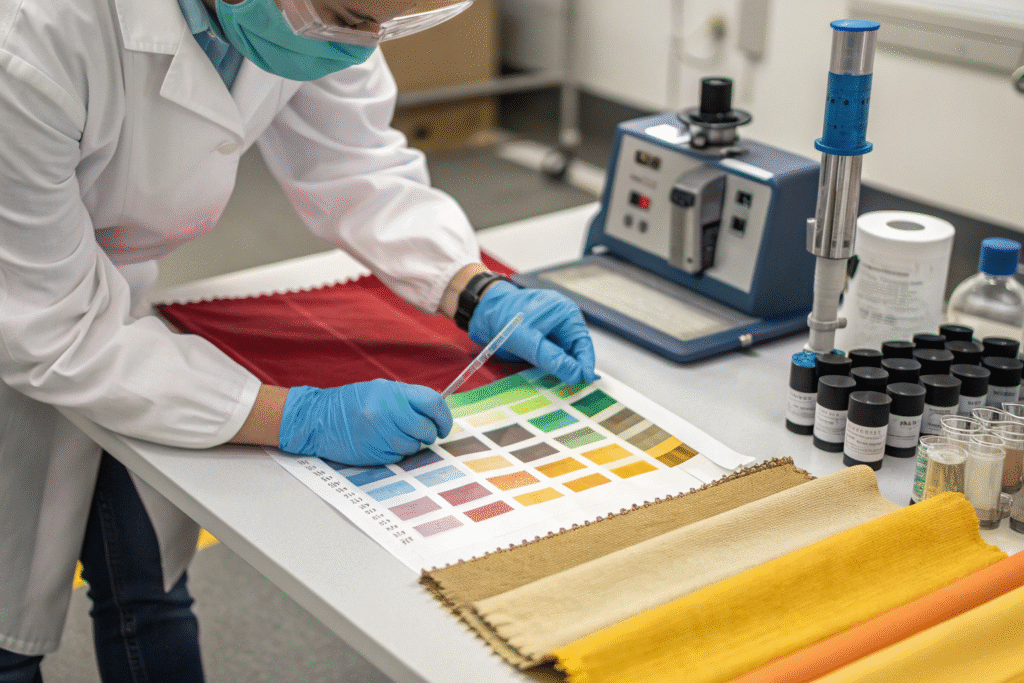
AATCC Test Method 8: Colorfastness to Crocking
This test evaluates a fabric’s resistance to color transfer from rubbing. The fabric is rubbed against a white cloth, and the amount of color transferred is assessed. This is particularly important for garments like jeans, where friction might lead to color bleeding.
ISO 105-B02: Colorfastness to Artificial Light
This test exposes the fabric to artificial light to simulate the effects of prolonged exposure to sunlight. The fabric is then evaluated for fading or color changes. It’s commonly used for fabrics intended for outdoor or window treatments.
AATCC Test Method 61: Colorfastness to Washing
One of the most significant tests, it assesses how fabric colors withstand home laundering conditions, such as water temperature, detergent, and agitation. A higher grade on this test means the fabric will maintain its color after multiple washes.
Why Is Colorfastness Important for Consumers and Manufacturers?
For manufacturers, colorfastness is a key element in upholding brand reputation and ensuring customer satisfaction. Insufficient color retention can result in returns, negative feedback, and harm to brand image. From the consumer’s perspective, colorfastness guarantees that garments will retain their appearance after frequent wear and washing, making it a crucial consideration when making purchasing choices.
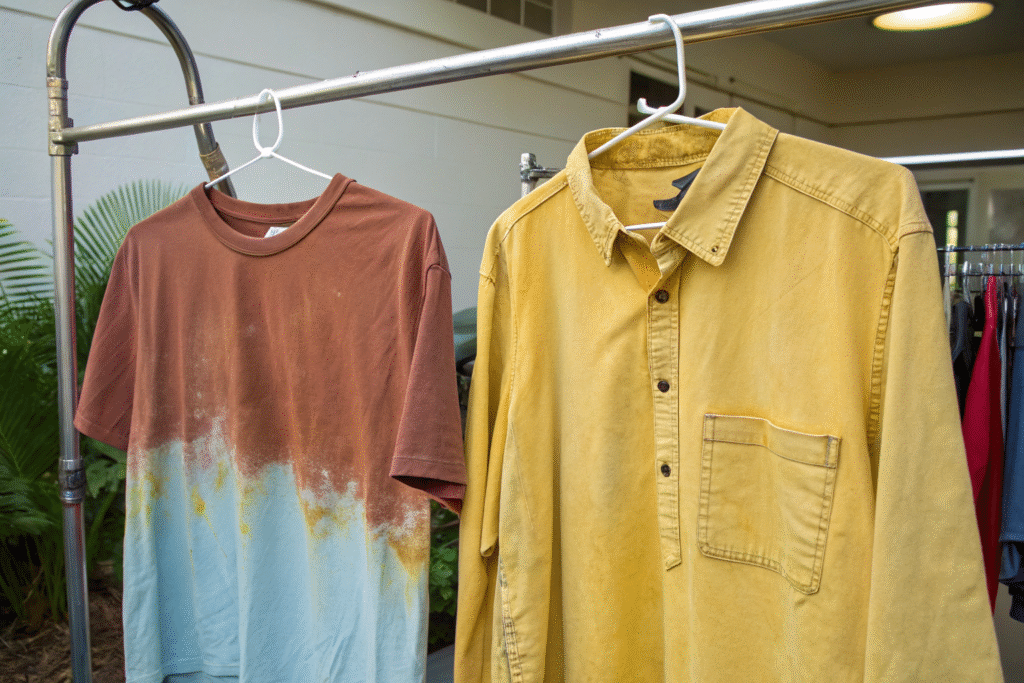
Brand Loyalty and Customer Satisfaction
Brands known for high colorfastness are likely to retain customers for the long term, especially when it comes to premium products that need to withstand the rigors of daily life.
Cost Efficiency for Manufacturers
By ensuring that fabrics are colorfast, manufacturers can reduce the number of returns or remakes needed, cutting down on waste and the cost of remanufacturing. This results in a more efficient and profitable operation.
How to Improve Colorfastness in Fabrics?
Enhancing colorfastness in fabrics is achievable through the use of appropriate techniques and materials. Manufacturers can implement various methods to improve the color stability of their textiles, increasing their durability and appeal to consumers.

Pre-Treatments of Fabrics
Treating fabrics with mordants or other agents before dyeing helps improve color absorption, allowing the fabric to retain its color more effectively. These treatments also help to reduce fading.
Post-Dye Treatments
Methods like heat setting and the use of colorfixing agents after dyeing secure the color within the fibers, minimizing the likelihood of fading or bleeding.
Optimal Dyeing Techniques
Utilizing advanced dyeing methods, such as solution dyeing or high-temperature processes, can significantly enhance the fabric's colorfastness, ensuring deeper and longer-lasting hues.
Conclusion
Colorfastness is a key property in fabric manufacturing that determines how well a fabric holds its color under various conditions. It’s crucial for both manufacturers and consumers, ensuring that products maintain their aesthetic appeal and longevity. Understanding colorfastness can help in selecting high-quality fabrics that will meet long-term durability needs. Whether you’re designing for fashion or home textiles, ensuring that your fabric holds its color is essential for customer satisfaction and brand reputation.
If you’re looking for fabrics that prioritize colorfastness, durability, and innovative designs, contact our Business Director, Elaine, at elaine@fumaoclothing.com to start producing your next clothing collection with Fumao Fabric.