I still remember the first time a European buyer asked me for our GOTS Scope Certificate back in 2019. Honestly, I had to scramble to understand what they were even talking about. Fast forward to today, and I can confidently say this certificate has become one of the most powerful tools in our arsenal for winning sustainable fashion contracts.
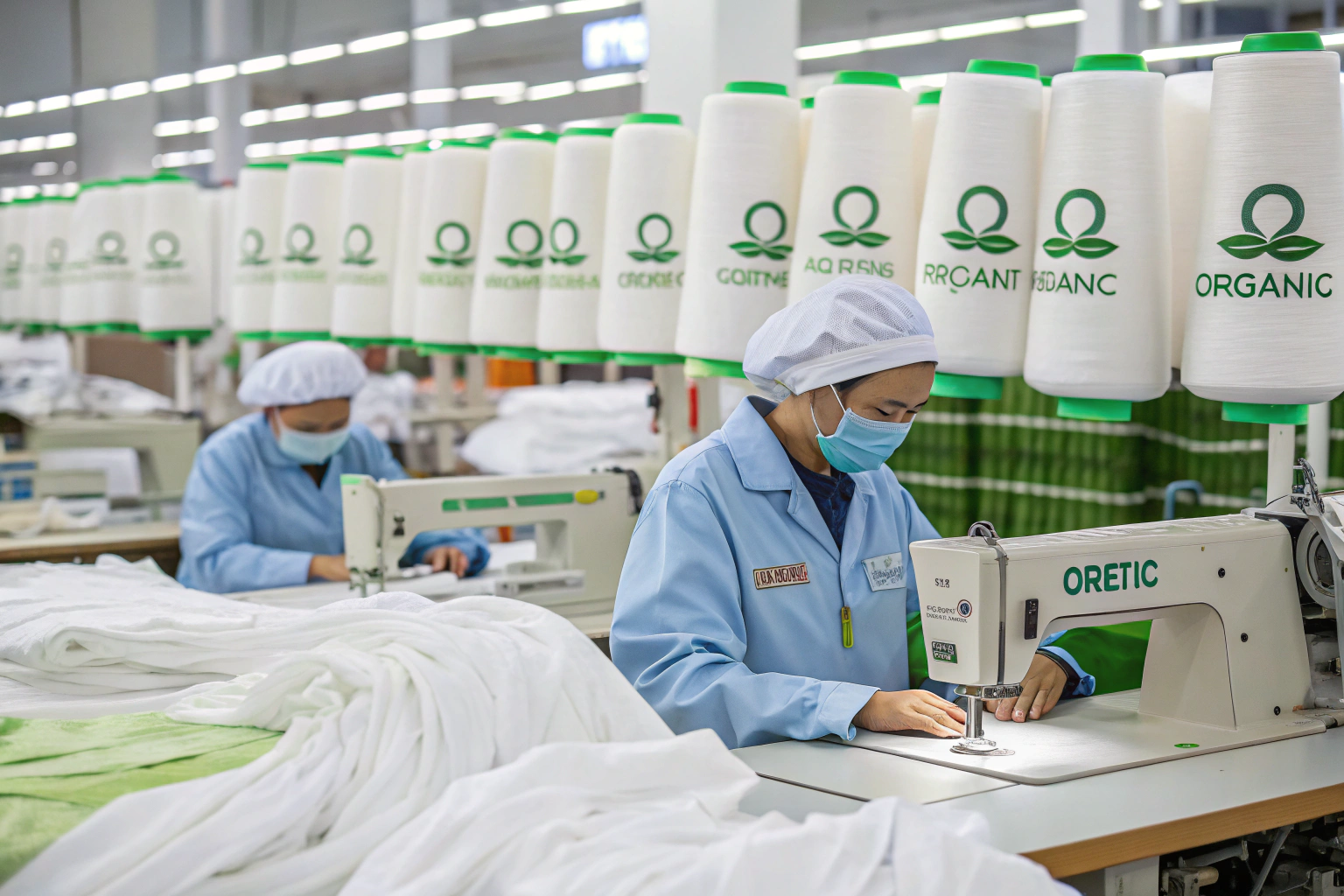
So what exactly is a GOTS Scope Certificate for clothing manufacturers? A GOTS Scope Certificate is the official certification that verifies a manufacturing facility meets the Global Organic Textile Standard's requirements for processing organic textiles throughout the entire production chain. It's not just about the final product - it's about certifying that every step of your manufacturing process, from receiving organic raw materials to packaging finished garments, complies with strict environmental and social criteria.
Think of it as your manufacturing facility's passport to the world of organic textiles. Without it, you can't legally process or trade GOTS-certified products, no matter how organic your materials claim to be. The certificate specifically authorizes your facility to handle organic textiles and provides the traceability backbone that brands and retailers demand.
Why is GOTS Scope Certification different from product certification?
Many manufacturers confuse GOTS Scope Certification with simply having GOTS-certified products, but the distinction is crucial for your business operations. Understanding this difference can save you from costly compliance mistakes and lost business opportunities.
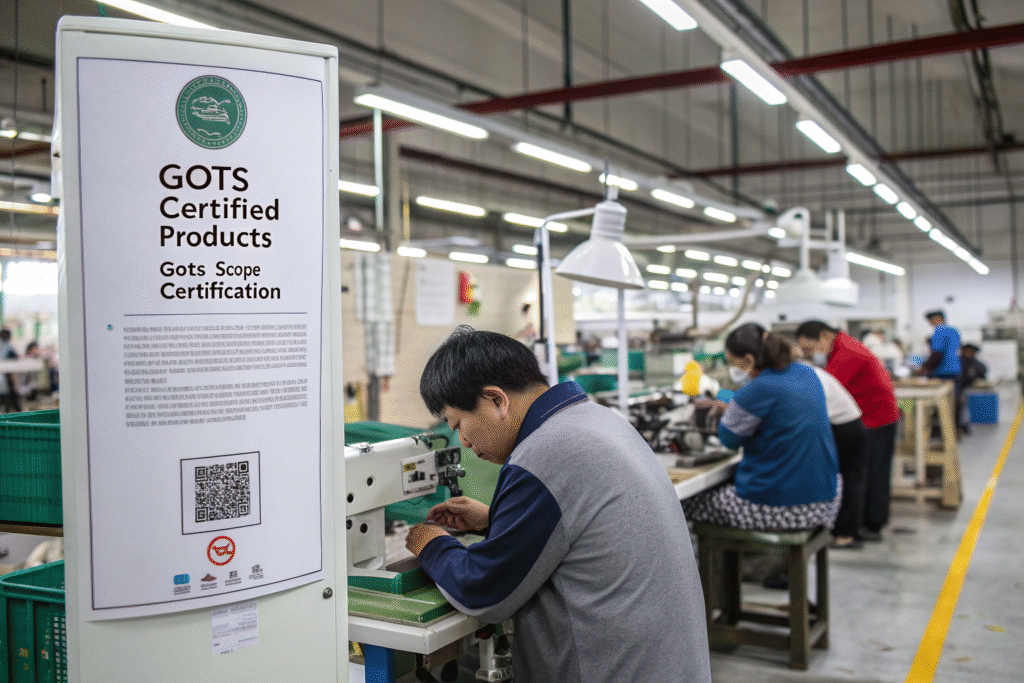
The Scope Certificate is about your facility's capability and systems, while product certification is about specific items. One authorizes you to process organic textiles, while the other verifies that particular products meet organic standards.
What specific manufacturing activities does a Scope Certificate cover?
A GOTS Scope Certificate covers specific processing stages that your facility is authorized to perform. This includes spinning, weaving, knitting, wet processing (dyeing, printing, finishing), garment manufacturing, or trading. The certificate explicitly lists which activities you're certified for. For example, our Keqiao facility holds Scope Certification for knitting, dyeing, and garment manufacturing - but not for spinning organic yarns. This specificity matters because brands need to know exactly which parts of their supply chain are GOTS-compliant. The certification ensures proper understanding of GOTS scope certification coverage for textile operations throughout your facility. Manufacturers often benefit from comprehensive guides to implementing GOTS requirements in clothing factories before pursuing certification.
How does Scope Certification ensure supply chain integrity?
The certification creates an unbroken chain of custody from farm to finished product. Each certified entity in the supply chain must maintain detailed records of organic material inputs and outputs. Last year, we helped a German sportswear brand trace a specific organic cotton t-shirt back to the farm in India where the cotton was grown - all because every facility in the chain maintained proper Scope Certification and documentation. This level of traceability is impossible with product-only certification. The system relies on maintaining robust organic content claims throughout complex supply chains that certification enables.
What are the key requirements for obtaining GOTS Scope Certification?
The certification process is rigorous but achievable with proper preparation. I've guided three facilities through this process, and each time we've learned valuable lessons about what auditors really focus on during inspections.
The requirements span environmental management, social compliance, and technical specifications - creating a holistic framework for responsible manufacturing.
What environmental criteria must manufacturers meet?
Environmental requirements are extensive and cover wastewater treatment, chemical inputs, energy consumption, and waste management. All wet-processing units must have functional wastewater treatment plants, and only approved chemicals from the GOTS Positive List can be used. We invested ¥2.3 million in upgrading our wastewater treatment system before our first certification audit - a significant investment that has actually reduced our operating costs through water recycling. The chemical restrictions are particularly strict, prohibiting common textile chemicals prohibited under GOTS environmental criteria that many manufacturers use routinely.
What social compliance standards are mandatory?
GOTS requires compliance with International Labour Organization (ILO) standards, including no forced labor, safe working conditions, living wages, and no child labor. The social criteria are non-negotiable and verified through worker interviews and documentation checks. During our 2023 recertification, the auditor spent two hours interviewing workers from different departments through an interpreter to verify they understood their rights and received proper training. This level of scrutiny ensures comprehensive social compliance verification in GOTS certified facilities meets international benchmarks.
How does GOTS Scope Certification impact manufacturing operations?
Implementing GOTS requirements transforms how you run your factory day-to-day. The changes go far beyond paperwork and affect everything from material handling to quality control procedures.
The operational impact is significant but ultimately creates a more efficient, transparent, and responsible manufacturing environment.
What physical separation requirements must be implemented?
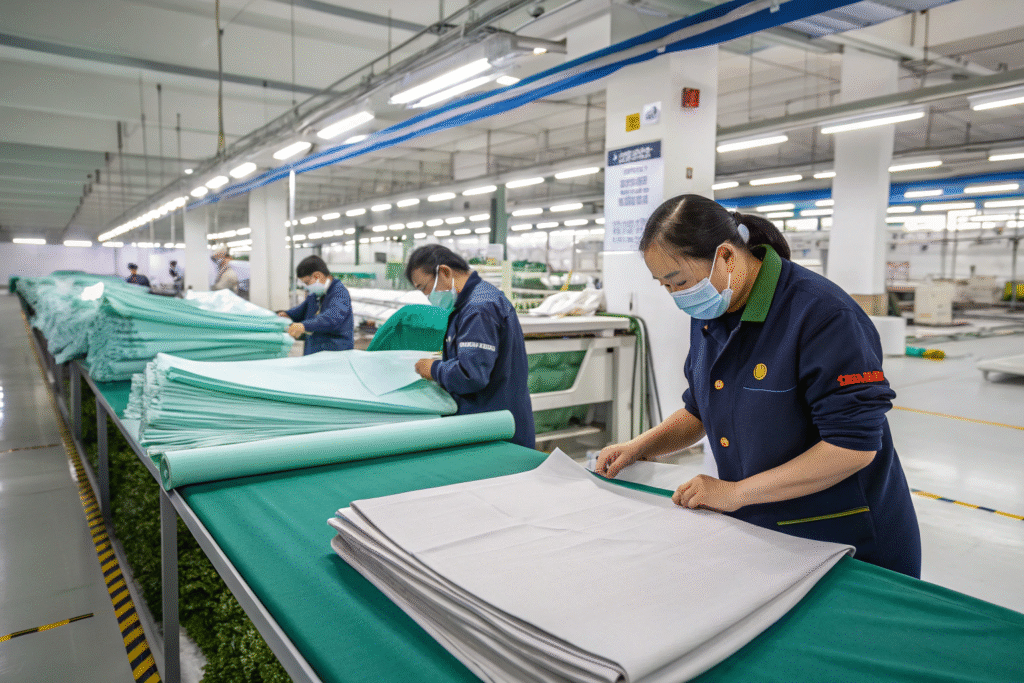
Organic and conventional materials must be physically separated throughout production, with clear labeling and dedicated storage areas. This separation extends to processing equipment, where thorough cleaning protocols must be documented and implemented between runs. We created color-coded systems - green for organic, red for conventional - that every worker understands. The investment in additional storage racks and labeling systems was about ¥85,000, but it eliminated costly mix-ups that previously cost us €12,000 in a single incident. Proper implementation requires establishing effective material separation systems for organic production throughout the facility.
How does certification affect quality control procedures?
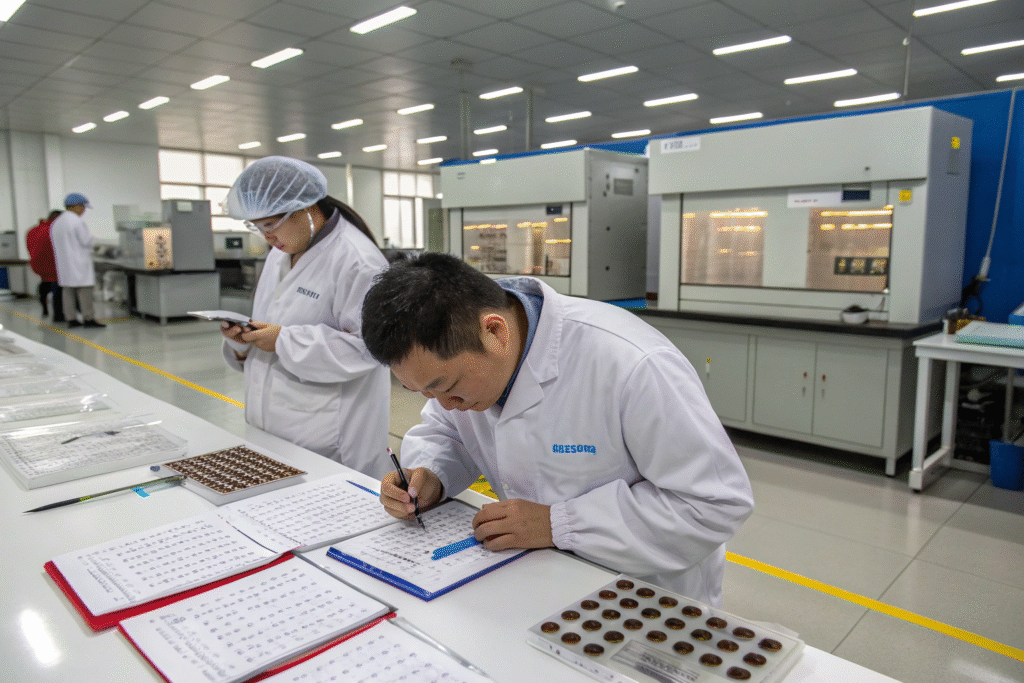
Quality control becomes more rigorous and documented. Every batch must be tested for prohibited substances, and detailed records must be maintained for at least five years. We implemented a new digital QC system that tracks every meter of organic fabric through production, automatically flagging any deviations from GOTS standards. This system actually improved our overall quality rates by 8% because the same rigorous approach benefited our conventional production. The documentation requirements align with advanced quality management systems for certified textile manufacturing that many progressive factories are adopting.
What business advantages does GOTS Scope Certification provide?
Beyond compliance, the certification delivers tangible business benefits that justify the investment in certification and process improvements. The market recognition and customer trust it generates can transform your manufacturing business.
The certification opens doors to premium markets and customers who are willing to pay for verified sustainable manufacturing.
How does certification affect pricing and profitability?
GOTS-certified manufacturing commands 15-25% price premiums compared to conventional production. However, the real financial benefit comes from the stability and volume of orders from sustainability-focused brands. Since achieving certification, our organic division has grown to represent 40% of our revenue, with clients signing annual contracts rather than seasonal orders. The predictability has allowed us to invest in more efficient equipment and better workforce training. Market analysis shows growing price premiums for GOTS certified manufacturing services across all product categories.
What market access opportunities does certification create?
GOTS certification is essentially a requirement for supplying major European sustainable brands and a growing number of North American retailers. We've gained access to retailer programs like H&M's Conscious Collection and Target's sustainable lines specifically because of our Scope Certification. The certification appears in the official GOTS public database of certified entities, which brands use to vet potential suppliers. This visibility has brought us clients we couldn't have reached through traditional sales channels.
What are the ongoing compliance requirements after certification?
GOTS certification isn't a one-time achievement - it's an ongoing commitment to maintaining standards and continuous improvement. The surveillance and recertification process ensures that certified facilities don't become complacent after the initial audit.
Staying certified requires diligent record-keeping, regular internal audits, and proactive management of any changes in your operations or supply chain.
How often do surveillance audits occur?
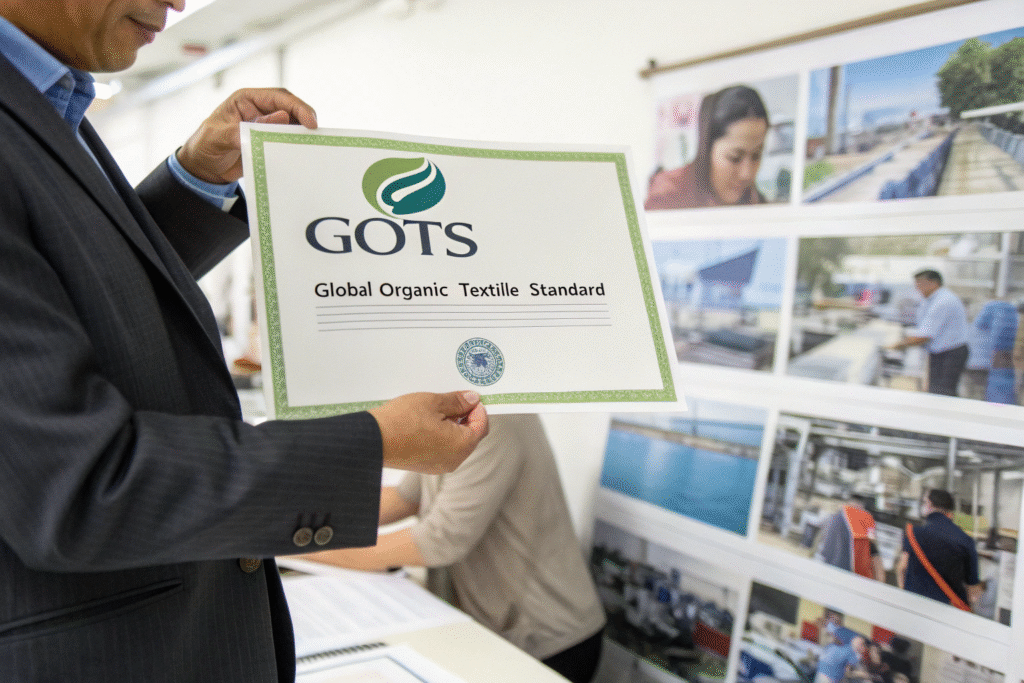
Certified facilities undergo annual surveillance audits, with full recertification required every three years. These audits are comprehensive and unannounced, with auditors reviewing records, inspecting facilities, and interviewing workers. The 2022 surveillance audit at our facility identified a minor issue with our chemical inventory documentation that took three weeks to fully resolve. This level of scrutiny ensures maintaining continuous GOTS compliance between certification cycles remains a priority for certified facilities.
What record-keeping systems are required?
Detailed records must be maintained for at least five years, including organic content claims, invoices, processing records, and sales documents. The system must allow for complete traceability of all organic materials from receipt to shipment. We implemented a cloud-based system that cost approximately ¥12,000 monthly but has reduced our audit preparation time from two weeks to three days. The investment in digital traceability systems for certified organic textile production has proven worthwhile through efficiency gains beyond just compliance.
Conclusion
GOTS Scope Certification represents far more than just another certificate on the wall - it's a comprehensive manufacturing philosophy that transforms how you operate and positions your business for the growing demand for verified sustainable textiles. The rigorous requirements push manufacturers to achieve higher standards of environmental responsibility, social compliance, and operational excellence.
At Fumao Textiles, our GOTS Scope Certification has become our most powerful credential for partnering with world-leading sustainable brands. If you're ready to explore how GOTS certification can transform your manufacturing capabilities and market position, contact our Business Director Elaine at elaine@fumaoclothing.com. Let's discuss how to position your facility for success in the rapidly growing organic textile market.