Let's be honest. You’re sourcing fabrics, and you see "OEKO-TEX® Certified" slapped on a dozen supplier profiles. It sounds good—safe, eco-friendly, trustworthy. But when your client, a European kids' wear brand, is breathing down your neck for a compliance report, do you really know what that label means? Or is it just a marketing buzzword that suppliers hope will ease your mind so you stop asking tough questions?
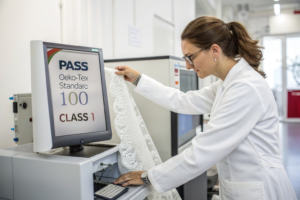
OEKO-TEX® certification isn't just a feel-good sticker. It's a rigorous, internationally recognized system that bans hundreds of harmful substances at every stage of textile production, from raw fibers to finished fabric. For brands serious about consumer safety and regulatory compliance, understanding the "what" and "why" behind this standard is non-negotiable. It's the difference between claiming sustainability and actually proving it.
As a fabric supplier based in Keqiao for over two decades, we've seen the certification landscape evolve from a "nice-to-have" to a core requirement, especially for our EU and US clients. We don't just get fabrics tested; we engineer them from the yarn up to pass. Let me pull back the curtain on what OEKO-TEX® really prohibits and why it matters for your bottom line and brand reputation.
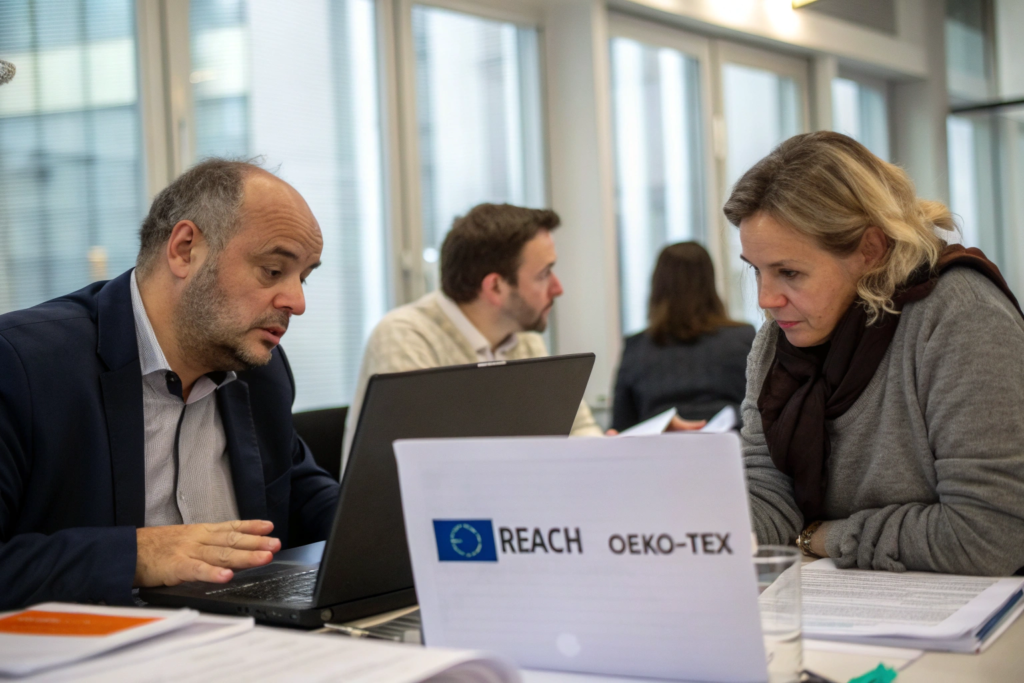
How does OEKO-TEX® differ from REACH in substance restrictions?
You might think, "We comply with EU REACH, so we're covered." That's a common and costly misconception. While both regulate harmful substances, their scope and philosophy are fundamentally different. REACH is a broad, law-based regulation governing chemicals across all industries in the EU. OEKO-TEX® is a voluntary, product-specific standard focused solely on textiles and leather articles, with limits often stricter than law.
Think of it this way: REACH sets the minimum legal speed limit on a highway. OEKO-TEX® is like the advanced safety rating for a specific car model—it goes beyond the law to ensure every single component is safe for its intended use. For instance, while REACH restricts certain Phthalates, OEKO-TEX® STANDARD 100 prohibits ALL phthalates (with a few specific exceptions for technical necessities) above a very low detection limit. This proactive, precautionary approach is why major brands trust it.
What are the key substance groups banned by OEKO-TEX®?
OEKO-TEX® standards are living documents, updated annually based on new scientific research. The prohibited substance list is extensive, but it clusters into critical groups that directly impact human health and environmental safety. Here’s a breakdown of the major red flags:
| Substance Group | Common Sources in Textiles | Primary Health/Environmental Risk | OEKO-TEX® Stance |
|---|---|---|---|
| Azo Dyes (Carcinogenic) | Dyestuffs for coloring fabrics. | Can release carcinogenic aromatic amines upon prolonged skin contact. | Completely banned. The release of any of the 24 regulated aromatic amines is prohibited. |
| Allergenic Disperse Dyes | Used mainly for dyeing polyester and acetate. | Can cause severe skin allergies and dermatitis. | 21 specific dyes are strictly banned. |
| Formaldehyde | Cross-linking agent in anti-wrinkle, easy-care finishes. | Skin irritation, respiratory issues, classified as carcinogenic. | Strict limits based on product class (e.g., babywear has the lowest limit). |
| Heavy Metals (e.g., Cadmium, Lead, Mercury) | Catalysts, pigments, dyes, or contaminants from processing. | Toxic, accumulate in the body, cause organ damage. | Strict limits for extractable heavy metals, far below many national laws. |
| Pentachlorophenol (PCP) & TCP | Historic biocide for mildew prevention. | Highly toxic, persistent environmental pollutant. | Banned. Detection limit is 0.05 mg/kg (effectively zero-tolerance). |
| Phthalates (Plasticizers) | Used in PVC prints, coatings, and synthetic leather. | Endocrine disruptors, linked to developmental issues. | Virtually all are banned, especially important for baby clothing and accessories. |
| PFAS/PFCs (Perfluorinated Chemicals) | Water-, oil-, and stain-repellent finishes. | Persistent "forever chemicals," bioaccumulative, linked to serious health risks. | Banned for all product classes. This is a major differentiator. |
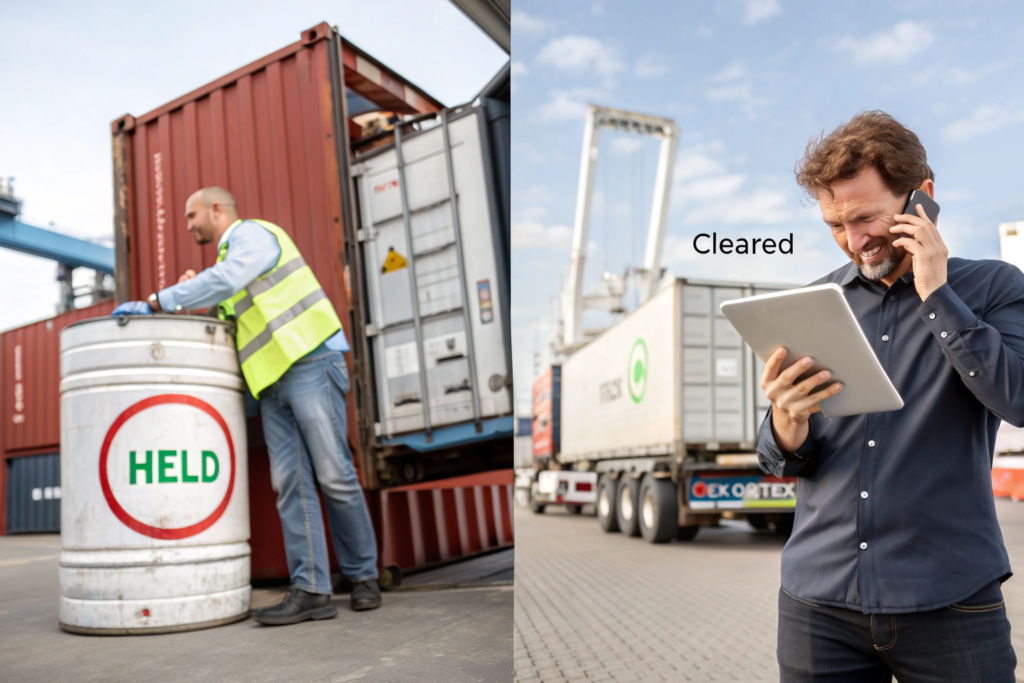
We learned this the hard way in early 2022. A US-based activewear brand came to us after their previous supplier's "water-resistant" polyester failed PFAS testing at customs. The shipment was held, causing a 6-week delay and nearly $20k in penalties. They switched to Shanghai Fumao, and we developed a PFAS-free durable water repellent (DWR) finish using a C6 fluorocarbon-free technology. The fabric passed OEKO-TEX® and their own stringent tests, and their order volume with us has since grown by 150%.
Why does OEKO-TEX® have different product classes (I-IV)?
This is where OEKO-TEX® shows its practical intelligence. A carpet doesn't have the same skin contact as a baby's onesie. The standard divides products into four classes with escalating strictness:
- Product Class I: Baby Articles (0-3 years). The most stringent limits. Everything from yarns to buttons must comply.
- Product Class II: Articles with Direct Skin Contact (e.g., shirts, bedding). High strictness.
- Product Class III: Articles with No/Small Skin Contact (e.g., jackets, linings). Standard limits.
- Product Class IV: Decoration/Furnishing Materials (e.g., curtains, tablecloths). Base limits.
For a German lingerie brand we work with, specifying Product Class II for all their silks and microfiber blends is non-negotiable. It gives them and their end-consumers absolute confidence. When you're sourcing, always ask your supplier which product class their certification covers. A certificate for Class IV upholstery fabric is meaningless if you're making babywear. Understanding these classes is crucial when learning how to source safe fabrics for infant apparel.
What is the real-world testing process for OEKO-TEX® certification?
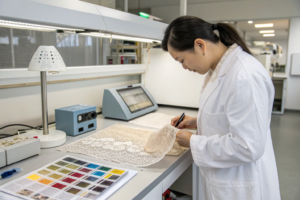
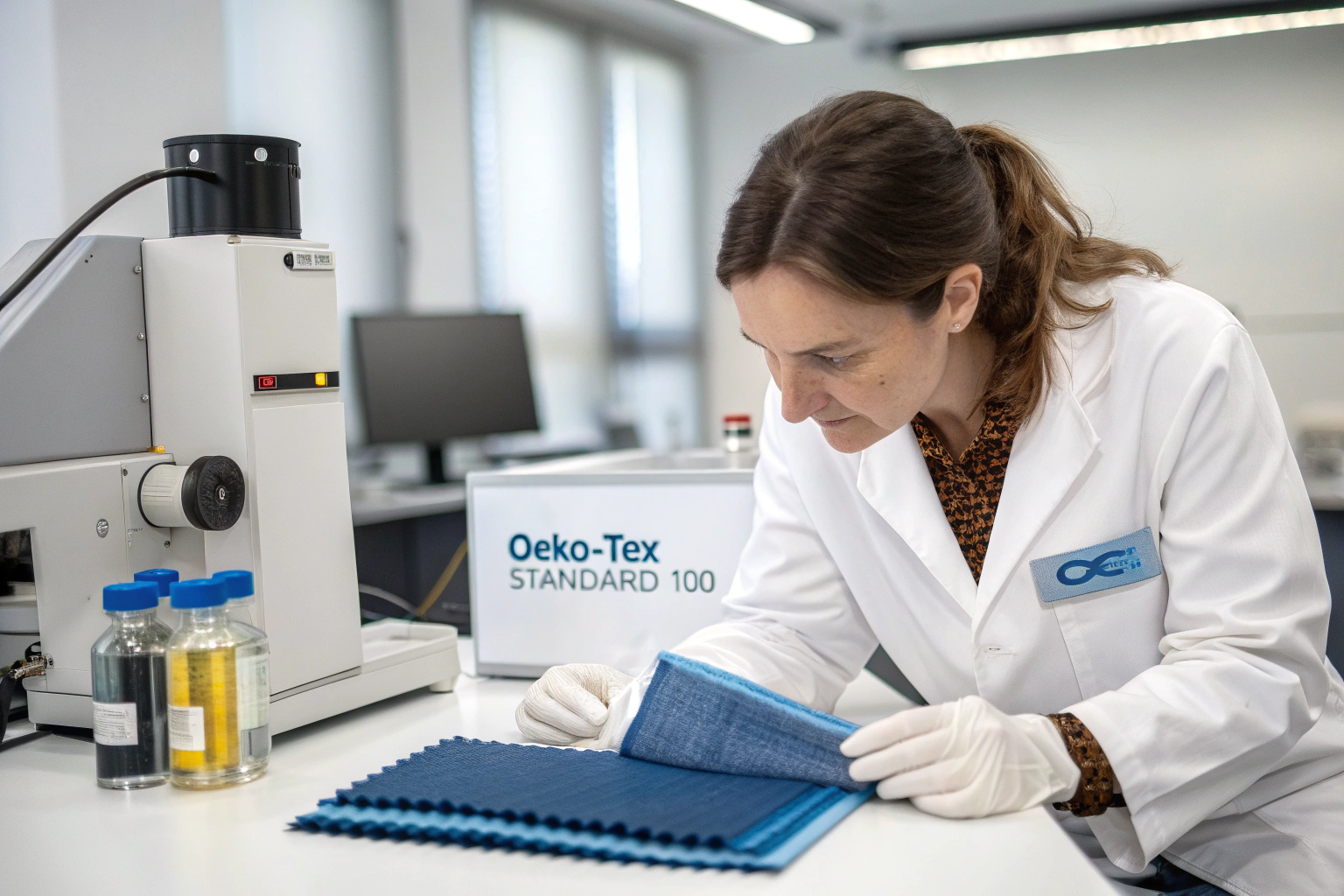
Many buyers imagine a one-time test of a final fabric swatch. The reality is a comprehensive system audit of your entire supply chain. At Shanghai Fumao, our CNAS-accredited lab runs pre-audits, but the official certification comes from an independent OEKO-TEX® member institute (like Hohenstein or TESTEX). They don't just test the product; they verify our production processes.
The process starts with a detailed application mapping every component: base fabric, threads, prints, coatings, even interlinings. Each is assigned a product class. The institute then takes samples for lab analysis, checking for all regulated substances. But crucially, they also conduct an on-site audit of our facilities. They check our chemical inventory, storage, quality management system, and training records. Are workers handling dyes safely? Are banned substances physically absent from the factory? This holistic approach is what makes the certification credible.

How are samples selected and tested to ensure compliance?
The sampling is strategic, not random. The institute selects samples across production batches to ensure consistency. Testing is destructive and incredibly precise. For example, to test for heavy metals, fabric samples are subjected to an "artificial sweat solution" in a controlled environment to simulate what might be absorbed through skin. The resulting liquid is then analyzed using Inductively Coupled Plasma Mass Spectrometry (ICP-MS), a method so sensitive it can detect parts per billion.
For allergens like disperse dyes, High-Performance Liquid Chromatography (HPLC) is used to separate and identify individual dye compounds. I remember in Q3 2023, we were developing a vibrant recycled polyester for a Swedish fast-fashion retailer. Our in-house test showed a potential trace of a restricted disperse dye from a contaminated dye lot at our partner mill. We quarantined the entire batch, worked with the dye supplier to trace the source, and reformulated before the official OEKO-TEX® audit. That extra vigilance saved a project worth over $50,000 and protected the client's launch timeline.
What happens after certification is granted?
You get a certificate and a license number, but the work isn't over. OEKO-TEX® certification is valid for one year. More importantly, it involves surveillance. The certifying body can conduct unannounced visits and take market samples of our certified products for spot-checking. This ensures ongoing compliance, not just a clean bill of health on a single day. We also must inform them of any changes in our production process or chemical suppliers, which may trigger a re-assessment. It’s a continuous commitment to safety. For brands, this is a huge risk mitigator. You're not just buying a fabric; you're buying into a verified, monitored system. When you're evaluating how to find a reliable fabric supplier in China, this ongoing surveillance is a critical factor that separates serious partners from those just selling a certificate.
Can OEKO-TEX® certification help reduce tariff and customs risks?
Absolutely. In today's trade environment, compliance documentation is your first line of defense at customs. An OEKO-TEX® STANDARD 100 certificate is a globally recognized document that speaks the language of regulatory bodies. It demonstrates due diligence, significantly reducing the risk of random screenings, detentions, or rejections due to suspected non-compliance with safety regulations like CPSIA in the US or the EU's REACH/FL regulations.
For our clients, especially those in the US navigating Section 301 tariffs, presenting a solid case of product quality and safety can sometimes influence the classification and valuation process, though it doesn't directly exempt tariffs. More directly, it prevents the massive costs of delays. A detained container incurs demurrage charges daily. A rejected shipment means lost inventory, freight costs, and potentially ruined a sales season. The certification fee is minor insurance against these catastrophic costs.

How does it compare to other certifications for customs purposes?
While many certifications exist, few carry the same weight as OEKO-TEX® for tangible goods at the border. Here’s a quick comparison:
- OEKO-TEX® STANDARD 100: Product-focused. Provides a verifiable test report for the specific article being shipped. Customs officials can check the license number against the OEKO-TEX® database. It's tangible proof for that shipment.
- GOTS (Global Organic Textile Standard): Process-focused. Excellent for organic claims, covering ecological and social criteria. However, its complexity makes it harder for customs to quickly verify for chemical safety on the spot. It's often used in tandem with OEKO-TEX®.
- Supplier's Self-Declared Compliance: Minimal weight. A piece of paper from the factory stating "we comply with all laws" is often viewed with skepticism. It lacks third-party verification.
A practical tip: Always include the OEKO-TEX® certificate number and a summary test report in your shipping documentation packet. It streamlines clearance. In 2023, a Canadian outerwear brand we partner with reported that their shipments with our OEKO-TEX® certified functional fabrics cleared Toronto customs an average of 2 days faster than their non-certified shipments from other regions, based on their logistics team's internal tracking.
What are the cost-benefit considerations for importers?
Let's break down the math, not just of the certificate, but of not having it. Assume a mid-sized order of fabric worth $100,000.
- Cost of Certification: This is often borne by the supplier (like us at Shanghai Fumao) and amortized across orders. For an importer, it might add a negligible 1-2% to fabric cost, if anything.
- Risk Cost WITHOUT Certification:
- Probability of Detention: Even a 5% chance is high.
- Cost of a 2-Week Detention: Demurrage fees ($150/day avg.) + storage + administrative hassle = ~$3,000+.
- Cost of Rejection/Recall: Destroying or returning goods, lost sales, brand reputation damage = potentially the entire order value and more.
The benefit is clear: paying a small premium for certified fabric from a reliable partner mitigates a disproportionate financial risk. It’s not an expense; it’s risk management and brand protection. When considering the ultimate guide to importing textiles from Asia, factoring in certification as a core part of your landed cost model is essential.
How do you verify a supplier's OEKO-TEX® certificate is valid?
This is the most critical step, and sadly, where many buyers get fooled. Fake or expired certificates are rampant. Just because a supplier has a PDF with a logo doesn't mean their current production is certified. Verification is a 60-second process that you must do on every order.
First, get the official OEKO-TEX® certificate from the supplier, not just a company brochure. On it, find the license number (e.g., 23.XXXXXX Hohenstein). Then, go directly to the OEKO-TEX® official website (www.oeko-tex.com) and use their "CHECK" or "Certificate Finder" tool. Enter the license number. The valid database entry will show you:
- Certificate Holder: Is it actually your supplier's company name?
- Certified Product Description: Does it match the fabric/component you are buying?
- Product Class: Is it the correct class for your end-use?
- Issue and Validity Dates: Is it current? (Certificates expire annually).
- Testing Institute: Which institute issued it (adds credibility).
If the details don't match, or the certificate is expired, it's a major red flag. We encourage all our clients to verify our certificates. Transparency builds trust.
What common red flags indicate a fraudulent certificate?
Beyond a failed online check, be wary of these signs:
- The "One Certificate Fits All" Scam: A supplier shows you a certificate for "100% Polyester Plain Fabric" but you're buying a complex jacquard with elastane and a print. The certificate for the base fabric does NOT cover the finished product with added prints or finishes. Each distinct product with a different composition or treatment needs its own certification.
- Blurry Logos and Poor-Quality PDFs: Official certificates from reputable institutes are high-quality, clear documents.
- Reluctance to Share the Full Document: Suppliers may claim it's "confidential" or only show a cropped image. Insist on the full document. A legitimate supplier has nothing to hide.
- Certificate Holder is a Trading Company, Not the Factory: This isn't automatically fraudulent, but you need clarity. The certificate should cover the actual manufacturing unit. Ask for supporting documents from the mill.
A client from Australia shared a horror story with us before becoming a partner. They sourced linen from a trading company with an "OEKO-TEX®" cert. After production, their own testing found formaldehyde levels 10x above the limit for babywear. The trading company's certificate was for Product Class IV (decorative fabric) and had expired 8 months prior. The loss was six figures. They now work with us because we provide mill-level certificates for our woven linen and can trace every process.
What questions should you ask your supplier about their certification?
Turn verification into a dialogue. Ask these pointed questions:
- "Can you provide the OEKO-TEX® STANDARD 100 certificate and test report for the exact fabric composition and finish I am ordering?"
- "What Product Class is this fabric certified for?"
- "Is the certificate in the name of your weaving/dyeing factory, or is it held by a third party? Can you provide authorization proof?"
- "When does this certificate expire, and what is your process for renewal?"
- "Can your certification cover additional processes I might add later, like a specific water-repellent finish?"
Their answers will tell you everything about their expertise and integrity. A partner like Shanghai Fumao will have these answers ready and documented because our business is built on this credibility.
Conclusion
Understanding OEKO-TEX® certification is more than deciphering a list of banned substances. It’s about recognizing a holistic system for consumer safety, supply chain transparency, and risk mitigation. From its scientifically-backed substance lists and intelligent product classes to its rigorous testing and audit process, this standard provides a concrete framework that brands can rely on in an industry often muddled by greenwashing. It transforms the abstract goal of "safe textiles" into a verifiable, documented reality.
The real value lies in partnership. It’s about working with a supplier who doesn’t view certification as a marketing cost, but as the foundational principle of their production. A supplier who runs their own CNAS lab for pre-checks, who understands the difference between Product Class I and IV, and who welcomes you to verify every certificate. This level of diligence protects your shipments at customs, safeguards your brand from recalls, and, most importantly, earns the trust of your end-consumer. In today's market, that trust is your ultimate competitive advantage.
Ready to source fabrics with confidence and clarity? Let's discuss how our certified, vertically integrated production can serve your next project. For a direct conversation about your specific fabric needs and how our OEKO-TEX® certified portfolio can align with your brand's standards, reach out to our Business Director, Elaine. She and her team are experts in navigating compliance and production planning for global brands. You can contact her at: elaine@fumaoclothing.com.