Every week, I get the same urgent email from buyers: "What's your absolute fastest lead time?" The truth is, asking about lead times in 2026 is like asking about the weather—it depends on the season, the location, and how well you've prepared. In our industry, time isn't just money; it's market share. A delay of two weeks can mean missing the entire selling season for a fast-fashion retailer.
Based on current trends and supply chain dynamics, standard lead times for bulk fabric production in 2026 will range from 45 to 90 days, but this is a deceptive average. The actual timeline is a complex equation factoring in fiber type, fabric complexity, order volume, and—most critically—China's manufacturing calendar. At Shanghai Fumao, we see that brands who master this calendar gain a 4-6 week advantage over competitors who don't.
The real challenge for 2026 won't be the production speed itself, but navigating the compounding pressures of sustainability regulations, demand for complex functional fabrics, and the ongoing reconfiguration of global trade routes. Smart planning isn't a suggestion; it's the core competency for sourcing success. Let's break down what this really means for your production schedule.
How Does China's Manufacturing Calendar Dictate Your Timeline?
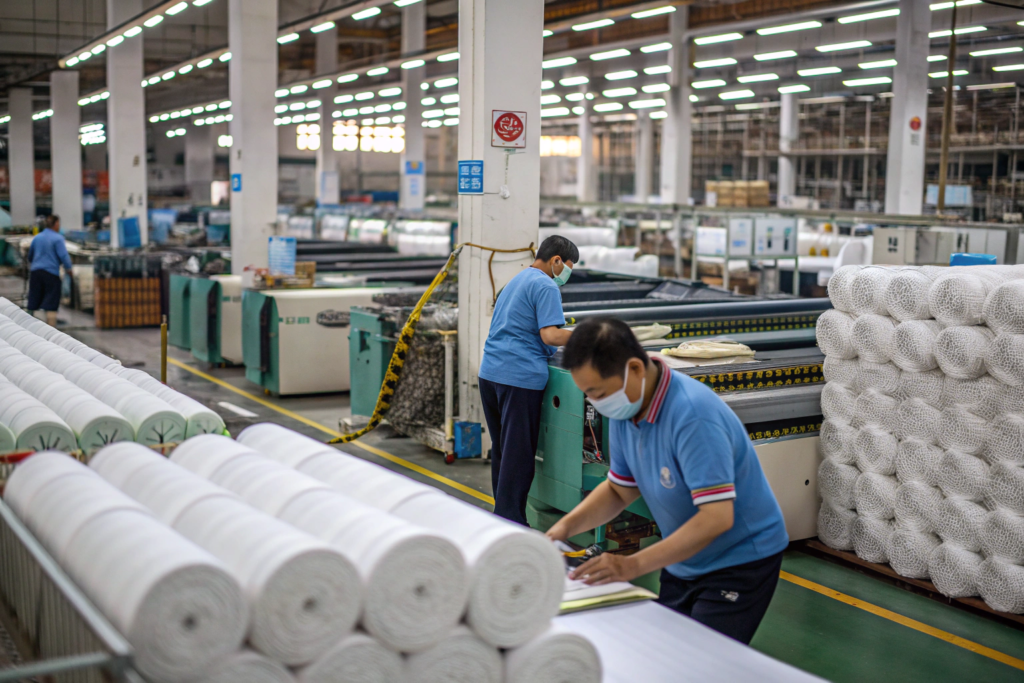
If you ignore China's production calendar, you will fail. It's that simple. This calendar isn't about holidays; it's about the rhythmic pulse of the world's largest textile ecosystem. Lead times aren't static—they stretch and contract based on this predictable cycle. I've seen confident brands crumble because they placed a complex fabric order on March 1st and expected a 60-day turnaround, not realizing they'd just hit the annual production tsunami.
The year divides into three distinct phases that must guide your planning:
- Peak Production Seasons (Mar-May & Aug-Oct): These are the sprint periods. Factories operate at 95-110% capacity. During these windows, add a minimum buffer of 1-2 weeks to any standard lead time. Dyeing vats and weaving looms are booked solid. Our recommendation? If you must produce in peak season, finalize all pre-production and pay your deposit at least 3-4 weeks before the peak begins to secure line space.
- The Chinese New Year Shutdown (3-4 weeks, Jan/Feb): This is the single biggest disruptor. The entire supply chain stops—not just factories, but trucking, ports, and government offices. Your lead time calculation must start from the actual factory re-opening date, not the day you send the PO. A European fashion brand we work with now completes all sampling and deposits by early December. This allows production to launch the first working day after the holiday, giving them a massive head start.
- Slower Periods (Jun-Jul, Nov-Dec): These are your strategic windows. Factories seek orders, and timelines can be 10-20% faster. This is the ideal time for development of new, complex fabrics or for placing orders for stable, evergreen items. The air is less frantic, and you get more attention from technical staff.
What Are the Real Timelines from Yarn to Finished Fabric?
Let's move beyond generic promises. Here is the reality, broken down by process for a standard 20,000-meter order of a woven fabric (e.g., a polyester-cotton twill), assuming no major holiday interference:
| Production Stage | Standard Duration (Days) | Key Variables & Risk Factors |
|---|---|---|
| Yarn Sourcing & Arrival | 10 - 20 | Biggest variable. Domestic yarn: faster. Imported or specialty yarn (e.g., GOTS organic, recycled, fancy twist): slower. Customs clearance adds time. |
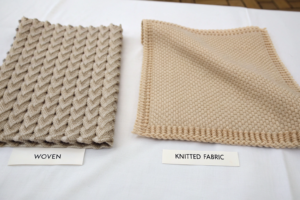
| Weaving/Knitting | 15 - 25 | Complexity of design (basic weave vs. jacquard), machine availability. Our large-scale weaving factory prioritizes pre-booked orders. |
| Dyeing & Finishing | 20 - 30 | The bottleneck. Color matching, special finishes (waterproof, wrinkle-free), and environmental production limits can cause queues. Our cooperative dyeing factory reserves slots for confirmed orders. |
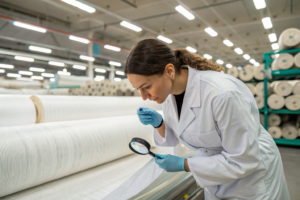
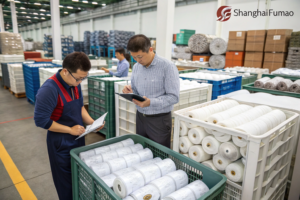
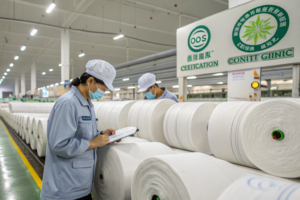
| QC, Packaging & Docs | 5 - 7 | Often underestimated. Fabric inspection, grading, rolling, labeling, and preparing commercial/legal documents (certificates of origin, etc.) are meticulous. |
| Total (Range) | 50 - 82 Days | This is the baseline. Now add calendar buffers. |
A real case: In Q3 2023, a US activewear brand needed a recycled polyester moisture-wicking jersey. From yarn sourcing to finished fabric, it took 67 days. The dyeing and functional finishing stage alone took 28 days due to high demand for performance fabrics that season.
How Can You Find Reliable Lead Time Information Before Ordering?
Don't just ask, "What's your lead time?" You'll get a best-case-scenario answer. Drill deeper with these questions:
- "Based on today's date and the current factory schedule, what is the realistic shipping date for a [specific fabric] order of [quantity]?" This forces a calendar-aware answer.
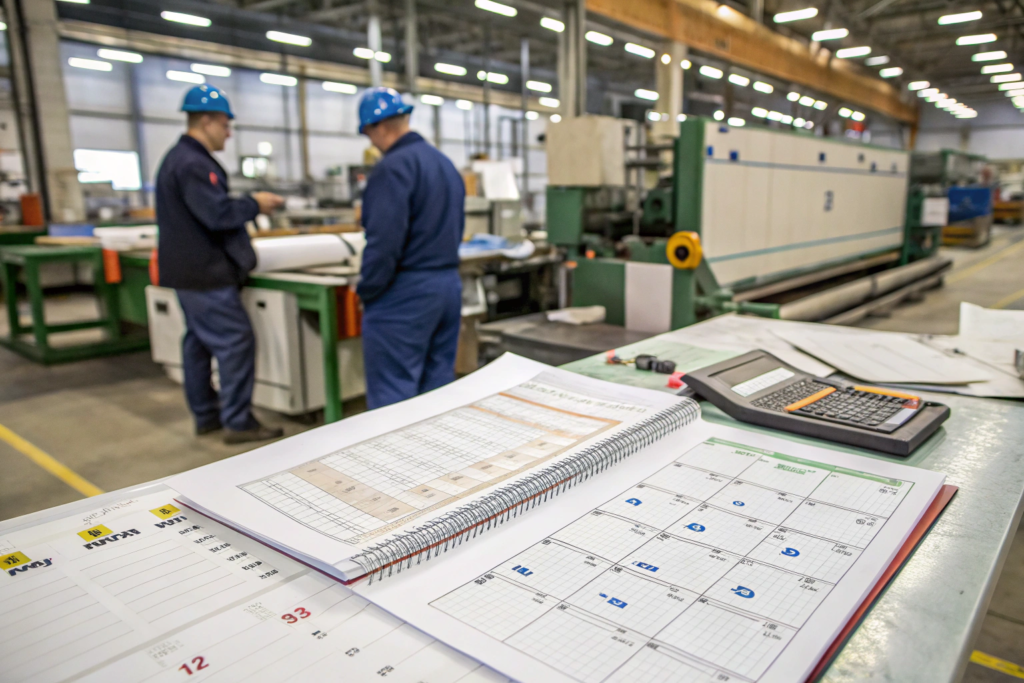
- "Can you share the Gantt chart or production schedule for my order?" A professional supplier like us manages orders this way and can show you the blocked-out time slots for each process.
- "What is the current capacity status of your dyeing partner?" This targets the most common bottleneck.
- "How do you communicate delays, and what is your protocol?" (This tests their proactive management style).
Industry resources like the International Textile Manufacturers Federation (ITMF), which publishes reports on global textile supply chain congestion indicators, can provide valuable macro-level context to benchmark your supplier's information against.
Which Fabric Factors Add the Most Time to Production?
All fabrics are not created equal in the eyes of the production clock. The lead time difference between a plain black cotton poplin and a custom-developed, digitally printed, antibacterial linen blend can be over 60 days. The choice you make in the design studio directly dictates the pressure on your timeline.
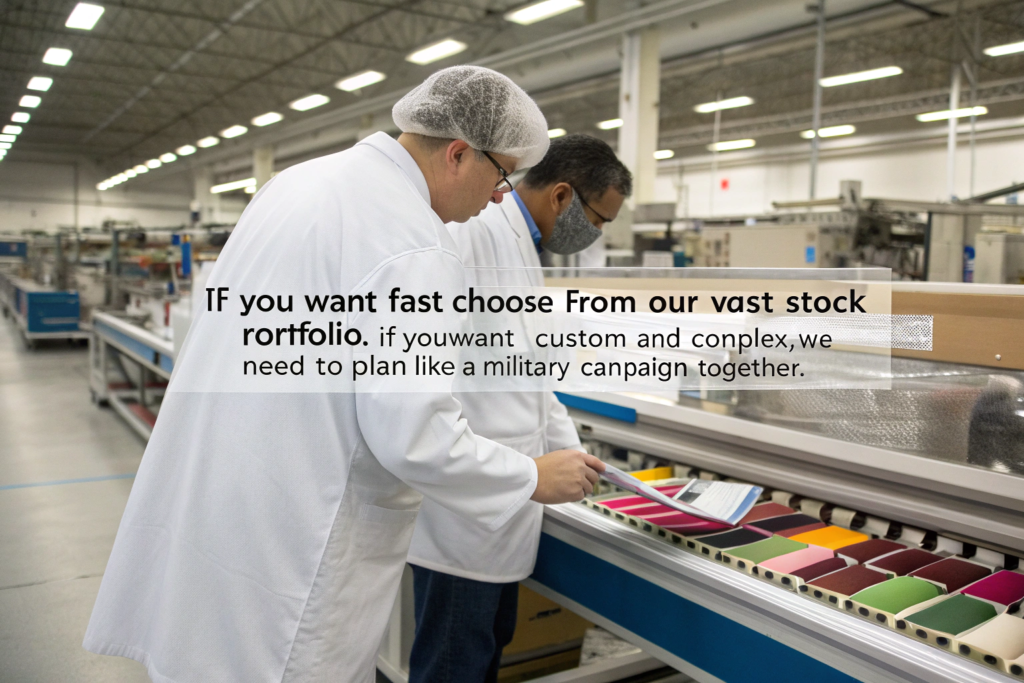
The major time-adders are sourcing specialized raw materials, executing complex dyeing/finishing, and achieving rigorous quality certifications. I tell our clients: "If you want fast, choose from our vast stock portfolio. If you want custom and complex, we need to plan like a military campaign together."
Why Do Fiber Type and Yarn Sourcing Create the First Delay?
The clock starts ticking the moment you specify the fiber. Here’s the hierarchy of speed:
- Fast (10-15 days): Common, domestic, stock yarns (standard Chinese cotton, polyester). The pipeline is full and flowing.
- Medium (20-30 days): Imported staple fibers (e.g., specific grades of Egyptian cotton, European linen tops) or common blended yarns. Requires international logistics and customs.
- Slow (30-60+ days): Specialty and certified yarns. This includes:
- GOTS/OCS Certified Organic Cotton: The yarn must be traced from certified farms, ginned, and spun in certified facilities. The supply is limited and batches are planned far in advance.
- Recycled Fibers (rPET, Recycled Cotton): Sourcing depends on the availability of high-quality recycled feedstock. For a large order of 50,000 meters of rPET fabric in early 2024, we had to secure PET bottle flake supply two months before yarn spinning even began.
- Technical or Novelty Yarns: Slub, mélange, or core-spun yarns with elastane require specialized spinning setups that may not be immediately available.
The takeaway: Lock in your yarn source during the sampling phase. Once the yarn is physically reserved, a major timeline variable is fixed.
How Do Fabric Construction and Finishing Processes Impact Speed?
After yarn, the construction and "wet processing" (dyeing/finishing) dictate the pace.
- Weaving/Knitting: A basic plain weave is fastest. Jacquards, dobbies, and complex knits require machine setup, pattern programming, and slower running speeds, adding 5-15 days.
- Dyeing: This is where art meets science and time.
- Solid colors are faster than heathers or yarn-dyed styles (like stripes/checks), which require dyeing the yarn first before weaving.
- Small batch dyeing (for micro-orders) often gets queued behind large batches, paradoxically taking longer per meter.
- Printing & Embellishment:
- Digital Printing: Faster for sampling and small runs. For bulk, speed depends on printer availability.
- Rotary/Screen Printing: Requires screen engraving—add 7-10 days. More colors = more screens = more time.
- Embroidery: Add 10-20 days. It requires digitizing the design, framing the fabric, and running on slower machines.
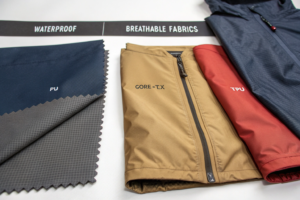
- Functional Finishes: Applying PU coating, lamination, or permanent technical finishes (like odor control) adds a separate production step, often in a different specialized factory, adding 7-14 days. Our in-house coating factory gives us scheduling control many traders lack.
For a deep dive into optimizing these technical processes, communities like [Textile Industry Professionals on platforms like specific engineering forums] discuss practical methods to reduce bottlenecks in fabric dyeing cycles.
How Can Strategic Planning Compress Your Lead Times?
You can't change the factory's speed, but you can change how you interact with it. Strategic planning is the ultimate lead time compressor. The most successful brands we partner with treat their fabric supplier as an extension of their own planning department. They share calendars, forecasts, and even preliminary designs 6-9 months before the PO.
The goal is to shift time-consuming activities out of the critical path. Development and sampling should happen in the "off-season." Approval should be swift and digital. Payment terms should be clear to avoid administrative delays.
What Does "Pre-Booking" Production Capacity Really Mean?
This is your most powerful tool. Pre-booking isn't just a promise; it's a financial and logistical commitment to reserve time on specific machines (looms, dyeing vats, finishing lines) for a future date.
Here’s how it works with a partner like us:
- Q3 2025: You finalize fabric development for Summer 2026. You provide a non-binding forecast (e.g., "We anticipate 30,000 meters of Style A and 20,000m of Style B").
- November 2025: Based on the forecast, we reserve yarn and block calendar slots in our weaving and dyeing plans for February/March 2026 production.
- Early January 2026: You place the firm PO with deposit. Because the pipeline is prepped, production launches immediately after Chinese New Year.
- Result: You gain a 4-6 week advantage over a competitor who places the same PO in mid-January without pre-booking.
A client from Germany used this method for their linen-blend shirting in 2024. Their fabric was on the water in late March, while their competitor's fabric (same specs, different supplier) didn't finish production until May.
How Can Digital Tools and Clear Communication Prevent Delays?
Delay is often caused by ambiguity, not machinery. Streamline these areas:
- Digital Sampling & Approval: Use digital lab dip submissions and online fabric inspection videos. For a recent project with a Danish brand, we sent 3PM video walkthroughs of fabric rolls under consistent lighting for their remote QC team to approve, saving 5 days of couriering physical swatches.
- The "Golden Sample": Before bulk production, approve a 1-3 meter finished sample from the actual production line. This signed sample is the absolute quality benchmark for the entire order. Any deviation means a stop and fix. This prevents bulk rejection—the ultimate delay.
- Consolidated Logistics: Work with a supplier who manages inland transportation, port handling, and documentation. Fragmented logistics cause hidden delays. Our "door-to-port" service bundles this, providing a single point of accountability and a clearer shipment date.
Understanding incoterms 2026 and their impact on shipping timelines is also critical, as the choice between FOB and EXW can add days to your process depending on your freight forwarder's efficiency.
What Are the Emerging Risks to Lead Times in 2026?
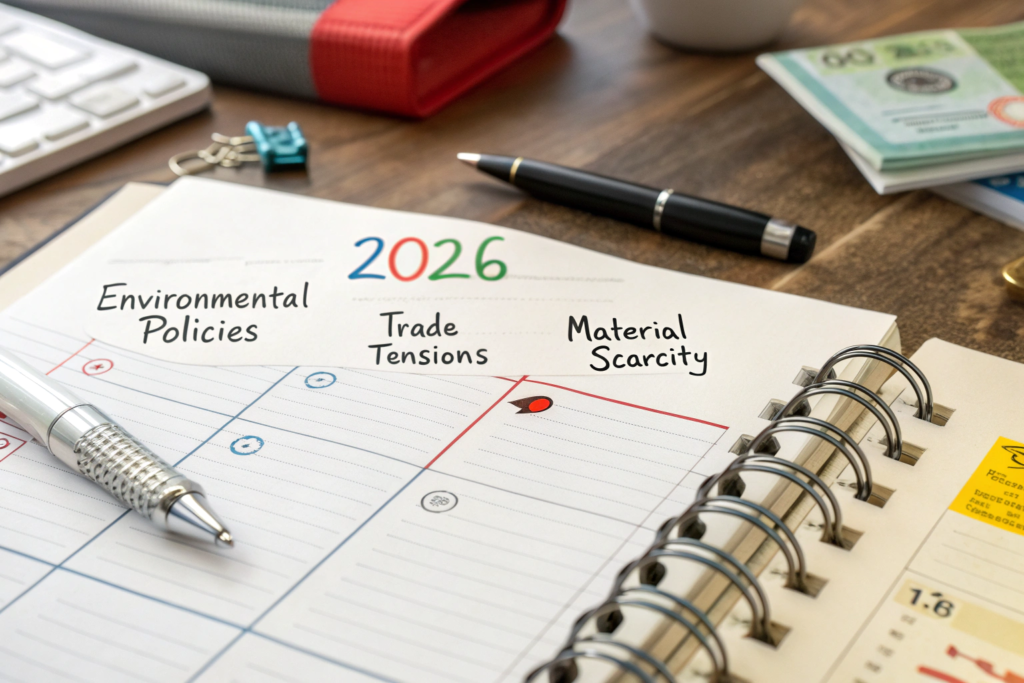
Looking ahead, 2026 introduces new variables beyond the traditional calendar. The "known unknowns" are becoming more significant. Brands must build broader risk buffers into their timelines. It's no longer just about Chinese New Year; it's about environmental policies, trade tensions, and material scarcity.
The savvy approach is to diversify and de-risk. This doesn't necessarily mean leaving China, but it means building more flexibility into your sourcing strategy and expecting the unexpected.
How Will Sustainability Regulations Impact Production Speed?
Green policies are a double-edged sword: great for the planet, but often slower for production.
- Environmental Caps: In key manufacturing provinces, local governments impose temporary production caps on dyeing and finishing mills during periods of poor air quality or to meet quarterly energy/water use targets. This can pause production for 3-7 days without warning. We mitigate this by partnering with mills that have invested in advanced wastewater treatment and clean energy, making them less likely to be shut down.
- Certification Verification: As demand for GOTS, OEKO-TEX, etc., grows, the audit and certification bodies are backlogged. Securing a timely transaction certificate (TC) for your organic order could add 1-2 weeks if not meticulously planned.
- New Material Adoption: Scaling up novel materials (e.g., plant-based leathers, new biodegradable fibers) is slow. Their production processes are not yet optimized for speed.
Why Is Supply Chain Diversification Becoming a Lead Time Strategy?
Relying on a single factory or region is a timeline risk. The smart strategy is "China Plus One" for sourcing and "multi-modal" for shipping.
- Raw Material Sourcing: For a critical order, we might source yarn from two different certified spinners in different regions. If one encounters a local issue, the other can cover part of the demand.
- Production Hubs: While our core production is in Keqiao, we have vetted partners in Southeast Asia (Vietnam, Bangladesh) for certain fabric types. For clients needing a faster, tariff-advantaged route to the US or EU, we can sometimes split or route orders through these hubs.
- Logistics Routes: Locking in shipping space early is crucial. We also plan for alternative port options (e.g., Ningbo vs. Shanghai) to avoid congestion. The
strategic use of China-Europe rail freight for textile shipmentsis a topic gaining traction for time-sensitive, mid-volume orders, offering a balance between sea and air freight.
Conclusion
In 2026, understanding lead times is no longer about memorizing a number; it's about mastering a dynamic system. The baseline of 45-90 days is merely the starting point of a negotiation with reality—a reality shaped by ancient holidays, modern environmental policies, and the relentless demand for innovation. The brands that will win are those that integrate their design, sourcing, and production calendars into a single, synchronized plan.
Success comes from viewing your fabric supplier not as a vendor, but as a strategic partner in timeline management. It's about pre-booking capacity, digitizing approvals, and building buffers for the unforeseen. The fastest lead time is the one you never have to rush because you planned for it from the very first sketch.
Is your brand's 2026 production timeline built on a firm foundation or shifting sand? At Shanghai Fumao, we provide more than fabric; we provide time certainty. Through our integrated supply chain, proactive capacity planning, and transparent communication, we turn lead time from a source of anxiety into a competitive advantage. Let's map out your 2026 production calendar together. Contact our Production Planning Director, Elaine, to start the conversation: elaine@fumaoclothing.com.