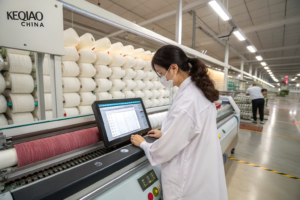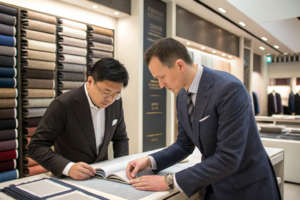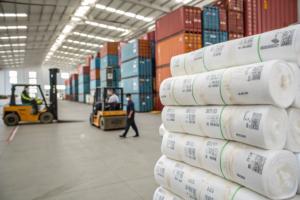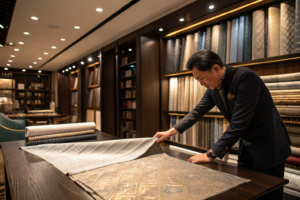
Spring/Summer 2026 is all about lace reimagined—where heritage craft meets radical innovation. If you're sourcing now, you're feeling the pressure to balance timeless romance with urgent demands for sustainability and technical performance. Your customers want lace, but they expect it to tell a new story. The question isn't just “what's pretty?” but “what’s purposeful, planet-friendly, and pushes boundaries?” From our vantage point in Keqiao, the trends are clear, and they're being woven into reality right now.
The latest trends for SS26 lace converge on three powerful themes: Transparent Sustainability, where eco-credentials are a visible part of the design; Hybrid Performance, fusing delicate aesthetics with athleisure functionality; and Digital Artisanal, where technology creates impossibly intricate, personalized patterns. Success won't come from picking one trend, but from understanding how to source and engineer these next-generation laces with a partner who controls the entire chain—from innovative yarn sourcing to precise finishing.
The lace you knew is evolving. It’s no longer confined to bridal or lingerie; it’s on activewear, streetwear, and even technical outerwear. This expansion means your sourcing criteria must expand too. Let’s dive into the specific trends that will define your 2026 collections, backed by the concrete development work we’re doing with global brands today.
Trend 1: "Traceable Transparency" – When Eco-Credentials Become the Embellishment
For SS26, sustainability moves from the hangtag to the forefront of the design language. “Traceable Transparency” means the story of the lace is as important as its look. This trend is driven by two elements: the use of regenerative and ocean-bound materials that have a demonstrable positive impact, and construction techniques that reduce waste to near-zero. Consumers and buyers alike will scrutinize not just the final product, but its origin story—and your sourcing must be ready to provide it.
This trend kills two birds with one stone: it satisfies ESG mandates and creates a unique marketing narrative. Imagine lace where the yarn is traced back to specific recycled fishing nets, or where the scalloped edge is designed to minimize off-cuts in the cutting room. At Shanghai Fumao, we’re seeing a 40% year-on-year increase in requests for laces with this level of documented, design-integrated sustainability. It’s no longer a “nice-to-have”; it’s the core of the brief.
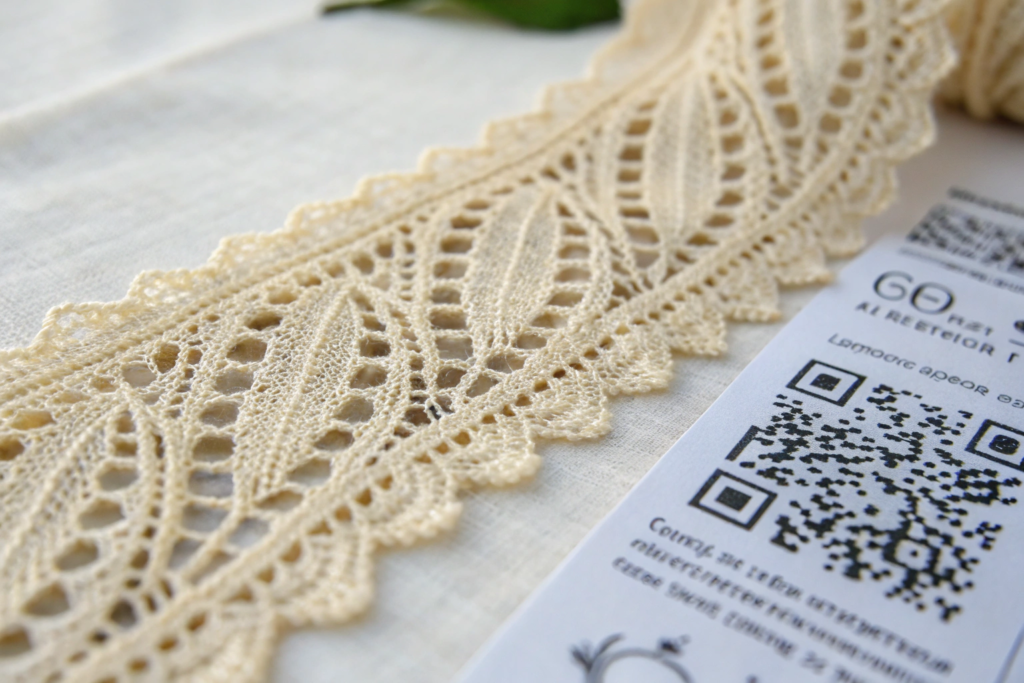
How is "Carbon-Inset" Lace Moving Beyond Standard Recycled Polyester?
“Carbon-inset” is the next leap. While recycled polyester (rPET) is now baseline, SS26 is about laces that actively remove carbon from the atmosphere during their production. This involves fibers like lyocell derived from carbon-capturing crops (e.g., fast-growing bamboo in managed forests) or blends incorporating algae-based yarns. The visual result is a lace with a unique, slightly irregular texture and a deep, natural luster that synthetic fibers can't replicate.
We developed a prototype for a Scandinavian minimalist brand in April 2024. They wanted a lace that was “climate-positive” in narrative. We sourced Tencel™ lyocell from a supplier with FSC certification and combined it with a 20% chitosan fiber (derived from crustacean shells, a food industry byproduct). The dyeing was done using a revolutionary low-temperature process that cut energy use by 60%. The final lace had a beautiful, dry hand-feel and a subtle grayish-natural hue that became its signature. For sourcing teams, understanding the practical framework for carbon insetting in textile production is now essential to validate these claims.
What Does "Zero-Waste Lace Construction" Actually Look Like in Production?
It looks like engineering, not just design. Zero-waste construction uses techniques like engineered jacquard patterning where the lace trim is knitted to the exact width and shape needed for the garment panel, eliminating cutting waste. Another method is seamless 3D lace molding, where the lace is knitted directly into 3D cup shapes for lingerie or structured bodices.
Here’s a real case: In February 2024, a UK-based luxury lingerie brand challenged us to reduce waste in their signature floral lace edging by 95%. Our solution was twofold. First, we reprogrammed the Raschel machines to knit the lace with a built, reinforced selvedge that acted as the garment’s seam allowance. Second, we redesigned the pattern repeat to be modular, so off-cuts from one style could be used as appliqués for another. (Here’s a pro tip: this requires extremely close collaboration between your designer and our tech team—send your tech packs early!). This approach turned a cost center (waste) into a design feature. To grasp the full potential, explore discussions on zero-waste lace knitting techniques in specialized forums.
Trend 2: "Technical Hybrids" – Lace That Breathes, Stretches, and Protects
The athleisure influence has permanently transformed lace. For SS26, “Technical Hybrids” refer to laces engineered with inherent functional properties—moisture-wicking, UV protection, temperature regulation, and even biophilic wellness benefits. This is lace for the real world: a delicate-looking overlay on a sports bra that manages sweat, or a sun-dress lace that blocks harmful rays without sacrificing sheer beauty.
This trend is exploding because it adds tangible value and justifies a higher price point. The key is in the fiber science and the finishing. It’s not about applying a coating that washes off; it’s about embedding functionality into the yarn or the knit structure itself. At our CNAS-certified lab, we’re testing hybrid laces daily, and the demand from activewear and contemporary fashion brands has tripled in the past 18 months.
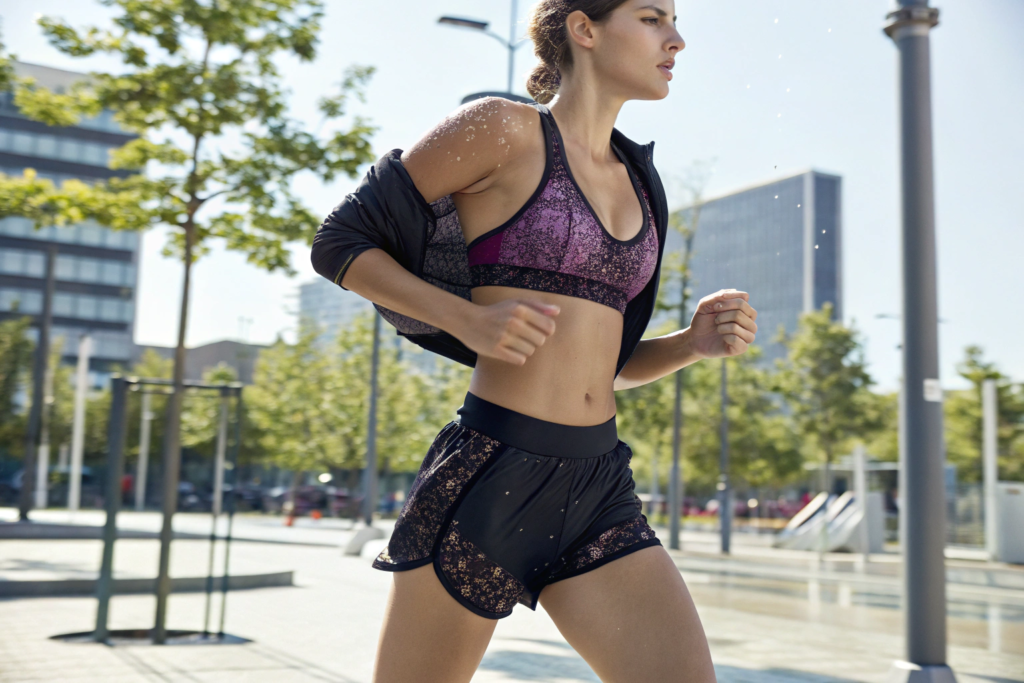
Can Lace Truly Offer UPF 50+ Protection Without Being Opaque?
Yes, absolutely. This is one of the most exciting technical breakthroughs. The protection comes from two methods: using inherently UV-resistant fibers like certain types of polyester or polyamide that are modified at the polymer stage, and engineering the density of the knit. A precisely calculated pattern of dense and open areas can create a “shade effect” that blocks rays while maintaining sheerness.
We supplied a Spanish resortwear brand with a UPF 50+ lace for their SS25 collection (ahead of the curve). The lace was a geometric pattern made from a proprietary polyester yarn infused with titanium dioxide. The magic was in the pattern density—our technicians ran multiple simulations to ensure the openwork areas never exceeded a certain size threshold, making the entire fabric meet the strict UPF 50+ standard. The fabric remained lightweight and over 70% transparent. For brands, verifying this requires a test report from a lab like SGS or ITS, not just a supplier’s word. Understanding the science behind UPF testing for textiles is crucial for due diligence.
How are "Phase-Change" and "Moisture-Wicking" Technologies Integrated into Delicate Lace?
Integration happens at the yarn level. For temperature regulation, micro-encapsulated phase-change materials (PCMs) can be embedded in the fiber matrix before spinning. These PCMs absorb, store, and release heat to maintain a microclimate. For moisture-wicking, the yarn is engineered with micro-channels or a modified cross-section (like a trilobal shape) that pulls sweat away from the skin to the fabric's outer surface for evaporation.
A compelling example: For an Australian yoga apparel label in late 2023, we developed a lace binding and overlay fabric for their high-end line. The core yarn was a moisture-wicking nylon, and we incorporated a small percentage of PCM-treated viscose into the blend for the floral motifs. The result was a lace that felt cool to the touch upon wearing and kept its dry feel even during high-humidity sessions. The development took 5 sample rounds to perfect the blend ratio without compromising the lace’s drape. This is where a supplier’s R&D commitment makes all the difference. Deep dives into the application of phase-change materials in textiles can provide deeper technical context.
Trend 3: "Digital Artisanal" – The New Handcraft, Powered by AI and Robotics
“Digital Artisanal” resolves the age-old conflict between scale and uniqueness. This trend uses AI-driven generative design to create never-before-seen, hyper-intricate patterns, and advanced manufacturing like ultra-fine 3D printing and robotic embroidery to execute them with precision that surpasses human hands. The aesthetic is a fusion of algorithmic complexity and organic flow—think of lace patterns that mimic mycelium networks or fluid digital glitches.
This trend is a game-changer for brands fighting fast fashion commoditization. It allows for true micro-customization: imagine offering clients the ability to input a personal datum (like a sound wave or a heartbeat rhythm) to generate a one-of-a-kind lace pattern. At Shanghai Fumao, our investment in AI trend analysis is directly feeding this, allowing us to offer clients bespoke pattern libraries that are both on-trend and proprietary.
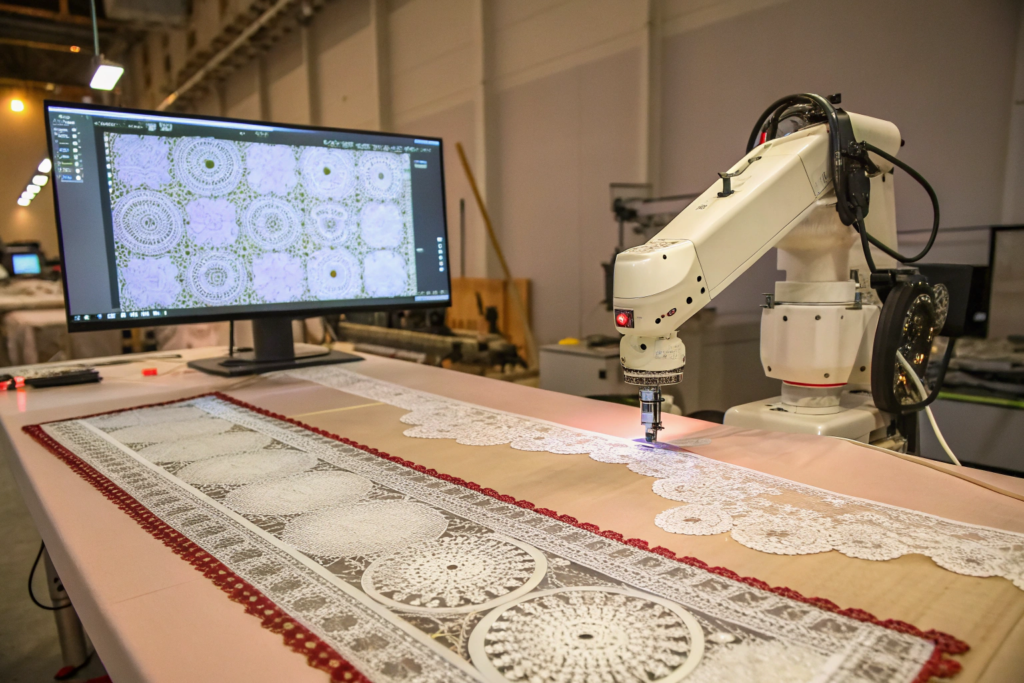
How is AI Specifically Used in Lace Pattern Development for 2026?
AI is used in three key ways: 1. Trend Synthesis: It scans millions of images from runways, social media, and art databases to predict the emerging floral, geometric, and abstract motifs for SS26. 2. Generative Design: It creates thousands of pattern variations based on initial input (e.g., “organic,” “fractal,” “baroque”), optimizing for aesthetic appeal and technical knit-ability. 3. Pattern Optimization: It automatically adjusts the design file for different production machines (Raschel vs. Leavers) to minimize yarn breaks and production flaws.
In practice, this means faster, smarter development. For a New York contemporary brand, we used our AI tool in January 2024 to generate over 200 pattern variations inspired by “deconstructed Victorian flora.” The design team selected 5, which we then translated into physical strike-offs within 72 hours. The entire concept-to-sample cycle was cut from 4 weeks to 10 days. This speed is a critical advantage. To stay updated on these tools, follow insights from leading fashion tech analysts on AI in design.
What's the Real Difference Between 3D Printed Lace and Traditional Knitted Lace?
The difference is fundamental. Traditional knitted or woven lace is created by manipulating yarns into spaces and connections. 3D printed lace is an additive process, building the lace structure layer by layer from a liquid resin or polymer filament. The results are revolutionary:
- Form: 3D printing can create truly three-dimensional, sculptural lace elements that stand away from the body, impossible with flat knitting.
- Waste: It is inherently zero-waste, using only the material needed for the structure.
- Material: Allows for wild material experimentation, including biodegradable plastics and elastomers.
The trade-off? Scale and cost. Currently, 3D printing is ideal for high-impact appliqués, accessories, or couture pieces. For example, we collaborated with a Parisian accessory house in March 2024 to produce 3D-printed lace cuff bracelets made from a biodegradable PLA blend. The intricate, cage-like design would have been prohibitively expensive and slow to produce by hand. For bulk garment use, the future lies in hybrid techniques—using 3D-printed elements as embellishments on traditional knitted lace bases. Communities like 3D printing enthusiast forums often showcase pioneering applications that inspire commercial use.
Trend 4: "Neo-Romanticism" – Dark Florals, Deconstructed Heirlooms, and Unexpected Pairings
A powerful emotional counter-trend to high-tech is “Neo-Romanticism.” This isn't your grandmother's lace. It’s characterized by dark, moody color palettes (slate grays, bruised purples, forest green), deconstructed and fragmented patterns that look imperfect or mended, and bold juxtapositions—like pairing a delicate Chantilly-style lace with raw-edged denim or rugged technical fabrics. It’s about nostalgia, but with a contemporary, almost melancholic edge.
This trend speaks to the consumer's desire for depth and storytelling. It requires a supplier with a deep archive of traditional techniques (like Leavers lace knowledge) and the creativity to subvert them. The finish is critical here: antiquing washes, crush-texturing, and shadow-effect dyeing are used to give new lace an heirloom feel. We’re working with several boutique brands in Milan and Los Angeles who are building entire collections around this “found object” lace aesthetic.
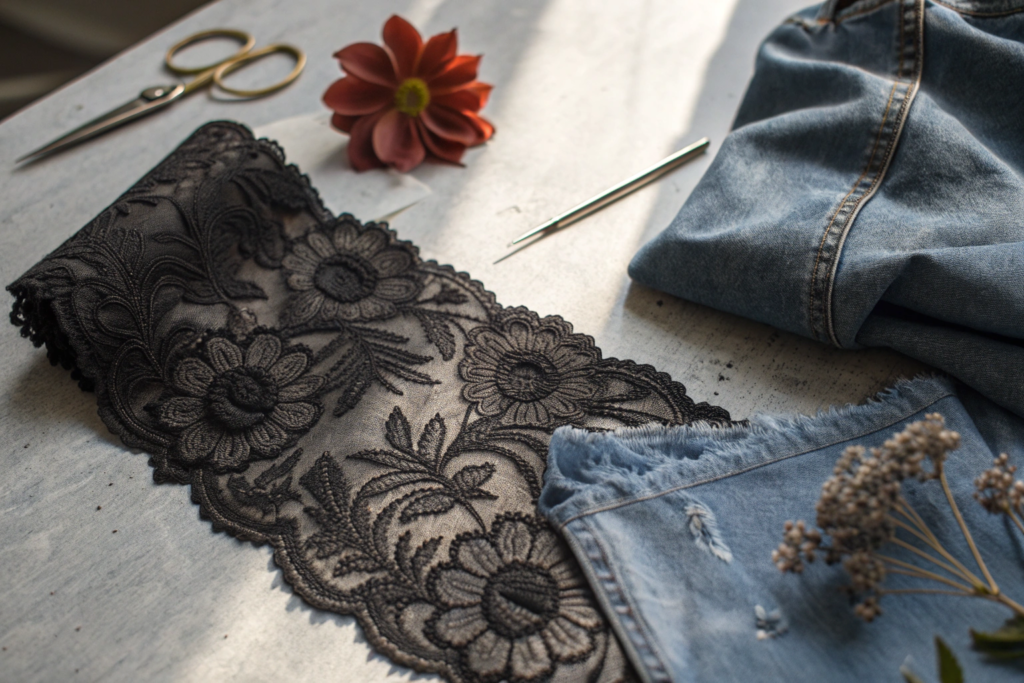
How to Source "Heirloom-Effect" Lace with Consistent "Imperfections"?
The paradox is that achieving a consistent “imperfect” or vintage look is a highly controlled technical process. It involves specialized finishing: controlled chemical washes to soften fibers and slightly degrade edges, irregular space-dyeing for a tonal, ombre effect, and mechanical brushing or sanding to create a subtle wear pattern.
Sourcing this requires clear communication and sample benchmarking. Don’t just say “make it look vintage.” Provide reference images and specify the type of aging: "moth-eaten," "sun-bleached," "tea-stained." In October 2023, a Seattle-based designer sent us a 100-year-old lace handkerchief as inspiration. Our finishing factory recreated the effect by using a combination of a cellulose enzyme wash (to mimic natural degradation) and a pinpoint digital printing technique to add the faint, uneven discoloration. Each batch now includes a “finishing recipe” to ensure consistency across orders. This niche skill is often discussed among vintage clothing restoration forums and small designer communities.
Why is "Lace & Denim" the Key Pairing for SS26 Casual Elegance?
This pairing perfectly captures the SS26 mood of effortless hybridity. The toughness of denim contrasts with the fragility of lace, creating a look that is both relaxed and sophisticated. For sourcing, this means developing lace that can withstand the rigid denim washing process—stone washing, enzyme washing, bleaching—without falling apart or losing its shape.
The solution lies in yarn and construction. We recommend using core-spun yarns (a spandex core wrapped with cotton or polyester) for stretch and recovery, and opting for a slightly denser, reinforced lace structure. For a major US high-street brand’s upcoming SS26 line, we engineered a guipure-style lace trim using polyester-covered spandex. It was pre-washed and pre-shrunk in our facility using simulated denim wash cycles before being shipped to their garment factory. This “ready-to-attach” trim eliminated shrinkage surprises and ensured the lace retained its aesthetic after the final garment wash. Managing this process requires a supplier with a full understanding of the complete denim washing guide and its impact on trims.
Conclusion
Spring/Summer 2026 lace is defined by intelligent duality: transparent yet traceable, delicate yet high-performance, digitally born yet artfully finished, romantically inspired yet darkly modern. Navigating these trends requires more than a fabric supplier; it demands a creative and technical partner embedded in the global innovation pipeline.
The brands that will win are those who start conversations with their mills now. They will be the ones co-developing these advanced materials, securing production capacity during peak periods, and building collections with a point of view that is both commercially viable and creatively profound. The trends are clear, and the technology exists. The next step is execution.
If you see your SS26 collection in these trends—whether it’s a carbon-inset lace for a sustainable line, a UPF 50+ hybrid for resortwear, or a deconstructed digital pattern for avant-garde pieces—we should talk. At Shanghai Fumao, our entire ecosystem in Keqiao is tuned to turn these 2026 trends into your production reality. Let’s develop the lace that will define your season. Reach out to our Business Director, Elaine, to start the conversation: elaine@fumaoclothing.com.