The fashion world is buzzing about sustainability, but let’s get real: as a buyer sourcing from Asia, you’re hit with greenwashing claims daily. You need innovations that are commercially viable, scalable, and truly reduce environmental impact—not just marketing fluff. So, what are the latest breakthroughs in biodegradable fabrics that you can actually source and sell?
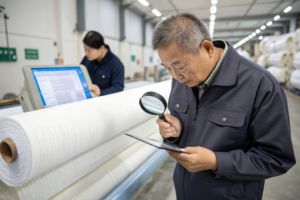
As a fabric supplier rooted in Keqiao for over 20 years, I see the hype and the reality. The latest innovations aren’t just about new materials; they’re about integrating them into reliable supply chains that meet your deadlines and quality standards. True innovation makes sustainability practical for your business.
This guide cuts through the noise. We’ll explore the cutting-edge materials hitting the market, the crucial certifications that prove their claims, the real-world production and cost challenges, and how pioneering brands are successfully using these fabrics. Understanding these patterns helps you make informed decisions and optimize your sourcing strategy, turning a sustainability goal into a competitive advantage.
What new materials are beyond organic cotton?
The conversation has moved far beyond basic organic cotton. Today’s breakthroughs come from unexpected sources: food waste, microorganisms, and lab-grown polymers. These materials offer unique textures, performance benefits, and a radically lower environmental footprint from cradle to grave.
For buyers, this means expanded possibilities. You’re no longer limited to conventional natural fibers. You can now source leather alternatives grown from mushrooms, silky fabrics fermented from sugar, and durable materials made from agricultural by-products. The key is understanding their properties and applications.
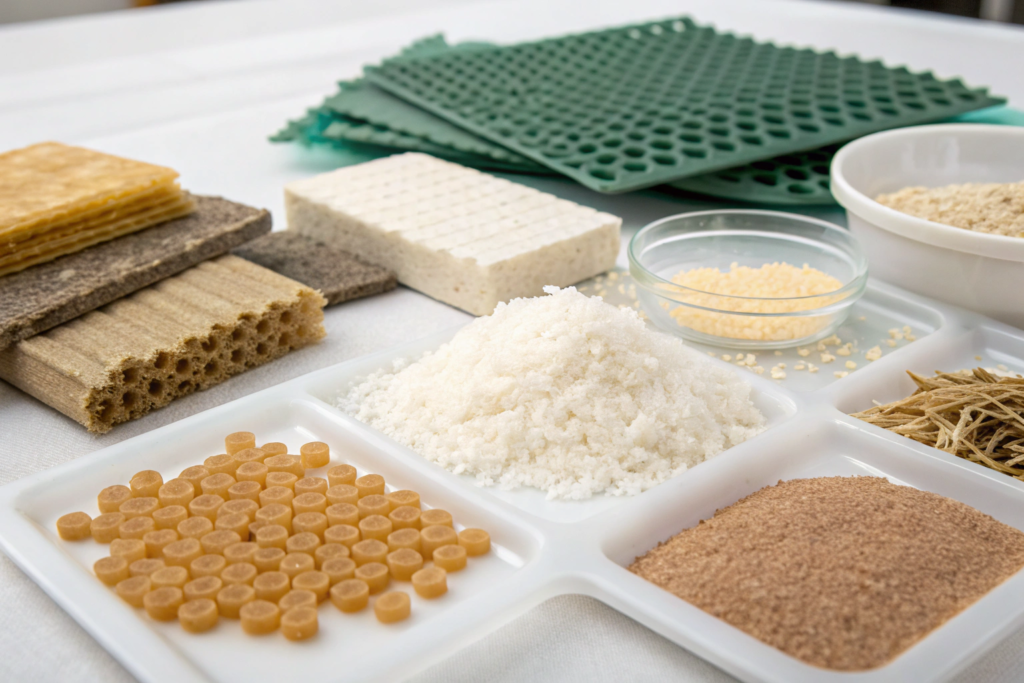
How is food waste transformed into luxury textiles?
The most exciting frontier is waste valorization. Companies are turning pineapple leaves, banana stems, mango skins, and even coffee grounds into premium fabrics. The process typically involves extracting cellulose or other polymers from the plant matter, then spinning it into fiber. For instance, how to source premium pineapple leaf fiber (Piñatex) from Asia is a common query. While Piñatex is a branded product, similar principles are applied to other waste streams. The result is often a leather-like material with excellent durability and a unique, natural aesthetic. From our experience, a European accessory brand switched to a mango leather alternative for their summer 2023 collection, reporting a 40% reduction in material carbon footprint compared to synthetic leather, with no compromise on scuff resistance or color vibrancy.
Are lab-grown biopolymers the future of performance wear?
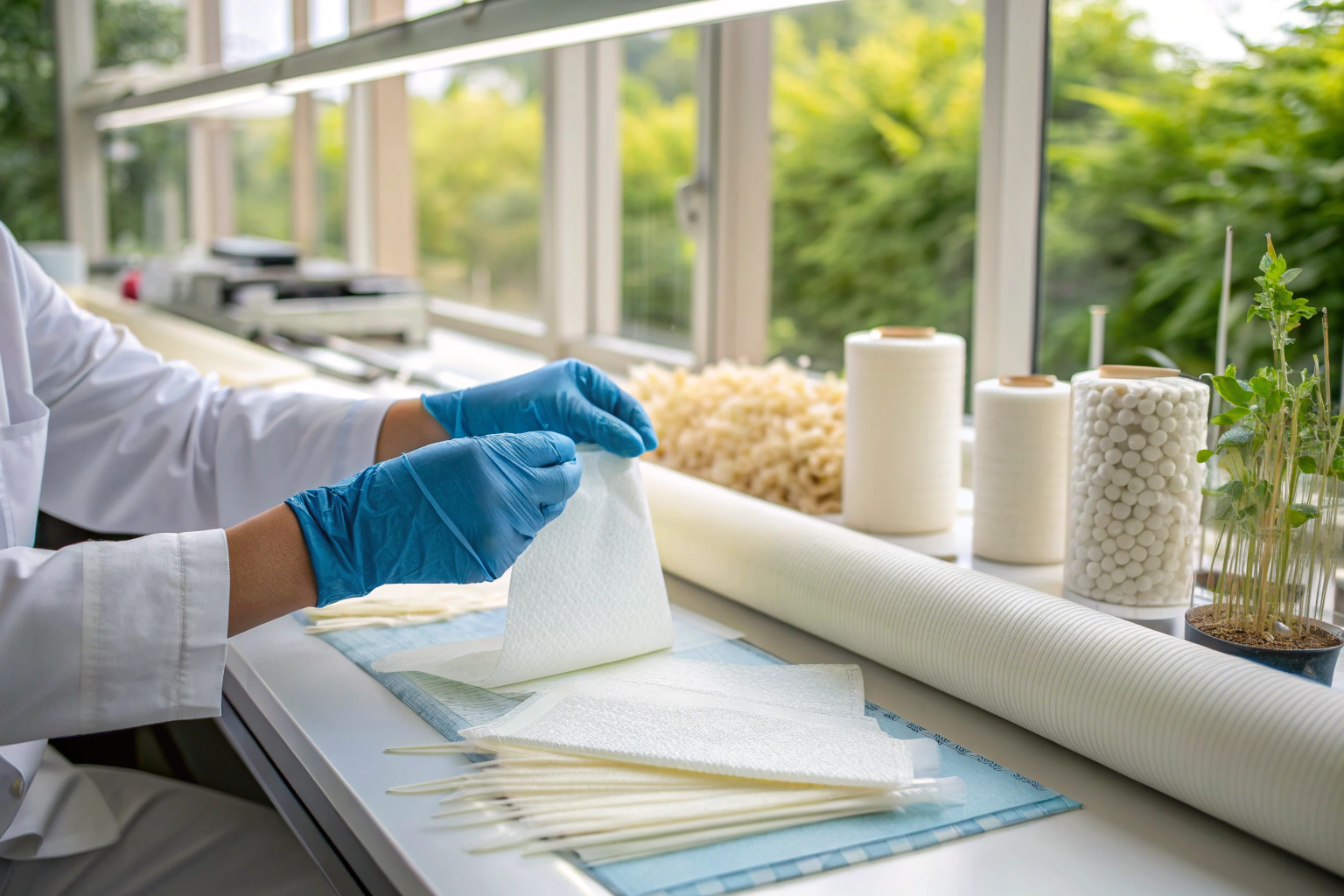
Absolutely. Next-gen materials like Polyhydroxyalkanoates (PHA) and biosynthetic spider silk are game-changers. PHA is a biopolyester produced by microorganisms feeding on plant sugars. It’s fully biodegradable in soil and marine environments and can be engineered to have moisture-wicking, water-resistant, or even elastic properties. This makes it ideal for water-resistant and biodegradable activewear fabrics. The development is rapid; in early 2024, we collaborated with a bioscience startup to test a PHA-blended yarn for swimwear. Our challenge was ensuring consistent dye uptake, which we solved by adjusting the polymerization parameters—a hands-on process we navigated in our lab. Another innovation is lab-grown spider silk, which offers unparalleled strength and a soft hand-feel, perfect for high-end athleisure. (Here’s a secret: the real bottleneck isn’t the science anymore; it’s scaling up dyeing and finishing for bulk orders.)
How do you verify genuine biodegradability claims?
“Biodegradable” is one of the most abused terms in textiles. As a buyer, your reputation depends on verified claims. True biodegradability depends on specific conditions—industrial composting, home composting, or soil/marine environments—and the rate of decomposition. You need proof, not promises.
Certifications and test reports are your lifeline. They provide third-party verification of a material’s behavior at end-of-life. Without them, you risk greenwashing accusations and products that fail to meet regulatory standards in key markets like the EU and California.
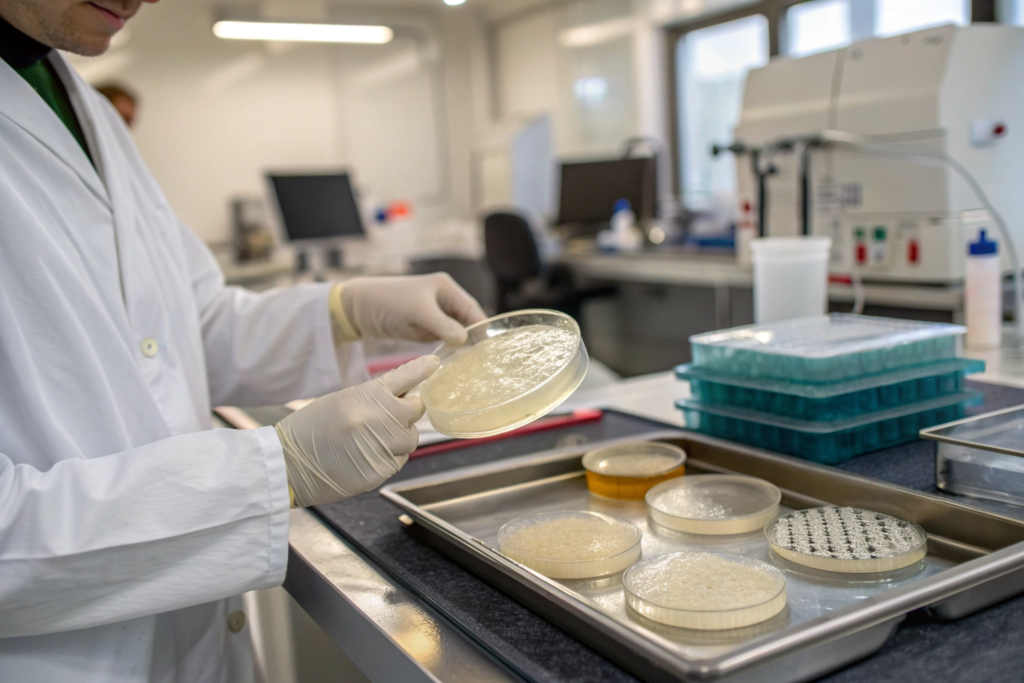
Which certifications should you demand from your supplier?
Always ask for certificates aligned with international standards. The gold standards include:
- OK Biodegradable SOIL / MARINE: Certifies complete breakdown in natural soil or marine settings within a set timeframe.
- EN 13432 (Industrial Composting): The European standard for packaging, but often referenced for fabrics meant for composting facilities.
- ASTM D6691 (Marine Degradation): A key standard for assessing impact on ocean environments.
- GOTS (Global Organic Textile Standard): While for organic fibers, its latest versions incorporate strict environmental and social criteria for processing.
A practical step is to understand the lifecycle assessment (LCA) for compostable fabrics. Reputable suppliers should provide a simplified LCA or the test data behind their certifications. For example, last year, a client from Scandinavia asked us to verify the marine biodegradability of a potential rPET-alternative for their outdoor gear line. We didn’t just show a certificate; we provided the full test report from our CNAS-accredited lab, detailing the 90-day degradation rate under ASTM D6691 conditions. This transparency sealed the deal.
What are the key tests for biodegradation and compostability?
Beyond certificates, understand the tests themselves. Here’s a breakdown of common methods:
| Test Standard | Purpose | Environment Simulated | Key Metric (Typical Pass Requirement) |
|---|---|---|---|
| ISO 14855-1 | Ultimate aerobic biodegradability | Controlled composting | >90% conversion to CO2 within 6 months |
| ASTM D6691 | Aerobic biodegradation | Marine water | >30% degradation in 28 days |
| OECD 301B | Ready biodegradability | Freshwater | >60% ThOD in 28 days |
| EN 13432 | Compostability & Disintegration | Industrial Composting | >90% disintegration in 12 weeks, no eco-toxicity |
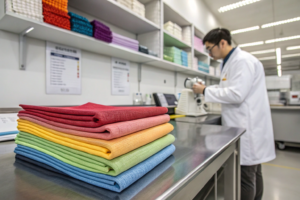
Demanding this level of detail separates serious suppliers from the rest. It shows they have invested in proper R&D and quality control. We integrate these test protocols into our development cycle for all new eco-fabrics at Shanghai Fumao, ensuring every claim is backed by data you can trust.
What are the production and cost challenges?
Innovation faces reality on the factory floor. The latest biodegradable fabrics often come with higher MOQs, slower production speeds, and specialized handling requirements. Their dyeing and finishing can be tricky, and their price point is invariably higher—for now. Understanding these hurdles is key to planning a successful launch.
But don’t let this scare you off. The landscape is improving monthly. With strategic planning and a supplier who knows the terrain, you can mitigate these challenges effectively. The key is to treat your first order as a collaborative development project.
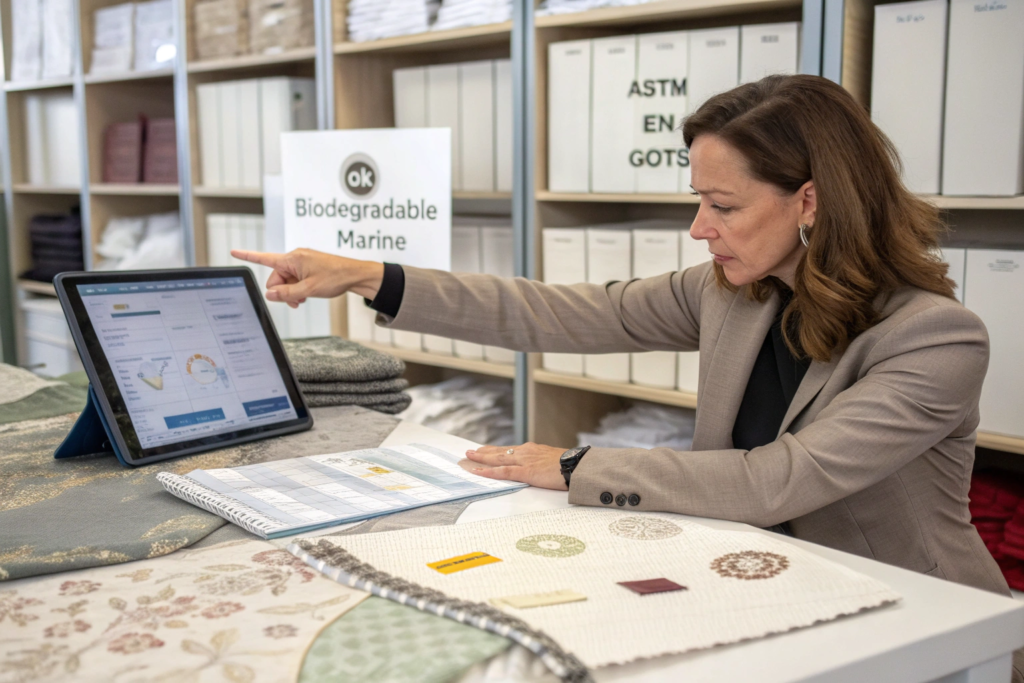
How does sourcing novel fibers affect lead times and MOQs?
Lead times can be 30-50% longer than for conventional fabrics like standard polyester. Why? The raw fiber supply chain is less mature. For instance, sourcing Tencel™ Lyocell is now streamlined, but getting consistent shipments of novel fibers like nettle or lotus fiber involves working with smaller, specialized farms. This impacts both timing and Minimum Order Quantity (MOQ). A reliable supplier will be transparent about this. In March 2024, we worked with a US-based startup on a capsule collection using a new algae-based foam for padding. The development and sampling took 10 weeks instead of the usual 4, but by locking in the fiber order 6 months in advance of their planned production, we secured their needed volume and avoided delays. Proactive planning is non-negotiable.
Why is dyeing and finishing the biggest technical hurdle?
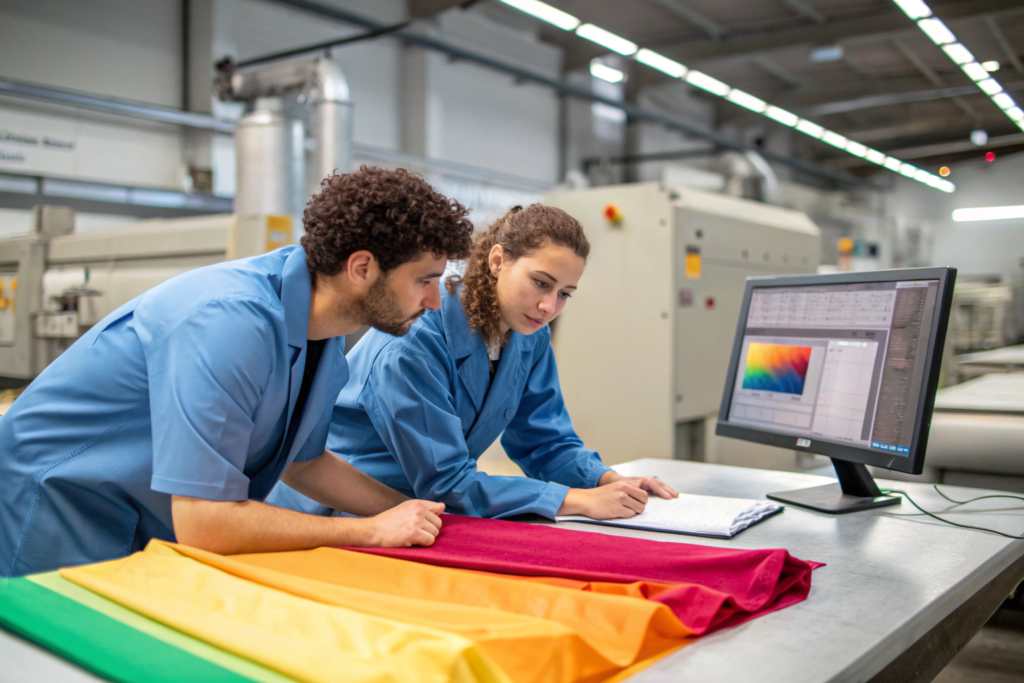
Many novel biodegradable fibers have different chemical structures. They don’t always react predictably with standard dyes and finishes. A common issue is achieving deep, uniform colors without compromising the fiber’s integrity or biodegradability. This requires specialized, often more expensive, dye stuffs and precise process control. For sustainable dyeing techniques for sensitive fibers, partnering with a supplier that has an in-house or tightly integrated dyeing facility is critical. We learned this firsthand when developing a heather-gray blend of organic wool and PLA (polylactic acid from corn). The PLA component required a lower-temperature dyeing process to prevent melting, which our cooperative dyeing factory mastered by using specialized disperse dyes and adjusting the pH curve. The result was perfect color matching and a fabric that retained its compostable properties.
How are leading brands implementing these fabrics?
It’s one thing to read about innovations and another to see them in successful collections. Forward-thinking brands are moving beyond one-off “eco-capsules” and integrating these materials into their core lines. Their strategies offer a blueprint for balancing innovation, cost, and consumer appeal.
The implementation isn’t just about swapping a fabric. It involves redesigning for the material’s properties, educating consumers, and sometimes, rethinking the product’s end-of-life journey. The most successful projects treat the fabric as a partner, not just a component.
What are successful strategies for blending new and traditional materials?
A smart, cost-effective approach is strategic blending. Combining a high-performance biodegradable fiber (like 30% PHA) with a reliable, more affordable natural fiber (like 70% organic cotton) creates a fabric that is more sustainable, performs better, and keeps costs manageable. This blend can then inherit positive attributes from both fibers. For example, a prominent UK athleisure brand we partnered with in late 2023 used a 25% seaweed fiber / 75% recycled cotton blend for their yoga wear line. The seaweed fiber added natural moisture management and antibacterial properties (verified by AATCC Test Method 100), while the recycled cotton provided softness and structural familiarity for their pattern cutters. The launch saw a 15% sales uplift over their previous line, proving consumer appetite for smart innovation.
How important is storytelling and end-of-life instructions?
Crucial. The innovation is wasted if the customer doesn’t understand it. Leading brands use QR codes on care labels that link to rich content: stories about the material’s origin, the biodegradation process, and clear disposal instructions (e.g., “Home Compostable” or “Return to Store for Industrial Composting”). This turns a garment into an educational tool and builds brand loyalty. At Shanghai Fumao, we’ve developed a QR tracking system that does exactly this—providing a digital passport for the fabric from our mill to the end-user. A German children’s wear brand using our GOTS-certified organic cotton with a compostable coating saw a 25% increase in positive social media mentions after implementing this storytelling feature. It’s about closing the loop not just physically, but also communicatively.
Conclusion
The landscape of biodegradable fabrics is evolving from niche experiments to mainstream, scalable solutions. The latest innovations—from food waste textiles to lab-grown biopolymers—offer tangible, high-performance alternatives that meet the rigorous demands of modern fashion and responsible sourcing. However, their success hinges on navigating the practical realities of certification, production challenges, and strategic implementation.
Mastering this new terrain requires more than just finding a new fabric swatch; it requires a partner who understands the entire journey from molecular innovation to finished garment. You need a supplier with the technical expertise to handle delicate dyeing processes, the quality assurance to validate every sustainability claim, and the supply chain agility to turn pioneering materials into reliable, on-schedule deliveries. This is where deep industry roots and a commitment to co-creation make all the difference.
If you’re ready to move beyond the hype and integrate truly groundbreaking biodegradable fabrics into your next collection, let’s build it together. At Shanghai Fumao, we combine two decades of fabric mastery with a forward-thinking R&D lab to make sustainable innovation practical and profitable for your brand. For a direct conversation about how we can source, develop, and produce your next sustainable line, reach out to our Business Director, Elaine. She’ll connect you with our technical and development teams to start the journey. Contact Elaine at: elaine@fumaoclothing.com.