I'll never forget the day we had to reject $85,000 worth of "organic" fabric from one of our dyeing partners. The colors were beautiful, the hand feel was perfect, but their wastewater tests revealed heavy metal concentrations that exceeded GOTS limits by 400%. They'd used conventional dyes to save costs, assuming nobody would ever test the discharge. That moment taught me that GOTS requirements for dyeing and finishing aren't just paperwork - they're the difference between truly sustainable textiles and greenwashed products.
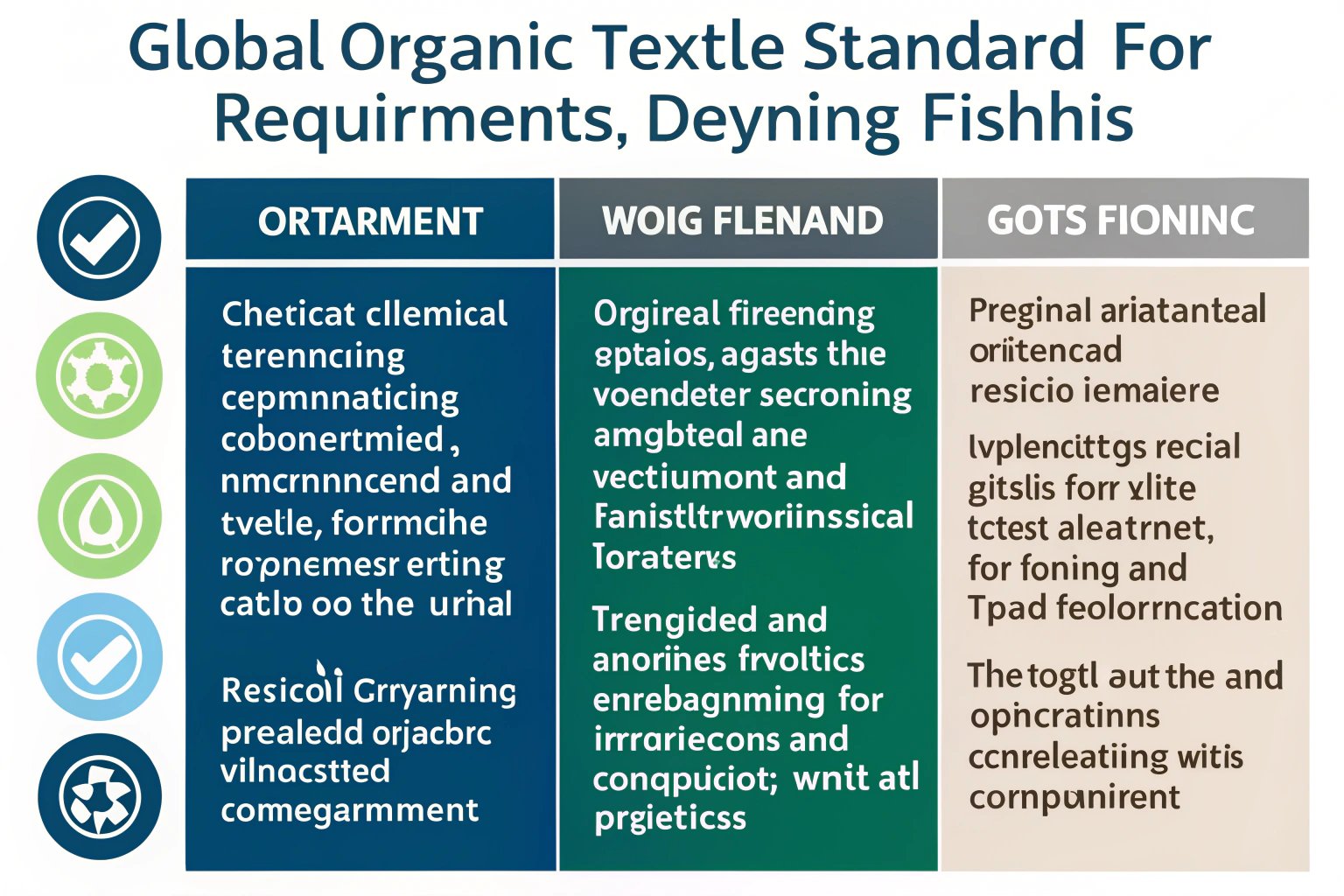
So what exactly are the GOTS requirements for dyeing and finishing fabrics? GOTS imposes comprehensive requirements covering chemical inputs, wastewater treatment, environmental management, and social compliance specifically for wet processing operations. The standards transform conventional dyeing and finishing - typically the most polluting stages of textile production - into environmentally responsible processes that protect workers, communities, and ecosystems while delivering high-quality results.
The requirements create a complete system where every chemical, every process, and every discharge is monitored and controlled. This isn't just about avoiding bad substances - it's about implementing positive environmental management throughout wet processing operations.
What chemical restrictions apply to dyeing and finishing?
The GOTS Positive List isn't just a prohibition list - it's a comprehensive system that evaluates every chemical for environmental impact, toxicity, and biodegradability before approval. This proactive approach prevents pollution at the source rather than trying to clean it up afterward.
The chemical requirements transform dye selection from a purely aesthetic decision into an environmental responsibility.

Which specific dye classes are prohibited under GOTS?
GOTS prohibits dyes classified as carcinogenic, mutagenic, or toxic for reproduction (CMR), along with heavy metal-based dyes and AZO dyes that cleave to aromatic amines. We learned this lesson when a new dyeing partner used conventional phthalocyanine dyes containing copper - achieving brilliant blues but violating GOTS heavy metal restrictions. The entire batch had to be re-dyed using GOTS-compliant alternatives. Understanding GOTS prohibited substances for textile dyeing is fundamental for compliance.
What auxiliary chemicals are restricted in finishing?
GOTS severely restricts or prohibits many conventional finishing agents including formaldehyde-based resins, halogenated carriers, and APEO-containing surfactants. The standard also bans optical brighteners and chlorine bleaching. When we transitioned to GOTS certification, we reformulated 23 finishing recipes to eliminate prohibited substances while maintaining performance characteristics. This comprehensive approach ensures safe chemical management throughout textile processing.
What environmental management requirements apply?
GOTS recognizes that dyeing and finishing operations have the highest environmental impact in textile manufacturing. The environmental requirements address not just chemical inputs but also resource consumption, emissions, and waste management.
The standards create a closed-loop approach where environmental protection is integrated into daily operations rather than treated as an add-on.
What wastewater treatment standards must dye houses meet?
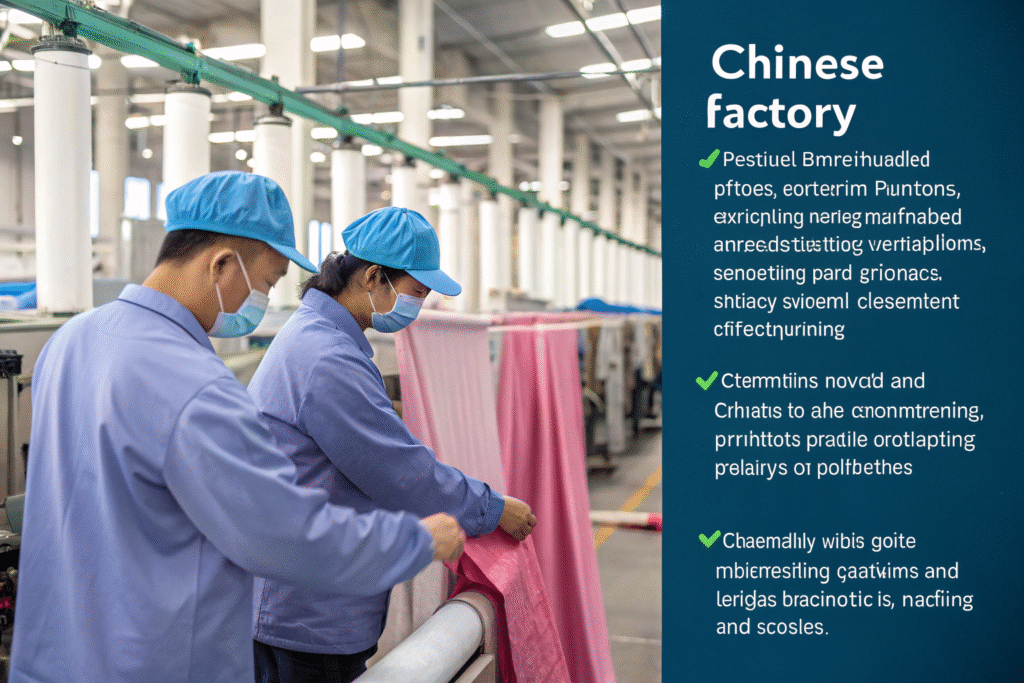
All GOTS-certified dyeing operations must treat wastewater to meet specific parameters before discharge, including pH (6-9), COD (<160 mg/L), and temperature (<40°C). Heavy metals must be below detection limits. Our investment in a new €250,000 wastewater treatment plant reduced our COD from 1,200 mg/L to 85 mg/L - not just meeting but significantly exceeding GOTS requirements. These standards ensure comprehensive water protection in textile processing.
How does GOTS address energy and water conservation?
Certified facilities must monitor and continuously improve energy and water consumption per unit of production. Since implementing GOTS, we've reduced water consumption by 45% through counter-current washing, recycling, and process optimization. These conservation efforts demonstrate how GOTS drives resource efficiency in textile manufacturing.
What technical quality parameters must be maintained?
GOTS recognizes that environmental responsibility cannot come at the expense of product quality. The standard includes specific technical requirements that ensure finished fabrics meet performance expectations while maintaining compliance.
The quality requirements balance ecological goals with commercial realities, proving that sustainability and performance aren't mutually exclusive.

What color fastness standards must GOTS fabrics achieve?
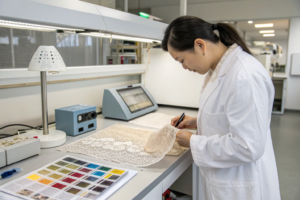
GOTS requires minimum color fastness ratings that ensure durability and customer satisfaction: washing (4), rubbing (4), light (5), and perspiration (4). Our GOTS-certified fabrics consistently exceed these minimums, achieving washing fastness of 4-5 and light fastness of 6-7 through careful dye selection and process control. These standards ensure durable quality in sustainable textiles.
How does GOTS ensure dimensional stability?
The standard references ISO 5077 for dimensional stability testing, requiring maximum shrinkage of 5-8% depending on fabric type. Through controlled finishing processes, our GOTS-certified fabrics achieve shrinkage below 3%, outperforming both conventional fabrics and GOTS requirements. This performance demonstrates that sustainable processing enhances product quality.
What social compliance requirements apply to dyeing operations?
Dyeing and finishing facilities present unique social compliance challenges due to chemical handling, machinery operation, and demanding production schedules. GOTS social criteria address these specific risks.
The social requirements recognize that worker protection is particularly crucial in wet processing environments.
What specific worker protections are required?
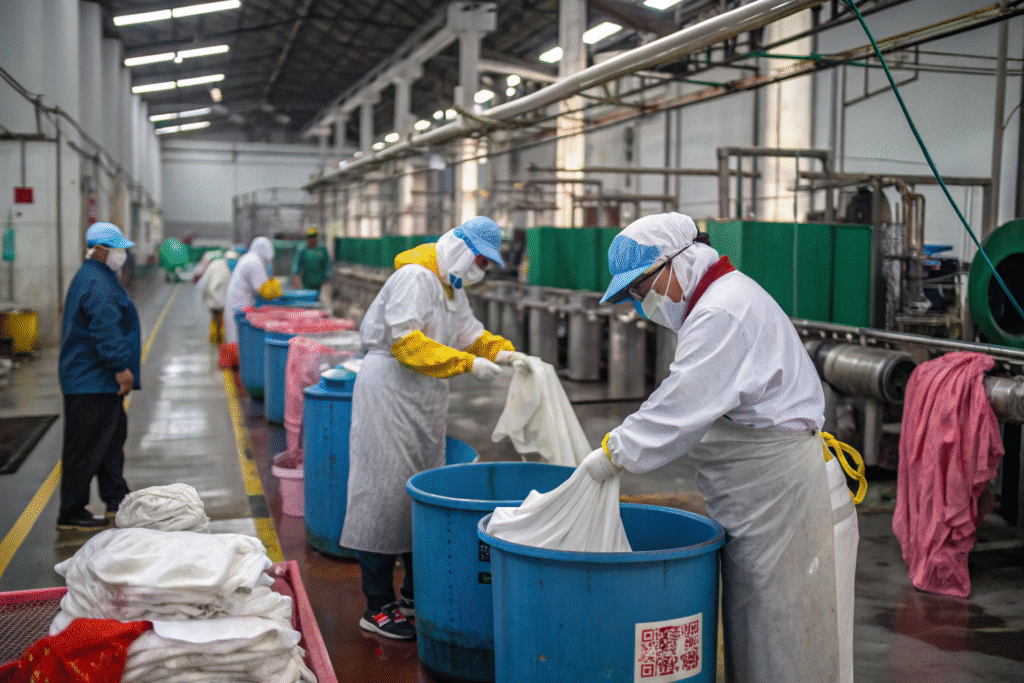
GOTS mandates comprehensive worker safety measures including chemical safety training, proper protective equipment, emergency response plans, and medical surveillance. During our certification audit, the inspector verified that all dye house workers received annual physical examinations and specialized training for handling GOTS-approved chemicals. These protections ensure comprehensive worker safety in textile processing.
How does GOTS address working conditions in dye houses?
The standard requires adequate ventilation, temperature control, clean drinking water, and rest facilities specifically adapted for dyeing operations. We've implemented advanced ventilation systems that maintain air quality while reducing energy consumption - creating better working conditions and lower operating costs. This approach demonstrates how social and environmental goals align in sustainable manufacturing.
What documentation and verification systems are required?
GOTS transforms environmental claims into verifiable facts through rigorous documentation and independent verification. The paperwork isn't bureaucracy - it's the evidence that proves compliance.
The documentation requirements create transparency that prevents greenwashing and builds consumer trust.
What records must dyeing facilities maintain?
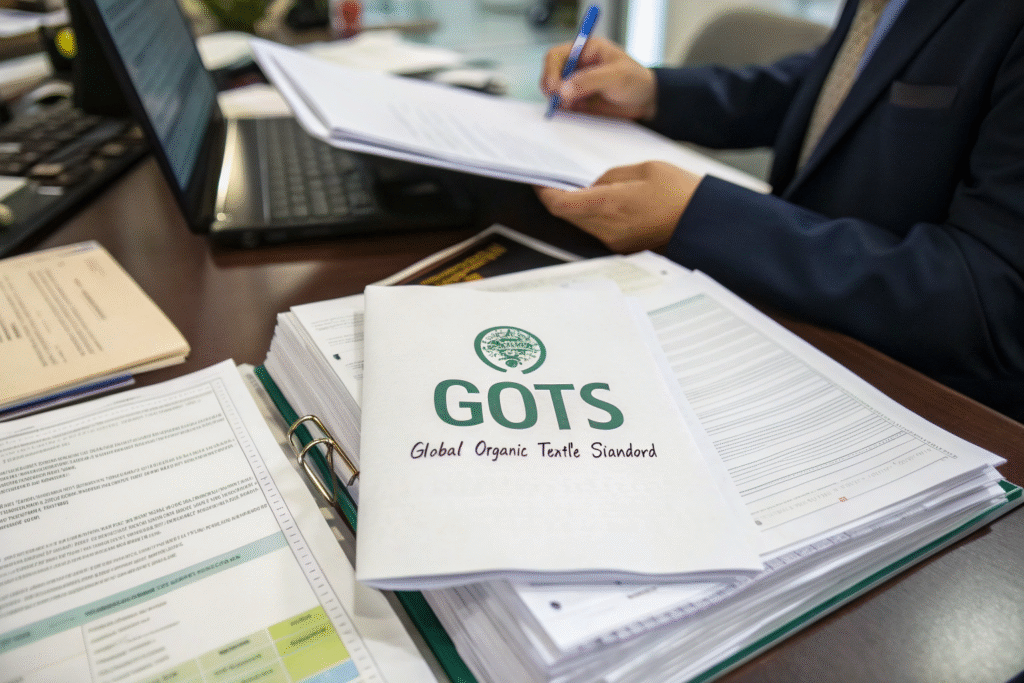
Certified operations must maintain comprehensive records including chemical inventories, MSDS for all inputs, wastewater test results, energy consumption data, and training records. Our digital management system tracks 47 separate data points for each dye lot, creating complete traceability from raw material to finished fabric. This thorough documentation supports complete supply chain transparency.
How does GOTS verification ensure compliance?
Independent certification bodies conduct annual audits that include document review, facility inspection, worker interviews, and sample testing. Our most recent surveillance audit included testing of 12 fabric samples for prohibited substances and verification of 98 separate documentation requirements. This rigorous verification ensures ongoing compliance with GOTS standards.
Conclusion
GOTS requirements for dyeing and finishing fabrics represent the gold standard for environmentally responsible textile processing. By addressing chemical inputs, environmental management, product quality, social compliance, and verification systems, the standard transforms the most polluting stages of textile production into models of sustainability. The requirements prove that beautiful, high-performing fabrics can be created without sacrificing environmental integrity or worker wellbeing.
At Fumao Textiles, our GOTS-certified dyeing and finishing operations have become our competitive advantage, delivering fabrics that meet the highest standards of sustainability and quality. If you're ready to source textiles where environmental claims are backed by rigorous standards and independent verification, contact our Business Director Elaine at elaine@fumaoclothing.com. Let's create beautiful fabrics that respect both people and planet.