For designers and fashion brands, lace is a game-changer. It elevates a simple dress, adds romance to lingerie, and brings intricate detail to evening wear. But the moment you start sourcing, you face a maze of names: Chantilly, Guipure, embroidered... What do they mean, and more importantly, which one is right for your collection? Choosing the wrong type can ruin your design, blow your budget, or derail your production timeline.
This guide cuts through the confusion. I'm speaking from over twenty years in the heart of China’s textile hub, Keqiao, where we produce and supply lace to brands worldwide. We'll break down the major lace types—how they're made, what they're used for, and the crucial production considerations behind each. You'll learn not just to identify them, but to specify them with confidence for your next project, avoiding costly mistakes and ensuring a perfect match for your vision.
Understanding lace types is essential, but true success lies in pairing that knowledge with a supplier who masters both the craft and the complexities of production cycles. At Shanghai Fumao, we don't just provide lace; we provide certainty. By integrating our deep technical expertise with agile production planning, we help you navigate peak seasons and lead times smoothly, ensuring your exquisite lace designs arrive on schedule, every time.
What Is Lace and How Is It Manufactured?
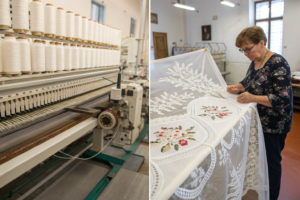
Lace is an openwork fabric, characterized by patterns of holes and threads, created by looping, twisting, or knitting yarns. It's the art of turning thread into airy, intricate designs. The manufacturing method is the single biggest factor determining its look, feel, cost, and suitable applications. Broadly, lace is made either by hand (rare and expensive) or by machine, with the main machine types being Leavers, Raschel, and embroidery machines. Each technique leaves a distinct signature. Knowing this helps you predict a lace's behavior, from how it drapes on a gown to how it withstands washing. I've seen too many designers fall in love with a sample only to get a bulk roll that behaves completely differently because they didn't understand the base construction.
At Shanghai Fumao, we control this from the start. Our expertise spans across these manufacturing techniques. For instance, our partnership with specialized embroidery factories allows us to produce complex embroidered laces that others might outsource and lose control over. This vertical integration is why we can promise consistent quality and faster turnarounds, even during the busy August-October production peak. We build the production buffer into our timeline so you don't have to.
How Do Leavers, Raschel, and Embroidered Lace Differ?
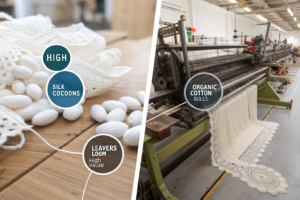
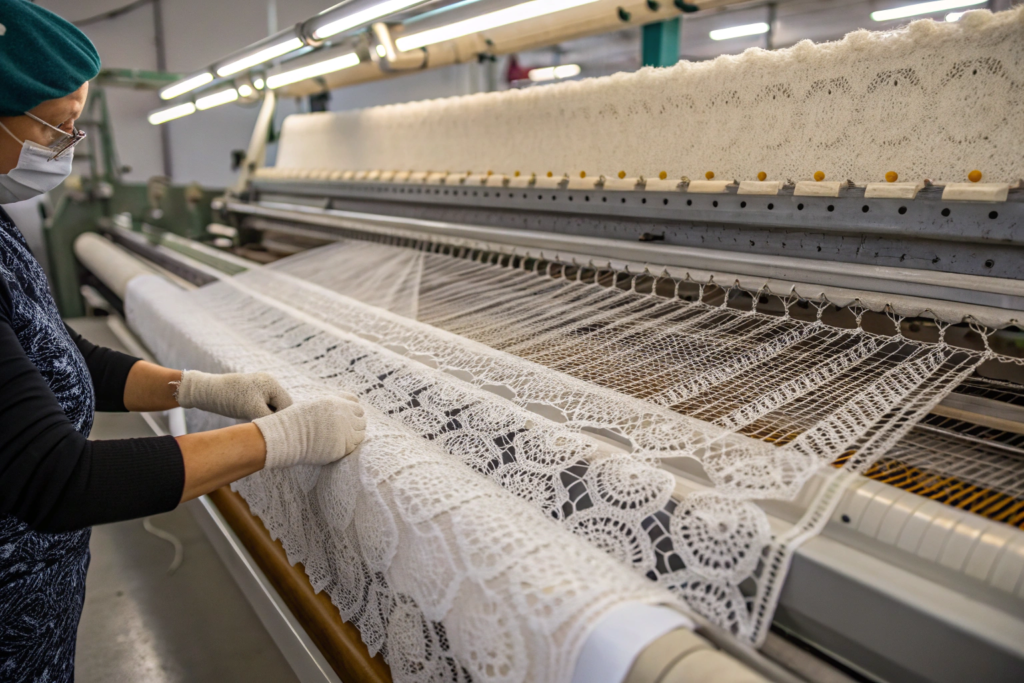
Think of lace machines like different types of printers: each has its own method and best-use case. Leavers lace is the classic, often considered the highest quality machine-made lace. It uses a centuries-old technique adapted for machines, producing lace with a distinct, non-stretchy, intricate design, often with a heavier feel. It's perfect for formal wear and haute couture details. Raschel lace is more modern and versatile. Made on a warp knitting machine, it’s generally lighter, can incorporate stretch (like elastane), and is more cost-effective for larger runs. Most of the lace in lingerie and everyday garments is Raschel. Embroidered lace (or Schiffli) is created by stitching a pattern onto a pre-made net or fabric base, then dissolving the base to leave only the embroidered design. This allows for incredible detail and density, ideal for bold appliqués.
Here’s a quick comparison:
| Feature | Leavers Lace | Raschel Lace | Embroidered Lace |
|---|---|---|---|
| Production Method | Traditional, complex loom | Warp knitting machine | Embroidery on dissolve-away base |
| Stretch | Minimal to none | Often has moderate stretch | Minimal to none |
| Drape | Crisp, structured | Soft, fluid | Can be stiff or flexible |
| Cost | Higher | Moderate | Varies (detail-dependent) |
| Best For | Bridal, eveningwear, trims | Lingerie, apparel, stretch garments | Appliqués, detailed motifs |
Choosing the right machine type is your first critical decision. For a recent order from a French lingerie brand, we recommended a Raschel lace with a 10% lycra blend for their body-hugging designs. This ensured comfort and fit, which a non-stretch Leavers lace could never provide. The key is matching the technique to the garment's function.
Why Does the Base Material (Yarn) Dictate Lace Quality?
The machine creates the structure, but the yarn is the soul. The fiber choice impacts everything: sheen, hand feel, durability, and dyeability. Nylon and Polyester are the most common for synthetic laces. Nylon offers superb strength and a beautiful, soft luster, making it a favorite for high-end lingerie. Polyester is more cost-effective, colorfast, and can mimic various effects. For natural fibers, Cotton laces have a matte, soft, and breathable quality, perfect for heirloom projects or casual boho styles. Silk lace is the pinnacle of luxury—incredibly soft, with a subtle, rich sheen, but it requires meticulous care.
The real magic often happens in blends or specialty yarns. Metallic threads, glow-in-the-dark yarns, or sustainable options like recycled nylon are changing the game. We developed a line of lace using ECONYL® regenerated nylon for an eco-conscious swimwear brand in California. The challenge was maintaining the lace's structural integrity while using the recycled fiber, which can have different tensile properties. Our R&D team adjusted the twist and ply of the yarn, achieving a lace that met both their aesthetic and sustainability goals. If you're exploring how to source innovative recycled materials for fashion, forums like The Sustainable Fashion Forum offer great community insights. And when considering the pros and cons of nylon vs polyester for activewear, it's wise to look at technical breakdowns from fiber science blogs, not just generic supplier pages.
What Are the Key Characteristics of Chantilly Lace?
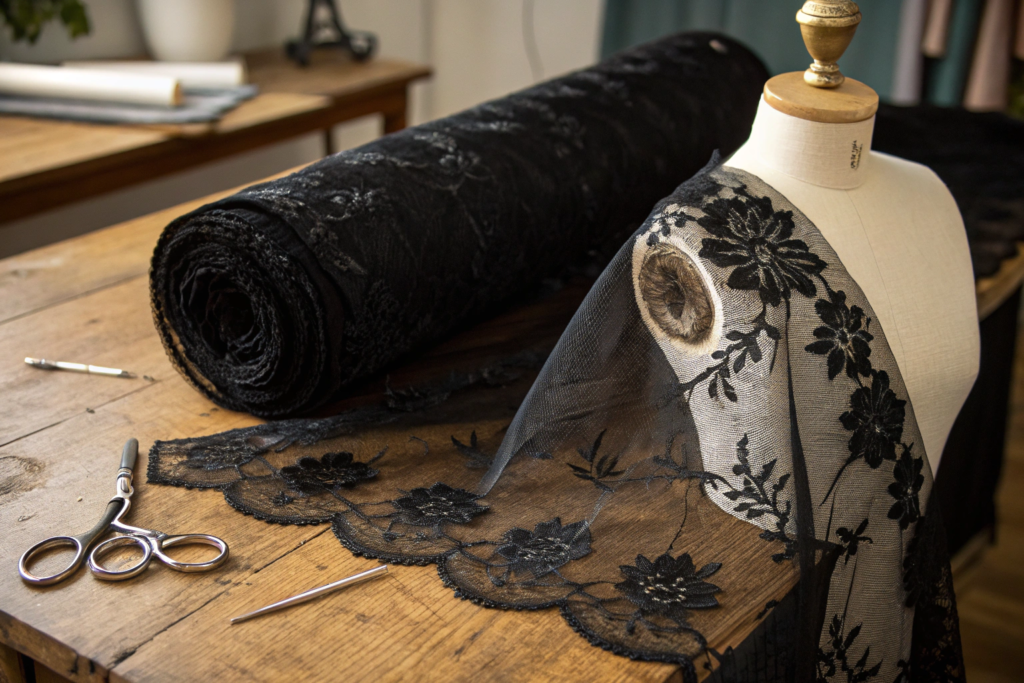
When you picture a delicate, romantic wedding veil or the intricate trim on a haute couture gown, you're likely thinking of Chantilly lace. Originating from the French town of Chantilly, this lace is the epitome of elegance. Its signature is a fine, lightweight net background adorned with delicate, flowing patterns—most famously, floral motifs, scrolls, and, of course, its classic scalloped edges. The background net is typically hexagonal, and the design is outlined with a heavier, silky thread (often a matte silk or rayon cordonnet) that gives it definition and a slight raise. True Chantilly was traditionally black silk on a black net or white silk on white, creating a tonal, sophisticated effect.
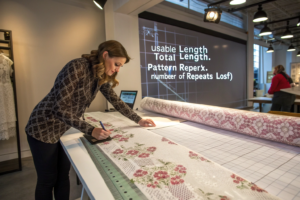
For brands, Chantilly lace signals luxury and craftsmanship. But here's the insider detail: because it's so fine and often made on Leavers machines, it requires exceptional skill to handle and cut. It can be prone to snagging. We always advise clients to factor in a slightly higher fabric yield to account for careful pattern placement and potential handling losses. Its delicacy means it's not suited for high-friction areas in everyday garments but is perfect for statement pieces.
Is Chantilly Lace Always Delicate and Non-Stretch?
Traditionally, yes. Classic Chantilly lace, produced on Leavers machines with filaments like nylon or polyester, has minimal inherent stretch. Its beauty lies in its crisp, defined drape. However, modern fashion demands adaptability. Today, you can find Chantilly-style laces made on Raschel machines that incorporate a fine spandex (lycra) yarn into the net background. This creates a lace with the appearance of traditional Chantilly but with 10-20% mechanical stretch, making it revolutionary for fitted sleeves, bodices, or lingerie where comfort and shape are key.
The choice between stretch and non-stretch Chantilly fundamentally changes your design and production approach. For a non-stretch version, your pattern must include precise ease and possibly strategic seams for fit. The stretch version offers more forgiveness. Last year, a UK-based eveningwear brand came to us with a design for a fitted, long-sleeved gown using traditional Chantilly. We proposed a sample using our Raschel-made stretch Chantilly alternative. The result? The client achieved the desired intricate look with vastly improved wearer comfort and reduced returns due to sizing issues. It’s a perfect example of how Shanghai Fumao blends tradition with innovation to solve real-world design problems.
What Garments Are Best Suited for Chantilly Lace?
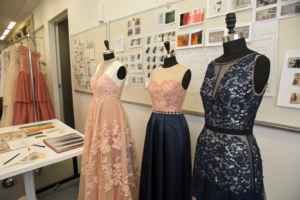
Chantilly lace is a specialist, not an all-rounder. Its primary domain is Bridal and Formal Eveningwear. Think wedding dresses, veils, cocktail dresses, and gowns where its elegance can be the star. It's used extensively as an overlay on skirts and bodices, or for creating stunning sleeves and yokes. In Lingerie, it adds a touch of luxury to bras, knickers, and babydolls, though here the stretch variants are often preferred. A lesser-known but beautiful application is in Millinery (hat-making) and as delicate Trims and Appliqués on simpler fabrics to elevate a basic garment.
A key production tip: Chantilly lace is often sold with its scalloped selvage (edge). Smart designers use this finished edge as a hemline or neckline detail, saving on finishing labor and adding a professional, high-end touch. We guide our clients on how to optimize their marker (fabric layout) to maximize the use of these precious scalloped edges, reducing waste. For those diving into technical pattern making for lace overlays, resources like The Cutting Class provide excellent, detailed tutorials. And understanding the history of lace in haute couture can deeply inspire your designs; the V&A Museum's online textile collection is an incredible free resource for visual research.
How to Identify and Use Guipure (Venise) Lace?
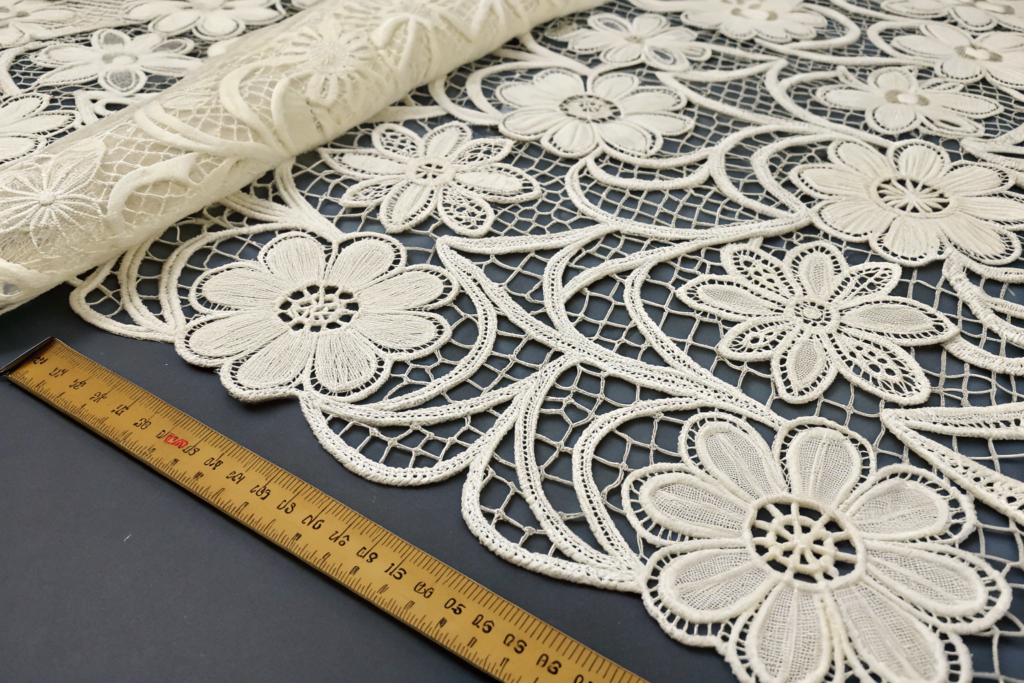
If Chantilly lace is a delicate watercolor, Guipure lace is a bold woodcut. Also called Venetian or Venise lace, Guipure’s defining feature is that it has no continuous net background. Instead, the motifs (often large, geometric, or floral) are connected by bars or plaits of thread, or sometimes just touch each other, creating a dense, textured, and substantial fabric. The result is a lace that feels more like an embroidery—opaque, with dramatic raised elements and a very sculptural quality. It’s heavy, with a stiff drape that holds its shape beautifully.
This weight and structure make Guipure a statement maker. It doesn’t whisper; it announces. For sourcing managers, the main considerations are weight (GSM - grams per square meter) and the complexity of the motif, which directly impacts production time and cost. Because it's so dense, dyeing can also be trickier to ensure full penetration. We often recommend piece-dyeing for solid colors over yarn-dyeing for some Guipure styles to guarantee evenness.
What Makes Guipure Lace Heavier and Stiffer?
The stiffness comes from its construction and finishing. First, the lack of a light net base means the material is all "design," making it denser. Second, the connecting bars (brides) between motifs are often buttonholed or padded, adding volume. Finally, many Guipure laces undergo a starching or resin finishing process to make the motifs stand up even more and hold their perfect shape during garment construction. This finish is usually temporary and will wash out, after which the lace may become slightly softer.
This temporary finish is a critical point for production planning. Garments are constructed while the lace is in its stiffened state, which makes it easier for workers to handle, cut, and sew precisely. We always remind our clients making ready-to-wear that the final product will have a different hand feel after the first wash. We can simulate this wash-down in our lab to show them exactly how the drape will change—no surprises. For brands looking into sustainable alternatives to chemical fabric stiffeners, there is growing discussion in textile finishing industry groups about bio-based alternatives. And when calculating fabric weight GSM for cost forecasting, using a reliable online calculator from a non-competing textile supplier's resource page can be very handy.
Where Can Guipure Lace Make the Biggest Impact in Design?
Guipure lace is a power player for structural, architectural fashion. Its top applications are in Structured Garments: blazers, tailored jackets, corsets, and A-line skirts where you want the fabric to hold a sharp silhouette. It's a favorite in Bridal wear for creating dramatic bodices or overlays on ball gown skirts. In Home Décor, it’s used for luxurious table runners, pillow accents, or even lampshades. It also works beautifully for Accessories like handbags, shoes, and statement jewelry.
I remember a project with an Australian designer in 2023 who wanted a Guipure lace for a collection of structured cocktail blazers. The challenge was that the available laces were either too stiff (like cardboard) or too floppy after washing. We worked with our embroidery factory to develop a custom Guipure. We used a polyester-viscose blend yarn for a natural sheen and better dye uptake, and adjusted the connecting bars to be just thick enough for structure but not rigidity. The result was a lace with authority that still moved gracefully with the body. This level of co-development is what we do at Shanghai Fumao. We become an extension of your R&D team.
What Are the Practical Advantages of Embroidered and Stretch Lace?
Beyond the classic categories, modern fashion runs on versatility and comfort. This is where embroidered lace and stretch lace shine. Embroidered lace offers unmatched design freedom. Since it's created by stitching onto a base, you can incorporate any motif, use multiple thread colors and types (like metallics or chenille), and create incredibly dense, painterly effects. It's essentially custom artwork on fabric. Stretch lace, typically a Raschel construction with lycra, has revolutionized categories like lingerie, activewear, and bodycon dresses. It provides comfort, ease of movement, and a flattering fit that accommodates a range of body shapes.
For buyers, these laces answer practical needs. Embroidered lace allows for unique, brand-defining patterns without the astronomical cost of developing a new Leavers or Raschel machine pattern (which requires a new "jacquard" chain or program). Stretch lace reduces size-related returns and improves customer satisfaction. However, each has its watchpoints: embroidered lace can be more costly per meter due to the stitch count, and stretch lace requires careful attention to recovery and power to ensure it doesn't sag over time.
How Do You Ensure Quality in Bulk Embroidered Lace Orders?
The leap from a perfect embroidered lace sample to consistent bulk production is huge. The key is in the stabilizer (the dissolvable or tear-away base) and the digitization of the embroidery file. A poor digitization file will cause thread breaks, poor coverage, or distorted motifs. We run multiple pilot samples, adjusting thread tension, stitch density, and stabilizer weight before approving for bulk. We also conduct stringent checks for stitch defects, color consistency across batches, and complete dissolution of the base fabric.
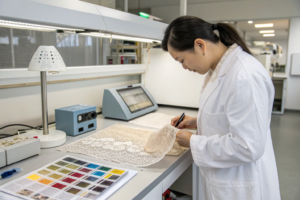
One of our most valuable quality control tools for embroidered lace is our light table. Every meter is inspected over it to spot skipped stitches or weak points invisible to the naked eye. For a major US fast-fashion brand's holiday collection, we produced a complex metallic embroidered lace. The initial samples had issues with the metallic thread shredding. Our technicians solved it by slowing the machine speed, changing the needle type to a coated one, and using a specific thread lubricant. The bulk order of 10,000 meters shipped with a defect rate under 0.5%. Managing complex embroidery thread tension for production is a deep topic often covered in machine manufacturer forums. And for brands new to this, understanding how to create tech packs for embellished fabrics is crucial; platforms like Techpacker's blog offer solid foundational guides.
Why Is Stretch Lace a Must for Modern Apparel Brands?
Consumer demand for comfort is non-negotiable. Stretch lace meets this demand while maintaining aesthetics. Its functional benefits are clear: it allows for simpler size grading (fewer size breaks), reduces strain on seams, and improves the wearer's experience. From a production standpoint, it can be easier to work with as it forgives minor fitting issues during assembly. However, you must specify the right type of stretch: two-way (horizontal) or four-way (horizontal and vertical), and the power (recovery force). Lingerie needs high power and good recovery; a loose lace overlay might only need light, two-way stretch.
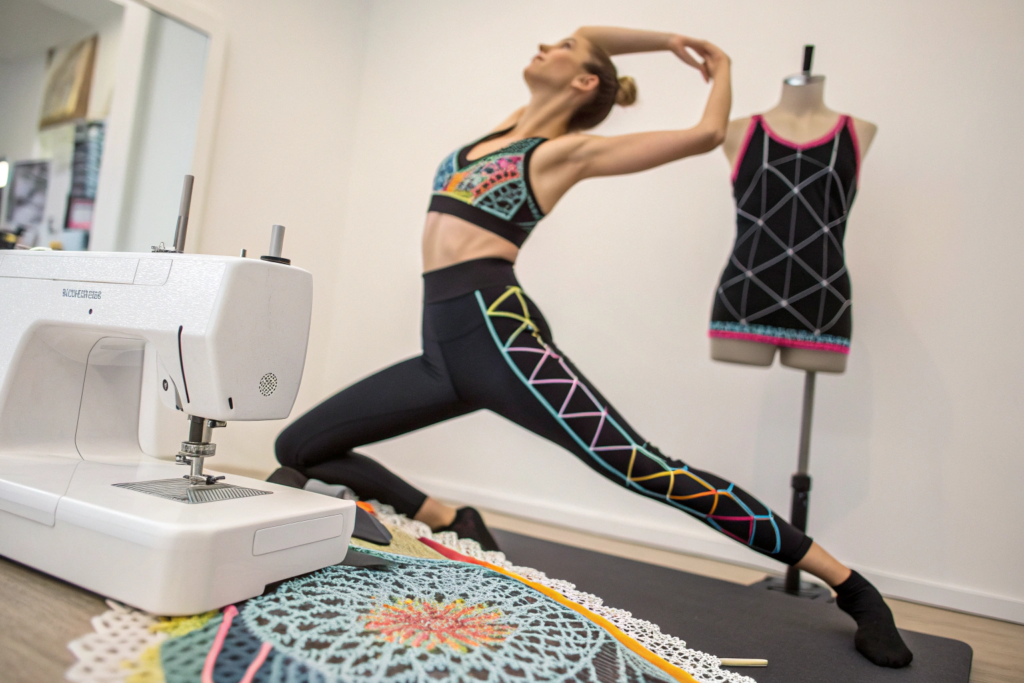
We always test stretch lace for growth and recovery in our lab. A lace that stretches but doesn't snap back will result in a baggy, unsellable garment after a few wears. A good partner will provide these test data. For example, we helped a Scandinavian activewear brand source a breathable, four-way stretch lace for athletic leggings insets. We provided them with certified test reports on the lace's elongation at break and recovery after 100 cycles, giving them confidence for their marketing claims. This data-driven approach turns a subjective choice into a reliable specification.
Conclusion
Navigating the world of lace is about understanding the language of construction—Leavers vs. Raschel, Guipure vs. Chantilly, embroidered vs. stretch. Each type brings a unique set of properties, costs, and best-use cases to your design table. It's not enough to simply choose what looks beautiful; you must marry that beauty to technical feasibility, production timelines, and end-use function. The right lace elevates your brand; the wrong one can sink a collection with quality issues or missed deadlines.
Remember, your fabric supplier should be your guide through these complexities. They should offer more than just a catalog; they should offer solutions, foresight, and reliability. At Shanghai Fumao, we combine decades of technical expertise in textile production with a deep understanding of global market rhythms. We help you plan around industry cycles, innovate with sustainable materials, and execute with rigorous quality control—ensuring the lace you envision is the lace you receive, on time and to spec.
Ready to bring your next lace-driven collection to life with a partner who handles both the artistry and the logistics? Let's create something exceptional together. Contact our Business Director, Elaine, at elaine@fumaoclothing.com to discuss your project. We'll provide you with expert guidance, tailored samples, and a production plan that works as hard as your designs do.