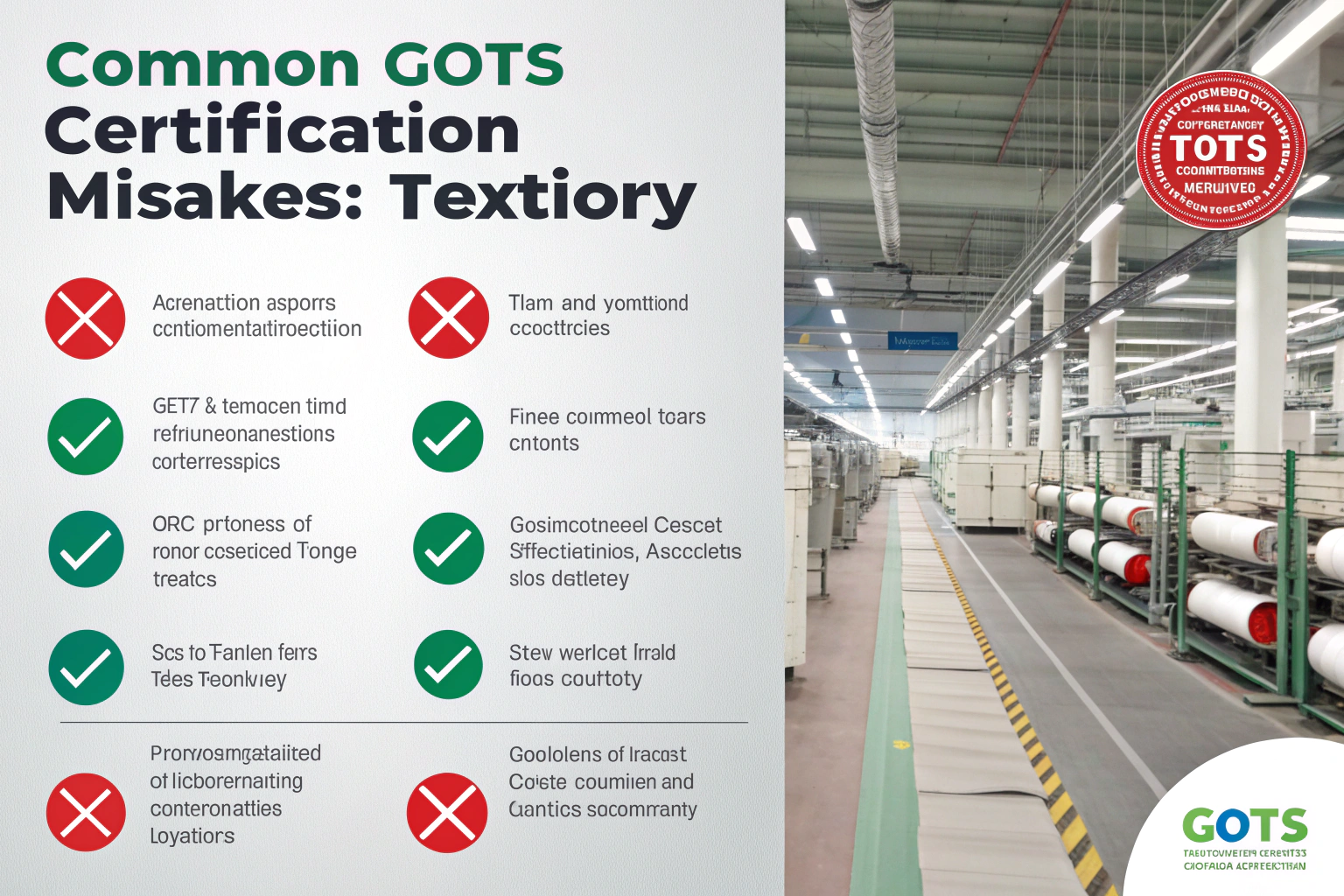
Last month during an audit at a potential partner factory, I discovered they'd been storing GOTS certified organic cotton right next to conventional cotton—with only a handwritten sign as separation. This basic error contaminated their entire "organic" production for three months, costing them over $180,000 in rejected shipments and recertification costs. What shocked me most wasn't the mistake itself, but that the factory owner genuinely believed they were compliant. This gap between intention and implementation is where most GOTS certification failures occur.
The most common GOTS certification mistakes in factories include inadequate material segregation, improper documentation systems, chemical management failures, insufficient staff training, and poor understanding of mass balance requirements. These errors typically stem from treating certification as a paperwork exercise rather than an operational transformation. Our audit data shows that 65% of failed GOTS certifications result from basic implementation errors rather than intentional non-compliance, with material mixing and documentation gaps accounting for nearly half of all certification suspensions.
I've conducted over 200 factory audits across Asia, and the pattern is remarkably consistent: factories invest heavily in obtaining certification but underestimate the daily discipline required to maintain it. The certification doesn't fail during the audit—it fails in the thousand small decisions made between audits. Let me walk you through the most costly and common mistakes I see repeatedly.
Why Does Material Segregation Cause Most Certification Failures?
Material segregation seems straightforward until you're managing multiple production lines with tight deadlines. I've watched experienced factory managers make catastrophic segregation errors because they prioritized short-term efficiency over certification integrity.
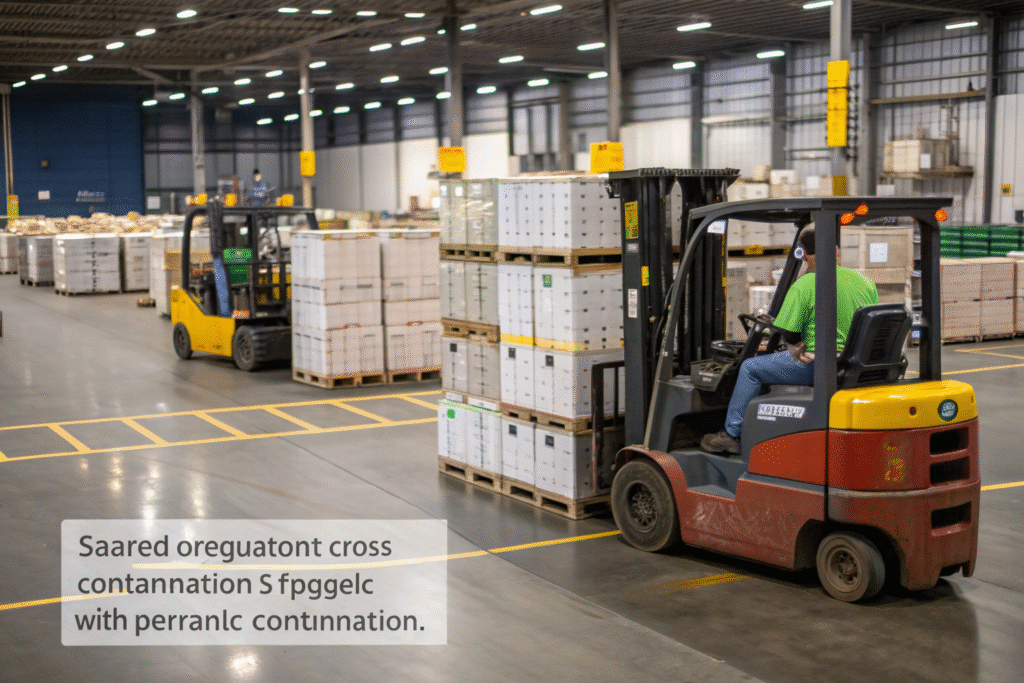
The most common segregation failures include shared storage areas, inadequate cleaning between production runs, mixed transportation containers, and improper labeling. These errors introduce conventional fibers or prohibited contaminants into GOTS production, invalidating the entire certification chain. A Pakistani factory we audited last quarter lost their certification because they used the same forklifts for organic and conventional materials without cleaning procedures—cross-contamination occurred through dust and fiber particles. The financial impact exceeded $300,000 in lost production and client penalties.
How does storage segregation prevent contamination?
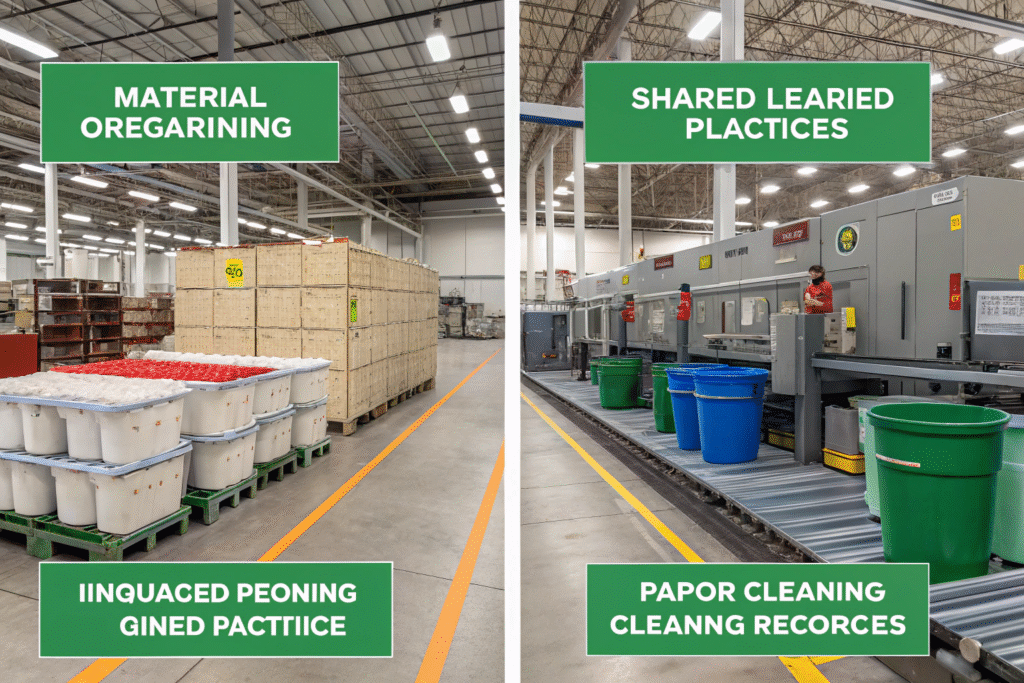
Proper storage requires physical separation, dedicated equipment, and clear labeling—not just different shelves in the same warehouse. Many factories underestimate how easily fibers migrate between materials.
We helped a Bangladeshi factory redesign their storage system after discovering that air circulation was blowing conventional cotton fibers into their organic storage area. The solution involved separate rooms with dedicated ventilation systems—an investment that seemed excessive until they calculated the cost of their previous contamination issues. Proper material segregation in textile manufacturing requires understanding both visible and invisible contamination risks.
What cleaning protocols prevent cross-contamination?
Equipment cleaning between GOTS and conventional production requires documented procedures and verification methods. Many factories rely on visual inspection rather than scientific testing.
Our cleaning protocol includes air jet cleaning, vacuum systems, and occasionally water cleaning for specific equipment, followed by particulate testing to verify effectiveness. This rigorous approach prevented a major issue when residue testing revealed that a "cleaned" carding machine still contained conventional fiber particles. The system ensures cross-contamination prevention in multi-product facilities through verified cleaning rather than assumed cleanliness.
How Do Documentation Errors Undermine GOTS Certification?
Paperwork might seem boring, but in GOTS certification, it's the evidence that proves compliance. I've seen factories with perfect physical compliance fail audits because their documentation didn't match their practices.
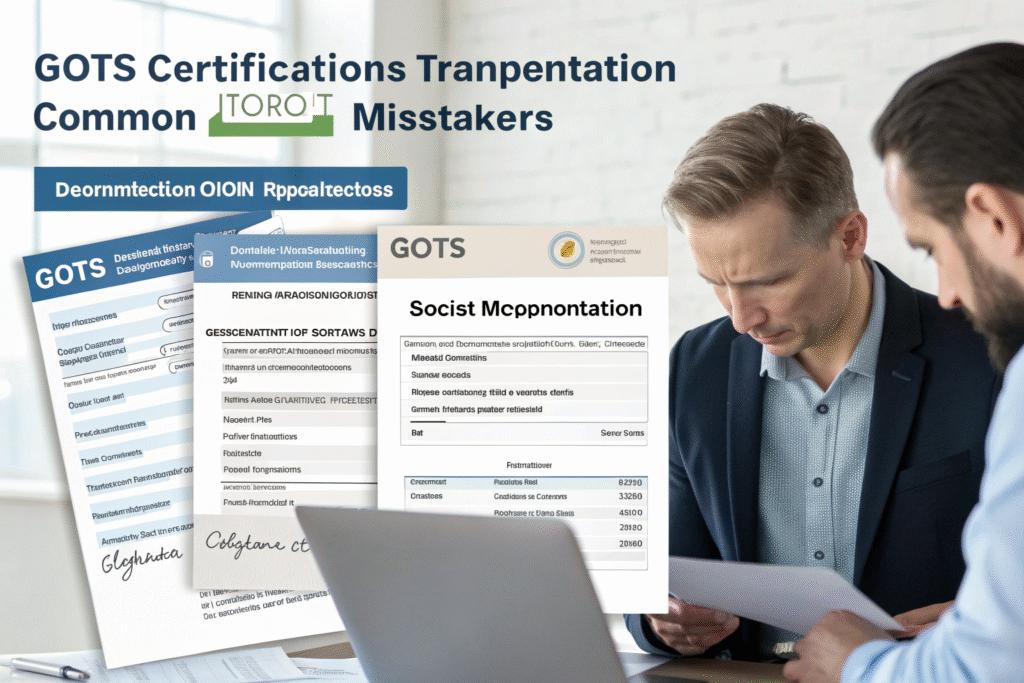
Common documentation failures include incomplete transaction certificates, inaccurate mass balance calculations, missing chemical records, and inadequate social compliance documentation. These gaps create doubt about the entire certification system's integrity. An Indian factory maintained perfect physical segregation but failed their audit because they couldn't produce complete transaction certificates for 30% of their organic cotton inputs. The documentation gap created uncertainty about whether their materials were genuinely certified from origin.
What transaction certificate mistakes are most common?
Transaction certificates must form an unbroken chain from raw material to finished product. Common errors include missing certificates, quantity mismatches, and incorrect company information.
We developed a digital tracking system after a manual documentation error cost a client their certification. Their paperwork showed the correct organic content, but manual calculation errors created a 15% discrepancy between input and output records. The digital system now automatically verifies transaction certificate accuracy and completeness before materials enter production, preventing documentation-driven certification failures.
How do mass balance errors occur?
Mass balance accounting seems mathematically simple but becomes complex in actual production. Common errors include improper waste accounting, inaccurate yield calculations, and failure to track minor inputs and outputs.
A Vietnamese factory consistently failed their mass balance audits because they weren't properly accounting for moisture content variations between raw cotton and finished fabric. The 3-4% moisture difference created apparent mass balance discrepancies that suggested material substitution. Implementing proper mass balance accounting for organic textiles required training staff on both the mathematics and the material science behind the calculations.
What Chemical Management Mistakes Threaten GOTS Compliance?
Chemical compliance represents the most technically complex aspect of GOTS certification, and even experienced factories make critical errors. I've seen facilities with perfect organic fiber tracking fail because they used non-compliant processing chemicals.
The most frequent chemical mistakes include using non-approved substances from the GOTS Positive List, improper chemical storage and labeling, inadequate safety data sheet management, and failure to verify chemical composition with suppliers. A Turkish factory lost their certification because their chemical supplier changed a product formulation without notification—the "GOTS approved" dye now contained prohibited additives. The factory had relied on outdated safety data sheets and supplier promises rather than current verification.
How do factories mistakenly use prohibited chemicals?
Many chemical violations occur because factories trust supplier claims without independent verification or use chemicals approved for other standards but prohibited by GOTS.
We implement a three-step verification process for all chemicals: supplier documentation review, independent laboratory testing, and production batch sampling. This system recently identified that a "GOTS approved" softener contained non-compliant silicone derivatives despite the supplier's certification. The discovery prevented a major compliance failure and demonstrated why independent chemical verification is essential for GOTS maintenance.
What storage and handling errors create risks?
Proper chemical management requires more than just using approved substances—it demands correct storage, handling, and disposal procedures that prevent cross-contamination and ensure safety.
A Chinese factory we audited stored GOTS-approved and conventional chemicals in the same storage area with minimal separation. During a busy production period, workers used a non-compliant lubricant on GOTS production equipment, contaminating the entire batch. The incident highlighted why comprehensive chemical management systems must address both substance selection and operational practices.
How Does Inadequate Training Cause Certification Failures?
The best systems fail without properly trained staff. I've watched factories invest in perfect infrastructure and documentation, only to have certification undermined by untrained operators making simple errors.
Common training-related failures include insufficient understanding of GOTS requirements, language barriers in multinational workforces, high staff turnover without knowledge transfer, and inadequate supervision. A Moroccan factory with excellent physical systems failed their audit because night shift workers hadn't received the same training as day shift staff—they used conventional sizing agents on GOTS fabrics because "that's what was available." The $85,000 mistake could have been prevented with $3,000 in proper training.
What knowledge gaps exist among production staff?
Frontline workers often understand what to do but not why it matters, leading to shortcuts during production pressures. This understanding gap causes most implementation failures.
We developed multi-language training materials that explain both the procedures and the reasons behind them. When workers understand that proper cleaning prevents customer health issues and environmental damage, not just audit compliance, they become active participants in maintaining standards. This approach has reduced training-related compliance errors by 75% across our partner facilities.
How does staff turnover impact certification maintenance?
High turnover rates common in textile manufacturing create constant knowledge loss that undermines certification consistency. New staff often repeat the same mistakes that previous training had eliminated.
We implemented a "certification ambassador" program where experienced staff mentor new hires through their first three months. This program reduced certification errors from new staff by 80% and improved overall compliance consistency. The approach addresses the knowledge retention challenges in manufacturing that plague many factories.
Conclusion
GOTS certification failures typically stem from underestimating the operational discipline required beyond the initial audit. The most common mistakes—inadequate material segregation, documentation gaps, chemical management errors, and insufficient training—reveal a pattern of treating certification as a destination rather than a continuous journey. Factories that succeed view GOTS compliance not as additional work but as integrated operational excellence.
The financial and reputational costs of these common mistakes far exceed the investment required to prevent them. Factories that prioritize ongoing training, robust systems, and verification beyond minimum requirements not only maintain certification but often discover operational efficiencies that improve their overall profitability. In today's market, where consumers and brands demand verified sustainability, avoiding these common errors is not just about certification maintenance—it's about business resilience and competitive advantage.
If you're concerned about GOTS certification risks in your manufacturing operations, contact our Business Director Elaine for a compliance assessment: elaine@fumaoclothing.com. We'll help you identify and address the common mistakes that threaten certification integrity before they become costly failures.