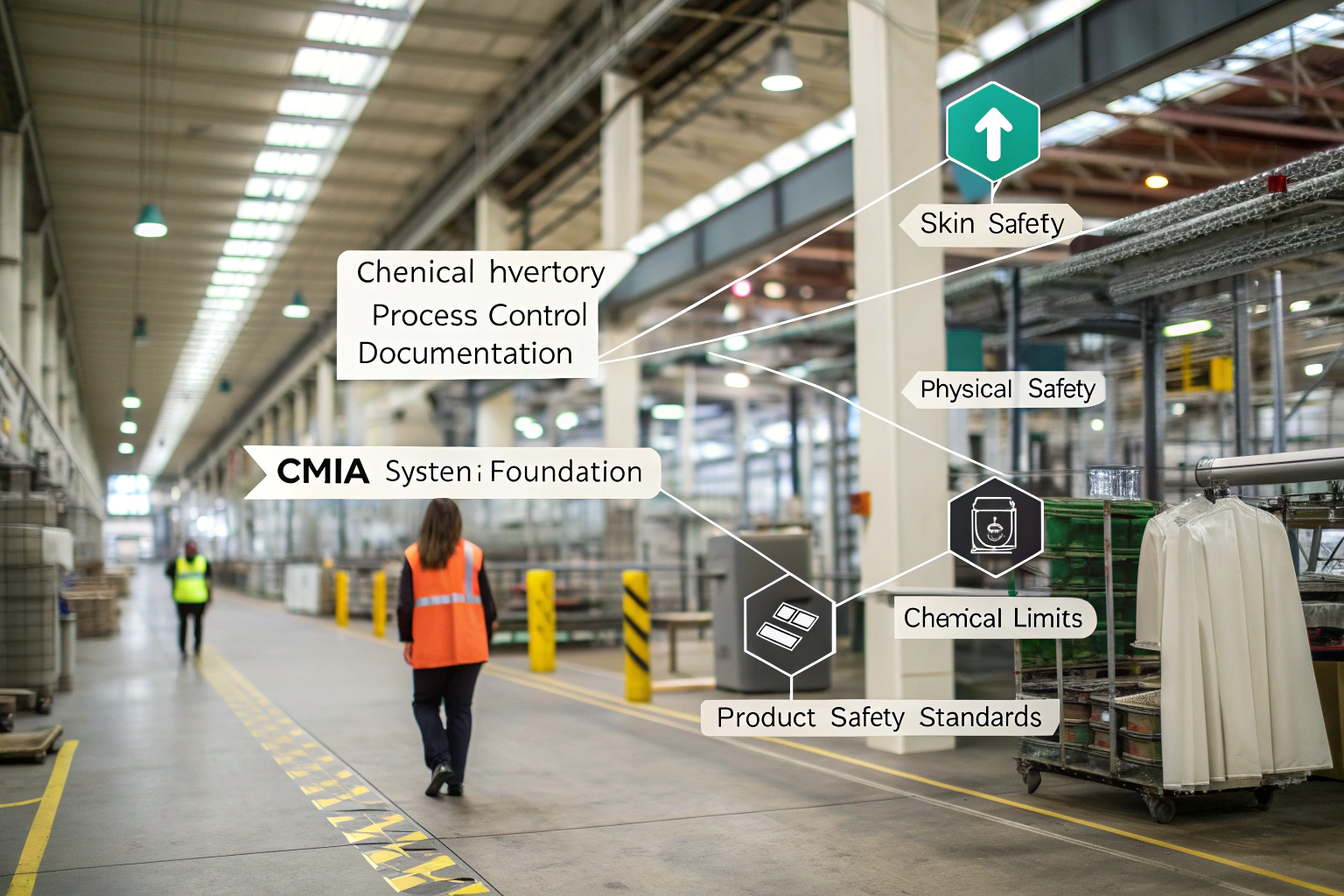
You're developing a line of women's wear—perhaps delicate lingerie, a flowing dress, or a cozy knit sweater. Safety is paramount, not just for compliance but for brand trust. You hear about CMIA certification as a mark of responsible manufacturing, and a critical question arises: Does CMIA certification specifically address the safety of the final women's wear product? The answer is nuanced and crucial for your risk management: CMIA certification does not directly set or test for product safety requirements like chemical limits or physical hazards. Its focus is on the environmental management of the production process. However, a properly implemented CMIA system creates a controlled, traceable environment that significantly reduces the risk of safety failures. It's about preventing safety issues through systemic control, not about being a safety standard itself.
Think of it this way: A restaurant can have a flawless health inspection report for its kitchen cleanliness and food handling processes (like CMIA for environmental management). But that doesn't guarantee a specific dish is allergen-free or won't cause illness—that requires separate ingredient testing and menus (like Oeko-Tex or CPSIA testing). The clean kitchen drastically reduces the risk of general contamination, but specific safety claims need specific verification. In women's wear, where safety concerns range from skin-irritating chemicals to choking hazards on children's items, understanding this distinction is everything.
So, let's clarify: CMIA's "requirements" for women's wear safety are indirect but powerful. They lie in the systemic controls it imposes on chemical management, documentation, and process consistency, which are the very foundations of producing safe apparel. Let's explore what CMIA actually mandates and how you, as a brand, must complement it with direct safety verification.
The Core of CMIA: Process Control Over Chemical Management
While CMIA doesn't set limits on formaldehyde or pH levels, it has a critical clause that directly impacts safety: the requirement for a robust Chemical Management System. This is where CMIA most closely intersects with product safety.
A CMIA-certified facility must:
- Identify and Inventory ALL Chemicals: This includes not just bulk dyes but every auxiliary, cleaning agent, printing ink, softening agent, and finishing chemical used on-site. For women's wear, this is critical—think of the softeners used on lingerie or the water repellents on outerwear.
- Maintain Updated Safety Data Sheets (SDS): An SDS for every chemical must be readily available. The SDS details hazards, composition, and safe handling procedures. An auditor will check this.
- Implement Procedures for Safe Handling and Storage: Chemicals must be stored properly (e.g., flammables in a safe cabinet), and staff must be trained in their use. This prevents cross-contamination and accidental misuse that could lead to unsafe residue on garments.
- Control Chemical Procurement: The factory should have a procedure for evaluating and approving new chemical suppliers, which can include checking for regulatory compliance.
How This Indirectly Ensures Safety:
- Traceability: If a safety issue arises (e.g., a report of skin rash), the factory can trace back to the specific chemical batches used on that garment lot.
- Prevention of Banned Substances: A factory maintaining an SDS library is more likely to be aware of and avoid chemicals containing, for example, restricted arylamines or heavy metals.
- Consistency: Proper handling and dosing ensure chemical applications are consistent, preventing occasional overdosing that could leave unsafe residue.
The Critical Gap: CMIA ensures chemicals are managed, not that they are safe for human skin. A factory could perfectly manage a legal but sensitizing chemical. Therefore, CMIA's chemical management is a necessary baseline for control, but it is not a substitute for product testing against a safety standard like Oeko-Tex Standard 100 or CPSIA.
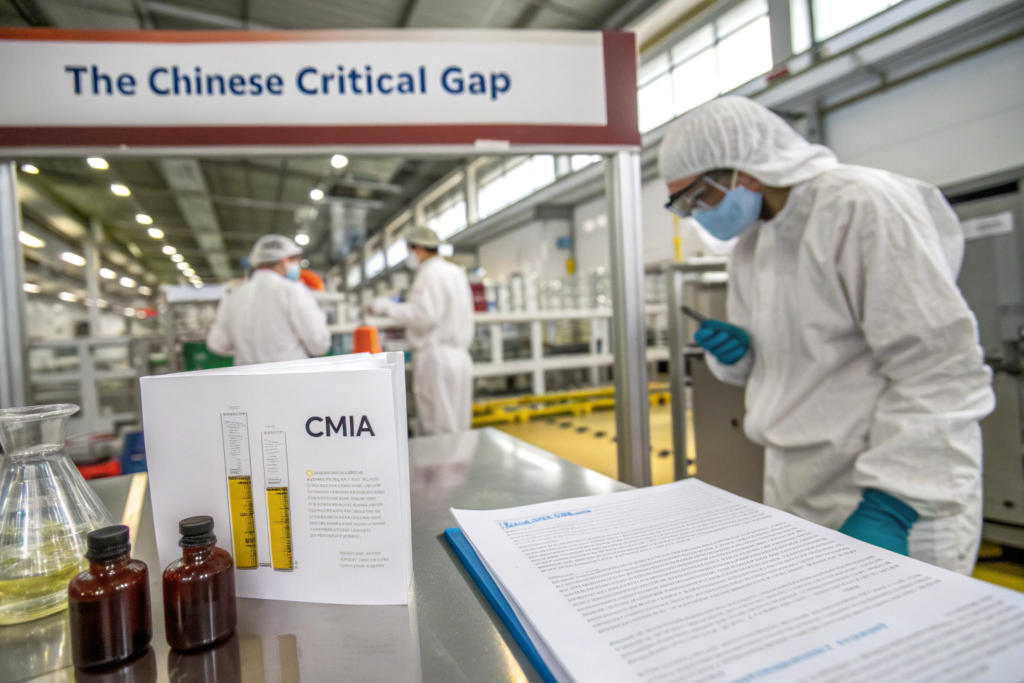
A Real Case: The Lingerie Elastic Issue
A brand sourcing lace-trimmed bras had a recurring issue where some batches caused skin irritation. The factory was not CMIA certified and had chaotic chemical storage. After switching to a CMIA-certified factory, the brand mandated Oeko-Tex testing. The new factory's chemical management system allowed them to quickly identify that the irritation was linked to a specific elastic tape treatment. Because they had the SDS and a controlled process, they could work with their trim supplier to reformulate and document the change. The CMIA system provided the forensic capability to solve the problem.
Questions to Ask Your CMIA Factory About Chemical Safety:
- "Can you share your procedure for approving new chemicals against our brand's Restricted Substances List (RSL)?"
- "How do you ensure chemicals from different batches or suppliers don't get mixed?"
- "What training do line workers receive on chemical handling related to garment safety?"
The Role of Documentation & Traceability in Safety Recalls
One of the most underappreciated aspects of safety is the ability to react quickly and accurately when a problem is suspected. A CMIA-certified factory's documentation requirements are a powerful asset here.
CMIA mandates control of records and documented procedures. In practice, this means:
- Batch Record Keeping: The factory should be able to link a finished garment back to the batches of fabric, thread, and trim used, as well as the production date and line.
- Non-Conformance and Corrective Action Procedures: If a deviation from procedure is found (e.g., a wrong dye was briefly used), it must be recorded, investigated, and corrective action taken. This log is auditable.
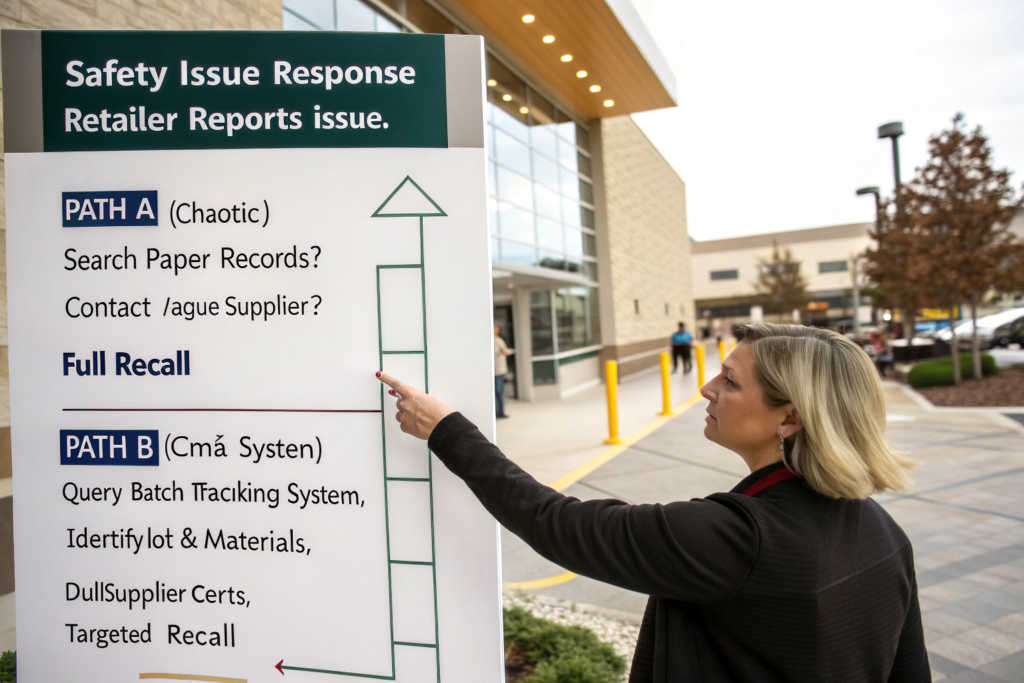
Safety Implication: Imagine a retailer reports a potential lead contamination in metal buttons on a blouse. A factory with a CMIA system can:
- Quickly identify which production lots used buttons from that supplier.
- Isolate the remaining inventory.
- Provide the button supplier's documentation to the brand.
- Show records of their own inspection of the buttons upon receipt.
A non-certified factory might have no such records, forcing a costly and reputation-damaging full recall. For women's wear, where accessories (zippers, buttons, rhinestones) are common, this traceability is vital, especially for children's sleepwear or maternity wear where safety regulations are strictest.
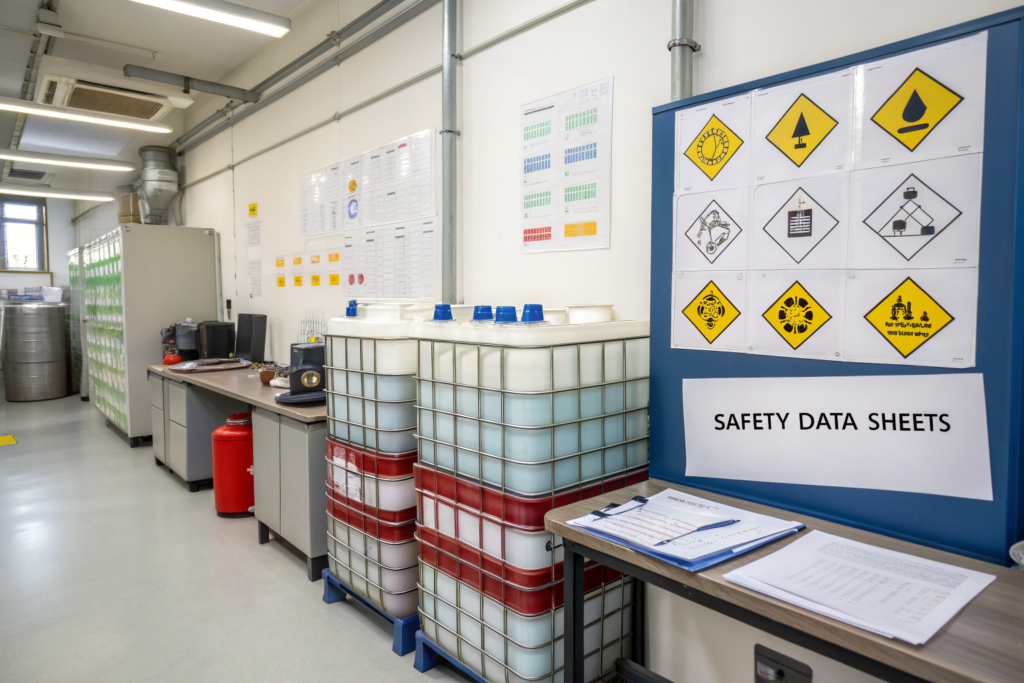
The Link to Physical Safety (Beyond Chemicals)
While CMIA doesn't address physical hazards directly, its process control extends to areas that affect them. For example:
- Machine Maintenance (CMIA requirement): Well-maintained sewing and cutting machines are less likely to produce garments with broken needles or metal shards trapped in seams—a serious physical safety hazard.
- Staff Training: Training on procedures (a CMIA requirement) reduces human error that could lead to unsafe construction (e.g., improperly secured straps on a sundress).
Again, CMIA creates an environment where such failures are less likely and more traceable, but it does not specify that "all needles must be accounted for" or "straps must withstand X force." Those are the realm of product quality standards and physical safety tests.
The Importer/Brand's Must-Do Step
You must define your safety specifications clearly and make them part of your order. Your tech pack should reference the required safety standards (e.g., "All fabrics and trims must comply with Oeko-Tex Standard 100 Class II" or "Garment must meet CPSIA requirements for children's apparel"). The CMIA factory's system is then the tool to execute and document compliance with your specs.
How CMIA Complements Explicit Women's Wear Safety Standards
For true safety assurance, CMIA must be paired with product-level standards. Here’s how they fit together for common women's wear categories:
| Women's Wear Category | Primary Safety Concerns | Direct Safety Standard(s) Needed | CMIA's Supporting Role |
|---|---|---|---|
| Lingerie & Intimate Apparel | Skin irritation, chemical sensitivity, dye fastness. | Oeko-Tex Standard 100 (Class II), CPSIA (for US). | Ensures controlled chemical use in dyeing/washing; provides traceability for any complaint. |
| Maternity Wear | Safety of chemicals in prolonged skin contact. | Oeko-Tex Standard 100 (Class I - for babies). Rigorous RSL. | Manages chemical inventory to avoid prohibited substances; documents processes. |
| Children's Wear (Girls) | Chemical safety, physical hazards (small parts), flammability. | CPSIA, Oeko-Tex, ASTM F963 (toys), Flammability standards (e.g., 16 CFR Part 1610). | Ensures process control to prevent physical defects; maintains records for compliance audits. |
| Knitwear & Sweaters | Pilling (choking hazard for kids), colorfastness, fiber content accuracy. | Oeko-Tex, Fiber content labeling laws (e.g., Textile Act). | Controls dyeing processes for consistency; tracks material inputs for accurate labeling. |
| Fashion with Embellishments | Secure attachment of beads/sequins (choking), metal part safety. | Physical safety tests (pull tests), CPSIA for metal/components. | Provides documentation on trim suppliers; ensures production line follows secure attachment procedures. |
The Workflow for a Safe Product:
- Brand Specifies: You require fabric from Shanghai Fumao with Oeko-Tex certification and mandate production in a CMIA-certified factory.
- Factory Implements: The CMIA factory uses its chemical management system to ensure only approved dyes/processes are used on your order. It files your fabric and trim certificates.
- Independent Verification: You or the factory submits finished garment samples to an accredited lab for Oeko-Tex or other required safety testing.
- Documentation Bundle: The final shipment includes: CMIA certificate (factory), Oeko-Tex certificate (product), and possibly the factory's internal batch records.
This is the gold standard. CMIA is the pillar of process integrity that makes the product-level safety claims credible and reliable over multiple production runs.
The Cost of Skipping Steps
Relying solely on CMIA for safety is a high-risk gamble. Conversely, specifying Oeko-Tex but producing in a non-CMIA factory is also risky—you get a safe sample, but without process controls, batch-to-batch consistency is not guaranteed. You need both.
Conclusion
CMIA certification does not contain specific requirements for women's wear safety in terms of chemical limits or physical tests. Its requirements are process-oriented: disciplined chemical management, comprehensive documentation, and systematic operational control. These processes create the essential preconditions for consistently manufacturing safe products.
Therefore, CMIA is a critical enabler and risk-reducer for women's wear safety, but it is not a substitute for product-specific safety certifications. The safest approach is a hybrid one: partner with CMIA-certified manufacturers for their controlled, transparent systems, and simultaneously mandate the relevant product safety standards (Oeko-Tex, CPSIA, etc.) for your specific garments. This ensures that not only is the "kitchen" clean, but every "dish" that leaves it is individually verified to be safe for your customers.
For brands committed to uncompromising safety, this dual-layered strategy is non-negotiable. It builds a supply chain that is both responsible and resilient. To implement this approach with partners who understand both system and product integrity, connect with us at Shanghai Fumao. We provide materials that meet the highest safety standards and work with factories that value systematic control. Contact our Business Director, Elaine, at elaine@fumaoclothing.com to develop your women's wear line with confidence in every layer.