You're designing the perfect athleisure line—garments that must perform in a workout, look sleek at a café, and feel like a second skin all day. The single most critical decision you'll make isn't the color palette or the cut; it's the fabric. And in athleisure, stretch is king. But not all stretch fabrics are created equal. With so many spandex blends on the market, how do you choose the right one that balances compression, comfort, durability, and style? I've seen promising collections fail because the fabric couldn't live up to the lifestyle.
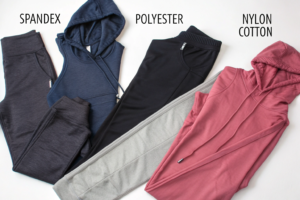
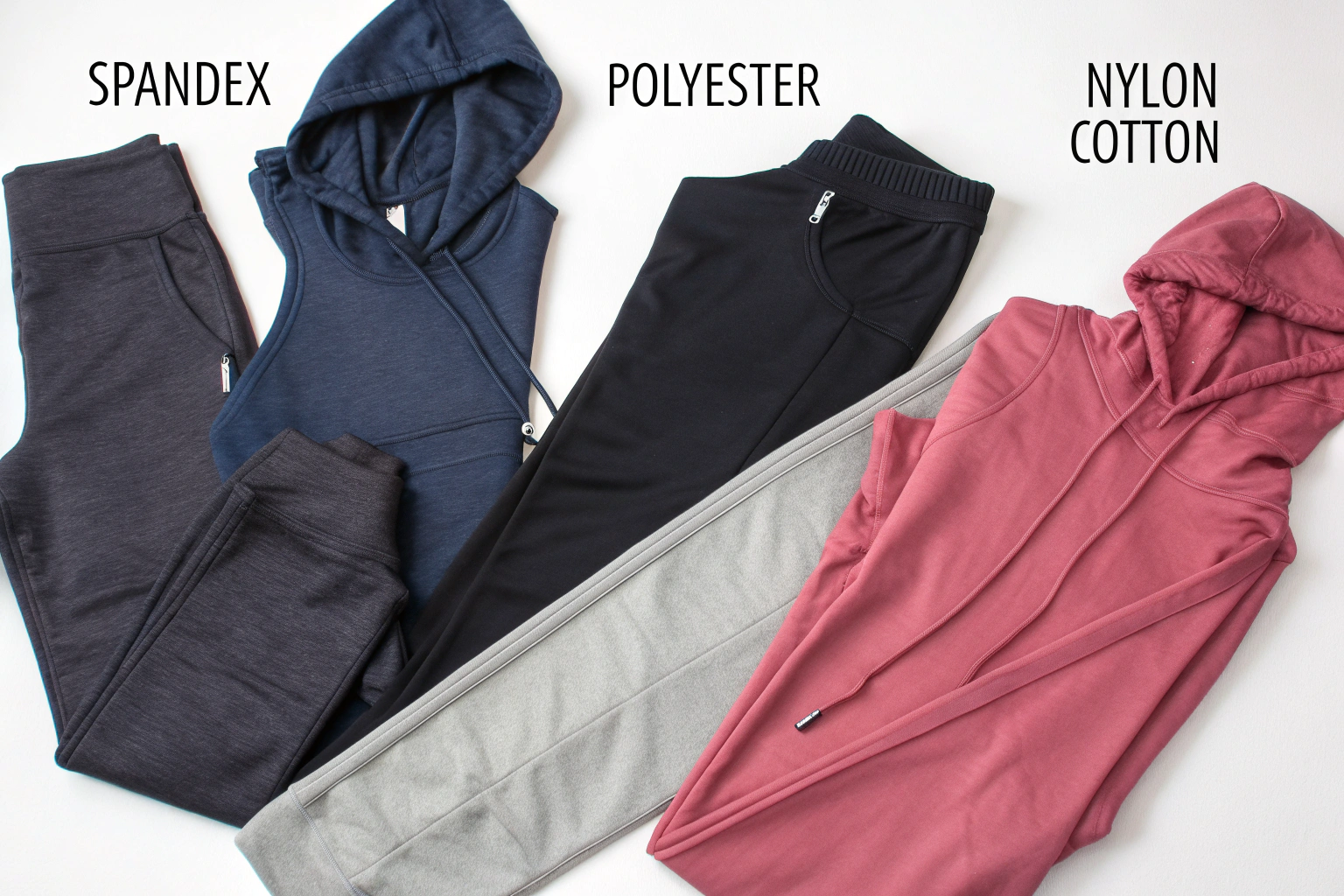
The "best" stretch fabric isn't a one-size-fits-all answer; it's a solution tailored to the garment's specific function within the athleisure spectrum. Are you crafting high-compression leggings for intense training, or a relaxed, draped hoodie for casual wear? The core principle is that spandex (also known as elastane or Lycra®) is the miracle fiber that provides the stretch and recovery, but it's always blended with other fibers—polyester, nylon, cotton—which determine the fabric's core personality: moisture management, softness, durability, and drape.
Choosing correctly means understanding the unique performance profile of each blend and how it aligns with your design intent and customer expectations. It's the difference between a legging that pills after three washes and one that looks new for years. Let's dive into the world of spandex blends and decode which ones truly deliver for the demanding athleisure market.
Polyester-Spandex Blends: The All-Round Performance Champion
When you think of modern athleisure, you're likely thinking of polyester-spandex. This blend is the undisputed workhorse of the category, and for good reason. Polyester brings exceptional durability, excellent moisture-wicking capabilities, and quick-drying properties to the table. When combined with spandex (typically in ratios from 85/15 to 92/8), you get a fabric that is resilient, shape-retentive, and highly functional for sweat-inducing activities.
The advantages are clear: colorfastness (polyester holds dye brilliantly, allowing for vibrant prints and solid colors), low pilling when high-quality yarns are used, and relative cost-effectiveness. It's the go-to choice for high-intensity training leggings, performance tops, and sports bras where moisture management is critical. However, not all poly-spandex is equal. The feel can range from a slick, technical hand to a soft, brushed feel, depending on the yarn denier, knit construction, and finishing process (like enzyme washing or brushing).
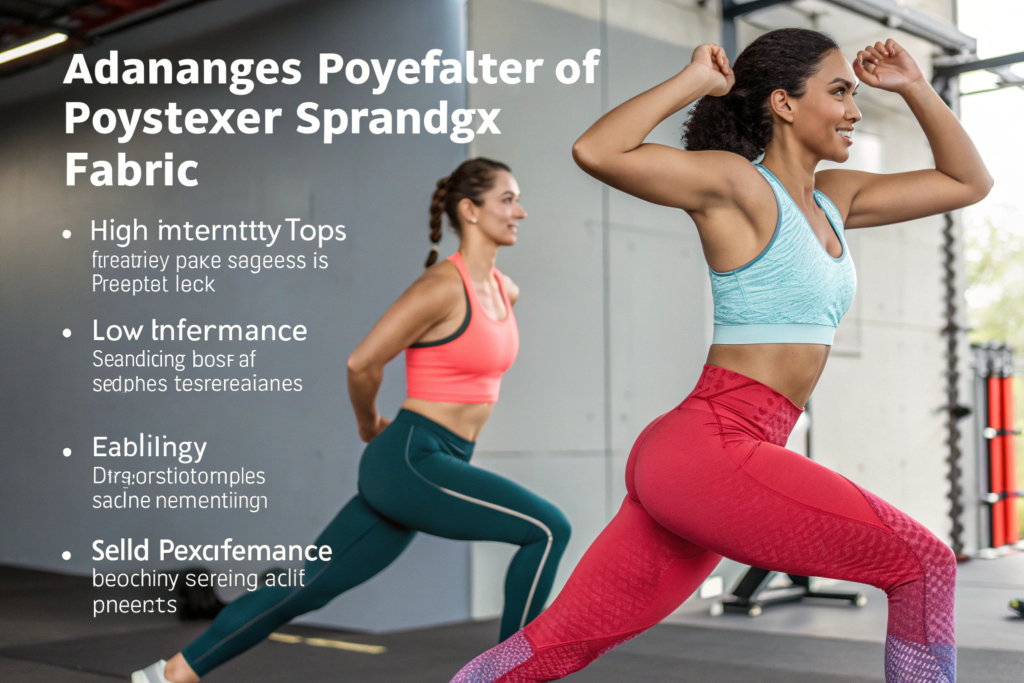
What are the key construction types for poly-spandex fabrics?
The performance is heavily influenced by how it's knitted:
- Double Knit (Ponte de Roma): A stable, heavier knit with good structure and four-way stretch. Ideal for performance leggings, skirts, and structured tops that need to hold their shape.
- Jersey Knit: A lighter, single-knit construction that's soft and drapes well. Perfect for T-shirts, lightweight hoodies, and loose-fitting athleisure tops.
- Brushed French Terry: The interior is lightly brushed for a soft, cozy feel against the skin, making it a favorite for relaxed sweatshirts, joggers, and lounge sets.
For instance, a client in 2023 wanted a legging fabric that was opaque, squat-proof, and had a buttery-soft hand feel. We developed a custom 88% Polyester / 12% Spandex double knit using fine microfilament polyester yarns and a specific enzyme wash finish. The result was a fabric with a 50% four-way stretch, exceptional recovery, and a luxe matte finish that became their bestseller. Understanding these technical specifications for high-performance leggings is what separates a generic fabric from a brand-defining one.
Are there sustainable options in poly-spandex?
Absolutely, and this is where the market is rapidly evolving. Virgin polyester can be replaced with Recycled Polyester (rPET) made from post-consumer plastic bottles. This performs identically to virgin polyester but with a significantly lower carbon footprint. The key is ensuring the rPET is of high quality (like Repreve®) to maintain strength and consistency. When blended with spandex, you get a fully functional, eco-conscious fabric. We're seeing a 40% year-over-year increase in demand for these recycled blends from European and North American brands, proving performance and sustainability are no longer mutually exclusive.
Nylon-Spandex Blends: The Premium Softness & Durability Choice
If poly-spandex is the reliable workhorse, nylon-spandex (often called "polyamide-spandex") is the premium athlete. Nylon brings a superior softness, a luxurious dye affinity that creates rich, deep colors, and an exceptional strength-to-weight ratio. This means nylon-spandex fabrics are incredibly durable, abrasion-resistant, and often have a smoother, more silky hand feel than their polyester counterparts.
This blend shines in applications where softness against the skin and long-term durability are paramount. It's the classic choice for premium leggings, swimwear (due to its excellent chlorine and UV resistance when properly treated), and lightweight outerwear. The stretch recovery is also often exceptional, providing a "hugging" compression that feels secure yet comfortable. The trade-off? Nylon is generally more expensive than polyester and can be less effective at wicking moisture if not specially engineered. It's also more prone to absorbing odors, which is why many performance nylon blends include antimicrobial treatments.
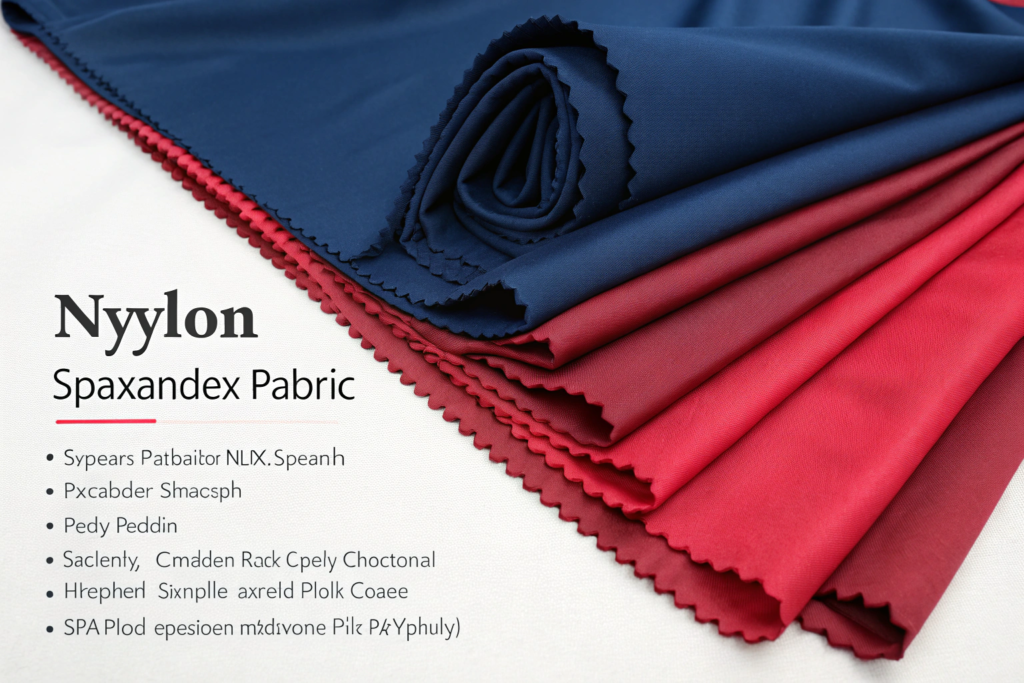
Why is nylon-spandex often considered "higher end"?
The perception stems from its intrinsic properties and common applications. First, its drape and luster are naturally more luxurious, resembling high-end apparel rather than purely technical sportswear. Second, because of its strength, it can be knitted into very fine, lightweight yet opaque constructions—think of those second-skin leggings that feel weightless. This technical achievement commands a higher price. Brands like Lululemon's original Luon fabric popularized this blend for athleisure. When sourcing, it's crucial to specify the type of nylon (e.g., 6,6 nylon is more durable than nylon 6) and the construction. A guide on evaluating the quality of nylon-spandex performance wear can offer deeper technical insights, even for non-swim applications.
What about pilling and care for nylon blends?
High-quality nylon-spandex is less prone to pilling than some poly blends, but it can occur in high-friction areas (inner thighs) if the fabric construction is too loose. The solution lies in using multi-filament or textured nylon yarns and tighter knit constructions. Care is essential: recommend cold washing and air drying to preserve the elasticity and finish. A common mistake is using fabric softener, which coats the fibers and destroys their moisture-wicking and breathability properties. For a yoga wear brand we worked with, we developed a nylon-spandex blend with a proprietary anti-pilling finish and provided clear care instruction tags with each roll of fabric, dramatically reducing customer complaints about garment longevity.
Cotton-Spandex Blends: The Breathable Comfort for Casual Wear
For the "leisure" side of athleisure, cotton-spandex reigns supreme. This blend prioritizes natural breathability, supreme softness, and a casual aesthetic over high-performance moisture wicking. Cotton absorbs moisture (which is why a cotton T-shirt feels damp during a heavy workout), but in low to medium-intensity loungewear, this property translates to exceptional comfort and airiness.
Typical blends range from 95% cotton / 5% spandex for light retention stretch in T-shirts, to 80/20 or 70/30 for more form-fitting tops, joggers, and leggings that need significant recovery. Cotton-spandex jersey, French terry, and rib knits are the staples of this category. They feel familiar, cozy, and less "technical," making them perfect for everyday wear, yoga, or recovery sessions. The challenge with cotton is its tendency to shrink and lose shape over time, which is where the spandex and proper garment engineering become critical.
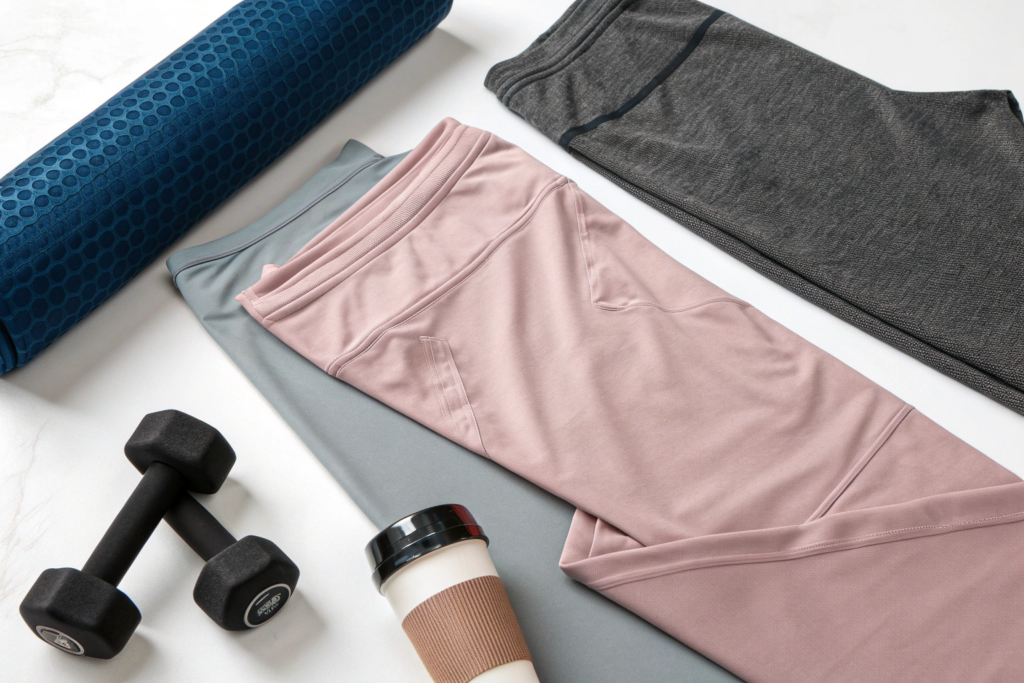
How do you improve the performance of cotton-spandex for athleisure?
While pure cotton-spandex has its place, the market now demands enhanced performance. This is achieved through:
- Blending with Performance Fibers: Creating tri-blends like cotton-polyester-spandex. The polyester adds wicking and quick-dry properties, while the cotton maintains softness. A 50/40/10 blend is common.
- Advanced Finishing: Treatments like mercerization strengthen cotton fibers and increase luster, while enzyme washing creates a permanent soft hand and reduces shrinkage.
- Yarn Innovation: Using combed or compact cotton yarns for a smoother, stronger, and less pilling surface.
For a successful loungewear line launched last year, we used a 60% Combed Organic Cotton / 35% rPET / 5% Spandex tri-blend. The organic cotton provided comfort and a sustainability story, the rPET added durability and wicking, and the spandex ensured fit retention. The fabric was then garment-dyed for a rich, lived-in aesthetic. This kind of hybrid fabric development for modern loungewear is where true innovation happens.
Is cotton-spandex suitable for high-sweat activities?
Generally, no. For intense workouts, the moisture-absorbing nature of cotton becomes a drawback—it holds sweat against the skin, leading to discomfort, chills, and potential chafing. It also dries slowly. For true performance athleisure (training, running, HIIT), synthetic blends (poly or nylon with spandex) are superior. Reserve cotton-rich blends for low-impact activities, yoga, or the post-workout recovery period.
Innovative & Sustainable Stretch Blends Shaping the Future
The athleisure fabric landscape is no longer just about poly, nylon, and cotton. Driven by consumer demand for sustainability and novel textures, a new generation of blends is emerging. These materials aim to reduce environmental impact while introducing new sensorial experiences.
Leading the charge are plant-based fibers blended with spandex. Tencel™ Lyocell (Moisture) blended with organic cotton and spandex creates a fabric with a stunning drape, a silky-cool hand, and natural moisture-wicking derived from the Tencel's nanofibril structure. It's ideal for flowing athleisure dresses, lightweight layers, and premium lounge sets. Similarly, Modal (from beechwood) offers extreme softness and breathability in a more casual knit.
Another frontier is biodegradable or bio-based synthetics. Fabrics like Sorona® (partially plant-based polymer) blended with spandex offer incredible stretch recovery, softness, and stain resistance with a lower carbon footprint than traditional nylon. Recycled content is also becoming standard, with Recycled Nylon (often from fishing nets or fabric waste) + Spandex blends offering premium performance with a circular story.
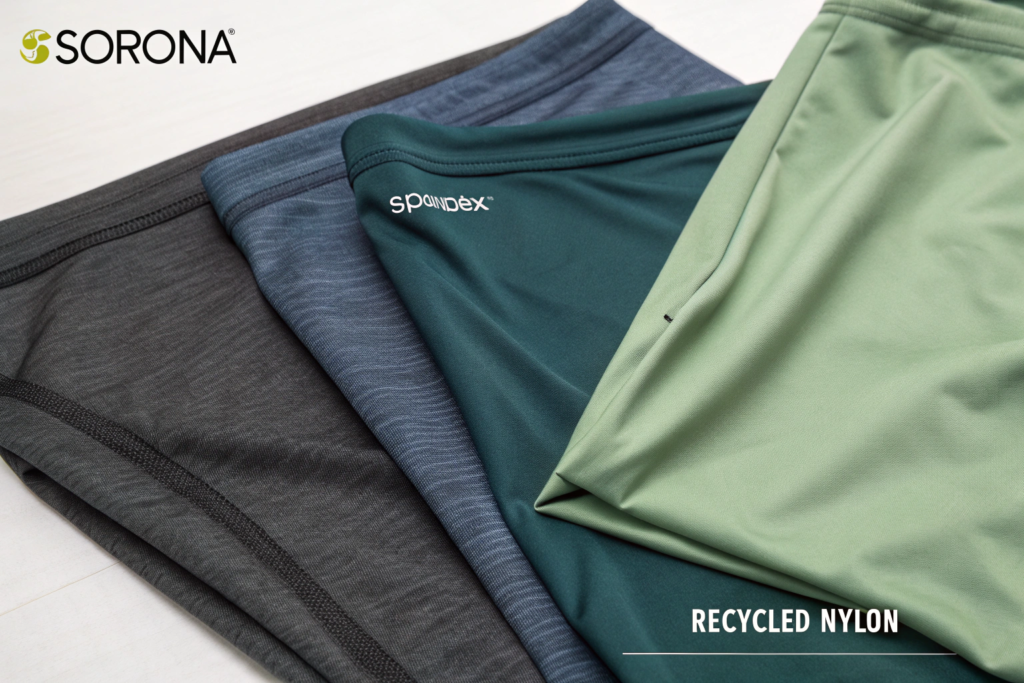
What are the performance trade-offs with these innovative blends?
The trade-off is often cost and sometimes absolute peak performance. A Tencel-cotton-spandex blend may not have the extreme compression or sweat-wicking speed of a top-tier poly-spandex designed for marathon running. Its advantage lies in thermoregulation, odor resistance, and aesthetic drape. It's about choosing the right tool for the job. These innovative blends are perfect for the "24/7" athleisure segment—garments meant to be worn all day in various settings, where comfort, style, and conscious values are the primary drivers. Resources like the Textile Exchange's Material Directory are excellent for researching the properties of these newer, sustainable fibers.
How can I source and test these new materials effectively?
Partner with a supplier that has a strong R&D focus. At Shanghai Fumao, our development process for new blends involves:
- Creating Prototype Swatches: We produce small batches with varying blend ratios for you to evaluate hand feel, weight, and drape.
- Performance Testing: We run the fabrics through our in-house lab (CNAS accredited) for tests on stretch recovery, pilling, colorfastness, and shrinkage.
- Wash Testing: The most important step. We subject garment samples to 20-50 home wash cycles to assess real-world durability, shape retention, and color change.
This rigorous process de-risks your investment. For example, when piloting a new recycled nylon-blend fabric, we discovered through wash testing that a specific silicone softener was degrading the stretch recovery. We adjusted the finishing formula, ensuring the final product met our durability standards before it ever reached bulk production.
How to Choose the Right Blend: A Practical Checklist
With all these options, how do you make the final call? Use this decision framework based on your garment's primary function:
For High-Intensity Training & Performance (Leggings, Sports Bras, Tops):
- Primary Choice: Polyester-Spandex or Nylon-Spandex.
- Key Questions:
- What level of compression is needed? (Higher spandex % = more compression).
- Is moisture-wicking or softness the priority? (Poly for wicking, Nylon for softness).
- What is the target price point? (Poly is generally more cost-effective).
- Our Recommendation: Start with a high-quality 88/12 Poly-Spandex double knit for leggings. For a premium feel, explore a 82/18 Nylon-Spandex with a brushed back.
For Casual Lounge & Everyday Athleisure (Joggers, Hoodies, T-Shirts):
- Primary Choice: Cotton-Spandex or Cotton-Poly-Spandex Tri-Blends.
- Key Questions:
- Is a natural fiber feel important to the brand?
- Does the garment need any moisture management (e.g., for yoga)?
- What is the desired weight and texture (e.g., lightweight jersey, heavy French terry)?
- Our Recommendation: For versatile, washable basics, a 95/5 Cotton-Spandex jersey. For enhanced performance in lounge, a 50/45/5 Cotton/rPET/Spandex tri-blend French terry.
For Sustainable & Innovative Styles:
- Primary Choice: Blends with Tencel, Modal, Recycled Nylon/Polyester.
- Key Questions:
- What is the core sustainability message (recycled content, plant-based, biodegradable)?
- Does the design benefit from a fluid drape (Tencel) or ultra-softness (Modal)?
- Our Recommendation: For a drapey top or dress, a 50% Tencel / 45% Organic Cotton / 5% Spandex blend. For a recycled performance legging, 85% rPET / 15% Spandex.
Conclusion
Selecting the best stretch fabric for athleisure is a strategic decision that directly impacts product performance, customer satisfaction, and brand reputation. There is no single "best" fabric, but there is a perfectly suited fabric for each garment's role within your collection. By understanding the core properties of polyester, nylon, and cotton blends—and by exploring the new wave of sustainable innovations—you can make informed, confident choices.
The key is to move beyond generic fabric names and dig into the specifics: yarn quality, knit construction, finishing processes, and verified performance data. Partnering with a knowledgeable supplier who can guide you through this technical landscape and provide reliable, tested fabrics is invaluable.
Ready to develop the foundational fabric for your next athleisure hit? Contact our Business Director, Elaine, at elaine@fumaoclothing.com to discuss your specific needs and request swatches of our engineered stretch fabric solutions. At Shanghai Fumao, we blend technical expertise with practical experience to help you create athleisure that performs as good as it looks.