I was talking to a buyer named David a few months ago. He sources clothing for a large US department store chain. He told me about a big problem they keep hearing from their customers. People are tired of ironing. They are tired of traveling for work and having their clothes look messy as soon as they stand up. They want to look professional without spending hours on laundry. David asked me, "What fabrics actually work for this?"
The best fabrics for wrinkle-resistant office wear are synthetic blends, specifically those containing polyester, nylon, or elastane, as well as specially treated natural fibers like performance wool and mercerized cotton. These materials are engineered to bounce back to their original shape. They resist the creases that form from sitting, moving, and packing. At Shanghai Fumao Clothing, we have worked with these fabrics for years, helping our clients create office wear that looks sharp from morning to night.
You might think that wrinkle-resistant means cheap or uncomfortable. That used to be true. But fabric technology has changed a lot. Today, you can get fabrics that feel soft, breathe well, and still resist wrinkles. Let me break down the best options for you.
What Makes a Fabric Wrinkle-Resistant?
To understand which fabrics work best, you first need to understand why fabric wrinkles at all. It is not magic. It is science. When fabric bends, the fibers inside bend too. In some fabrics, those fibers stay bent. In others, they have a memory. They want to go back to being straight. That is the secret.
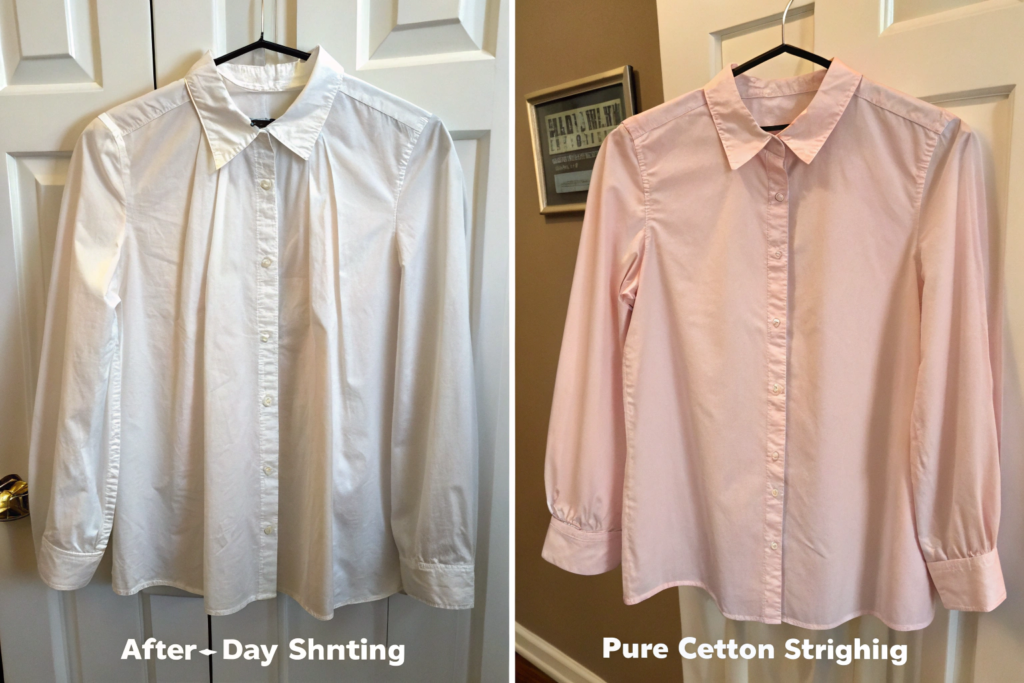
Wrinkle resistance comes from the fiber's ability to spring back. Natural fibers like cotton and linen have short fibers. When they bend, they break those connections and stay bent. Synthetic fibers like polyester are long and plastic-based. They have elastic properties. They can stretch and then return to their original shape. That is why a polyester blend blouse will look smooth after a long day, while a pure cotton one will be crumpled. Some natural fibers can be treated with special chemical finishes to give them this same memory, but the fiber itself is key.
The weave of the fabric also matters. A tight weave holds its shape better than a loose one. For example, a poplin shirt uses a tight, plain weave that naturally resists wrinkles more than a loose oxford weave. The weight of the fabric plays a role too. Heavier fabrics have more mass and are harder to wrinkle. So when you are choosing office wear, you need to look at both the fiber content and the construction. It is a combination that creates the final result.
How Do Fiber Lengths Affect Wrinkling?
Think of fibers like pieces of string. Long, continuous fibers are like one long piece of yarn. They are strong and smooth. Short fibers are like many small pieces of yarn twisted together. They have more ends and more places where they can get bent out of shape. Long-staple cotton, like Egyptian cotton, has longer fibers. It is smoother and resists wrinkles better than regular cotton. But even the best cotton is still a natural fiber. It will never be as wrinkle-resistant as a polyester blend fabric. The synthetic fibers are simply one long, continuous plastic strand that wants to stay straight.
What Role Do Fabric Finishes Play?
Finishes are chemical treatments applied to the fabric after it is woven. They can coat the fibers with a resin that helps them spring back. This is how many "non-iron" or "easy-care" cotton shirts work. The cotton is still cotton, but it has a coating. These finishes can be very effective. However, they can wash out over time. They can also make the fabric feel a little less soft. At Shanghai Fumao Clothing, we always advise clients to consider the lifespan of the finish. A blend with synthetic fibers will have permanent wrinkle resistance. A treated natural fiber will have temporary resistance.
Which Synthetic Blends Are Best for Office Wear?
I know some people hear "synthetic" and think of old, shiny, uncomfortable suits from the 1970s. That is not what we are talking about today. Modern synthetic blends are engineered to feel like natural fibers while performing better. They are the workhorses of the office wear world.
The best synthetic blends for office wear are polyester-viscose blends and nylon-elastane blends. A poly-viscose blend, often called "PV," is soft, drapes well, and holds color beautifully. It is perfect for women's blouses and men's dress shirts. A nylon-elastane blend adds stretch and recovery. It is ideal for blazers and trousers that need to move with the body but snap back into shape. These fabrics breathe better than you think and look completely professional.
Another excellent option is a tri-blend, like polyester, rayon, and spandex. This combines the wrinkle resistance of polyester with the soft, natural feel of rayon and the stretch of spandex. It is a popular choice for work dresses because it is comfortable and flattering. The key with any synthetic blend is the percentage. You generally want at least 50-60% polyester or nylon to get good wrinkle resistance. The rest can be for comfort and feel.
What Is the Difference Between Polyester and Nylon?
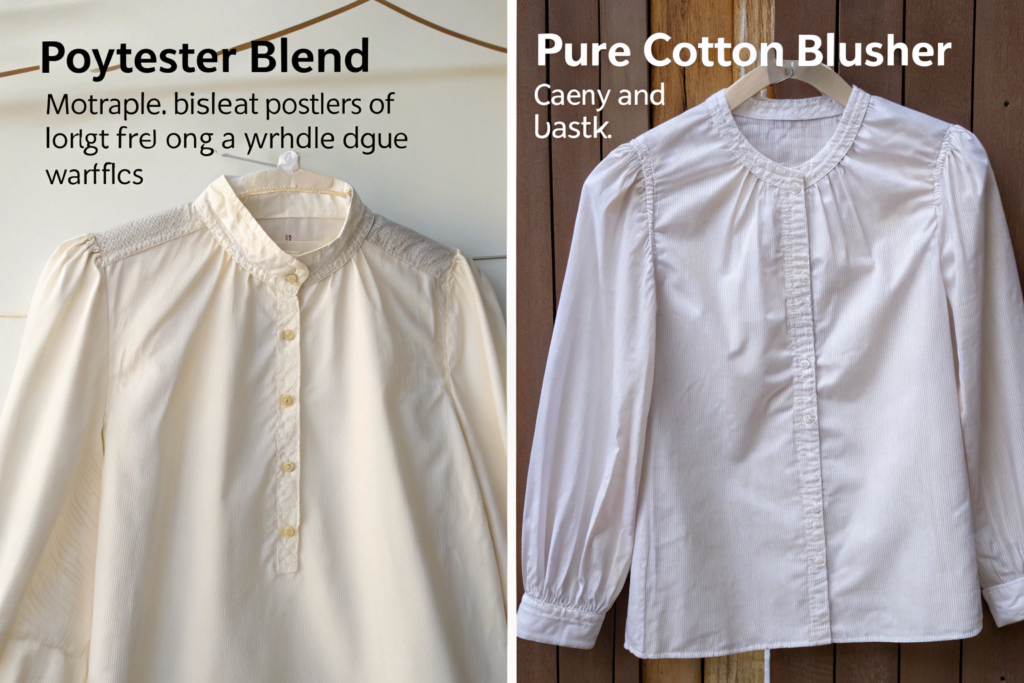
Both are synthetic, but they have different personalities. Polyester is very strong, resists stretching and shrinking, and dries quickly. It is also the most common and cost-effective option for wrinkle resistance. Nylon is even stronger than polyester and has more "give" or elasticity. It is often used in activewear, but it also works well in office wear that needs to hold a shape, like structured blazers or pencil skirts. Nylon can feel silkier than polyester. Both are excellent choices. The decision often comes down to the desired hand feel and the specific garment type.
Are Polyester Blends Hot to Wear?
This is the biggest myth about polyester. Old polyester did not breathe. It trapped heat. New polyester is engineered differently. Many modern polyester fabrics are designed with moisture-wicking properties. They pull sweat away from the body. Microfiber polyesters are very fine and lightweight. When blended with natural fibers like viscose or modal, the fabric becomes very breathable. For summer office wear, look for these lighter blends. The fabric will keep its shape and resist wrinkles without making you feel like you are in a sauna.
Can Natural Fibers Be Wrinkle-Resistant?
Some people simply prefer natural fibers. They like the way cotton feels or the warmth of wool. They do not want to wear plastic, even if it is engineered. For these clients, there are good options. They just require a little more care in the selection.
Yes, natural fibers can be wrinkle-resistant, especially when they are treated or woven in specific ways. Mercerized cotton is cotton that has been treated with a caustic solution. This makes the fibers stronger, shinier, and more receptive to dye. It also makes them less likely to wrinkle. For wool, a "worsted" wool is made from long-staple fibers and spun tightly. This creates a smooth, strong fabric that resists wrinkles much better than a "woolen" wool, which is made from short, fluffy fibers.
Another natural option is Tencel or lyocell. It is made from wood pulp, so it is natural and sustainable. But the manufacturing process creates fibers that are incredibly strong and smooth. Tencel drapes beautifully and resists wrinkles very well. It is often used in eco-friendly office wear and feels like a mix between silk and cotton. It is a fantastic choice for buyers who want a natural product with high performance.
What Is Mercerized Cotton and Why Does It Matter?
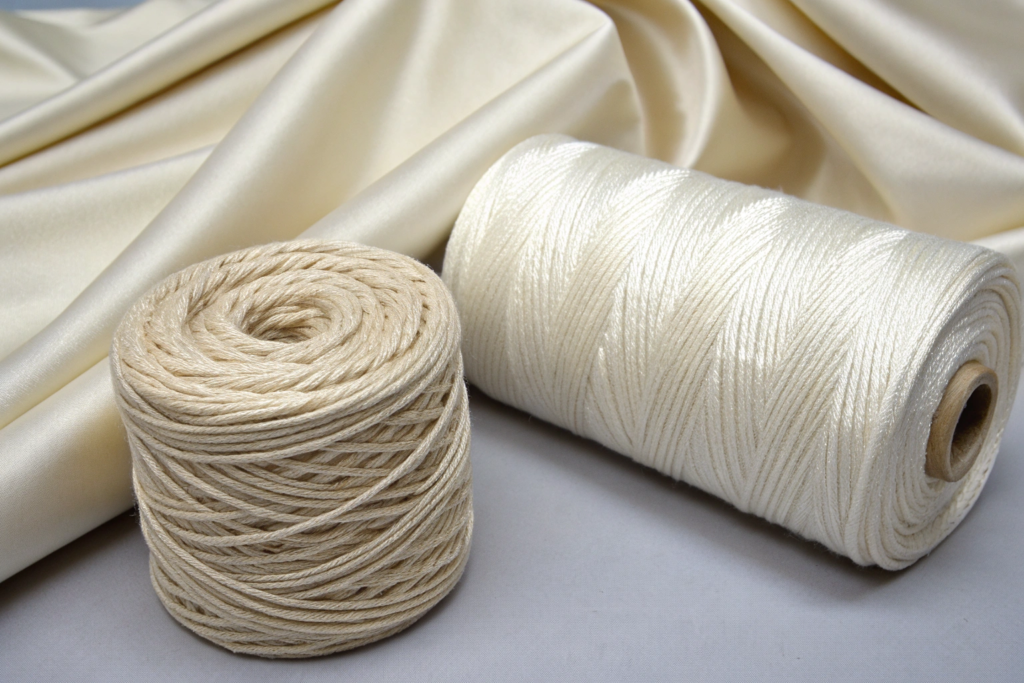
Mercerization is a process named after its inventor, John Mercer. It involves treating cotton yarn or fabric with a sodium hydroxide solution under tension. This does two main things. First, it swells the fibers, making them rounder and smoother. This increases their ability to reflect light, giving the cotton a subtle, silky luster. Second, it strengthens the fiber and makes it more receptive to dyes, resulting in richer, deeper colors. Most importantly for us, this process makes the cotton less likely to wrinkle. A mercerized cotton shirt will look sharper and need less ironing than a standard one. It is a simple upgrade that makes a big difference.
How Does Worsted Wool Compare to Regular Wool?
Worsted wool is the choice for professional settings. The worsted process involves combing the wool fibers so they all lie parallel before they are spun into yarn. This removes the short, fuzzy fibers and leaves only the long, strong ones. The resulting yarn is smooth, tight, and strong. When woven, it creates a fabric that is crisp, durable, and holds a crease well. It resists the bagging and wrinkling that can happen in regular wool. This is why worsted wool suits are the standard for business wear. They look sharp all day. Regular wool, often called "woolen," is softer and fuzzier, but it will wrinkle and lose its shape much faster.
How Should You Care for Wrinkle-Resistant Fabrics?
Even the best wrinkle-resistant fabric can be ruined by bad care. I have seen beautiful poly-viscose blouses shrunk in hot water. I have seen performance wool suits thrown in a hot dryer and ruined. The fabric is only half the equation. How you treat it is the other half.
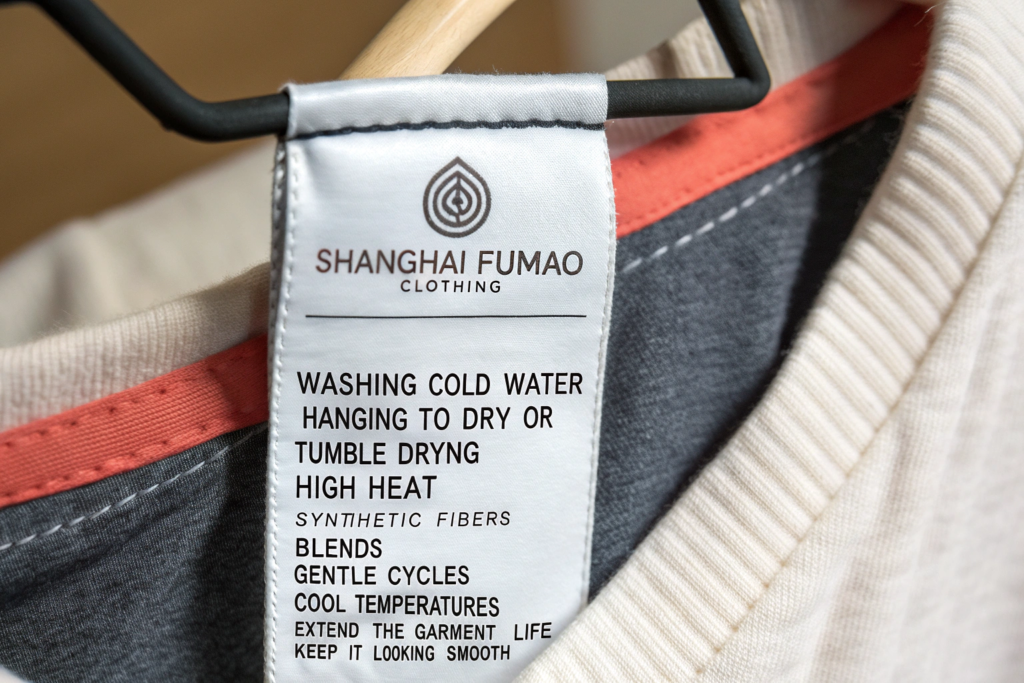
To keep wrinkle-resistant fabrics performing well, you should wash them in cold water and hang them to dry or tumble dry on low. High heat is the enemy of synthetic fibers. It can break down the elastic properties that give them their memory. For blends, follow the care instructions for the most delicate fiber. Generally, gentle cycles and cool temperatures will extend the life of the garment and keep it looking smooth. At Shanghai Fumao Clothing, we always provide clear care instructions with every order to help our clients' customers get the most out of their clothes.
Another tip is to remove garments from the dryer promptly. If they sit in a heap while they are hot, they can cool in a wrinkled position. Even wrinkle-resistant fabrics can set a crease if left that way. If you hang them up while they are still slightly warm, the weight of the garment will help pull out any minor wrinkles. For travel, packing these fabrics in a garment bag or rolling them instead of folding can also help them arrive looking fresh.
Can You Iron Wrinkle-Resistant Fabrics?
Yes, but you have to be careful. High heat can melt synthetic fibers. If you need to iron a poly-blend blouse, use a low or synthetic setting. It is often better to use a steamer. Steam is gentler and relaxes the fibers without the risk of melting. For treated cottons, a medium heat is usually fine, but avoid going over the same spot too many times, as this can damage the finish. The goal with these fabrics is to need as little ironing as possible. A quick steam or a low-heat press is usually enough to refresh them after washing.
How Often Should You Wash Office Wear?
You might be surprised, but you should not wash wrinkle-resistant office wear after every single wear. Over-washing is one of the fastest ways to wear out fabric. It fades colors and breaks down fibers. Unless a garment is visibly dirty or smells, you can often wear it two or three times before washing. Air it out after wearing. Hang it in a well-ventilated space. This is especially true for wool blazers and synthetic blend trousers. Spot clean small stains instead of throwing the whole garment in the wash. This simple habit will make your clothes last much longer.
Conclusion
Choosing the right fabric for office wear is about balancing performance with comfort and style. Synthetic blends like polyester-viscose offer the best wrinkle resistance and are perfect for busy professionals. Treated natural fibers like mercerized cotton and worsted wool offer a more traditional feel with modern performance. And with proper care, these fabrics can keep someone looking sharp for years. It is about giving people confidence in their clothes so they can focus on their work.
If you are looking to develop an office wear line that your customers will love for its quality and convenience, let's talk. We have the expertise to guide you through fabric selection, design, and production. Please contact our Business Director, Elaine, at elaine@fumaoclothing.com. Let's create something that makes the 9-to-5 a little easier.