Look, I get it. You’ve spent weeks designing the perfect bikini or one-piece. You nailed the outer print, the colors are popping, and the cut is exactly what your customers want. Then you get the first sample back from the factory, and it looks... cheap. The fabric goes see-through when wet, the girls aren’t staying in place, or the whole suit just sags out after an hour in the pool. Sound familiar?
The problem isn't your outer fabric. It’s what’s underneath. Or rather, what’s not. I’ve been in the textile game for over two decades here in Keqiao, and I can tell you that skimping on the lining or support fabric is the fastest way to ruin a swimwear line. It’s the foundation that takes a good-looking swimsuit and makes it a high-performance, durable garment that actually sells. So, what are the best fabrics for swimwear linings and support?
The best fabrics for swimwear linings are high-performance knits with exceptional chlorine resistance, UV protection, and four-way stretch, such as 20D Nylon Spandex for lightweight modesty or 40D Nylon Spandex for shaping and control. For structural support, you’re looking at specialized power mesh for tummy control and shelf bra linings, or rigid cotton linings for gussets. You need materials that are engineered to survive the pool, not just look good on the rack.
But knowing the fabric names is just the start. You need to know how to specify them, how they behave during cutting and sewing, and how to get the balance right between comfort and control. Over the years, I've helped brands from Australia to the UK fix their swimwear lines by getting the fundamentals right. Let’s break down the exact materials and techniques that will take your swimwear from "meh" to "must-have."
Why is a dedicated lining crucial for swimwear durability?
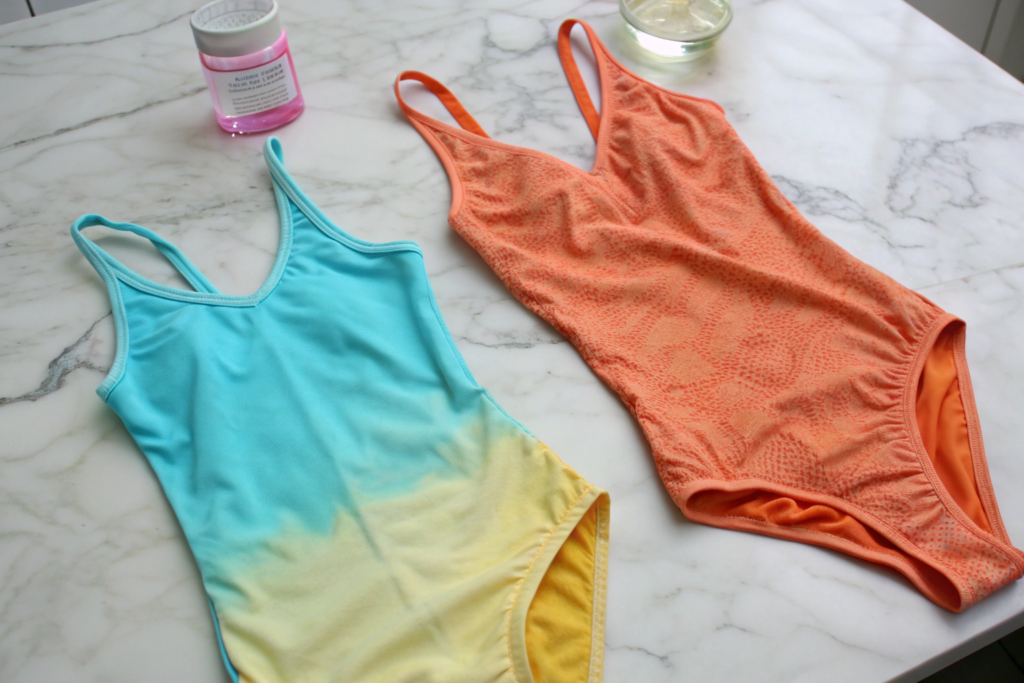
You might be thinking, "My outer fabric is nylon spandex, isn't that enough?" It's a question I hear from almost every new client, including a designer from Barcelona last year. She sent us a beautiful outer fabric, a 180gsm nylon spandex with a stunning digital print. It felt great in the hand. But when we asked about the lining, she said she didn't plan to use one to save on cost. We had to explain that in swimwear, the lining isn't an extra; it's the engine room. It’s the difference between a suit that lasts one season and one that becomes a customer favorite.
How does a lining prevent transparency issues in swimwear?
This is the number one functional reason for a lining. When that beautiful outer nylon spandex gets wet, it loses about 30-40% of its opacity. I’ve seen it happen a thousand times. A suit looks perfectly opaque on a hanger in a dry shop, but the moment the customer steps out of the ocean, it’s a different story. It’s a disaster for your brand’s reputation.
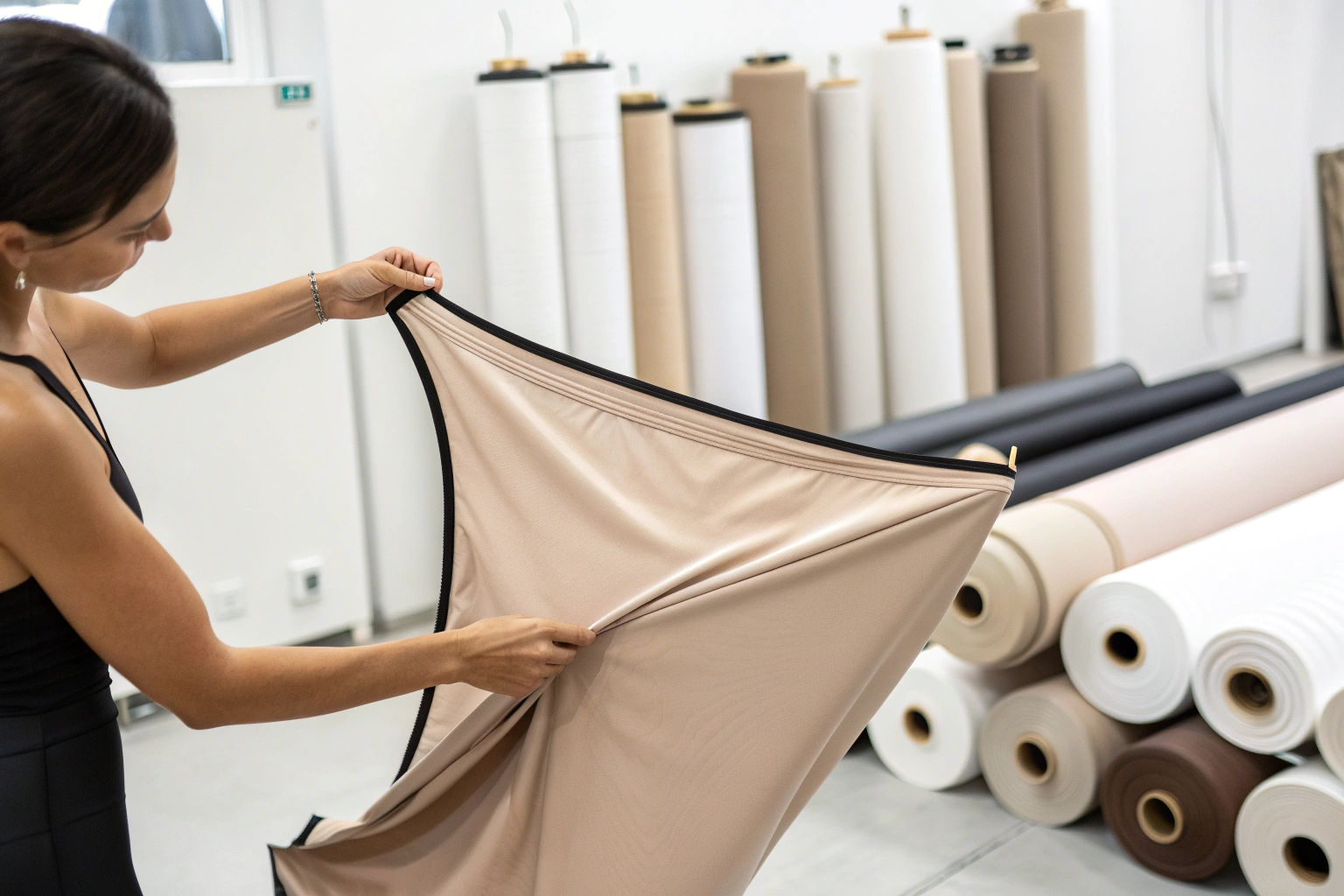
We use specific lining fabrics to combat this. Our go-to is a 20-denier nylon spandex tricot knit. It’s incredibly lightweight—usually around 50-60gsm—so it doesn’t add bulk or restrict the fit, but its tight knit structure is engineered to block light and prevent see-through. (Here’s a pro tip: always test your lined fabric swatch wet. Dip it in a bucket of water and hold it up to the light. If you can see your hand through it, the lining is too light or the color is wrong).
Choosing the right color lining for your outer is also critical. For a pastel or white outer, you absolutely need a white or beige lining. Using a navy or black lining under a light-colored fabric can actually make it look dull and muddy. For deep, saturated colors, you can match the lining to the outer for extra richness. I always recommend my clients check out discussions on platforms like The SWIM INDUSTRY Forum where designers share real-world tests on lining opacity. It's a great place to see what actually works before you commit to a bulk order.
Can the right lining actually extend the life of a swimsuit?
Absolutely. The lifeblood of a swimsuit is its stretch and recovery. That’s the ability of the fabric to stretch when you put it on and then snap back into place. Chlorine and sunscreen are the enemies of elastane. They degrade it, causing the fabric to bag out, lose shape, and go "saggy."
A quality lining acts as a sacrificial barrier. It takes the brunt of the exposure to your skin, sunscreen, and body oils. When you specify a lining with high chlorine resistance, like those meeting the ASTM D5399 standard, you're adding a protective layer. We source our lining fabrics specifically for this. We test them using a lab-grade setup that simulates 100 hours of chlorinated pool exposure. The lining might show slight fading over time, but the outer shell, the face of your garment, stays tight and beautiful.
For example, a customer from a competitive swim team in Florida we worked with in 2023 had a problem with their suits blowing out in the seat after just a few weeks. We switched them to our high-performance lining with enhanced UV and chlorine protection and doubled the life of their suits. The outer fabric was protected, and the lining took the abuse. It’s about building a garment with integrity, not just a pretty face. And when you build that integrity, you build customer loyalty.
What are the specific fabric types for different lining functions?
Not all linings are created equal, and using the wrong one for the job is a classic mistake. You wouldn't use a lightweight voile to build a tent, right? Same goes for swimwear. The function of the lining determines the fabric type. We categorize them into three main buckets: modesty linings, support/power linings, and hygiene linings. Getting this mix right is where the magic of a well-engineered garment happens. Let’s dive into each one.
What is the difference between 20D and 40D nylon spandex for linings?
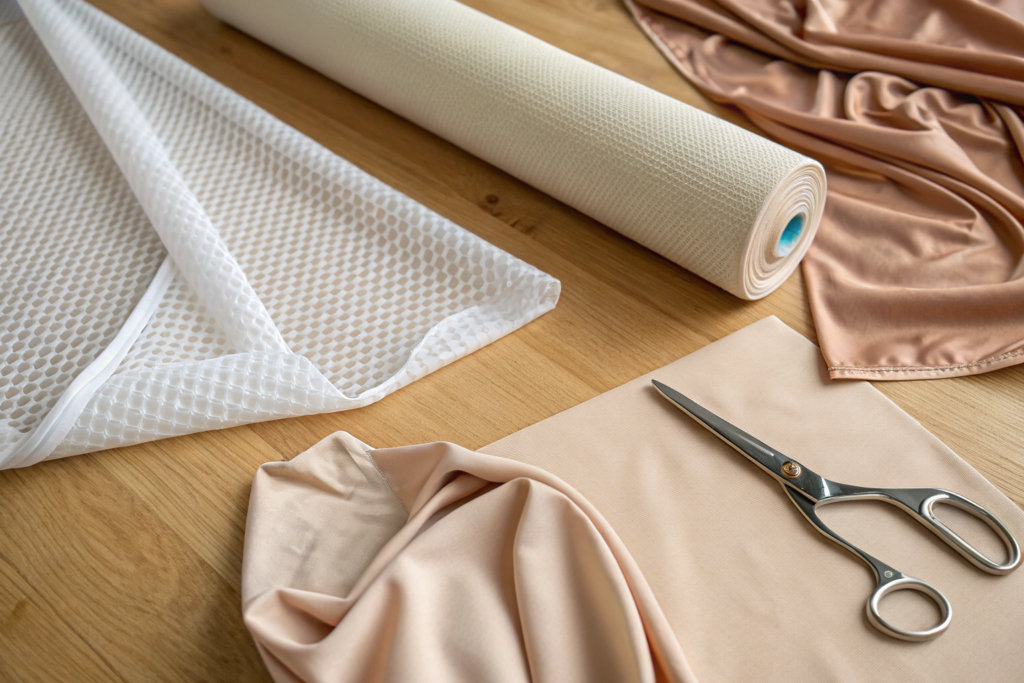
This is a technical question, but it’s easy to grasp. The "D" stands for Denier, which is a unit of measurement for the linear mass density of fibers. Basically, it tells you the thickness of the individual yarns. A lower denier means a finer, more delicate yarn. A higher denier means a thicker, stronger, and more durable yarn.
- 20D Nylon Spandex: This is our go-to for what we call "modesty lining." It’s whisper-thin, super soft against the skin, and has a beautiful drape. It provides opacity without adding any real structure or weight. It’s perfect for lining the main body of bikini tops and bottoms where you just need to prevent show-through and add a layer of comfort. It has excellent two-way stretch, but not heavy-duty recovery.
- 40D Nylon Spandex: This is a workhorse. It’s noticeably thicker and has a much firmer hand feel. Because the yarns are thicker, the fabric has a higher tensile strength and much stronger recovery. We use this for swim shaping shorts, tummy control panels, or lining for one-piece suits that need to hold everything in. It provides a subtle compression effect. In 2022, we helped a shapewear brand pivot into swimwear, and the 40D lining was the key to translating their compression technology into a pool-ready garment.
The choice depends on the function. For a delicate triangle bikini, 20D is perfect. For a high-support sports-swim top, you need the 40D. You can also find great technical explanations and user reviews on fabric blogs like The Textile Think Tank, which often compares the performance of different denier fabrics in real-world applications.
When should you use power mesh for tummy control and shelf bras?
Power mesh is a specific type of netting made from nylon and spandex. It’s lightweight, highly breathable, and has incredible four-way stretch with strong recovery. It’s not for modesty—you can see right through it. It’s for structure and support.
We use power mesh in two main ways in swimwear:
- Shelf Bra Lining: For cup-sized swimwear, a shelf bra lined with power mesh provides the "engine" that holds the cups in place and supports the bust. It’s sewn in as a separate layer, creating a bra-like structure inside the swimsuit. It lifts and separates without the bulk of a traditional bra.
- Tummy Control Panels: A front panel of power mesh laminated or sewn into the tummy area of a one-piece or high-waisted bottom provides gentle, yet effective, shaping. It smooths and flattens, giving the wearer confidence. It’s a feature that commands a higher price point and is incredibly popular in the US market. I remember a client from Miami who was struggling to get the right hold in her plus-size swimwear line. We suggested inserting a double layer of power mesh in the front panel. She was skeptical about the extra cost, but after the first production run sold out, she called to say it was the best decision she made. The support was the unique selling point her customers were looking for.
Why is a cotton jersey gusset a non-negotiable for hygiene?
This is a detail that screams quality and care. While the entire swimsuit is made of synthetic fibers that are great for swimming, they aren't the most breathable or hygienic for sensitive areas. A gusset is the small piece of fabric sewn into the crotch area of swimsuit bottoms.
For swimwear, the best practice is to use a cotton or cotton-rich jersey fabric. Cotton is naturally absorbent, breathable, and hypoallergenic. It wicks moisture away from the body much better than nylon. It’s a comfort and health feature. It also allows the body to dry faster once out of the water. In Europe, and increasingly in the US, this is considered a basic requirement for any well-made swimsuit. If you're sourcing from Asia, you must specifically request this. It’s a small detail that shows you know what you're doing. It's about building trust with the end-user, telling them you've thought of everything.
How does the manufacturing process affect swimwear support?
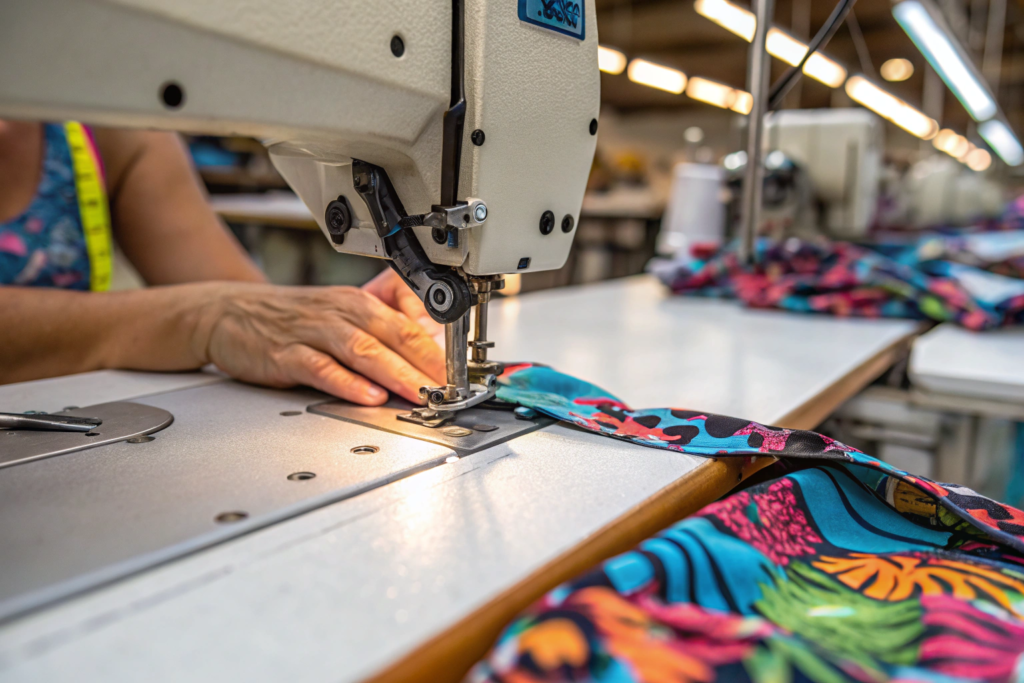
You can have the best materials in the world, but if your manufacturing process doesn't respect those materials, the final garment will fail. Swimwear is one of the most technically challenging garments to sew. You're working with stretchy, slippery fabrics and fine threads. The goal is to create seams that are strong enough to withstand tension, yet flat and comfortable against the skin. It requires specific machines, specific needles, and a skilled operator. Over the years at our partner factories, we’ve had to train teams specifically on the nuances of swimwear construction.
What type of stitch is best for attaching swimwear lining?
For attaching a 20D nylon lining to the outer shell, you generally don't want visible stitches on the outside. The cleanest and most comfortable method is to use a technique called "bagging out" or "full lining." This involves sewing the lining and the outer fabric together at the edges, right sides together, and then turning the whole garment right side out. This creates a clean, finished edge with no raw seams inside.
For the internal seams, we almost always use a three-thread overlock stitch (sometimes called a serger stitch). It trims the seam allowance and encases the raw edges simultaneously, preventing fraying. But, and this is a big but, the tension on the overlocker must be perfectly balanced. If it's too tight, it will create a "pucker" in the seam, making the edge curl up and become uncomfortable. If it's too loose, the seam won't have enough strength. We have our QC team check this on every single piece during the in-line inspection. For the gusset area, we use a super-soft, fine overlock stitch, often with a ballpoint needle to avoid cutting or snagging the cotton fibers. You can find detailed guides on stitch types from sources like the Sewing & Craft Alliance blog, which are useful for understanding the basics, even at an industrial level.
How do we test seam slippage and strength for support panels?
This is where the lab coat comes on. You cannot guess on strength. For support panels, like the power mesh shelf bra, the seams are under constant, dynamic load. We use a tensile strength tester that literally pulls the seam apart to see how many pounds of force it can take before it breaks or before the fabric starts to pull away from the stitch—that's called seam slippage.
The ASTM (American Society for Testing and Materials) has specific standards for this, like ASTM D1683 for seam slippage. We aim for a result that far exceeds the minimum requirement for swimwear. For example, when we produce a swimsuit with a power mesh panel, we set our internal standard to withstand 25 pounds of force per square inch without slippage. If a seam fails at 18 pounds, we change the stitch count per inch or the type of thread we're using. We once had a shipment for a UK-based activewear brand where the first batch of samples failed this test. The issue was the thread tension on the coverstitch machine attaching the elastic. We recalibrated the machines, ran the test again, and passed with flying colors. It's this level of detail that prevents returns and protects your brand. You want a partner who can show you these test reports, not just tell you the fabric is strong.
How can you plan your sourcing to navigate Chinese production timelines?
This is the part that trips up so many brands, especially those from the US and Europe. You’ve designed a killer swimsuit, you’ve specified the perfect 40D lining and power mesh, and you’re ready to order. Then you realize your launch date is March, and it’s already January. You’re up against the biggest manufacturing shutdown on the planet: Chinese New Year. Understanding and planning around these production peaks and valleys is just as important as the fabric choice. At Shanghai Fumao, we build our entire production planning calendar around these rhythms to ensure our clients get their goods on time.
When are the peak and slow seasons for Chinese swimwear production?
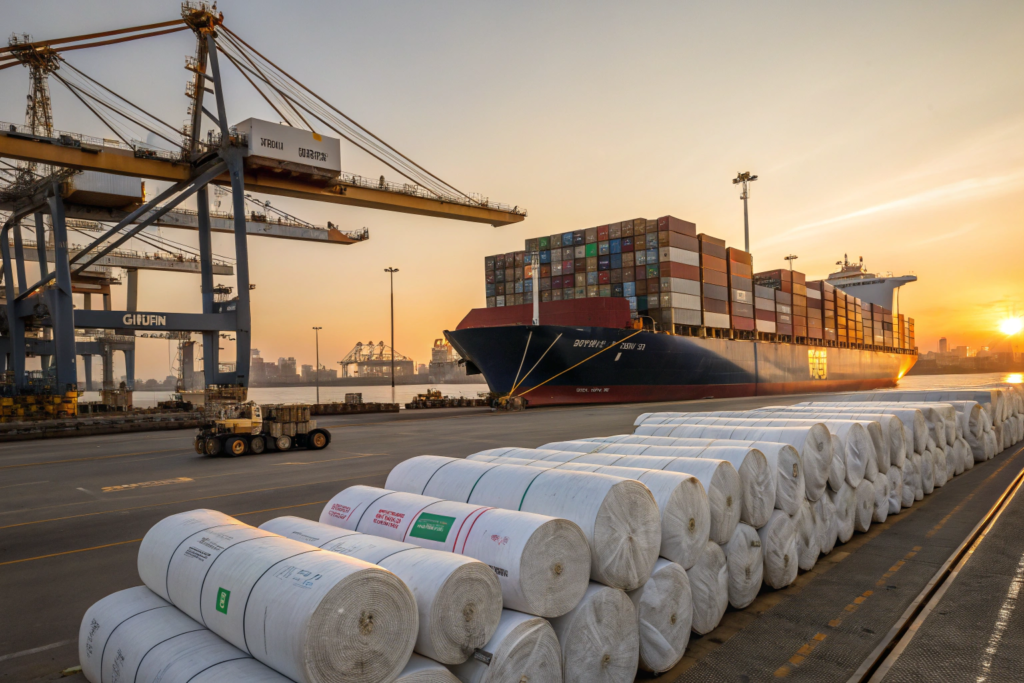
Chinese manufacturing, especially in textile hubs like Keqiao, operates on a very predictable cycle. For swimwear, which is heavily tied to summer seasons in the West, the rhythm is even more pronounced.
- Peak Season 1 (March - May): This is the mad rush for summer. Factories are running at full capacity, 24/7. Everyone is trying to get their goods on the water to arrive for the June-July sales. If you place an order in March expecting delivery in April, you're going to be disappointed. Timelines add 1-2 weeks easily.
- Peak Season 2 (August - October): This is for the "resort wear" and the Southern Hemisphere summer (think Australia and Brazil). It's also when brands start planning for the next year's cruise collections. Again, busy.
- Slow Periods (June - July & November - December): These are your windows of opportunity. Factories have more capacity, so lead times can actually shrink. You can often get samples turned around in 48 hours and bulk production done faster. It's a great time to test new styles or do small-batch, quick-turnaround orders.
I always advise my clients to align their development calendar with this rhythm. Plan your sampling for the slow periods and your bulk production to land right before the peaks.
How do Chinese New Year and Golden Week impact my orders?
This is non-negotiable. You must plan for these holidays. They are immovable objects in the production calendar.
- Chinese New Year (CNY): This is a 3-4 week national shutdown. Factories close. Workers travel home. Nothing gets made. The key is to have all your pre-production work—fabric approval, lab dips, trims, tech packs—completely finalized and your order confirmed at least 6 weeks before the holiday starts. If you don't, your order won't even be in the queue for when they reopen. We had a European brand client last year who did this perfectly. They had their pre-production samples signed off 8 weeks out, we booked their yarn and dyeing slots, and the moment the factory reopened after CNY, their fabric was the first in the dyeing machine. They saved weeks compared to competitors who were just starting their negotiations when the holidays ended.
- Golden Week (First week of October): This is a 7-day national holiday. While not as devastating as CNY, it still grinds the supply chain to a halt. Plan your shipments and production to finish before this week, or expect delays.
At Shanghai Fumao, we provide every client with a detailed production calendar at the start of our partnership. We want you to see the roadblocks ahead so we can navigate them together. You don't have to become a China manufacturing expert overnight, that's our job. We share this knowledge so you can make informed decisions. For a deeper dive into navigating these timelines, I recommend checking out resources on trade websites like The Journal of Commerce, which regularly covers logistics and supply chain impacts in Asia. Understanding these patterns is how you optimize your production scheduling and protect your brand's launch dates. It’s about partnership, not just purchase orders.
Conclusion
Choosing the right fabrics for your swimwear linings and support isn't just a technical detail—it's the very foundation of a successful, profitable, and reputable garment. From the lightweight, concealing power of 20D nylon spandex to the structural integrity of power mesh and the simple, thoughtful comfort of a cotton gusset, every material plays a vital role. We've seen how these choices combat transparency, extend the life of the suit, and provide the support your customers demand. And we've linked it all back to the realities of manufacturing in China, where timing your orders around peak seasons and holidays is just as critical as the fabric specifications. It’s a complex puzzle, but when all the pieces fit, the result is a swimsuit that sells itself.
At Shanghai Fumao, we don’t just sell fabric by the meter. We offer a partnership built on over 20 years of experience in the heart of China's textile industry. We help you navigate every step, from selecting the right 40D lining for a tummy control panel to ensuring your production is scheduled perfectly to avoid the Chinese New Year rush. We bring your designs to life with end-to-end quality control, agile R&D, and a commitment to sustainability. If you're ready to stop worrying about production headaches and start focusing on your designs, let's talk.
Contact our Business Director, Elaine, directly to discuss your next collection. She and her team are ready to provide the samples, the technical data, and the production plan you need to succeed. You can reach her at elaine@fumaoclothing.com. Let's build something great together.