You want to make sustainable clothing, but when you look at fabric options, it’s overwhelming. Organic cotton, recycled polyester, hemp, Tencel™ – which one actually makes a difference? The truth is, there’s no single “best” fabric. The real win comes from choosing the right material for the right product, based on a clear understanding of its entire lifecycle. Many brands get stuck because they focus on just one factor, like water use or recycled content, and miss the bigger picture of durability, processing chemicals, and end-of-life.
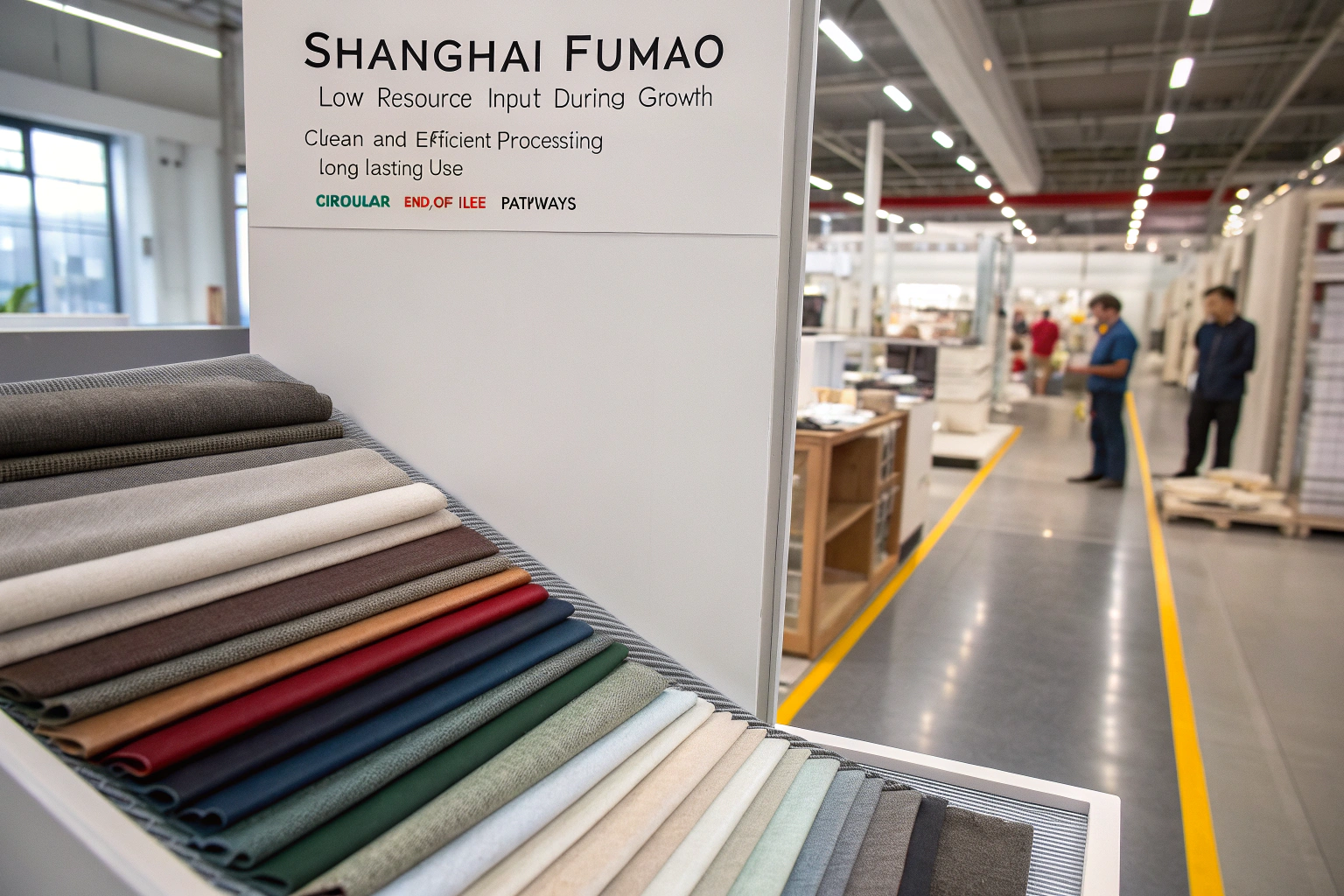
The best fabrics for reducing environmental impact are those that balance low resource input during growth, clean and efficient processing, long-lasting use, and circular end-of-life pathways. At Shanghai Fumao, after two decades of developing fabrics for global brands, we've seen the shift from vague “eco-friendly” claims to rigorous, data-driven material selection. The goal isn't just to be less bad; it's to choose materials that actively regenerate systems.
This guide cuts through the greenwashing. We’ll break down the top-performing fabric categories, not just by fiber origin, but by their real-world impact metrics—water, carbon, chemicals, and circularity. You’ll get a practical framework to make informed choices that align with your brand’s specific sustainability goals and your customers' expectations.
How Do Natural Fibers Like Organic Cotton and Hemp Compare?
When people think “sustainable,” natural fibers often come first. But not all natural fibers are created equal. The environmental impact is decided long before the fiber becomes fabric—it’s in the farming practices, water management, and processing energy. Organic cotton and hemp are champions in this category, but for very different reasons.
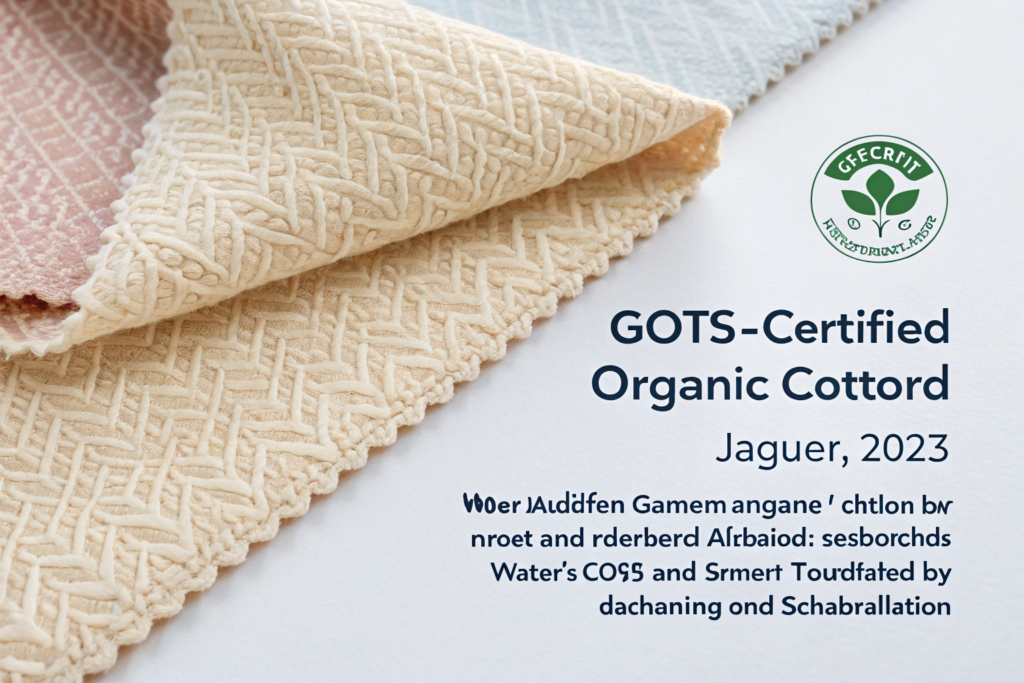
The game-changer for us was developing a GOTS-certified organic cotton jacquard for a German children’s wear brand in 2023. They needed a fabric that was not only safe and soft but also traceable. By using GOTS-certified cotton and dyes, we reduced the projected water pollution load by over 90% compared to conventional cotton processing. But the key insight was pairing it with a durable weave structure to extend the garment's life, proving that sustainability combines responsible sourcing with smart design.
Is Organic Cotton Really the Ultimate Sustainable Choice?
Organic cotton eliminates synthetic pesticides and fertilizers, which is a massive win for soil health and farmer safety. However, it still requires significant water, though typically less than conventional cotton due to healthier soil holding moisture better. The real environmental leverage comes when organic cotton is processed under strict standards like Global Organic Textile Standard (GOTS), which governs the entire wet-processing stage with strict wastewater treatment rules. For a brand, the priority should be sourcing certified organic cotton to ensure integrity. A great starting point is understanding how to verify GOTS certification in your supply chain.
Why Is Hemp Gaining Momentum for Performance and Planet?
Hemp is a powerhouse. It requires minimal water, no pesticides, and it actually enriches the soil it grows in. From a technical perspective, hemp fibers are long and strong, resulting in incredibly durable fabrics that get softer with each wash. The challenge has been in creating fine, soft yarns suitable for apparel beyond just canvas. Recent advancements in enzymatic processing (using biological enzymes instead of harsh chemicals to break down the plant) have revolutionized this. Fabrics like hemp blended with Tencel™ lyocell offer a superb hand-feel, natural antibacterial properties, and a vastly lower water footprint than cotton. For technical details on these innovations, resources like Fashion Revolution's material guide provide excellent comparisons.
What Makes Recycled Polyester and Nylon a Smart Choice?
It seems counterintuitive: using plastic to be sustainable. But recycled synthetics, primarily Recycled Polyester (rPET) and Recycled Nylon, address two critical issues: diverting waste from landfills and oceans, and reducing reliance on virgin petroleum. They are not a perfect, circular solution yet, but they are a crucial step in the right direction, especially for performance wear.
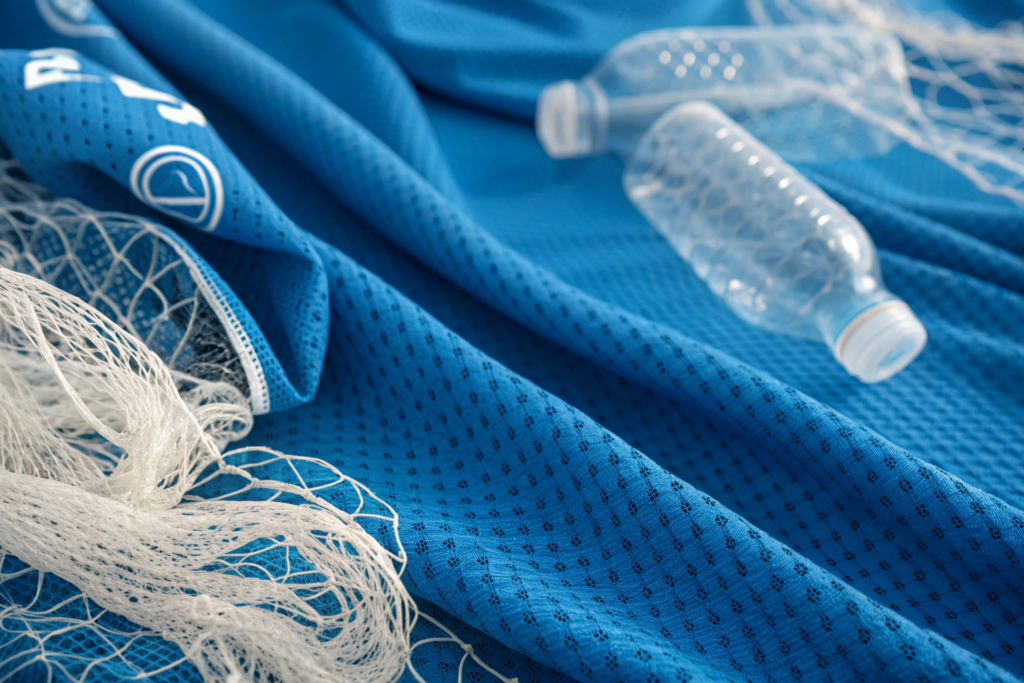
Our most significant project in this area was for a French athletic brand targeting a 2025 circularity goal. They needed a high-performance, moisture-wicking fabric with at least 50% recycled content. We developed a bi-component knit using post-consumer recycled nylon from discarded fishing nets for the outer face and a recycled polyester for the mesh backing. This fabric not only gave them the performance specs they needed but also created a compelling story about cleaning oceans. In bulk, it reduced their carbon footprint for that fabric line by nearly 60% compared to using virgin synthetics.
How Does the Recycling Process Work for These Fabrics?
There are two main sources: 1) Post-Consumer Waste: Like plastic bottles or discarded fishing nets. These are collected, cleaned, shredded into flakes, melted, and re-polymerized into new chip, then spun into fiber. 2) Pre-Consumer Waste: Like fabric scraps from factory cutting rooms. This is often mechanically recycled back into fiber. The gold standard is chemical recycling (for nylon especially), which breaks the plastic down to its base molecules, allowing for infinite recycling without quality loss—but this is still scaling up. When sourcing, ask your supplier for a Recycled Content Standard (RCS) or Global Recycled Standard (GRS) certification to verify claims. To dive deeper into the science, Textile Exchange's reports on recycled polyester are authoritative.
What Are the Limitations and How to Mitigate Them?
The major limitation is microplastic shedding. Recycled polyester still sheds microfibers when washed. The solution is multi-faceted: using longer staple fibers, applying innovative anti-pilling and shedding-resistant finishes during fabric production, and designing garments with constructed seams that reduce abrasion. Furthermore, recycled synthetics don't solve the end-of-life problem unless the garment itself is recyclable. Brands should design for mono-materiality (e.g., 100% recycled polyester, including threads and trim) to facilitate future recycling. Discussions on closing the loop for synthetic apparel often tackle these complex challenges.
Why Are Tencel™ Lyocell and Modal Considered Best-in-Class?
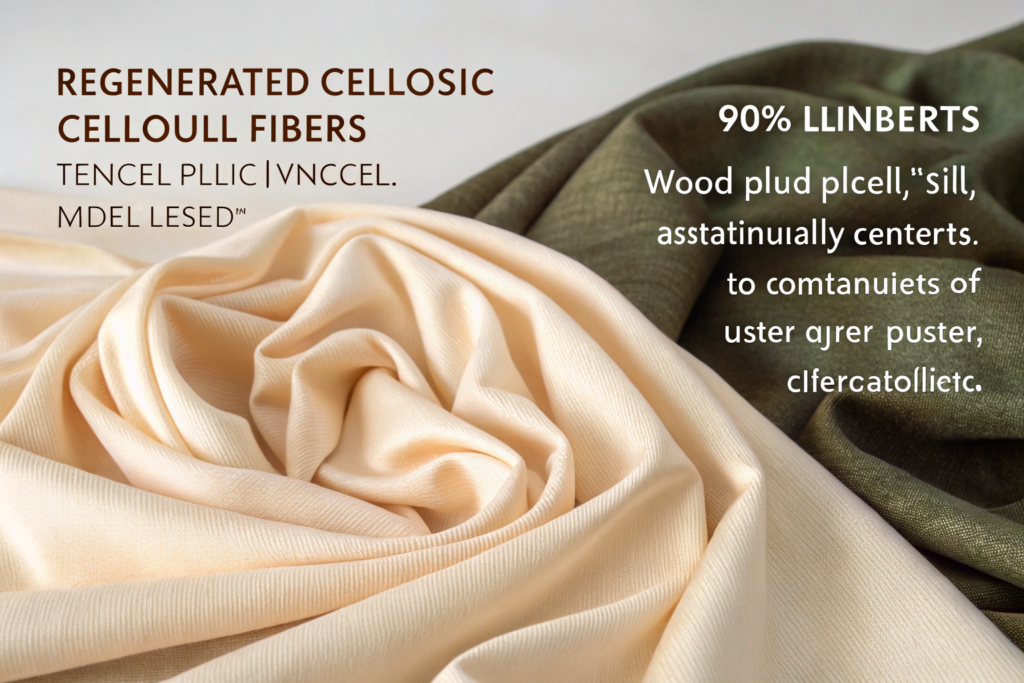
Regenerated cellulosic fibers like Tencel™ Lyocell and Modal are made from wood pulp, usually from sustainably managed forests. They bridge the gap between natural and synthetic, offering the drape and feel of silk or fine cotton with a closed-loop manufacturing process that recovers and reuses over 99% of solvents. This makes them a favorite for designers who want luxury and ethics.
We've worked extensively with Lenzing's Tencel™ fibers. A standout case was developing a Tencel™ Lyocell blended with Refibra™ technology for a Scandinavian minimalist brand. The Refibra™ process incorporates cotton scraps from garment production back into the wood pulp. The resulting fabric had a beautiful, fluid drape, excellent color vibrancy with less dye, and a compelling story of upcycling waste. The brand’s customer engagement on this material story was 40% higher than their average campaign.
What’s the Difference Between Lyocell and Modal, and How Are They Made?
Both start with wood pulp. Modal is made using a modified viscose process, which is improving but historically used more chemicals. Modern Modal production, especially from Lenzing, now uses highly efficient recovery systems. It results in an incredibly soft, silky fiber that's stronger when wet than cotton. Lyocell (branded as Tencel™) uses a non-toxic organic solvent in a closed-loop system where the solvent is continuously recycled. It’s arguably the most environmentally benign process for a manufactured fiber. The fiber is exceptionally strong, has great moisture management, and can be engineered to create different textures, from smooth to peach-skin (like our popular Tencel™ peach skin fabric). Understanding these processes helps in making informed choices; the Lenzing website offers transparent data on their environmental footprint.
How Do These Fibers Perform in Blends for Enhanced Sustainability?
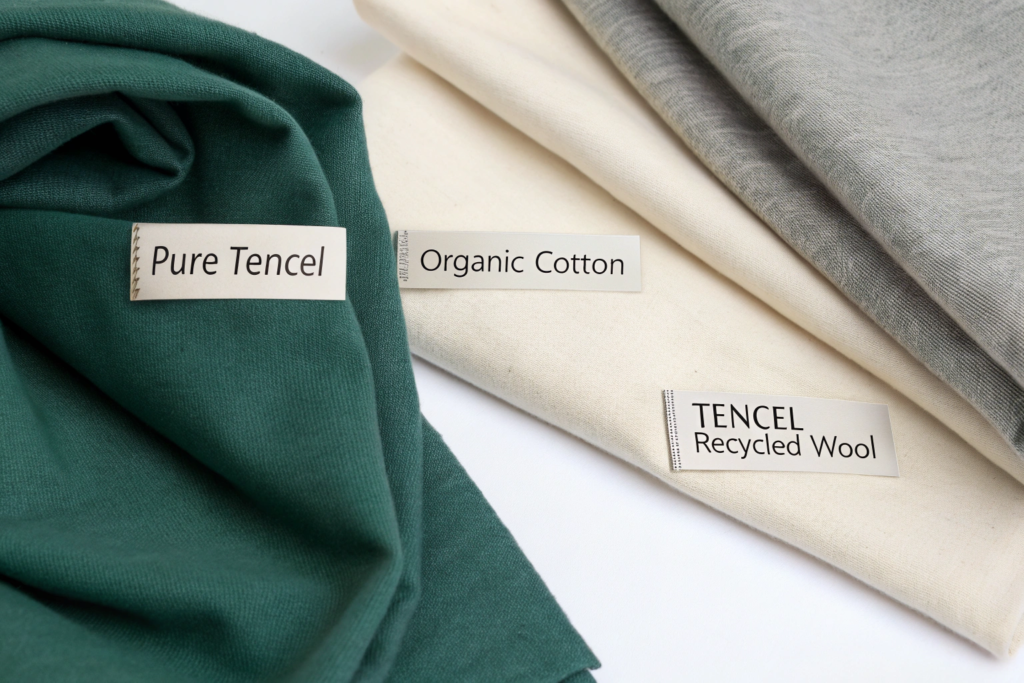
Pure Tencel™ or Modal is excellent, but strategic blending can amplify benefits. Blending Tencel™ with organic cotton creates a fabric that is cool, breathable, and stronger than cotton alone, reducing pilling and extending lifespan. Blending it with recycled wool adds warmth and bounce while reducing the overall weight and land-use impact of the wool component. The key is to blend with intention—each fiber should complement the other's sustainable properties, not dilute them. For example, blending with a small percentage of responsible merino wool for elasticity is better than using virgin elastane. Industry analyses on optimal sustainable fabric blends can guide these decisions.
What About Innovative Materials: Are They Ready for Mainstream Use?
Beyond the established players, a new wave of innovative materials is emerging. These include fabrics made from agricultural waste (like pineapple leaves, mushroom mycelium) and next-generation bio-based synthetics. They are exciting because they explore entirely new resource streams, but their scalability, cost, and technical performance for mainstream fashion are still being proven.
We actively experiment with these materials in our R&D center. In 2024, we partnered with a material science startup to create a prototype fabric using orange peel fiber blended with our BAMSILK. The result was a leather-like material with a unique scent and biodegradable properties. While not yet cost-effective for bulk orders, this work keeps us and our clients at the forefront. The real value for most brands right now is in carefully selected, small capsule collections to test consumer response and build a forward-thinking brand image.
Which Innovative Materials Show the Most Promise for Scaling?
A few are moving beyond the lab:
- Piñatex (Pineapple Leaf Fiber): A leather alternative already used in accessories and footwear. It utilizes waste from pineapple harvests.
- Mycelium Leather (e.g., Mylo): Grown from mushroom roots in a lab, it can be engineered to specific thicknesses and textures with a very low land and water footprint.
- Qmonos (Spider Silk-inspired): Bio-engineered protein fibers offering high strength and biodegradability.
The challenge is scaling production to meet fashion's volume demands while bringing costs down. For brands, the strategy is to engage with suppliers who have access to these innovation pipelines, like Shanghai Fumao, for early adoption opportunities.
How Can a Brand Responsibly Integrate These New Materials?
Start small and be transparent. Use them for a signature accessory or a limited-edition line. Be upfront with customers about the developmental stage of the material—its benefits and its current limitations regarding durability or care. This honesty builds trust. Crucially, conduct a full lifecycle assessment (LCA) even on a small scale to understand its true impact compared to conventional options. Resources like the Material Innovation Initiative provide valuable reports on the readiness of these new materials.
Conclusion
Reducing environmental impact through fabric choice is a complex but manageable journey. It moves from selecting established, certified workhorses like organic cotton and recycled polyester, to incorporating best-in-class options like Tencel™, and finally to experimenting with groundbreaking innovations. The most sustainable fabric is ultimately the one that is made responsibly, designed to last, and cared for properly, keeping it in use for as long as possible.
There is no silver bullet, but there is a clear path: prioritize transparency, demand certifications, and think in terms of the entire lifecycle. Your fabric supplier should be a partner in this journey, providing not just the material but the data and expertise to back up your claims.
Ready to translate sustainable intent into tangible, beautiful, and responsible fabrics for your next collection? Let’s collaborate to select and develop the perfect low-impact materials for your brand. Contact our Business Director, Elaine, at elaine@fumaoclothing.com to start a conversation with Shanghai Fumao.