Struggling with interference in quantum systems? You’re not alone. I’ve faced the same hurdles—shielding qubits against electromagnetic noise is crucial to unlock their full potential.
In short, flexible fabrics with conductive and magnetic nanomaterials—like MXenes, carbon nanotubes, and coated cotton composites—stand out as top choices. These combine lightweight, drapable form with excellent shielding performance.
Let me walk you through why these materials matter and how they can support the future of quantum computing.
How do cotton-based shield fabrics work?
Could everyday materials like cotton form the basis of advanced shielding layers? Absolutely—when engineered cleverly.
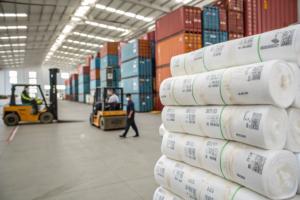
Cotton fabrics enhanced with conductive coatings or ferrite nanoparticles can yield high EMI protection while remaining breathable and lightweight. These composites excel in both shielding and thermal functions.(tlr-journal.com, link.springer.com)
What about liquid-metal and CNT coatings?
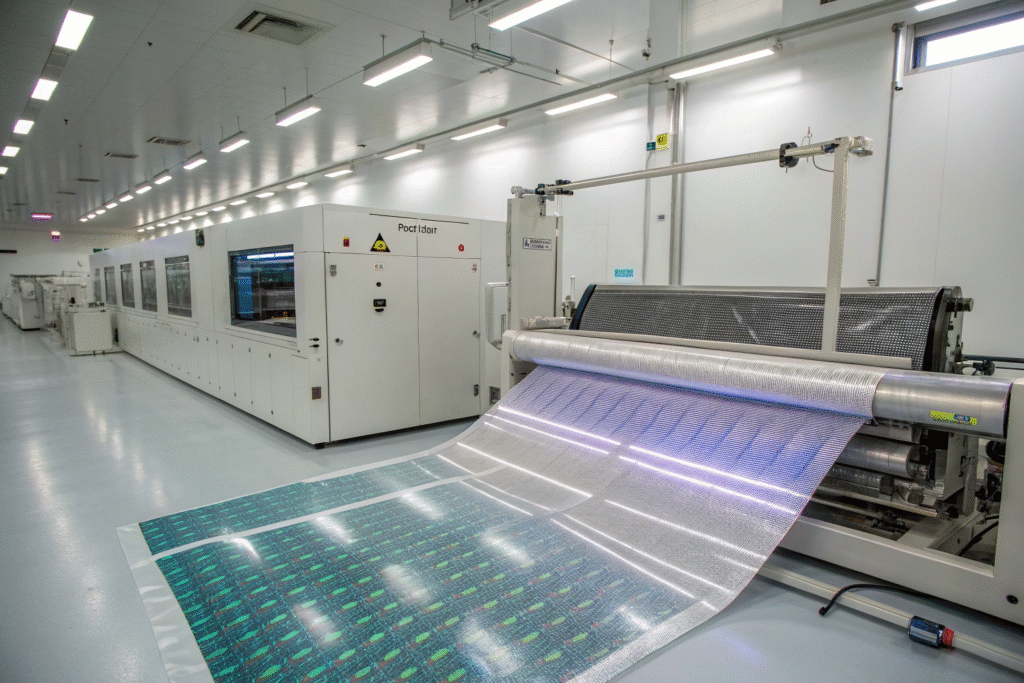
Sprayed liquid metal plus CNT on cotton offers superb conductivity and shielding (~85 dB across the X-band), along with strong heat management. The coatings are scalable and recyclable too.(link.springer.com)
How do ferrite-decorated, carbonized cotton textiles compare?
These use EM simulations and ferrite additions to carbonized cotton achieving ~60 dB shielding while also enabling thermal control and water resistance.(link.springer.com)
Which textiles can deliver reliable EMI shielding?
Ever tried using fabrics to protect ultra-sensitive quantum circuits from harmful signals? It’s a real challenge—but also a huge opportunity.
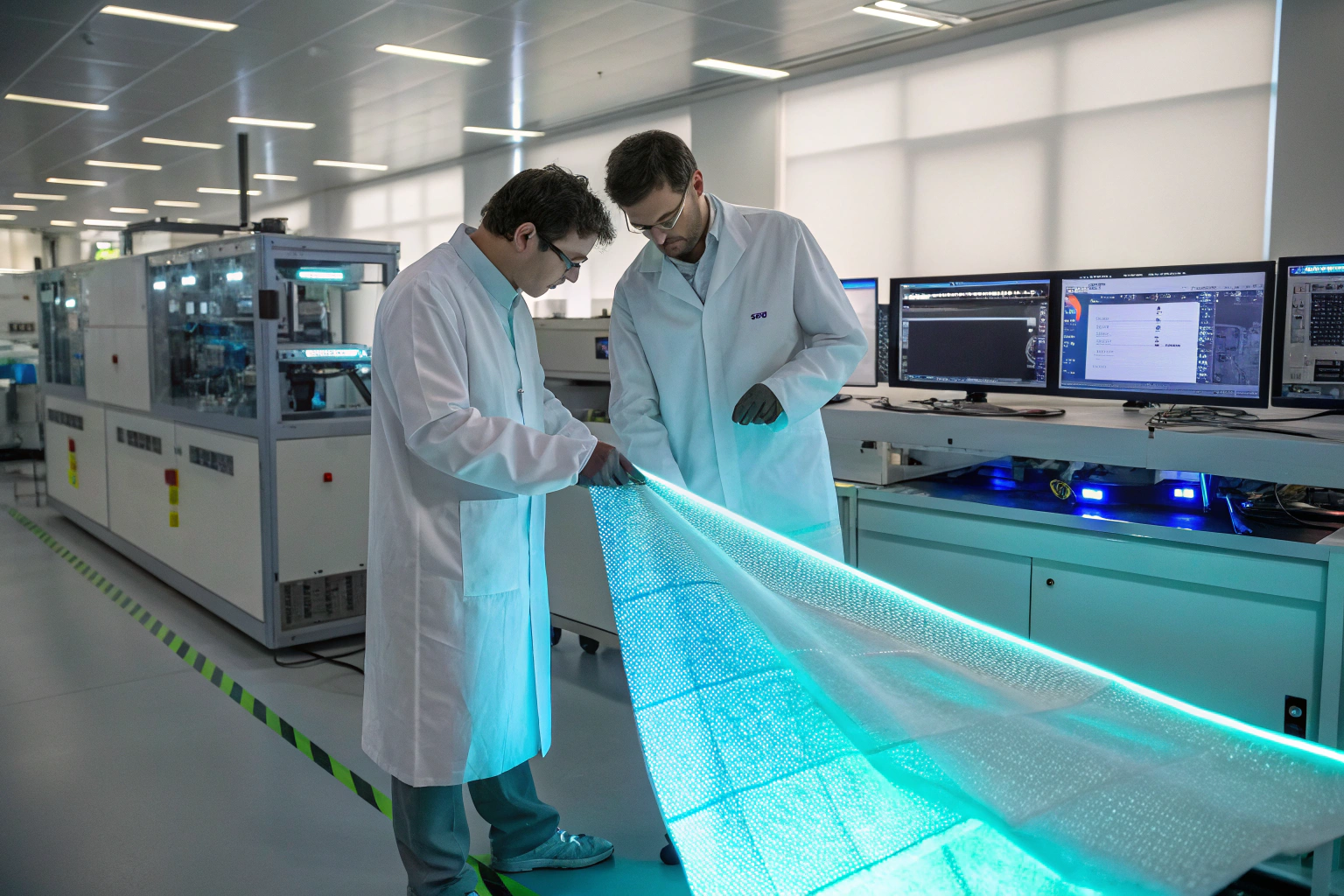
Flexible fabrics coated or woven with conductive nanomaterials like MXenes, carbon, or metallic fibers can block or absorb electromagnetic interference effectively. They offer shielding that balances performance, lightness, and form factor—perfect for wrapping delicate systems.(mdpi.com, hsbi.de)
What makes MXene-based textiles special?
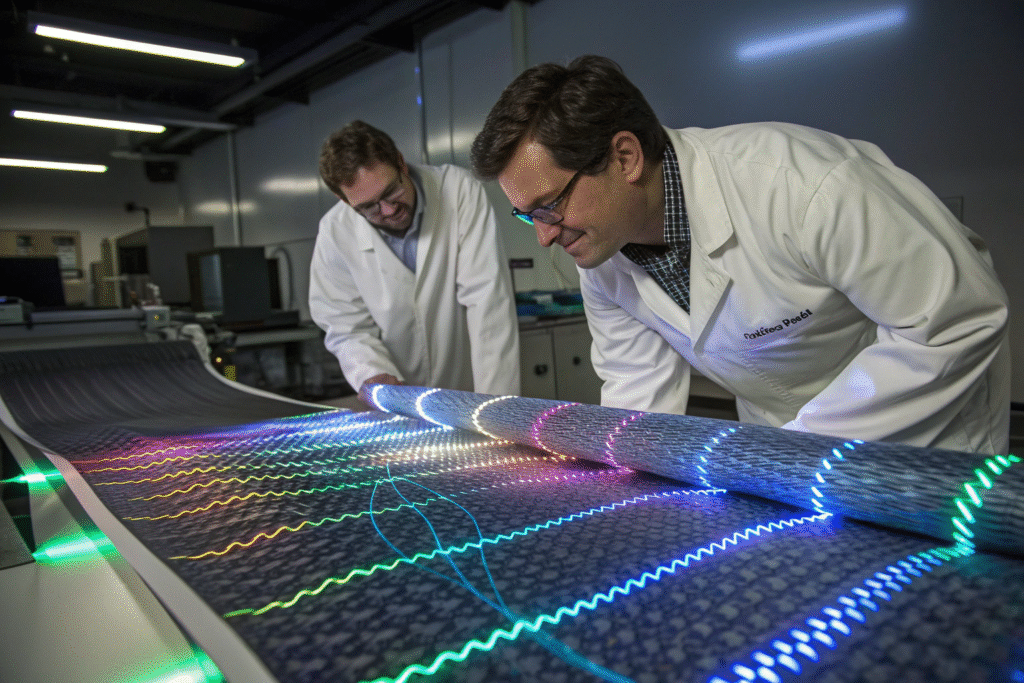
MXenes are 2D transition metal carbides or nitrides. These fabrics show high electrical conductivity and strong EMI shielding, especially in high-frequency ranges.(mdpi.com)
Why carbon nanotube (CNT) fabrics excel
Knitted CNT fabrics offer ultralow weight and strong shielding (up to 111 dB with multiple layers), while remaining flexible and durable under bending or washing.(x-mol.com, link.springer.com)
Can conductive fibers and coatings substitute for rigid metal shields?
You might wonder if flexible fabrics can match the shielding of bulky metal shells. It’s surprising—but yes, they come close in performance.
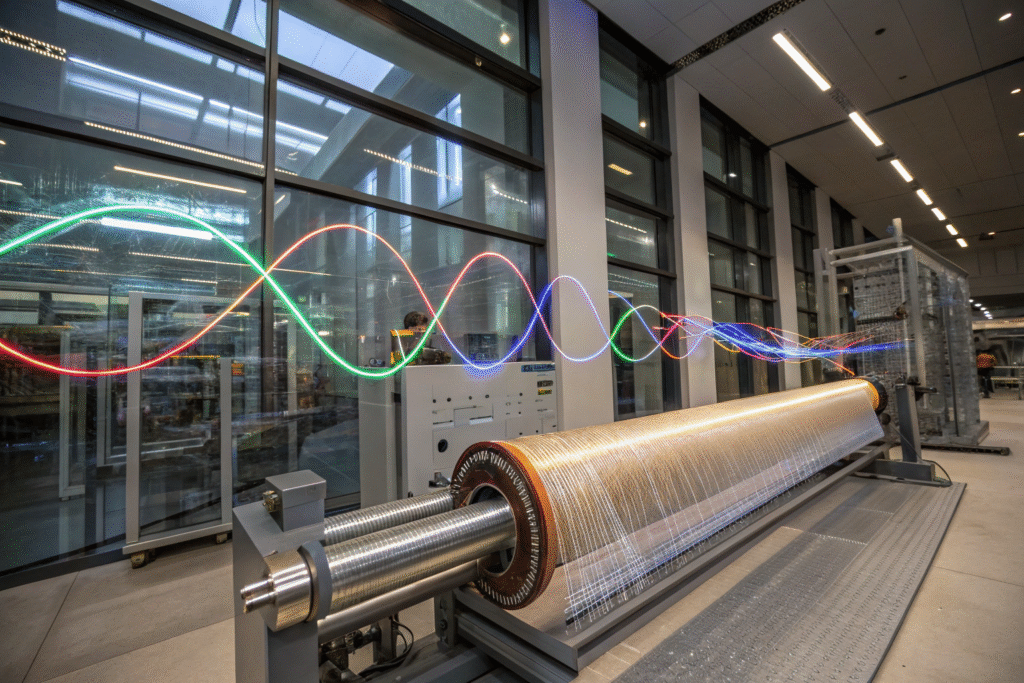
Conductive textiles use metal threads, nanomaterials like graphene or CNT, or conductive polymers. They can perform shield functions with higher flexibility and lighter weight compared to rigid metal.(en.wikipedia.org, mdpi.com)
Which conductive fibers are most effective?
Woven with conductive wires—like silver-coated yarn—or doped by conductive polymers like PEDOT, or carbon/metal powders, these offer good shielding with added mechanical flexibility.(en.wikipedia.org)
Are coatings a feasible alternative?
Yes. Fabrics with conductive coatings or metal plating—like nano-silver, graphene, or CNT layers—boost shielding, especially in high-frequency settings (like 5G or beyond).(tlr-journal.com, hsbi.de)
What fabrics best suit quantum environments specifically?
Quantum systems demand shielding against electromagnetic and infrared (IR) noise. Typical labs use metals—but can fabrics step in?
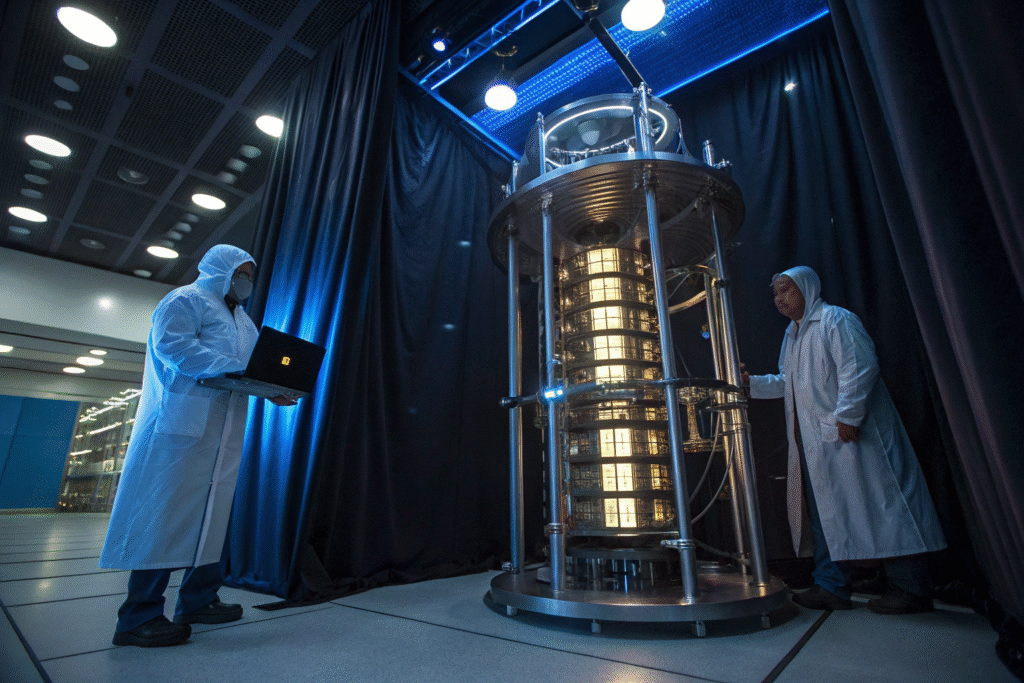
While rigid magnetic alloys (like mu-metal) and IR-absorbing coatings (like graphite composites) are common, flexible textile solutions are emerging as complementary shields in layered designs.(arxiv.org, en.wikipedia.org, eemc.nl)
What are the established rigid shields?
Mu-metal and other high-permeability alloys remain widely used for static magnetic fields. Still, at cryogenic temperatures, specialized alloys like Cryophy perform far better.(en.wikipedia.org, eemc.nl)
How about IR-absorbing coatings like Vantablack?
Vantablack coating provides robust IR absorption and reduces microwave resonator loss in superconducting qubit setups—though it may increase effective temperature slightly.(arxiv.org)
Conclusion
In my work, I've seen that textile-based shielding—especially with MXenes, carbon nanotubes, or coated cotton composites—holds real promise for designing flexible and effective quantum-grade shields. They enable lighter, layered protection strategies, particularly when paired with rigid magnetic or IR shields.
As quantum tech scales up, I expect hybrid solutions combining flexible fabrics and engineered metal layers to become mainstream.
If you'd like to explore how I can help develop custom shielding fabrics—for integration into your quantum systems' enclosures, cryostats, or cable wraps—feel free to reach out. I’d be happy to collaborate.