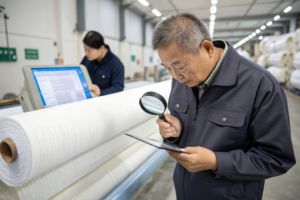
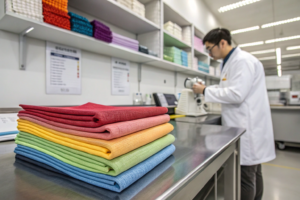
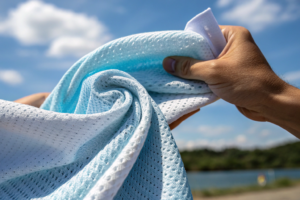
Neutral buoyancy simulation is one of the most reliable methods to mimic weightlessness on Earth. It is widely used in astronaut training, underwater robotics, and deep-sea research. Yet choosing the right fabric for suits, equipment covers, or training gear remains a complex challenge. Traditional textiles absorb water, compress under pressure, or create drag, all of which distort buoyancy balance. For buyers, engineers, and researchers, the main question is: which fabrics deliver stability, flexibility, and durability in neutral buoyancy conditions?
The best fabrics for neutral buoyancy simulation combine closed-cell structures, low water absorption, compressive stability, and smooth hydrodynamics. Materials like foamed neoprene, membrane laminates, and reinforced hybrid composites have become standards in training facilities and industrial test pools. Their ability to resist saturation and maintain buoyancy makes them the optimal choice for demanding underwater environments.
This article explores the essential fabric properties, leading material systems, sourcing strategies, and technical evaluation methods.
What Fabric Properties Are Essential for Neutral Buoyancy?
Neutral buoyancy requires precise control of density and water interaction. Every property of the fabric affects the simulation outcome.
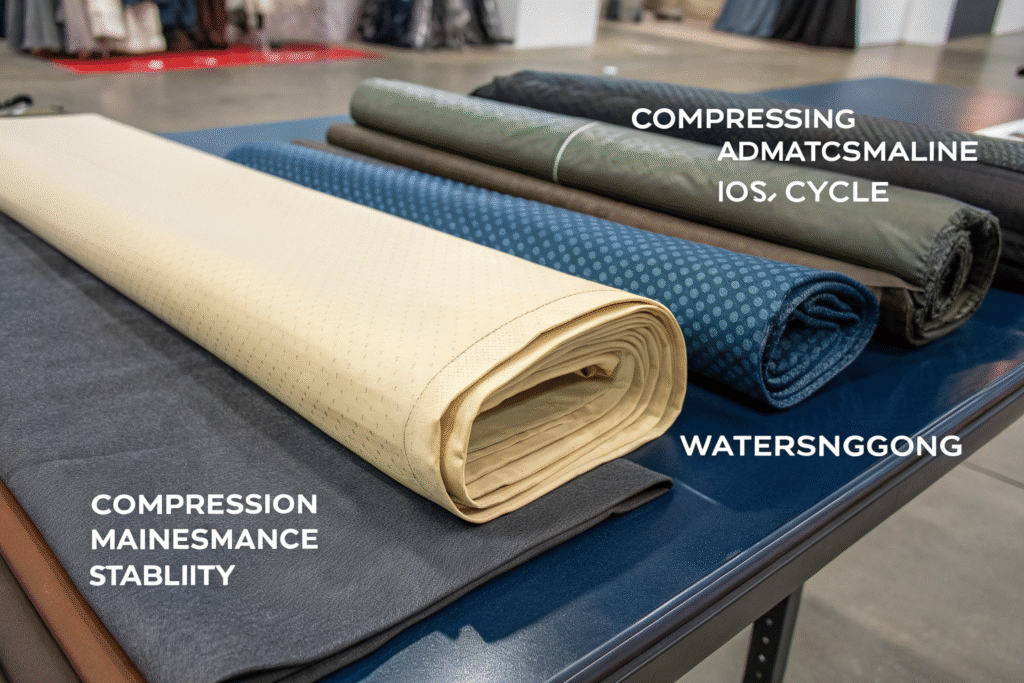
Fabrics must resist compression, avoid waterlogging, and maintain stability through repeated cycles of immersion and drying.
Critical Requirements
- Low Water Absorption: Prevents unpredictable weight gain during immersion.
- Closed-Cell Foam Structure: Ensures buoyant lift remains stable under pressure.
- Flexibility and Stretch: Allows full motion for astronaut and diver tasks.
- Abrasion Resistance: Withstands mechanical stress against training hardware.
- Surface Smoothness: Reduces drag, enabling natural underwater movement.
These requirements separate specialized neutral buoyancy fabrics from generic synthetics, which often compromise on at least one factor.
Why They Matter
Without these properties, simulations lose realism. Fabric that absorbs water or collapses under depth forces trainees to overcompensate, undermining the authenticity of neutral buoyancy training.
Which Fabrics Are Best for Neutral Buoyancy?
Several advanced textile systems dominate current practice. Each offers unique benefits for buoyancy stability and user comfort.
Foamed neoprene remains the industry standard, while trilaminate shells and hybrid composites address durability and weight concerns.
Leading Fabric Options
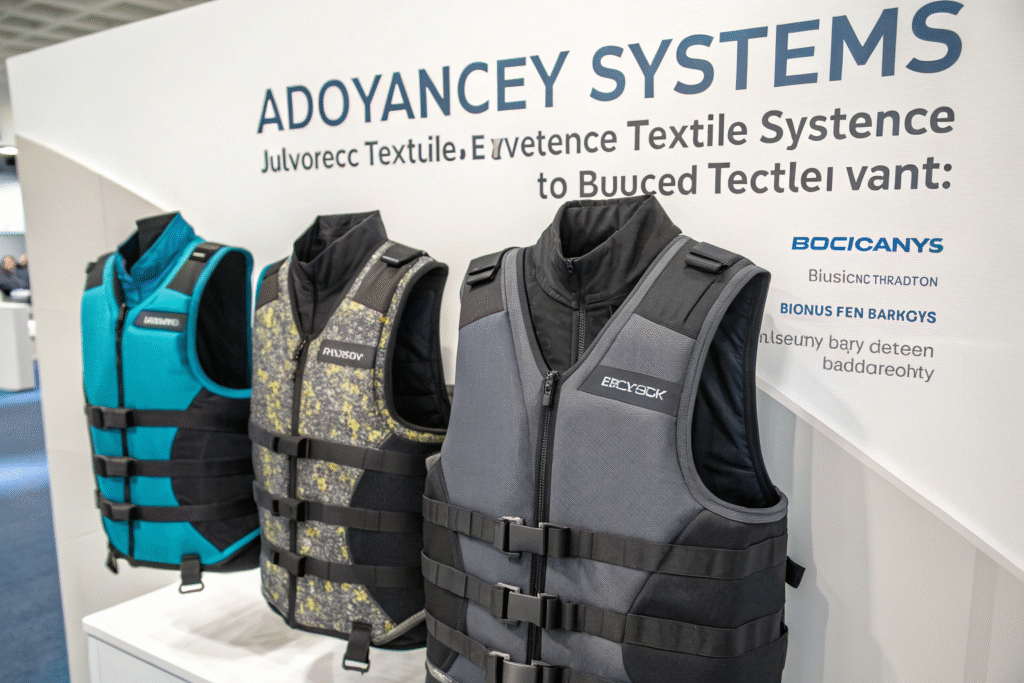
- Foamed Neoprene: Provides excellent buoyancy and insulation. Widely used in wetsuits and astronaut training gear (JB Neoprene).
- Membrane Shell Laminates: Nylon or Cordura coated with PU or trilaminate structures, minimizing water absorption (Wikipedia: Drysuit).
- Hybrid Composites: Neoprene combined with reinforced nylon panels for abrasion resistance and structural integrity.
- Reinforced Nylon Webbing: Applied in harnesses and load-bearing equipment in underwater labs.
Matching Applications
- Astronaut Training Pools: Medium-thickness neoprene with spandex facings for mobility.
- Robotics Testing: Trilaminate shells with low drag.
- Long-Duration Underwater Work: Hybrid systems balancing buoyancy and durability.
How to Source Fabrics for Neutral Buoyancy?
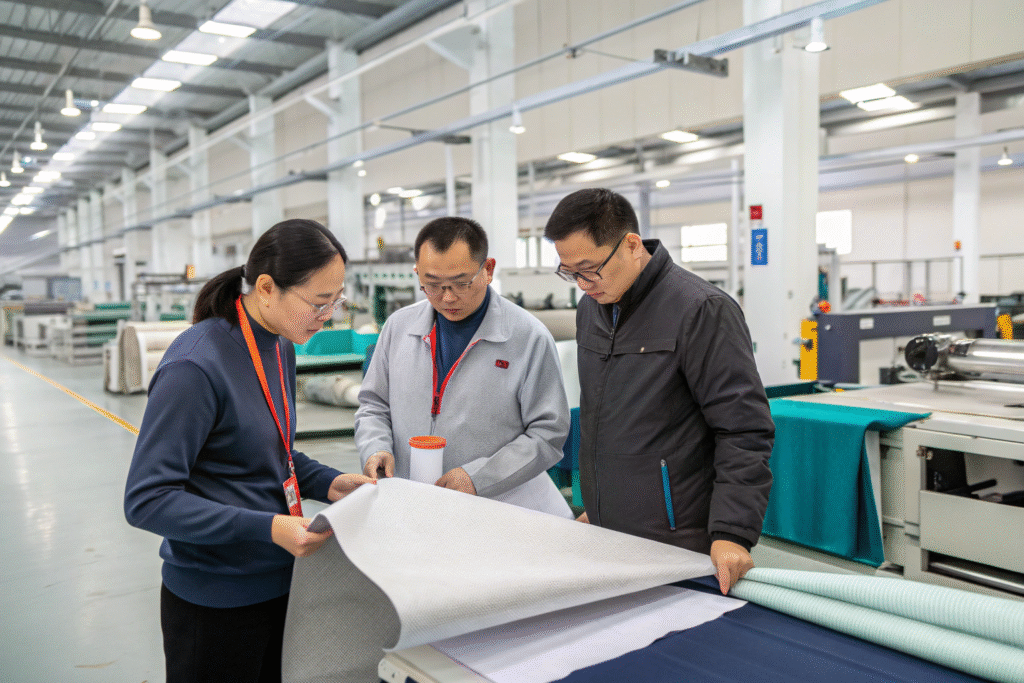
Sourcing requires collaboration with technical textile producers, neoprene specialists, and coating innovators.
Buyers should prioritize suppliers offering certified buoyancy, compression, and durability data.
Supplier Types
- Neoprene Mills: Produce foamed neoprene in varying thicknesses and densities.
- Functional Textile Manufacturers: Provide PU-coated nylon and trilaminate fabrics for drysuits.
- Composite Specialists: Offer multi-layer hybrids with reinforced panels.
Example Sources
- Yamamoto Neoprene for premium foamed neoprene.
- Ursuit for advanced trilaminate suits and fabrics.
Buyer Checklist
- Ask for buoyancy retention under compression tests.
- Request hydrostatic resistance and seam integrity reports.
- Evaluate chlorine and abrasion resistance for pool durability.
Only suppliers with proven lab test data should be trusted for mission-critical neutral buoyancy textiles.
What Challenges Do These Fabrics Face?
Even the best fabrics must overcome limitations under depth and repeated use.
Compression, water saturation, and thermal management are the main technical hurdles.
Common Problems
- Compression at Depth: Neoprene loses buoyancy as pressure increases.
- Water Saturation: Non-coated fabrics absorb water, increasing weight.
- Heat Loss: Water strips body heat, demanding insulating layers.
- Seam Weakness: Poor sealing causes leaks and instability.
Solutions in Practice
- Compression-resistant foams with smaller cell structures.
- Hydrophobic coatings and taped seams.
- Layered hybrids balancing thermal needs with buoyancy control.
- Pre-testing under operational depth conditions, not only in labs.
These measures ensure fabrics perform reliably in repeated training cycles.
Conclusion
Neutral buoyancy simulations depend on fabrics that provide buoyant stability, mechanical durability, and comfort. Foamed neoprene, membrane shell laminates, and hybrid composites represent the best options available today. Their adoption in astronaut training, robotics testing, and deep-sea prototyping demonstrates their versatility.
For Shanghai Fumao, the opportunity lies in developing these specialized systems. By combining foaming technology, coated synthetics, and hybrid reinforcements, we can deliver fabrics that meet the precise needs of neutral buoyancy facilities.
If you are sourcing or developing fabrics for neutral buoyancy environments, contact our Business Director Elaine at elaine@fumaoclothing.com. Together, we can engineer materials that bring accuracy, safety, and durability to every underwater simulation.