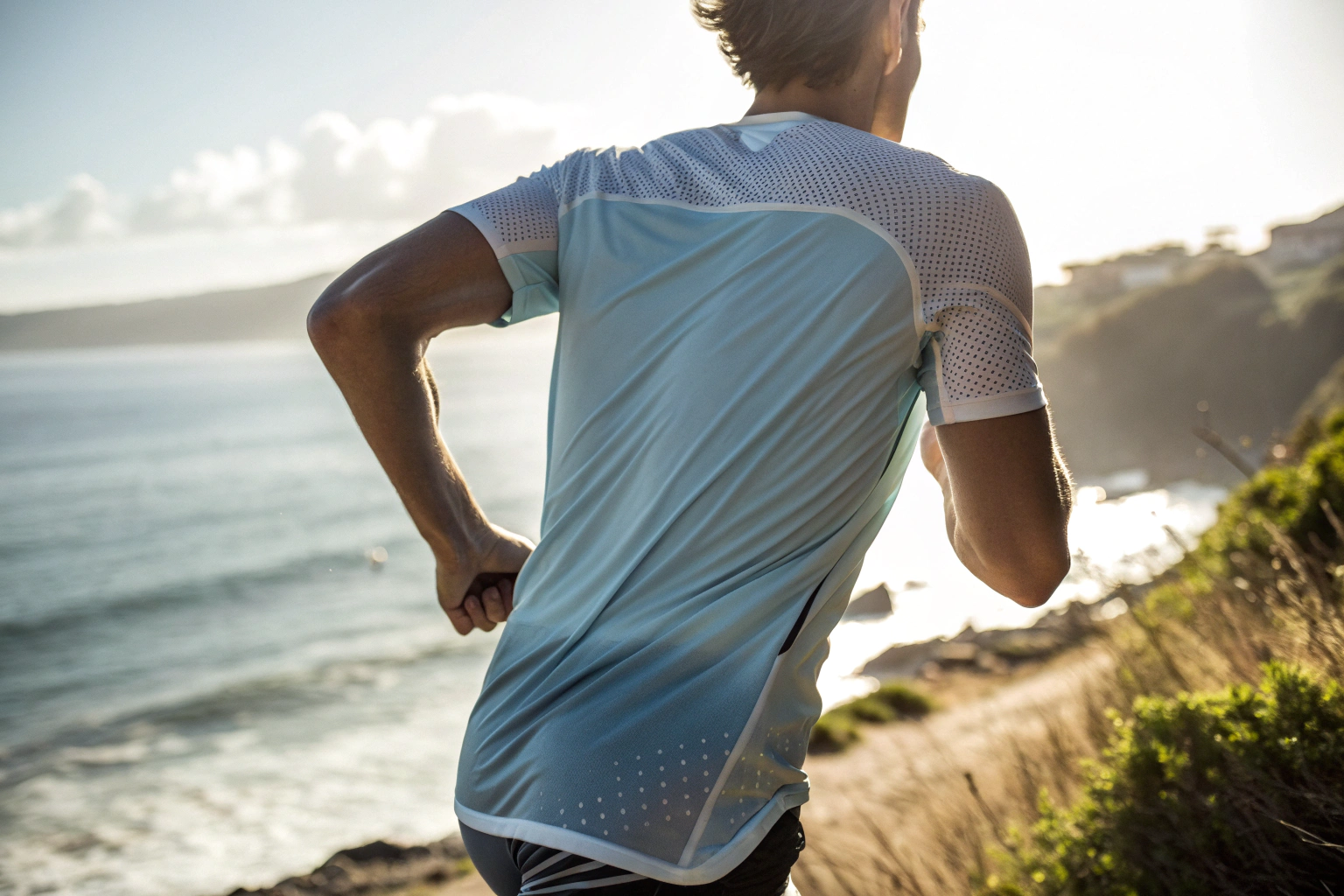
You finish a run, step off the tennis court, or simply walk across a humid city, and your shirt is soaked. It clings to your skin, feels heavy, and leaves you uncomfortable for hours. The problem isn't the heat alone; it is your fabric. Traditional fibers like cotton absorb sweat like a towel, trapping moisture against your body and drying at a glacial pace. For athletes, outdoor enthusiasts, and anyone living an active life, this is more than discomfort—it can lead to chafing, odor, and dangerous overheating.
The best fabrics for moisture-wicking and quick-dry performance are polyester, nylon, and merino wool, each engineered or structured to move sweat away from the skin and release it rapidly into the air. High-performance versions of these fibers—such as recycled polyester, nylon-spandex blends, and fine-gauge merino—offer the ideal balance of moisture management, comfort, and durability. Specialty fabrics like Tencel and treated cotton blends provide partial benefits for lighter activity.
Understanding exactly how these fabrics work, and which to choose for your specific activity, will transform your comfort and performance.
What Makes a Fabric Moisture-Wicking and Quick-Drying?
Before selecting a fabric, you must understand the physical mechanisms that separate high-performance textiles from conventional ones. These are not marketing terms; they are measurable scientific properties.
How Do Hydrophobic and Hydrophilic Fibers Differ?
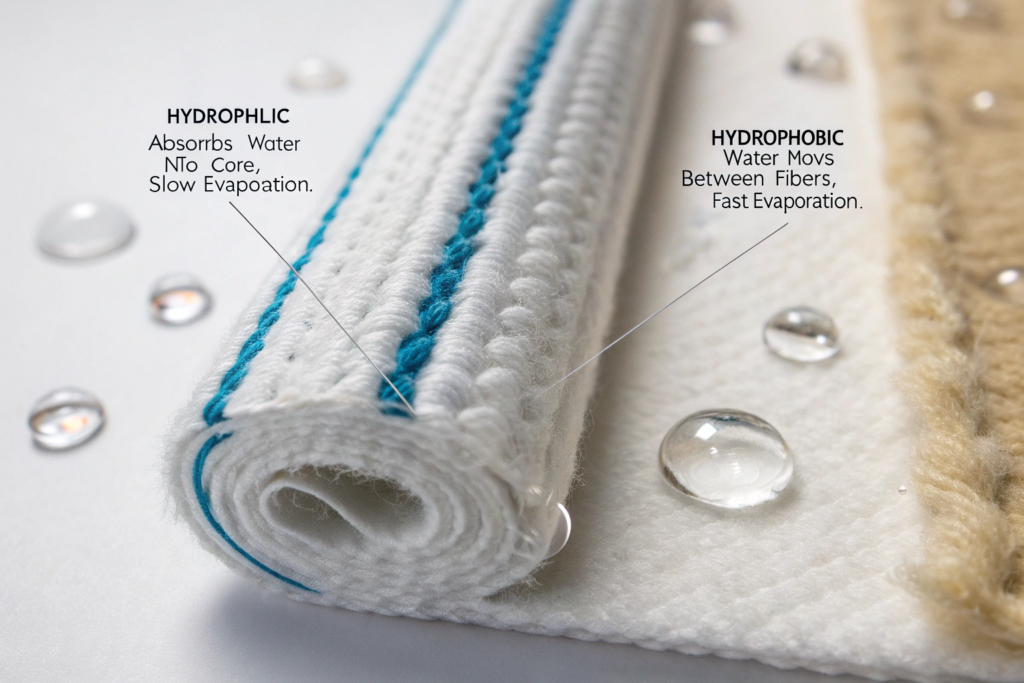
The fundamental distinction is between hydrophobic (water-fearing) and hydrophilic (water-loving) fibers. Hydrophobic fibers—primarily polyester and nylon—do not absorb water molecules into their internal structure. Instead, moisture remains on the surface of the fiber, where it spreads out thinly and evaporates quickly. This is moisture-wicking. The fabric pulls liquid sweat from your skin through capillary action (the same way a paper towel pulls water) and spreads it across a large surface area for rapid drying. Hydrophilic fibers—cotton, rayon, linen, and wool—absorb water into the fiber itself. The fiber swells, dries slowly, and holds moisture against your skin. Merino wool is a unique exception; it is hydrophilic but fine fibers and special constructions can still achieve good drying performance.
What Role Does Fabric Structure Play in Drying Speed?
Fiber type is half the equation. Fabric construction is the other half. A polyester mesh or pique knit with thousands of tiny gaps will dry faster than a dense polyester jersey because more fiber surface is exposed to air. Textured yarns, microfiber filaments, and channeled fibers (like polyester fibers with a four-channel cross-section) increase surface area dramatically, accelerating wicking and evaporation. When evaluating quick-dry claims, look for open weaves, ventilation panels, and thin, lightweight fabric weights (measured in GSM). Heavy fabrics, even in polyester, take longer to dry.
What Are the Top-Performing Moisture-Wicking Fabrics?
Each high-performance fabric has distinct strengths. Your choice should align with your specific activity, climate, and sensitivity to factors like odor or texture.
Why Is Polyester the Industry Standard for Performance?
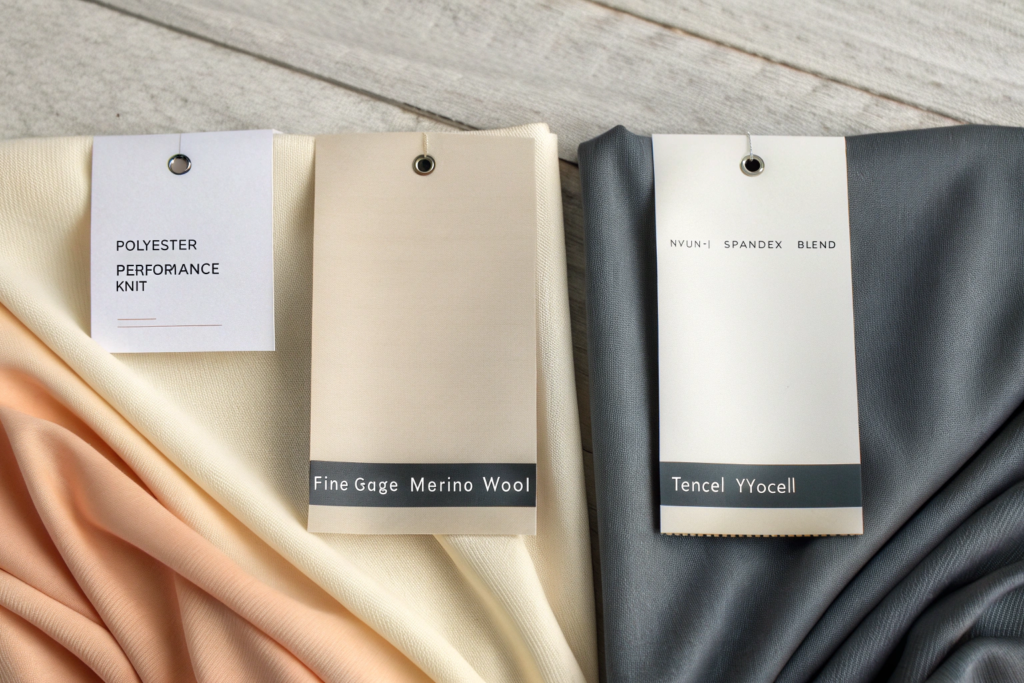
Polyester dominates the activewear market for one primary reason: it is consistently hydrophobic, lightweight, and inexpensive. Modern polyester is not your father's shiny, plastic-feeling fabric. Microfiber polyester (fibers thinner than 1 denier) creates a soft, cotton-like hand feel while maintaining superior wicking. Recycled polyester, made from PET plastic bottles, offers identical performance with sustainability benefits. Brands like Nike Dri-FIT, Adidas ClimaCool, and Under Armour HeatGear are all proprietary polyester-based technologies. Polyester's main weakness is odor retention. Its oleophilic nature attracts body oils, and bacteria thrive in its fiber structure, leading to persistent smell. Solutions include permanent odor-control treatments (silver ions, Polygiene) or accepting that polyester requires enzymatic sport washes.
When Should You Choose Nylon Over Polyester?
Nylon is also hydrophobic and wicks effectively, but its superpower is durability and softness. Nylon fibers are stronger and more flexible than polyester, making them ideal for high-abrasion activities like hiking, climbing, or cycling. Nylon-spandex blends (typically 80-90% nylon, 10-20% spandex) provide exceptional four-way stretch and recovery, creating leggings, bike shorts, and base layers that move with the body without sagging. Nylon also has a naturally softer, silkier hand feel than polyester. However, nylon absorbs slightly more water than polyester and can take marginally longer to dry. For activities demanding stretch and toughness over absolute fastest dry time, nylon is superior.
Is Merino Wool Worth the Investment for Warm-Weather Activity?
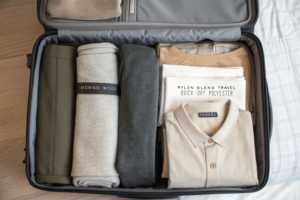
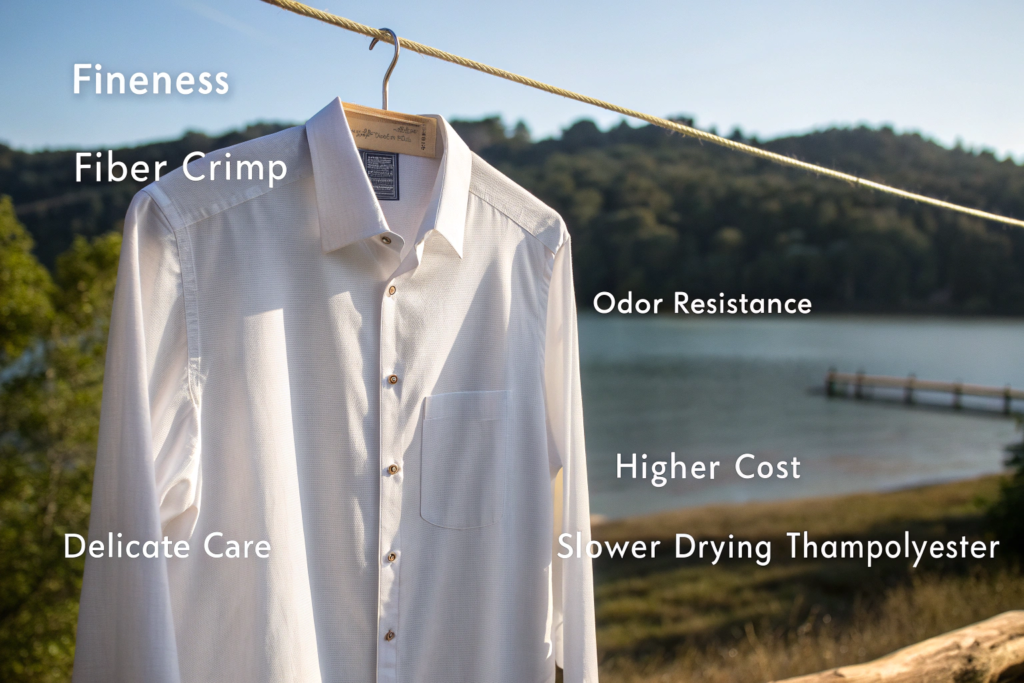
Yes, for specific use cases. Merino wool is hydrophilic—it absorbs water into the fiber—yet it still performs admirably for moisture management because of two factors. First, fineness: high-quality merino (under 18.5 microns) is so thin that moisture moves through it readily. Second, fiber crimp: wool's natural crimp creates tiny air pockets that facilitate evaporation. Where merino truly dominates is odor resistance. It absorbs and traps odor-causing bacteria within the fiber structure, releasing them only during washing. A merino shirt can be worn for days of hiking without smell—impossible with polyester. For multi-day travel, backcountry trips, or anyone sensitive to synthetic textures, merino is unmatched. The trade-offs are higher cost, delicate care requirements, and slower drying than polyester (though still significantly faster than cotton).
Where Do Tencel, Rayon, and Treated Cotton Fit?
These are hybrid performers. Tencel lyocell is hydrophilic but its smooth, flat fiber surface creates excellent capillary action. It feels cool against the skin, dries moderately fast, and drapes beautifully. It is ideal for yoga, casual wear, and urban travel rather than high-intensity sports. Treated cotton (often branded as Cotton Activate or Storm Cotton) has been chemically modified to shed water. It performs better than pure cotton but cannot match synthetics. Use these fabrics for lifestyle activewear, not for marathon running or CrossFit.
How Do You Select the Right Fabric for Your Specific Activity?
The "best" fabric is entirely context-dependent. Matching fiber properties to activity demands ensures you receive real performance benefits.
What Fabric Is Best for High-Intensity Sports (Running, HIIT, Cycling)?
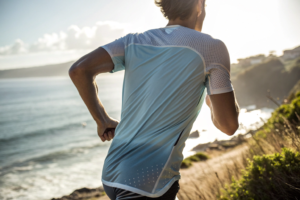
For activities where you will sweat profusely and need maximum evaporation speed, choose lightweight polyester mesh (80-120 GSM) with an open knit structure. Look for features like laser-cut perforations, mesh panels, or jersey pique. Avoid cotton-blend activewear marketed as "soft"; the cotton content compromises drying speed. For cycling and spinning, consider nylon-spandex for shorts and jerseys; the stretch and abrasion resistance are essential for hours in the saddle.
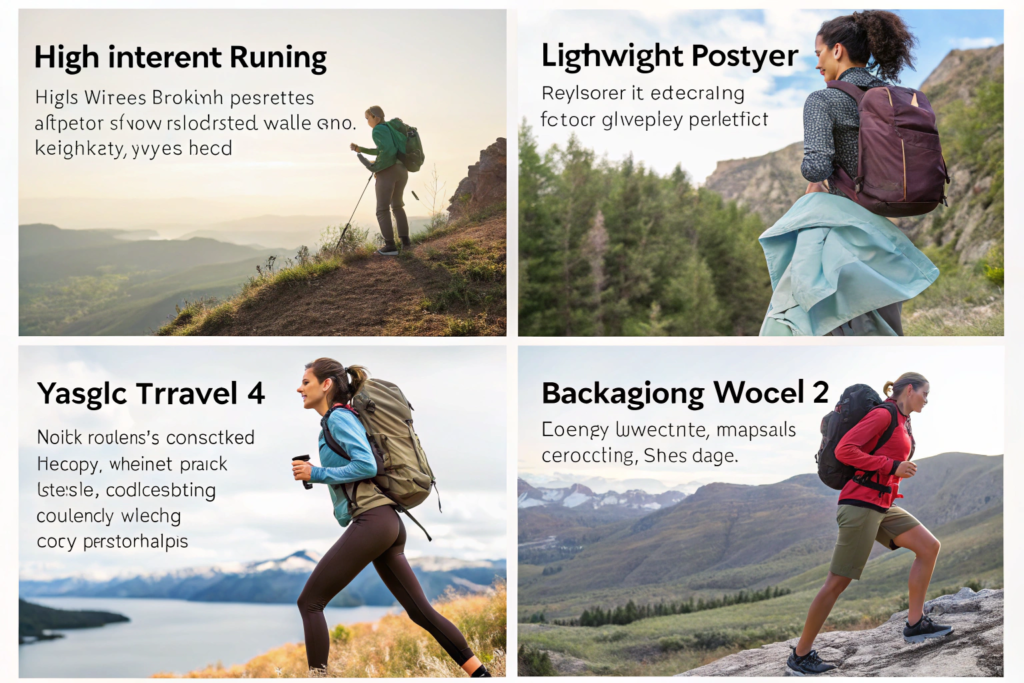
What Fabric Works for Extended Outdoor Adventures (Hiking, Camping)?
Prioritize odor resistance and durability over absolute dry speed. Merino wool or merino-nylon blends (typically 50-80% merino, 20-50% nylon) are the gold standard. The nylon adds strength and accelerates drying without sacrificing significant odor control. For hiking pants, nylon-spandex woven fabrics (sometimes called "softshell") provide stretch, water resistance, and quick-dry performance.
What Fabric Is Suitable for Everyday Warm-Weather Wear?
If you are not exercising but simply want to stay cool and dry walking around a humid city, Tencel, treated cotton, or viscose-rayon blends offer a great balance. They look like natural fibers, feel soft, and breathe well. They will not dry as fast as polyester, but they also do not look like sportswear, making them appropriate for restaurants, offices, and social settings.
Conclusion
The best moisture-wicking and quick-dry fabrics are those that match your specific activity profile. Polyester offers the fastest drying and lowest cost for high-intensity sports. Nylon-spandex blends provide superior stretch and durability for movement-intensive activities. Merino wool delivers unmatched odor resistance and comfort for multi-day adventures. Tencel and treated cottons bridge the gap for stylish, everyday performance. By understanding the science of hydrophobicity, fabric construction, and your own needs, you can select garments that keep you dry, comfortable, and performing at your best.
If you are a brand seeking to develop a line of high-performance moisture-wicking apparel using premium technical fabrics, we are ready to partner with you. At Shanghai Fumao Clothing, we specialize in manufacturing custom activewear and performance headwear with advanced wicking and quick-dry textiles. For inquiries about fabric sourcing and production, please contact our Business Director, Elaine, at elaine@fumaoclothing.com. Let's create apparel that performs as hard as your customers do.