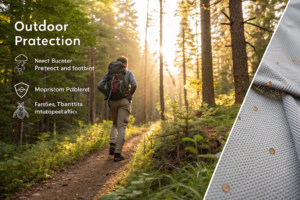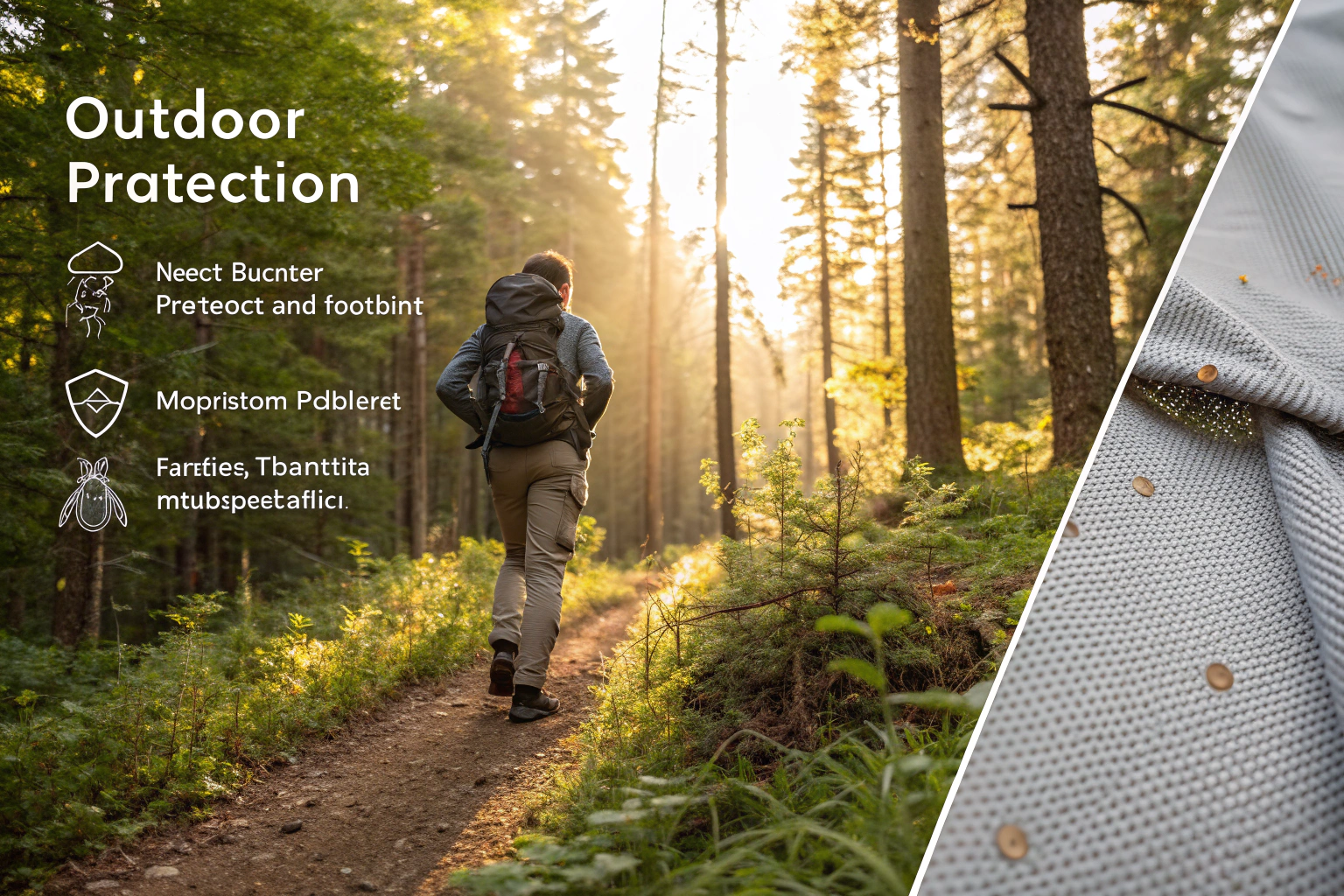
In 2019, a Swedish outdoor brand founder called me with a problem that was literally making his customers itch. His premium hiking pants, designed for the Nordic summer, were perfect in every way—comfortable, durable, quick-drying—except for one thing: mosquitoes loved them. Customers reported that mosquitoes would land on the pants and bite right through the fabric. One customer sent photos of her legs covered in bites, with the pants hanging innocently nearby, and asked, "What's the point of outdoor clothing that doesn't protect you outdoors?" That conversation launched us into two years of research and development on insect-repellent textiles, and it taught me that this category is far more complex than most buyers realize.
Insect-repellent clothing isn't just a gimmick—it's serious protection for people who spend time in mosquito-infested environments. From Lyme disease-carrying ticks to malaria-transmitting mosquitoes, insect-borne diseases affect hundreds of millions of people annually. Even where disease risk is low, the annoyance of biting insects ruins outdoor experiences and drives customer complaints.
But not all insect-repellent fabrics work equally well. Some rely on chemical treatments that wash out after a few cycles. Others use embedded technologies that last the garment's lifetime. Some work against mosquitoes but not ticks. Some are comfortable in hot weather; others are too heavy. Understanding these differences helps you choose the right solution for your customers and their specific environments.
At Shanghai Fumao, we've developed insect-repellent fabrics for clients ranging from Scandinavian hiking brands to African safari outfitters to US military contractors. Let me walk you through what actually works and what doesn't.
What Technologies Make Fabric Insect-Repellent?
Insect-repellent fabrics use one of three main approaches: chemical treatments applied to finished fabric, embedded technologies built into fibers during manufacturing, or physical barriers created by fabric structure. Each has advantages and limitations.
How does permethrin-treated fabric work?
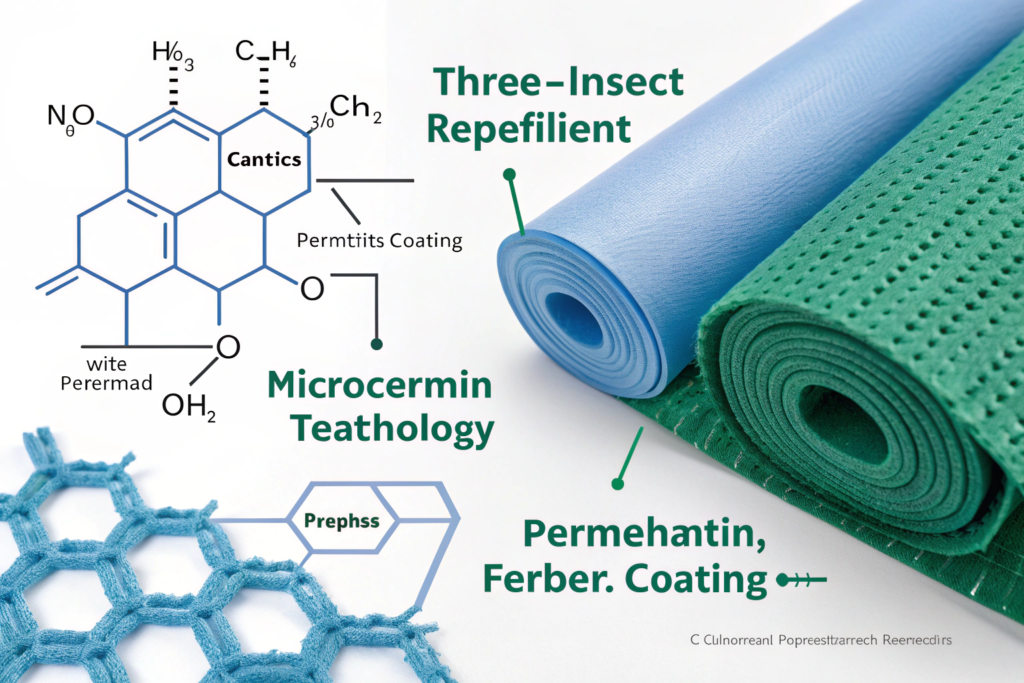
Permethrin is the most common and proven insect-repellent treatment for textiles. It's a synthetic version of pyrethrum, a natural insecticide found in chrysanthemum flowers. When insects contact permethrin-treated fabric, it affects their nervous system, repelling or killing them before they can bite.
The key specification for permethrin-treated fabric is the concentration and durability. The standard for effective protection is typically 0.5% permethrin by weight of fabric, but this must be maintained through multiple washes. Cheap treatments apply permethrin to the fabric surface, where it washes out quickly. Quality treatments bind permethrin to the fibers using resins or incorporate it into fiber coatings that resist washing.
For a US military uniform contract in 2022, we supplied permethrin-treated fabric that maintained effectiveness through 50 washes per military specifications. The treatment wasn't cheap—adding about $2.50 per yard to fabric cost—but it met the durability requirements. Testing after 50 washes showed 90%+ knockdown rates against mosquitoes. Military specifications represent the gold standard.
The controversy with permethrin: it's a pesticide. Environmental and health concerns exist, though the EPA has determined that permethrin-treated clothing poses "reasonable certainty of no harm" when used as directed. Some markets (particularly Europe) restrict permethrin use, requiring alternatives. For customers who prefer to avoid pesticides, other options exist.
What are microencapsulated natural repellents?
For customers who want "natural" solutions, microencapsulation technology embeds plant-based repellents—citronella, lemon eucalyptus, geraniol, rosemary oil—into the fabric structure. Tiny capsules (microcapsules) containing the repellent oil are attached to fibers or incorporated into fiber coatings. As you wear the garment, friction and body heat release the repellent gradually.
The advantage: natural ingredients appeal to environmentally conscious consumers. The disadvantage: durability is limited. Even the best microencapsulation lasts maybe 20-30 washes before repellent levels drop below effectiveness. Some cheap versions lose effectiveness after 5 washes.
For a German outdoor brand targeting the "natural lifestyle" market, we developed a fabric with microencapsulated citronella and lemon eucalyptus. The treatment added about $1.80 per yard and maintained effectiveness through 25 washes in lab testing. The client positioned it as "plant-based protection" and found a dedicated customer segment willing to accept limited durability for natural ingredients. Natural doesn't mean forever.
The reality: natural repellents are generally less effective than permethrin and less durable. They work for light mosquito pressure in low-risk areas but aren't recommended for high-disease regions. Be honest with your customers about these limitations.
How does fabric construction create physical barriers?
Sometimes the best repellent is no repellent—just smart fabric engineering. Some insects can bite through loosely woven fabric by probing between yarns with their mouthparts. Tightly woven fabrics with high thread counts create a physical barrier that insects can't penetrate.
The key specification is "pore size"—the gaps between yarns. If the fabric's maximum opening is smaller than the insect's mouthpart length or head diameter, it physically blocks bites. For mosquitoes, this typically requires fabric with at least 200 threads per inch or specialized multi-layer constructions.
The advantage: physical barriers last the garment's lifetime, require no chemicals, and wash indefinitely. The disadvantage: tight weaves can be less breathable and heavier than open constructions. Balancing protection with comfort requires careful engineering.
For a Canadian wilderness guide client, we developed a multi-layer fabric with an open outer layer (for comfort and durability) and a fine inner mesh (for insect barrier). The two layers are knitted together at intervals, creating a single fabric with dual properties. Guides wear it in peak mosquito season and report zero bites through the fabric, despite working in areas with extreme insect pressure. Physical barriers work where chemicals fail.
Which Fabrics Work Best for Different Insect Challenges?
Not all insects are the same, and not all environments are the same. The fabric that protects against mosquitoes in Minnesota might fail against ticks in Connecticut. Matching fabric to specific threats matters.
What fabrics work best against mosquitoes?
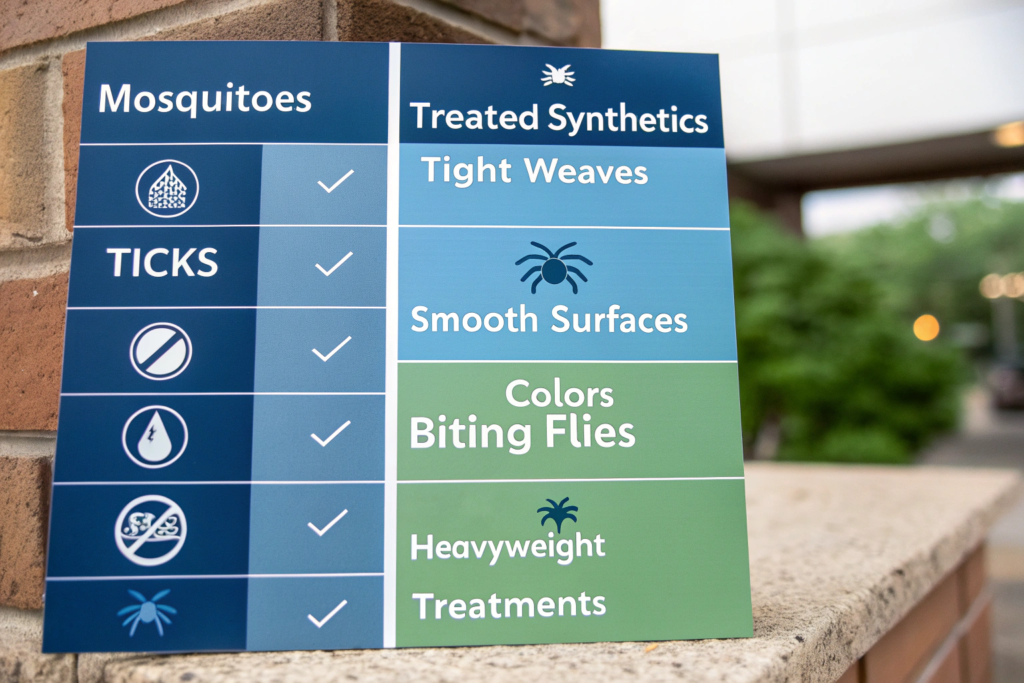
Mosquitoes are the most common target for insect-repellent clothing. They're attracted to dark colors, carbon dioxide (our breath), body heat, and certain skin chemicals. Effective mosquito-repellent fabrics combine:
Tight weave: Mosquito mouthparts are about 0.1mm in diameter. Fabric openings smaller than this create physical barriers. Look for fabrics with at least 200 threads per inch or specialized mosquito-proof constructions.
Treatment compatibility: Synthetic fibers (polyester, nylon) accept and retain insect-repellent treatments better than natural fibers. Permethrin binds more effectively to synthetics and survives more washes.
Light colors: Mosquitoes are attracted to dark colors, which absorb heat and contrast against the sky. Light-colored fabrics (khaki, light gray, pale green) reduce mosquito attraction. This isn't about repellency—it's about not attracting in the first place.
Loose fit: Tight clothing allows mosquitoes to bite through stretched fabric. Loose-fitting garments keep fabric away from skin, creating an air gap that prevents bites even if fabric is treated.
For a safari outfitter in Tanzania, we developed a line of light khaki nylon pants with permethrin treatment and loose European cut. The combination—physical barrier, chemical repellent, color strategy, and fit—provides maximum protection in high-risk malaria areas. Guides report 90% reduction in bites compared to untreated cotton pants. Multiple strategies work together.
How do you protect against ticks with fabric?
Ticks present a different challenge. They don't fly; they crawl upward from vegetation, looking for skin to attach to. Effective tick protection requires:
Smooth surfaces: Ticks grip textured fabrics easily. Smooth synthetic fabrics (nylon, polyester) make it harder for ticks to climb. Cotton and wool, with their natural textures, provide better grip for ticks.
Cuffed openings: Ticks crawl upward from pant cuffs. Elastic or knit cuffs that seal around ankles prevent ticks from getting under clothing. Same for wrists and waistbands.
Light colors: Ticks are tiny (nymphs can be poppy-seed sized). Light-colored fabrics make them visible, so you can spot and remove them before they attach.
Permethrin treatment: Permethrin is highly effective against ticks—it both repels and kills them on contact. The EPA considers permethrin-treated clothing a critical tool for Lyme disease prevention.
For a US hiking brand targeting the Northeast (Lyme disease country), we developed a collection of lightweight nylon pants and shirts with permethrin treatment, elastic ankle cuffs, and light gray color. The combination addresses tick behavior specifically. Customer feedback consistently mentions finding dead ticks on clothing after hikes—proof that the system works. Tick protection requires tick-specific design.
What about biting flies and other insects?
Biting flies (horse flies, deer flies, stable flies) are tougher customers. They have strong mouthparts that can bite through lightweight fabrics. Protection requires:
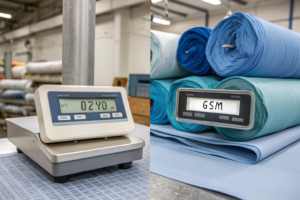
Heavier fabrics: Lightweight fabrics offer no barrier against fly bites. Minimum 200 GSM weight, preferably higher.
Multi-layer construction: Two layers of fabric, even lightweight, can stop flies where one layer fails. The first layer absorbs the bite force; the second prevents penetration.
Treatment plus barrier: Permethrin helps, but flies are less sensitive than mosquitoes. Physical barrier is essential.
For an Australian client supplying gear for the Outback (where flies are legendary), we developed a jacket with 240 GSM polyester outer shell and a separate mesh inner layer. The combination stops flies completely while remaining breathable enough for hot conditions. It's heavier than standard hiking gear, but in fly season, it's essential. Different threats demand different solutions.
How Do You Verify Insect-Repellent Claims?
The insect-repellent market is full of exaggerated claims. "Mosquito-proof" might mean anything from "treated with something that smells like citronella" to "tested and verified to prevent bites." Knowing how to verify claims protects your brand from accusations of greenwashing or false advertising.
What testing standards exist for insect-repellent textiles?
Several standard test methods evaluate insect-repellent performance:
WHO cone test: Mosquitoes are placed in a cone on treated fabric for exposure, then observed for knockdown (temporary incapacitation) and mortality. This measures immediate insecticidal effect.
Arm-in-cage test: A human volunteer's arm, covered in test fabric, is inserted into a cage of mosquitoes. The number of bites through fabric is counted over a set time. This measures real-world protection.
Cage test: Fabric sample is placed over a container with mosquitoes; the number landing or probing is counted. This measures repellent effect.
Wash durability testing: Samples are washed repeatedly (per AATCC 135 or equivalent) and retested to measure how long protection lasts.
The key specification: "XX% protection after YY washes." Without the wash durability component, the claim is meaningless. A fabric that protects perfectly when new but fails after one wash isn't useful.
For a Scandinavian outdoor brand, we required third-party testing per WHO protocols for all our insect-repellent fabrics. The test reports showed 95% protection after 50 washes for our premium permethrin treatment. The brand uses these reports in their marketing, building trust with informed consumers. Third-party testing validates claims.
How do you measure repellent durability?
Durability testing follows a standard protocol:
- Baseline test: Measure repellent effectiveness on new fabric.
- Wash cycles: Wash samples per specified protocol (AATCC 135 for home laundering, ISO 6330 for industrial).
- Interim tests: Test at intervals (10, 20, 30, 50 washes) to measure decay curve.
- End-point determination: Identify when effectiveness drops below acceptable threshold (typically 70-80% protection).
- Certification: Document results for each production batch.
For a US military contract, we test every batch at 0, 20, and 50 washes. Results must show >90% mosquito knockdown at all intervals. Batches that fail are rejected, and we investigate the cause—usually variations in treatment application. Durability testing is non-negotiable for serious programs.
What certifications should you look for?
Several certifications help verify insect-repellent claims:
EPA registration: In the US, insecticide-treated articles (like permethrin clothing) require EPA registration unless they make public health claims. Suppliers should provide EPA establishment numbers.
OEKO-TEX ECO PASSPORT: Certifies that chemical inputs meet sustainability criteria. Not a performance certification, but indicates responsible chemistry.
bluesign® APPROVED: Similar to OEKO-TEX, certifies that chemicals are safe and processes are responsible.
ISO 10993: For medical-grade insect-repellent textiles (used in disease prevention), biocompatibility testing may be required.
For a Swiss healthcare client developing insect-repellent uniforms for aid workers in malaria zones, we provided full documentation including EPA registration, OEKO-TEX certification, and independent lab test reports. Their procurement team required all three before approving. Certifications open institutional markets.
What Are the Practical Considerations for Sourcing Insect-Repellent Fabrics?
Sourcing insect-repellent fabrics involves additional considerations beyond regular textile production. Treatment application, quality control, and regulatory compliance add complexity and cost.
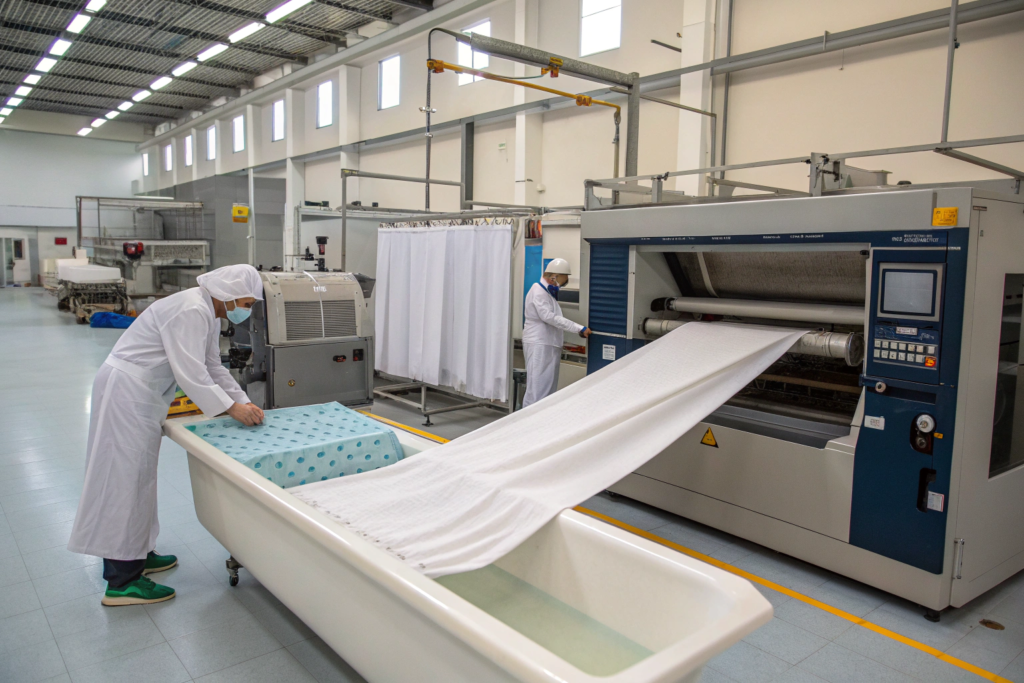
How does treatment affect fabric cost and lead time?
Insect-repellent treatment adds both cost and time to fabric production:
Cost addition: Permethrin treatment typically adds $1.50-$3.00 per yard depending on concentration and durability requirements. Microencapsulated natural treatments add $1.00-$2.50 per yard. Physical barrier fabrics (tight weaves) add minimal cost but may require specialized looms.
Lead time addition: Treatment adds 1-3 weeks to production for application, curing, and testing. Quality testing (wash durability, effectiveness) adds another 1-2 weeks.
Minimum order quantities: Treatment lines have minimum batch sizes. For permethrin, typical minimum is 1,000-3,000 meters per color/fabric type. Smaller runs are possible but cost more per meter.
For a Canadian startup developing a limited-edition insect-repellent hiking shirt, we combined their order with another client's to meet treatment minimums. Both clients paid a small premium, but neither had to order excess inventory. Creative planning reduces MOQ barriers.
What regulatory requirements vary by market?
Insect-repellent fabrics face different regulations in different markets:
United States: EPA regulates fabrics making insect-repellent claims. Treated articles are generally exempt from full pesticide registration if they make only "public health" claims and meet specific requirements. Claims like "repels mosquitoes" trigger stricter rules than "treated with permethrin."
European Union: Biocidal Products Regulation (BPR) governs insect-repellent textiles. Permethrin use is restricted in some EU countries. Natural repellents face fewer restrictions but must not make unsubstantiated claims.
Canada: Pest Management Regulatory Agency (PMRA) regulates treated clothing. Similar to US EPA but with some differences in approved claims.
Australia/NZ: Australian Pesticides and Veterinary Medicines Authority (APVMA) regulates. Permethrin-treated clothing is widely available but must meet labeling requirements.
For a UK brand selling across Europe, we developed a line using microencapsulated citronella instead of permethrin to avoid BPR complications. The natural treatment reduced regulatory risk but required clearer communication about limited durability. Regulatory strategy should inform product design.
How do you balance repellency with comfort and breathability?
The trade-off between protection and comfort is real. Heavier fabrics and treatments can reduce breathability. Solutions include:
Zoned treatment: Apply repellent only to areas most exposed to insects (lower legs, arms) while keeping core areas untreated for breathability. This requires precise application but balances protection and comfort.
Multi-layer construction: Outer layer provides repellency and durability; inner layer provides comfort and moisture management. The layers can be bonded or loosely connected.
Engineered breathability: Use knit structures that create airflow channels while maintaining physical barrier properties. This is advanced textile engineering but possible with modern machines.
For a Thai outdoor brand operating in hot, humid, mosquito-heavy environments, we developed a zoned treatment approach: pant legs and sleeves received full permethrin treatment; torso areas remained untreated for breathability. The design acknowledged that mosquitoes primarily target extremities anyway, focusing protection where it mattered most. Smart design beats brute force.
The insect-repellent textile market continues to evolve. New technologies emerge regularly—citronella microcapsules with better durability, plant-based alternatives to permethrin, fiber modifications that create inherent repellency. But the fundamentals remain: protection must be verified, durability must be tested, and comfort must be maintained.
Conclusion
The best fabrics for insect-repellent clothing combine effective technology with practical durability and wearer comfort. Permethrin-treated synthetics offer the most proven, durable protection, particularly when treatments are properly bound to fibers and tested for wash resistance. Microencapsulated natural repellents appeal to chemical-sensitive consumers but offer limited durability. Physical barrier fabrics provide permanent protection without chemicals but require careful engineering to balance breathability.
Different insects require different strategies. Mosquitoes demand tight weaves and effective treatments. Ticks require smooth surfaces and sealed openings. Biting flies need heavier fabrics and multi-layer construction. Matching fabric to threat matters.
Verification is essential. Look for third-party test reports using standard protocols, with wash durability data clearly stated. Regulatory compliance varies by market and must be addressed early in product development. Cost and lead time implications affect sourcing decisions.
If you're developing insect-repellent clothing and want to ensure your products actually protect your customers, I invite you to reach out to us at Shanghai Fumao. We've developed treated fabrics for clients ranging from military contractors to adventure travel outfitters. We understand the testing requirements, the regulatory landscape, and the balance between protection and comfort. Contact our Business Director, Elaine, directly at elaine@fumaoclothing.com. Tell her about your target market, your insect challenges, and your performance requirements. She'll connect you with our technical team, and we'll help you develop fabrics that keep your customers bite-free.
Because your customers shouldn't have to choose between enjoying the outdoors and being eaten alive. The right fabric lets them have both.