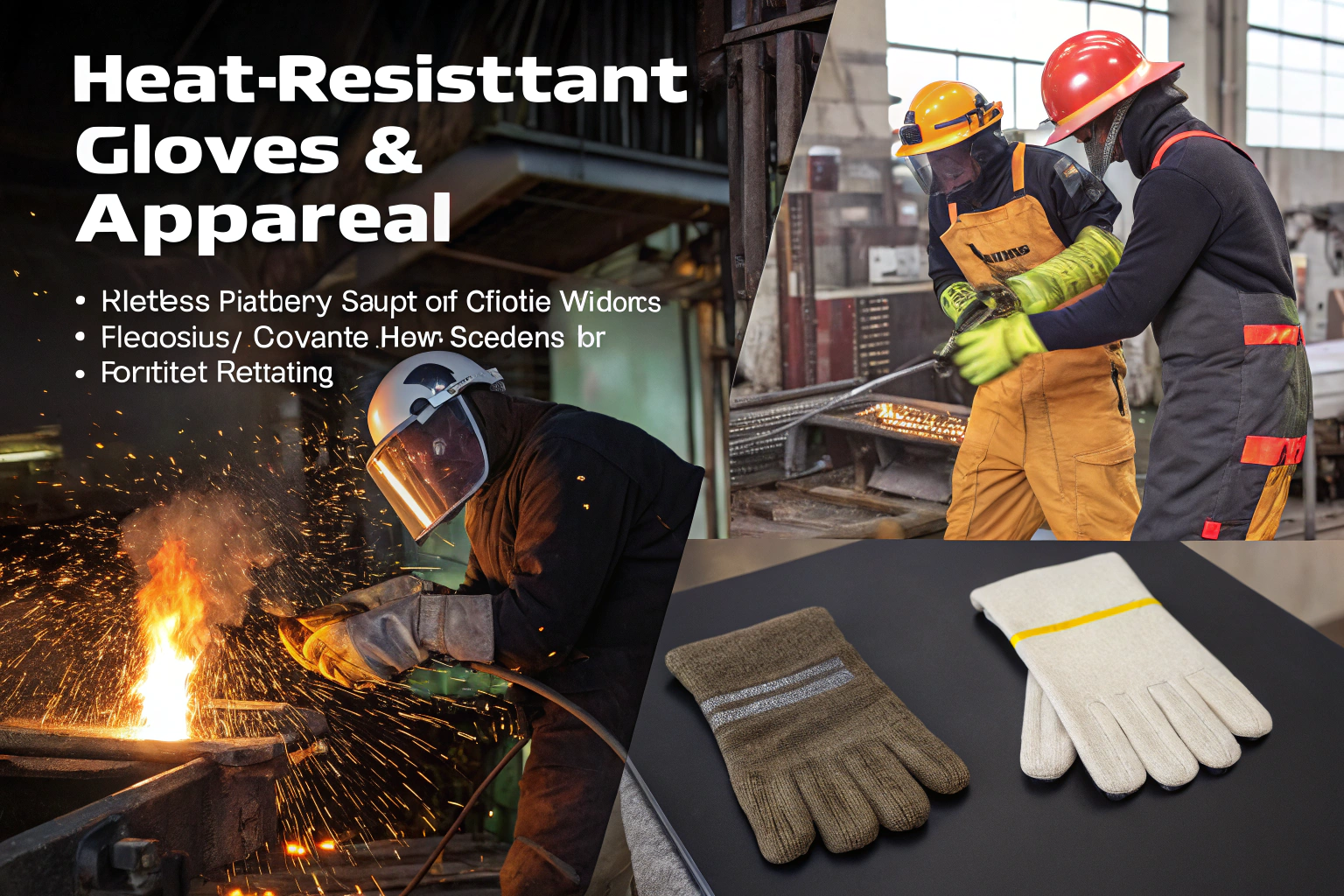
I remember the call from a Texas foundry manager in 2021 that still makes me think about how much trust people put in our fabrics. They'd been using what they thought were adequate heat-resistant gloves for their molten metal operation. Then a worker reached for a hot casting, and the glove literally melted onto his hand. Third-degree burns. Months of recovery. The investigation showed the gloves were rated for 200°C continuous use—but the casting was 400°C. The supplier had sold them "heat-resistant" gloves without specifying the limits. That man's life changed because someone didn't understand that heat resistance isn't one number—it's a range of conditions that require different materials.
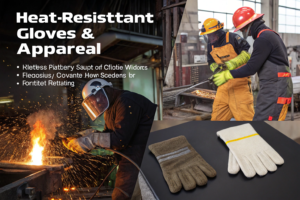
Heat-resistant gloves and apparel save lives every day. Welders, foundry workers, firefighters, kitchen staff, glass blowers—countless workers depend on protective textiles to do their jobs safely. But "heat resistant" isn't a single property. Different materials protect against different threats: conductive heat, radiant heat, molten metal splash, flame exposure. Choosing the wrong material can be fatal.
At Shanghai Fumao, we've supplied heat-resistant fabrics for clients ranging from industrial safety suppliers to fire departments to culinary schools. The requirements are literally a matter of life and death. Let me walk you through what actually works and when to use it.
What Types of Heat Protection Do Different Fabrics Provide?
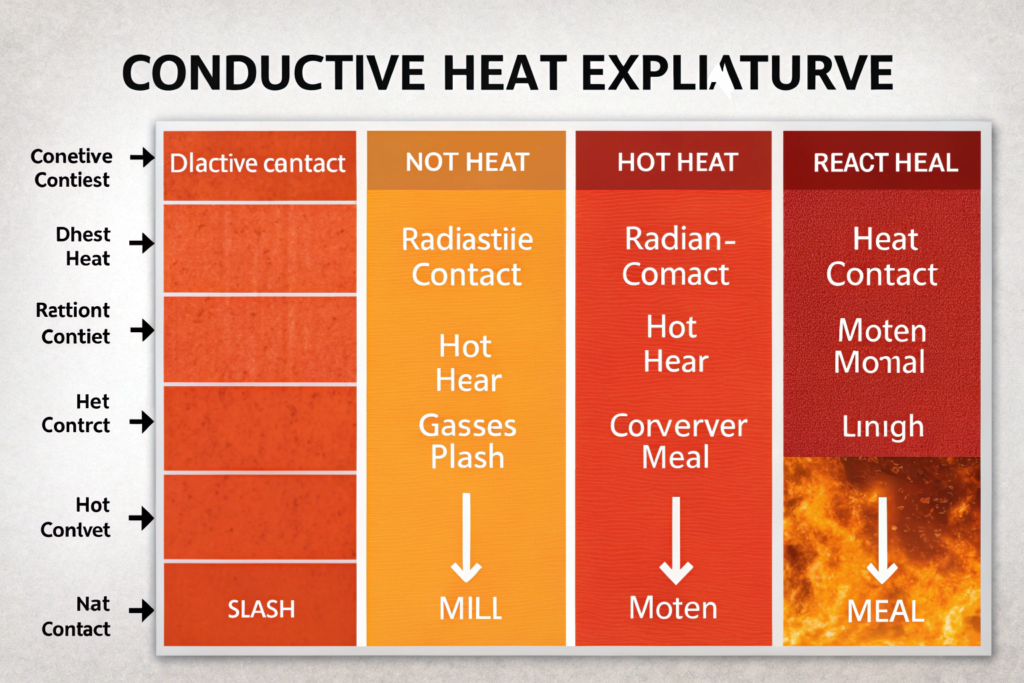
Heat isn't just heat. Different heat sources require different protection strategies. Understanding the distinction prevents the kind of tragedy my Texas client experienced.
What is conductive heat protection?
Conductive heat happens when skin touches a hot object directly—a hot pan, a heated metal part, a steam pipe. Protection requires materials that don't transfer heat quickly to the skin.
Key materials for conductive protection:
Leather: Traditional choice for welding gloves and foundry work. Thick, durable, naturally heat-resistant. Cowhide, pigskin, and deerskin offer different balances of dexterity and protection. Leather chars rather than melts, providing warning before failure.
Aramid fibers (Kevlar, Nomex) : Synthetic fibers with exceptional heat resistance. Kevlar is stronger and used for cut resistance plus heat. Nomex is flame-resistant and used for apparel. Neither melts—they char and degrade at very high temperatures (400-500°C+).
Carbon fibers: Extremely high heat resistance (up to 1000°C+ in inert atmospheres). Used for specialized applications like furnace entry gloves. Expensive, limited flexibility.
Fiberglass: Woven fiberglass fabrics resist very high temperatures (500-600°C) but are irritating to skin and brittle. Usually used as outer layer over insulating liners.
The key specification for conductive protection is thermal conductivity (how quickly heat passes through) and thickness (more thickness = more protection).
For a German foundry client, we developed gloves with aramid outer shell, multiple layers of insulating felt, and cotton liner. The combination provides 15 seconds of protection at 500°C—enough time to react and remove hand if accidental contact occurs. Conductive protection requires thickness and material choice.
How does radiant heat protection differ?
Radiant heat comes from hot sources without direct contact—standing near a furnace, working with hot glass, firefighting. Protection requires reflecting heat away or absorbing it before it reaches skin.
Materials for radiant protection:
Aluminized fabrics: Aluminum coating bonded to various base fabrics (fiberglass, aramid, cotton). The aluminum reflects up to 95% of radiant heat. Used for proximity suits, furnace entry, and high-heat applications.
Heat-reflective coatings: Specialized coatings that reflect infrared radiation. Less effective than aluminum but more flexible and durable.
Multi-layer insulation: Multiple layers of insulating materials with air gaps between. Each layer absorbs some radiant energy; air gaps provide additional insulation.
The key specification is reflectivity (for reflective materials) and insulation value (for absorptive materials).
For a Canadian steel mill client, we supplied aluminized aramid suits for workers near furnaces. The suits reflect radiant heat, keeping workers comfortable in environments that would otherwise be unbearable. Radiant protection is about reflection, not just insulation.
What about molten metal splash?
Molten metal is a special threat—liquid metal at 1000-1500°C that can splash, pool, and adhere to clothing. Protection requires materials that won't allow metal to stick and burn through.
Materials for molten metal protection:
Wool: Surprisingly effective for molten metal. Wool chars slowly, doesn't melt, and provides some protection. Traditional foundry coats were often wool.
Leather: Good for splash protection but heavy and stiff.
Aramid blends: Some specialized fabrics combine aramid with other fibers for molten metal resistance.
Aluminized fabrics: Often used for foundry suits, combining radiant reflection with splash resistance.
The key specification is "molten metal splash resistance" tested per ISO 9185—a test where molten metal is poured onto fabric at an angle, and the fabric is evaluated for damage and heat transfer.
For a US aluminum casting client, we specified aramid-based fabric with specialized treatment that causes molten aluminum to bead up and roll off rather than sticking and burning through. Molten metal requires specialized testing.
What Fibers Are Used in Heat-Resistant Fabrics?
Different fibers offer different heat protection properties. Understanding them helps you choose the right material for your specific application.
What are aramid fibers and how do they perform?
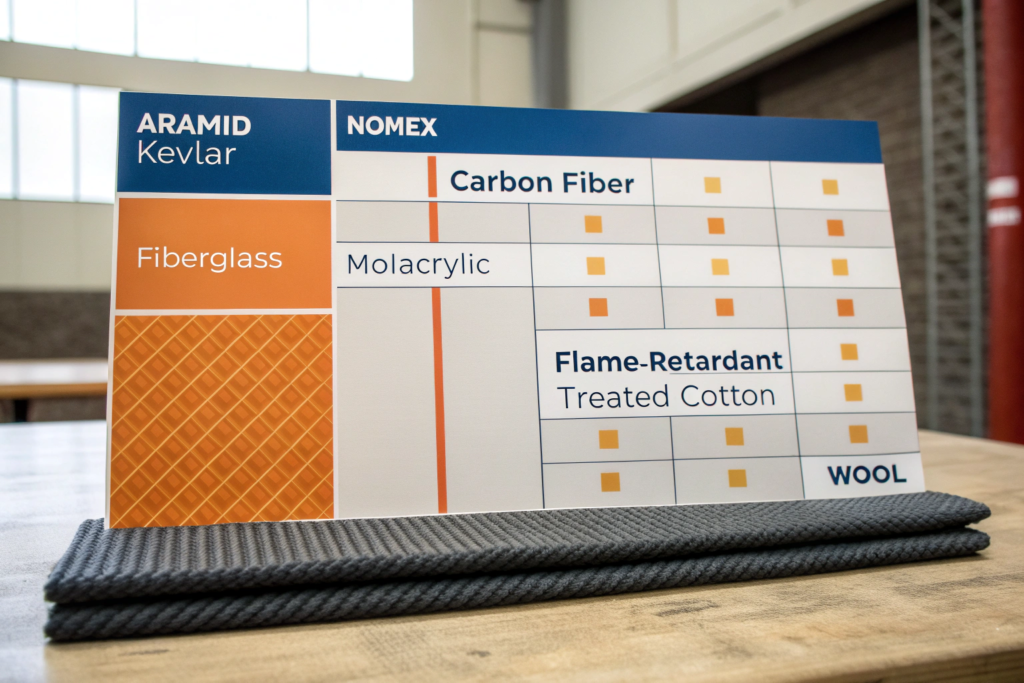
Aramid fibers (aromatic polyamides) are the backbone of modern heat-resistant apparel:
Kevlar (para-aramid):
- Excellent strength (5x steel by weight)
- Heat resistance up to 450-500°C decomposition
- Does not melt—chars and degrades
- Used for cut resistance plus heat
- Gold color characteristic
Nomex (meta-aramid):
- Excellent flame resistance
- Heat resistance similar to Kevlar
- Softer, more comfortable for apparel
- Used for firefighter turnout gear, racing suits, industrial uniforms
- Inherently flame-resistant (cannot be removed by washing)
Twaron, Technora: Other aramid variants with similar properties
Key advantage: aramids are inherently flame-resistant—the fiber itself won't burn, melt, or support combustion. Protection lasts the life of the garment.
For a Swedish fire department, we supplied Nomex-based turnout gear with additional moisture barrier and thermal liner. The combination provides 30+ seconds of protection in flashover conditions. Aramids set the standard for flame resistance.
What about modacrylic and FR-treated fibers?
Modacrylic and flame-retardant treated fibers offer lower-cost alternatives:
Modacrylic: Synthetic fiber with inherent flame resistance. Softer than aramids, used in blends for arc flash protection and industrial workwear. Decomposes at lower temperatures than aramids (around 300°C) but suitable for many applications.
FR cotton: Cotton treated with flame-retardant chemicals. Provides good protection, comfortable to wear, but protection can wash out over time (depending on treatment type). FR cotton chars like wool, doesn't melt.
FR rayon/viscose: Similar to FR cotton, used in blends.
Blends: Common combinations include modacrylic/cotton (for comfort and protection) or aramid/FR cotton (balancing cost and performance).
Key consideration: FR-treated fibers lose protection if not properly maintained. Industrial laundering must use specified procedures to preserve FR properties.
For a US utility company (arc flash protection), we specified modacrylic/cotton blends for everyday workwear. The protection level meets NFPA 70E requirements at lower cost than aramids, and the comfort improves worker compliance. FR-treated fibers have their place.
What about fiberglass and ceramic fibers?
For extreme temperatures, specialty fibers are necessary:
Fiberglass: Woven fiberglass fabrics resist temperatures up to 500-600°C continuous, higher for short exposure. Used for welding curtains, furnace linings, and outer shells of high-heat gloves. Disadvantages: irritating to skin, brittle, limited flexibility.
Ceramic fibers: Aluminum silicate and other ceramic compositions resist up to 1200-1400°C. Used for extreme applications like furnace entry gloves and kiln maintenance. Expensive, fragile, specialized.
Carbon fibers: Very high heat resistance in non-oxidizing environments. Used for specialized industrial applications.
These materials are typically used as outer layers over insulating liners, not against skin directly.
For a Chinese glass manufacturing client, we supplied gloves with fiberglass outer shell, multiple aramid insulating layers, and cotton liner. Workers handle hot glass at 600°C with 10-15 seconds of protection. Extreme heat requires extreme materials.
How Do You Specify Heat-Resistant Fabrics Correctly?
Clear specifications prevent the kind of misunderstanding that led to my Texas client's tragedy. Here's what to include.
What temperature ratings actually mean?
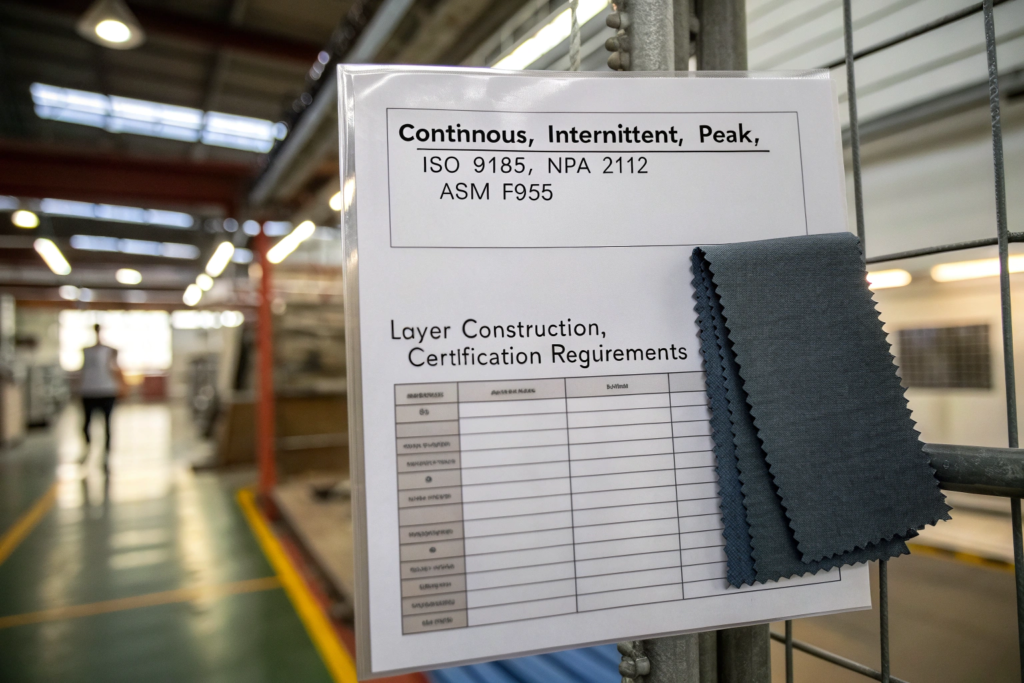
Temperature ratings can be misleading if you don't understand the conditions:
Continuous use temperature: Maximum temperature fabric can withstand indefinitely without degradation. For aramid, this is around 200-250°C. For fiberglass, 500-600°C.
Intermittent use temperature: Higher temperatures for shorter periods (minutes to hours) without immediate failure. Aramid can handle 400-500°C intermittently.
Peak exposure temperature: Very short exposure (seconds) at extreme temperatures. Important for flash fire or molten metal splash scenarios.
Decomposition temperature: When the fiber itself begins to break down chemically. Not necessarily failure temperature—fabric may still protect during decomposition.
Test method: Always specify how the rating was determined. ISO 9185 for molten metal, ASTM F955 for convective heat, NFPA 2112 for flash fire.
For a UK offshore oil client, we specified fabric tested to NFPA 2112 (flash fire) and ASTM F955 (convective heat) with 5-second peak exposure rating. Their workers face multiple heat threats; single-parameter testing wasn't enough. Multiple threats require multiple ratings.
What certifications should you look for?
Heat-resistant apparel is often regulated. Look for:
NFPA 2112: Standard for flame-resistant garments for industrial personnel (flash fire protection). Required in many industries.
NFPA 70E: Standard for electrical safety in the workplace (arc flash protection).
NFPA 1971: Standard for firefighter protective clothing.
ISO 11612: International standard for protective clothing against heat and flame.
ISO 11611: Standard for protective clothing for welding.
EN 407: European standard for protective gloves against thermal risks (heat and flame).
CE marking: For EU market, indicates compliance with relevant regulations.
For a Canadian welding supply distributor, we provide EN 407 certification for all heat-resistant gloves, with specific ratings for each performance level (contact heat, convective heat, radiant heat, molten metal splash). Certifications prove compliance.
What construction details affect protection?
Fabric alone isn't enough—construction matters:
Layer count: Multiple layers provide better protection than single layers. Typical heat-resistant gloves have 3-5 layers: outer shell, moisture barrier, thermal liner, comfort liner.
Seam construction: Seams must be as heat-resistant as the fabric. Aramid thread required for aramid fabrics. Seam types (flat-felled, bound) affect heat penetration.
Length: Gloves must extend far enough to protect wrists and forearms. Cuff design affects heat entry.
Closure: Snug closures prevent heat entry at openings.
Reinforcement: High-wear areas (palms, fingers) may need extra layers.
For a German foundry client, we developed gloves with extended cuffs (6 inches past wrist), reinforced palms (double layer), and aramid thread throughout. The construction details matter as much as the fabric. Construction completes protection.
What Are the Practical Considerations for Heat-Resistant Apparel?
Beyond materials and specifications, practical factors affect whether workers actually wear the protection and whether it performs as intended.
How does comfort affect worker compliance?
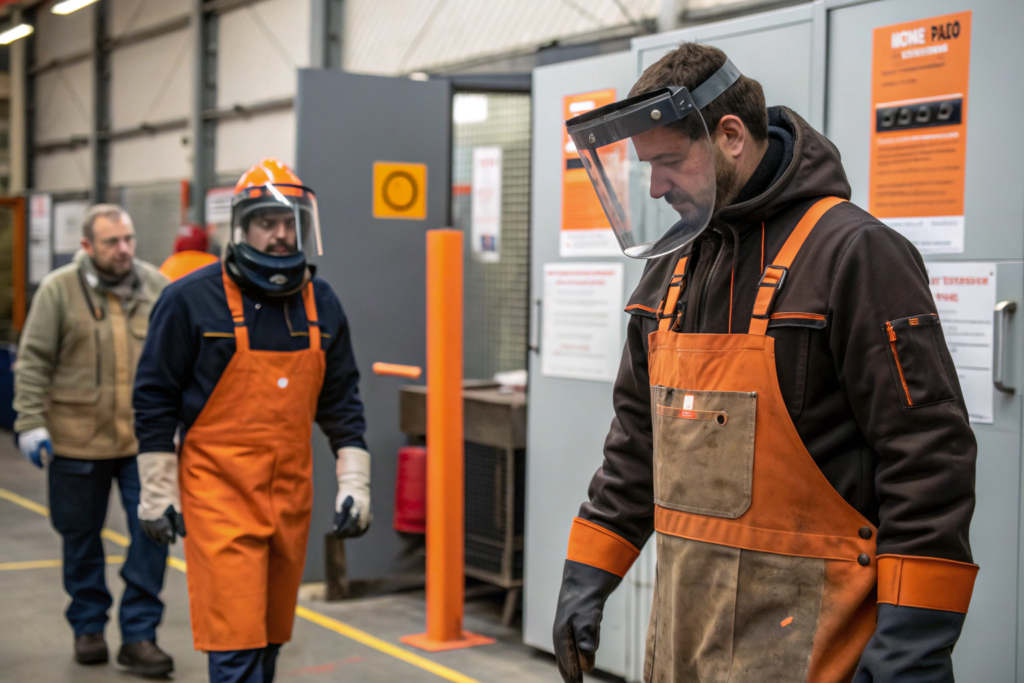
The best protective fabric does nothing if workers won't wear it:
Weight: Heavy gloves and suits cause fatigue. Modern materials balance protection with weight.
Dexterity: Gloves that are too thick prevent fine motor tasks. Workers may remove them "just for a minute"—and get injured in that minute.
Breathability: Heat stress is real. Workers in hot environments wearing non-breathable protective gear can overheat. Moisture-wicking liners and breathable constructions help.
Grip: Gloves must provide secure grip on hot, slippery, or oily surfaces.
For a Texas oil refinery client, we conducted wear trials of three different heat-resistant glove designs. Workers chose the one with best dexterity and breathability—which also met all safety standards. Comfort drives compliance.
How should heat-resistant apparel be maintained?
Proper care extends life and maintains protection:
Cleaning: FR-treated fabrics require specific washing procedures (no chlorine bleach, specific detergents). Aramid fabrics can be washed conventionally but may need special care.
Inspection: Regular inspection for damage, contamination, or degradation. Any compromise requires replacement.
Storage: Protect from UV light (degrades some materials), moisture (mildew), and chemicals.
Lifespan: Heat-resistant fabrics have finite life. Heat exposure gradually degrades fibers. Track service life and replace according to manufacturer recommendations.
For a Norwegian offshore platform, we provide detailed care instructions with every shipment and offer annual recertification inspection services. Maintenance preserves protection.
What about single-use vs. multi-use applications?
Some heat-resistant applications are single-use:
Firefighter turnout gear: Multi-use, high-cost, requires extensive maintenance.
Foundry gloves: Multi-use, moderate life, replaced when damaged.
Welding blankets: Multi-use until contaminated or damaged.
Emergency escape hoods: Single-use, stored until needed.
Aluminized proximity suits: Limited life due to coating degradation.
Specify expected service life and design accordingly. A glove meant for 100 uses needs different construction than one meant for 10.
For a US military client, we developed heat-resistant gloves with replaceable outer shells—the expensive aramid liner lasts through multiple outer shell replacements. Design for service life reduces cost.
The best heat-resistant fabric is the one matched to your specific threat. Conductive heat requires thickness and material choice. Radiant heat needs reflectivity. Molten metal demands specialized fabrics. Flash fire needs aramid or other inherently flame-resistant materials. Getting it wrong can be fatal.
Conclusion
The best fabrics for heat-resistant gloves and apparel depend entirely on the type of heat threat. Aramid fibers (Kevlar, Nomex) provide excellent protection for most applications—they don't melt, char slowly, and maintain integrity at high temperatures. For radiant heat, aluminized fabrics reflect up to 95% of heat energy. For extreme temperatures (600°C+), fiberglass and ceramic fibers offer protection. FR-treated cotton and modacrylic blends provide cost-effective options for less demanding applications.
Specifications must include clear temperature ratings (continuous, intermittent, peak), relevant test methods (ISO 9185, NFPA 2112, ASTM F955), and appropriate certifications (NFPA, ISO, EN). Construction details—layers, seams, length, closures—affect protection as much as fabric choice. Practical considerations—comfort, maintenance, service life—determine whether protection is actually used and effective.
The difference between adequate protection and failure is measured in seconds—seconds that can prevent or cause catastrophic injury. Investing in proper materials, specifications, and quality isn't just good business; it's a moral obligation.
If you're sourcing heat-resistant gloves or apparel and want to ensure your workers are truly protected, I invite you to reach out to us at Shanghai Fumao. We've supplied protective fabrics to industries ranging from foundries to fire departments to offshore oil. We understand the threats, the materials, the testing, and the standards. Contact our Business Director, Elaine, directly at elaine@fumaoclothing.com. Tell her about your application, your temperature ranges, your threat types, and your industry standards. She'll connect you with our protective textiles team, and we'll help you specify fabrics that protect lives.
Because the people wearing your products are trusting you with their safety. That trust deserves the best materials we can provide.