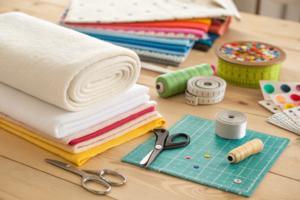
You've found the perfect tutorial for a tote bag, a set of napkins, or a child's costume. You're excited to start, but then you hit the fabric store or website and feel completely overwhelmed. Muslin, canvas, quilting cotton, felt... which one is actually right for your project? How do you choose a fabric that looks great but doesn't make your DIY project frustratingly difficult?
The secret isn't about finding one "best" fabric—it's about matching the right fabric's properties to your project's specific needs. A fabric that's perfect for a stuffed animal might be a nightmare for a structured bag. Success in DIY starts with understanding what makes a fabric easy to work with and durable for its intended use.
For over 20 years at Shanghai Fumao, I've supplied fabrics to everyone from major manufacturers to passionate home crafters selling on Etsy. The principles are the same: you need fabric that behaves predictably under your scissors, sewing machine, and glue gun. Let's cut through the confusion and build your confidence to choose fabrics that make your projects shine.
What are the most beginner-friendly woven fabrics?
Woven fabrics are the cornerstone of DIY. They don't stretch along the grain, making them stable and predictable to cut and sew—a crafter's best friend when starting out. But within the woven category, some fabrics are far more forgiving than others. You want fabrics that are easy to handle, press well, and don't fray excessively.
The best beginner fabrics are typically natural fiber blends with a medium weight and a plain, tight weave. They hold their shape, feed evenly through your machine, and give you a professional-looking result with less stress.
Why is quilting cotton the ultimate all-rounder?
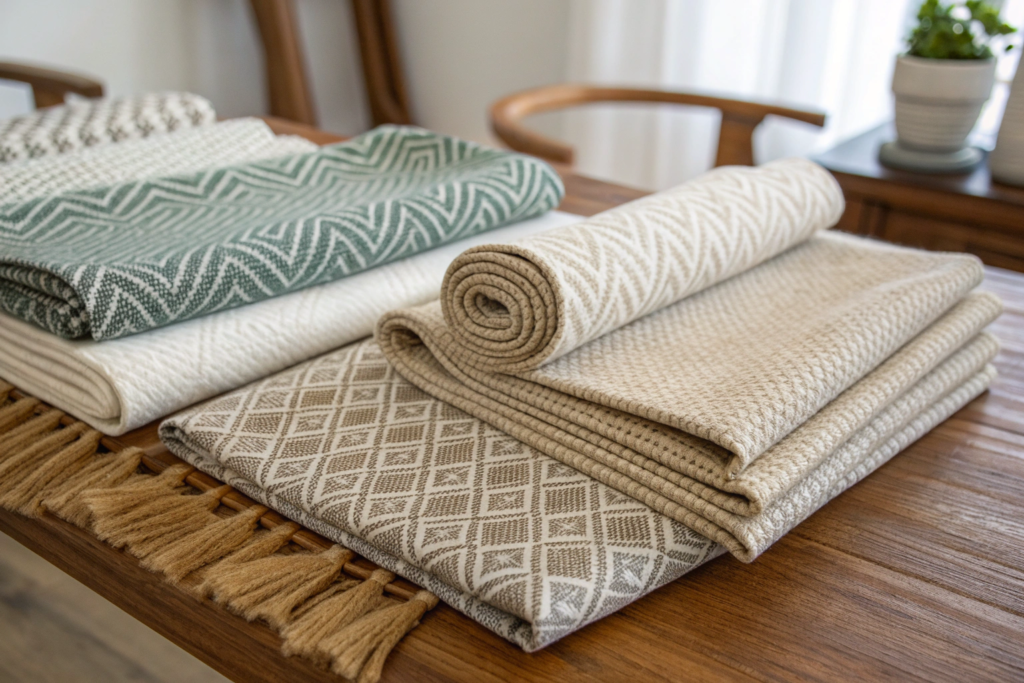
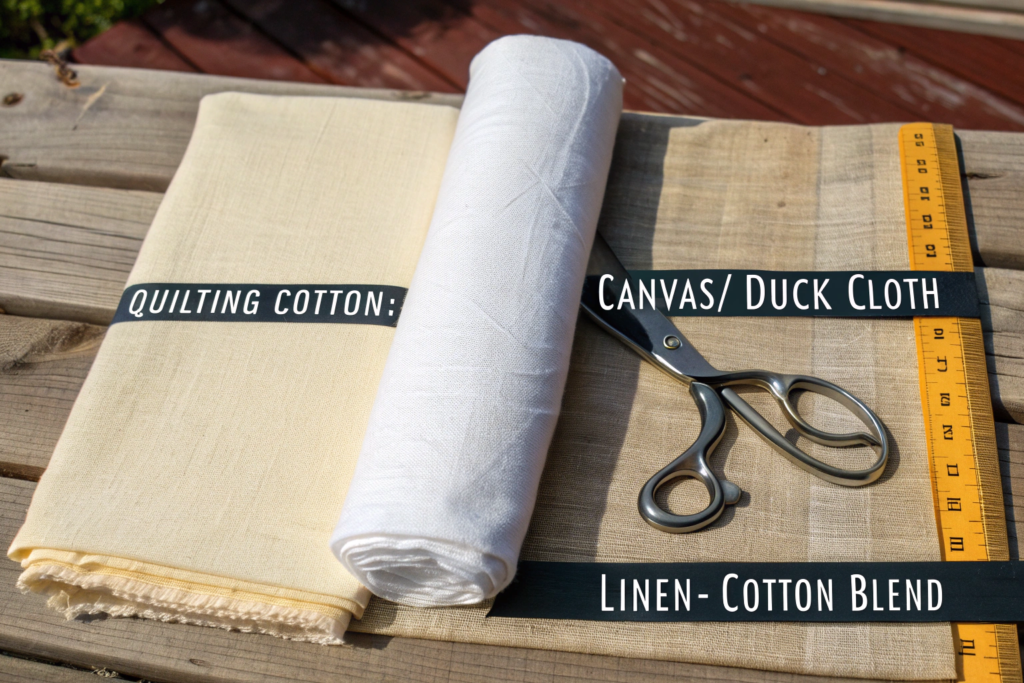
Quilting cotton is the undisputed champion for a reason. It's a medium-weight, 100% cotton fabric with a plain weave.
- Stable & Easy to Handle: It has minimal stretch, so it doesn't distort while cutting or sewing. It presses crisply with an iron.
- Minimal Fraying: The tight weave means edges fray moderately, which is easily managed with pinking shears or a simple zigzag stitch.
- Endless Variety: Available in thousands of prints, solids, and colors from countless designers. It's the go-to for simple home decor sewing projects like cushions.
- Forgiving: Mistakes can be unpicked without leaving obvious needle holes.
A pro tip for absolute beginners: look for "pre-washed" or "pre-shrunk" quilting cotton. This ensures your finished project won't shrink after its first wash. For your first tote bag or set of napkins, you truly can't go wrong with a high-quality quilting cotton.
When should you choose canvas, duck cloth, or linen?
When your project needs more body and durability, step up to these heavierweights.
- Canvas/Duck Cloth: This is a sturdy, plain-weave fabric, usually made of cotton. It's the gold standard for durable fabrics for tote bags and aprons. It's thick, holds structure beautifully, and can handle heavy use. It can be stiff initially but softens with washing. Choose a lighter weight (e.g., 8-10 oz) for tote bags and a heavier one (12 oz+) for upholstery or heavy-duty utility bags.
- Linen & Linen Blends: Prized for its beautiful, natural texture and drape. Pure linen can be slippery and fray like crazy, making it challenging for beginners. A linen-cotton blend (like 55% linen/45% cotton) is a perfect compromise—it retains the beautiful look and cool feel of linen but is more stable, less prone to fraying, and easier to press. Ideal for table runners, relaxed garments, or structured basket liners.
For a recent community project, we supplied a bolt of 10oz cotton canvas to a group making reusable grocery bags. The fabric was tough enough to carry weight, yet still easy enough for intermediate sewists to handle on domestic machines with a heavy-duty needle.
Which knit fabrics are easy to work with at home?
Knits are magical—they're comfortable, stretchy, and don't require finished seams to prevent fraying. But they can also strike fear into the heart of a beginner because they stretch and curl when you don't want them to. The key is choosing the right type of knit and using the correct techniques.
With a few simple tools (like a ballpoint needle and a walking foot for your sewing machine), a whole world of comfortable, professional-looking projects opens up.
How to successfully sew with jersey and French terry?
Not all knits are created equal. Start with stable, well-behaved varieties.
- Jersey Knit: The most common T-shirt fabric. For beginners, avoid the slinky, thin jerseys. Instead, look for a medium-weight cotton jersey or a cotton-polyester blend. These have enough stability to feed through your machine without excessive stretching. They are perfect for simple tops, comfy pillow covers, or baby clothes. A walking foot (or even just a zigzag stitch) is your best friend here.
- French Terry: This is a fantastic "intro to knits" fabric. It has loops on the back (like a towel) and a smooth knit face. It has a lovely, substantial weight, minimal stretch widthwise, and doesn't curl at the edges. It's incredibly forgiving and perfect for easy-to-sew lounge pants, hoodies, and baby blankets. It hides minor imperfections beautifully.
The biggest mistake is using a universal needle meant for wovens. Always use a ballpoint or stretch needle for knits; it slides between the fibers instead of piercing them, preventing skipped stitches and runs.
What are the best non-woven fabrics for no-sew crafts?
When you want to bypass the sewing machine entirely, these fabrics are your heroes.
- Craft Felt: This is a bonded, non-woven fabric made from synthetic fibers. It doesn't fray at all, comes in a rainbow of colors, and can be cut, glued, and stitched by hand with ease. It's the ultimate choice for children's craft projects, ornaments, appliqué, and simple toys.
- Fleece: Another non-woven (technically a knit, but it doesn't fray), polar fleece is soft, warm, and incredibly easy to work with. You can cut it and leave the edges raw, or easily sew it. It's perfect for no-sew tie blankets, scarves, and plush toys.
- Felted Wool: This is a premium option. Real wool that has been agitated and shrunk to create a dense, non-fraying mat. It's wonderful for upcycling old sweaters into coasters, bag embellishments, or embroidered wall art.
For a quick, satisfying project, try making coasters from craft felt or a no-sew fleece blanket. You'll have a finished, useful item in under an hour, which is a great confidence booster!
What are the best fabrics for specific popular projects?
Now let's get practical. Certain fabrics have earned their reputation as the "right tool for the job" for specific, common DIY endeavors. Using the recommended fabric can mean the difference between a project that lasts for years and one that falls apart after a few uses.
This is where understanding fabric weight, durability, and care requirements becomes critical. Let's match fabric to project.
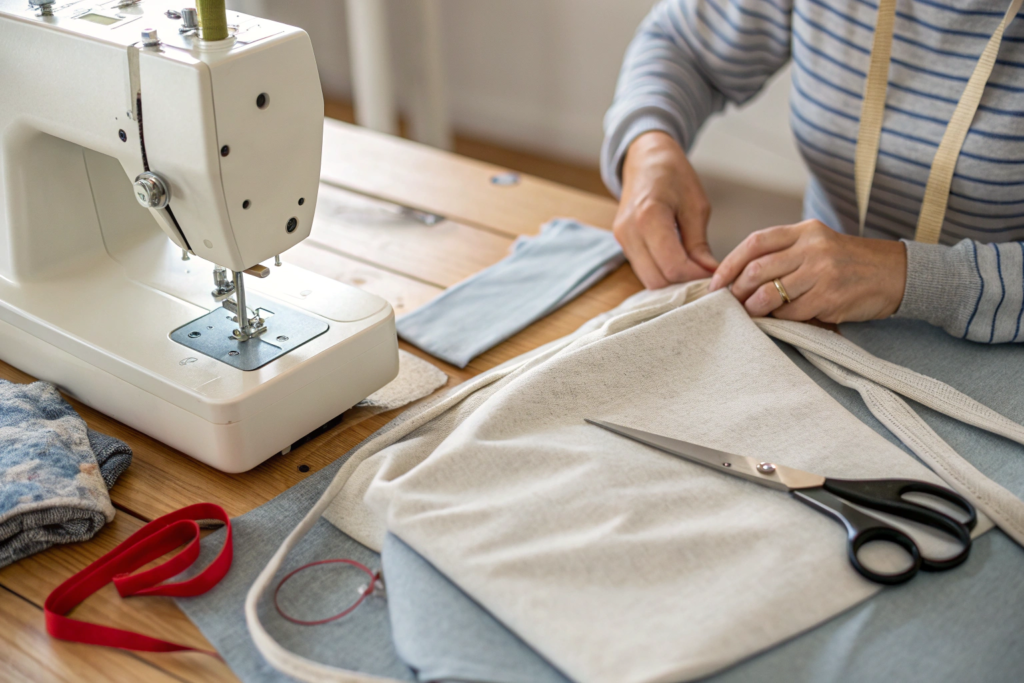
Which fabrics make durable, beautiful tote bags and home decor?
For items that need to hold weight and withstand daily use, structure is key.
- Tote Bags & Market Bags: Canvas or Duck Cloth is the top choice. For a lighter bag, a heavy-duty quilting cotton (sometimes called "home dec weight") can work if you use interfacing. For a more polished look, consider a sturdy cotton twill or denim.
- Throw Pillows & Cushions: Quilting cotton is perfect for its print variety and durability. For a more luxurious feel, try linen-cotton blends or velvet (though velvet requires careful cutting and sewing to maintain pile direction).
- Table Runners & Napkins: Linen or linen-cotton blends are ideal for their elegant drape and natural stain-resistance. Quality quilting cotton is also a great, more affordable option. For a festive touch, hemp-cotton blends offer a beautiful, earthy texture.
Always pre-wash your fabric for home decor items that will be laundered. This pre-shrinks the fabric and removes any finishes that might repel water or stains initially.
What fabrics are safe and soft for children's toys and wearables?
Comfort, safety, and washability are paramount.
- Stuffed Toys & Loveys: The interior needs to be soft and hold its shape. Use new polyester fiberfill. For the exterior, minky fabric is incredibly soft but can be slippery to sew. Anti-pill polar fleece or soft cotton velour are easier, very cuddly alternatives. For appliqué details, use felt.
- Baby Clothes & Blankets: 100% cotton jersey, organic cotton interlock (a thicker, more stable knit), or French terry are all excellent, breathable, and gentle on skin. For blankets, cotton flannel is a classic for its warmth and softness.
- Play Mats & Costumes: Felt is fantastic for no-sew costume elements and play mat shapes. Broadcloth or quilting cotton are good for simple capes and tunics.
A crucial safety note: For children's items, especially for babies, always source fabrics that are OEKO-TEX Standard 100 certified. This guarantees they are free from harmful levels of over 100 regulated chemicals. We offer a range of certified fabrics for this very purpose at Shanghai Fumao.
How to source quality fabrics on a budget?
Crafting shouldn't break the bank. While premium fabrics are lovely, there are countless ways to source excellent materials for less. It's about being a savvy shopper and knowing where to look beyond the full-price bolts at big-box craft stores. Quality on a budget is absolutely achievable.
Your sourcing strategy can include a mix of new, discounted, and repurposed materials. This approach is not only economical but often more sustainable and creative.
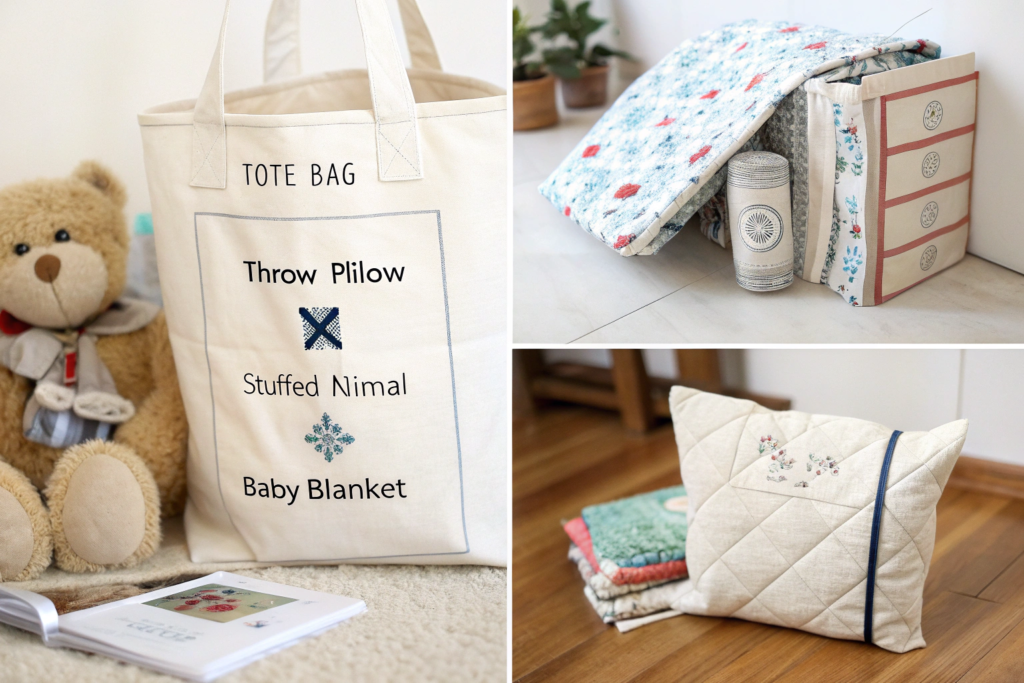
Where to find affordable fabric online and offline?
- Online: Don't just check major retailers. Search for "fabric remnants for sale online" or "discounted designer fabric bundles." Many online fabric stores have dedicated "remnant," "clearance," or "spot sale" sections where you can find high-quality fabrics at a fraction of the cost, sold in smaller cuts (1-3 yards) perfect for DIY projects. Etsy is also a fantastic source for unique, small-batch prints from independent sellers.
- Offline: Visit local fabric warehouses or discount outlets. These often sell overstock from manufacturers at deeply reduced prices. Also, check the "remnant bin" at your local fabric store—these end-of-bolt pieces are typically sold at 50-70% off. You can find incredible gems if you're flexible on quantity.
- Thrift Stores & Upcycling: This is the ultimate budget option. Look for large bedsheets, tablecloths, curtains, or oversized garments (like skirts or dresses) made from quality fabrics like linen, cotton, or wool. A king-size sheet provides yards of fabric for a fraction of the cost. A guide on how to upcycle bed linens into new projects can be a great source of inspiration.
How to test fabric quality before you buy?
Especially when buying online or from a new source, you need to assess quality. If you can't touch it, look for:
- Thread Count & Weave Density: For wovens like cotton, a higher thread count (e.g., 200+ TC) usually indicates a smoother, more durable fabric than a loose, 120 TC fabric.
- Fiber Content: Read the label. "100% Cotton" will behave differently and be more breathable than "100% Polyester" or a blend. Know what you're getting.
- Customer Photos & Reviews: Online, always zoom in on customer-submitted photos. Do the prints look crisp? Does the fabric look thin or substantial? Read reviews mentioning "see-through," "thick," or "soft."
- Order Swatches: Many reputable online fabric stores (and we at Shanghai Fumao offer this too) sell inexpensive swatch packs. Spending a few dollars on samples can save you from a costly mistake on a full yardage order.
Conclusion
Choosing the best fabric for your DIY and craft projects is the first and most important step toward a satisfying and successful result. By starting with stable, beginner-friendly wovens like quilting cotton and canvas, you build confidence. As your skills grow, you can embrace the comfort of stable knits like French terry and the creative freedom of no-sew materials like felt and fleece. Always match the fabric's properties—its weight, durability, and care needs—to the specific demands of your project, whether it's a heavy-duty tote bag or a soft child's toy.
Remember, sourcing great fabric doesn't require a huge budget. Explore online remnants, local discount bins, and the upcycling potential of thrift store finds. With a little knowledge and a keen eye, you can find quality materials that inspire you and make your handmade creations look professional and last for years.
Feeling inspired to start your next project with the perfect material? At Shanghai Fumao, we understand crafters' needs for quality, variety, and value. We offer small-batch, pre-cut options ideal for DIYers, from sturdy canvases and beautiful printed cottons to OEKO-TEX certified soft jerseys for children's items. Let us be your partner in creativity. For personalized sourcing advice or to browse our crafter-friendly selections, contact our Business Director, Elaine: elaine@fumaoclothing.com.