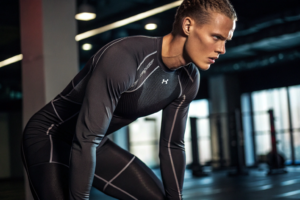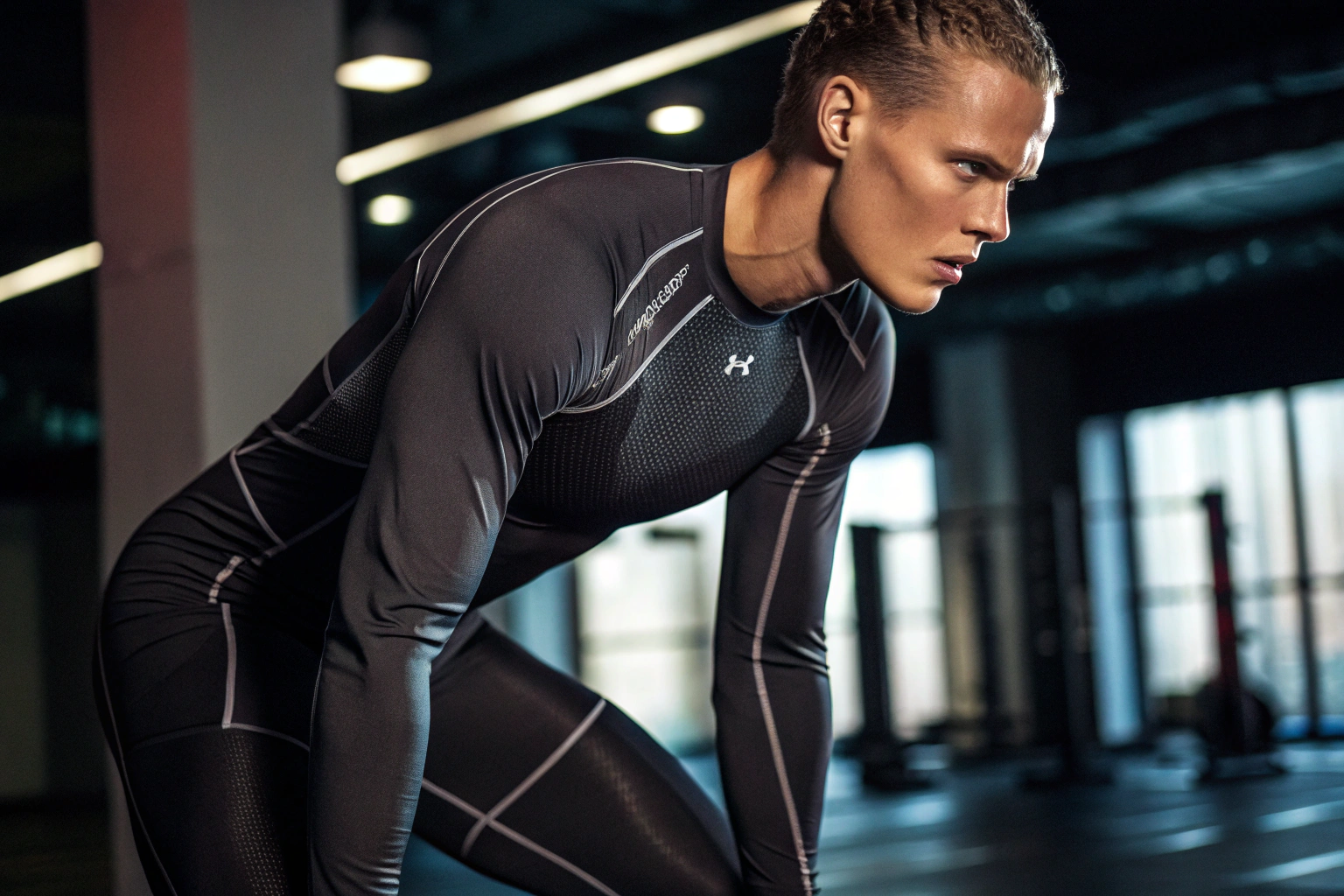
I learned the hard way that compression wear is different from anything else we make. Back in 2018, a Canadian activewear brand came to us with a problem. Their existing supplier's compression leggings stretched out after three wears, and their customers were furious. They asked if we could help. We sent samples of our standard nylon-spandex knit, confident it would work. Three weeks later, they called back—same problem. That's when we realized we needed to understand compression, not just knit fabric. We spent six months studying yarn technology, stitch structures, and recovery rates before we got it right. Today, that client orders over 100,000 meters annually.
The best fabrics for athletic compression wear are high-performance synthetic blends, primarily nylon (polyamide) and polyester combined with elastane (spandex), engineered specifically for graduated compression, moisture management, and long-lasting recovery. The magic isn't just in the fiber choice—it's in the yarn denier, the knitting construction, and the finishing processes that transform basic materials into performance gear.
Let me break this down for you honestly. Compression wear isn't just tight clothing. It's a technical garment designed to improve blood flow, reduce muscle vibration, and speed recovery. The fabric has to work harder than any other textile in your wardrobe. It stretches, recovers, wicks sweat, and withstands hundreds of wash cycles without losing its grip. Getting this right requires understanding details most fabric suppliers never think about. In the sections ahead, I'll walk you through exactly what matters and how to source it.
What fiber blends deliver optimal compression and recovery?
The fiber blend is the foundation of any compression garment, but it's more nuanced than most buyers realize. Simply mixing nylon and spandex isn't enough. The ratio matters. The quality of each fiber matters. And how they're combined during yarn production matters enormously. Get any of these wrong, and your compression wear becomes expensive loungewear.
The industry standard for serious compression is 75-80% nylon (polyamide) and 20-25% elastane (spandex). Nylon provides the strength, durability, and smooth surface. Elastane provides the stretch and recovery force. But here's what most suppliers won't tell you—there are dozens of grades of elastane, and the cheap ones lose their memory after a few months. We use only top-tier elastane from suppliers like Lycra or Roica because we've tested the alternatives and watched them fail.
In 2020, we ran a comparison test for a German medical compression client. We made identical fabrics with premium elastane and budget elastane, then subjected both to 50 wash cycles. The premium fabric retained 98% of its original compression force. The budget fabric dropped to 72%. For athletes who depend on consistent compression, that difference matters. That's why we're obsessive about nylon spandex blend ratios for compression wear sourcing only proven elastane, even when clients push for cheaper options.
Why does polyester sometimes work better than nylon for certain compression applications?
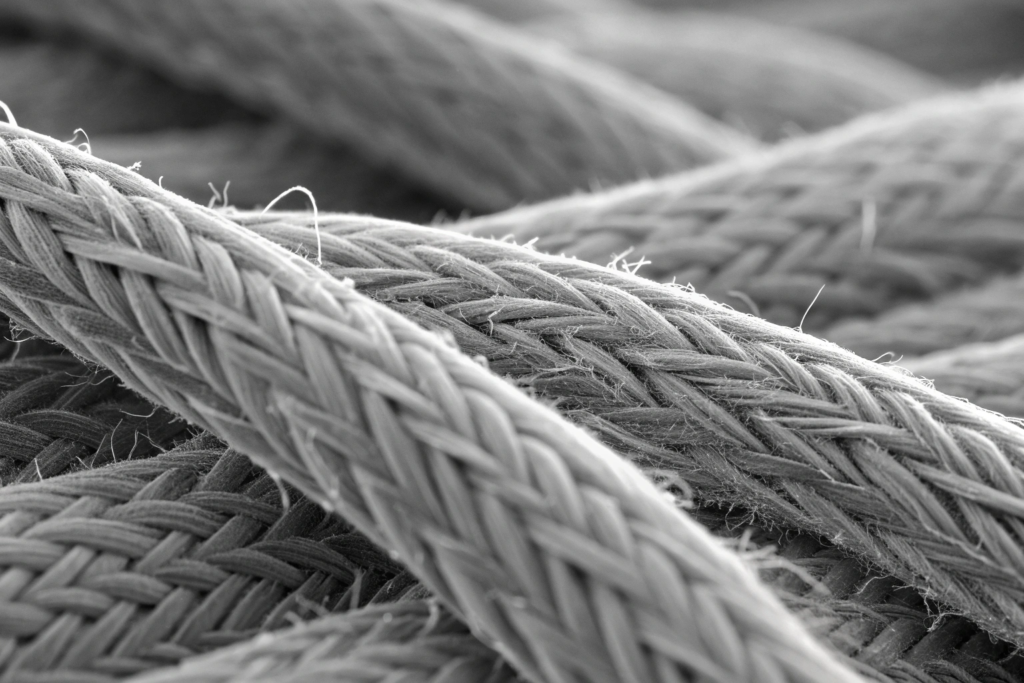
This surprises people, but hear me out. Nylon is stronger and more durable, which makes it the default choice for most compression wear. But polyester has advantages that matter for specific uses. Polyester is more hydrophobic—it literally repels water rather than absorbing it. This makes polyester-based compression fabrics dry faster and feel less clammy during intense sweating.
Polyester also holds color better than nylon, especially in bright or neon shades popular in athletic wear. And polyester is more resistant to chlorine damage, which matters for compression swimwear or triathlon gear. The trade-off is that polyester typically doesn't feel as soft against skin as nylon, and it can have slightly lower recovery rates.
For a triathlon brand based in Australia, we developed a custom blend of 70% polyester and 30% elastane specifically for their swim-run transition garments. The fabric needed to perform in water and on land, drying quickly between disciplines. Standard nylon blends stayed wet too long, causing chafing. The polyester blend solved this, and their polyester vs nylon for athletic compression athletes reported significantly better comfort during long events. Sometimes the "second best" fiber is actually the best for your specific application.
How does yarn denier affect compression pressure and comfort?
Denier measures the thickness of individual fibers—lower numbers mean finer fibers, higher numbers mean thicker, heavier fibers. In compression wear, denier selection dramatically affects both the feel and function of the finished fabric.
For light to medium compression (like everyday activewear), we typically use 20-40 denier nylon combined with 20-40 denier spandex. This creates fabric that's soft, flexible, and comfortable for all-day wear. For medical-grade or high-performance athletic compression, we might go to 70-100 denier nylon, which creates firmer, more supportive fabric. The higher denier fibers pack more tightly together, generating greater compression force.
But there's a trade-off. Higher denier fabrics feel heavier and less against skin. They can also trap more heat. For a professional basketball team in 2022, we developed custom compression tights using graduated denier—finer fibers in less critical areas for comfort, heavier fibers around calves and thighs where maximum support was needed. This yarn denier impact on compression fabric performance engineering approach gave athletes performance benefits without sacrificing comfort. The team's equipment manager told us it was the first time players actually wanted to wear compression during games rather than just for practice.
What knit structures create effective graduated compression?
Fiber blend gives you the raw materials, but knit structure determines how those materials perform. The same nylon-spandex yarn can produce anything from flimsy dancewear to serious medical compression, depending entirely on how it's knitted. Understanding these differences helps you specify exactly what you need.
Graduated compression requires different knit tensions in different areas of the garment. The highest compression should be at the extremities (ankles, wrists), gradually decreasing toward the core. This gradient promotes blood flow back to the heart. Achieving this requires circular knitting machines with sophisticated tension controls that can vary stitch density across the garment tube.
How does circular knitting differ from flat knitting for compression wear?
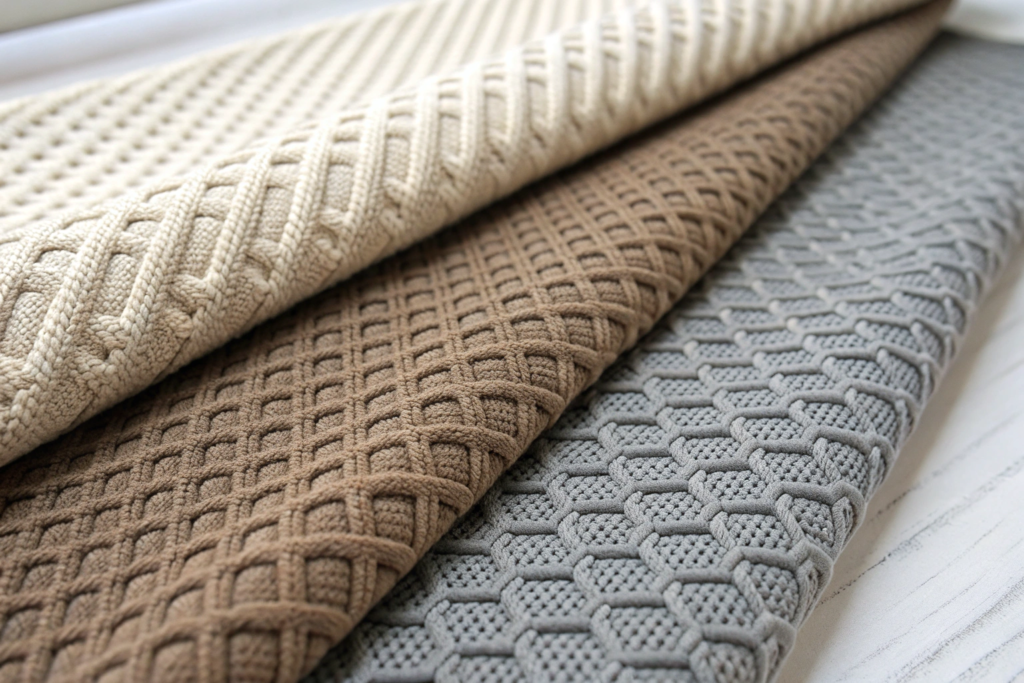
Most compression garments are made on circular knitting machines, which produce a seamless tube of fabric. This is ideal for compression because there are no side seams to create pressure points or restrict stretch. The machine can be programmed to knit different zones with different tensions, creating graduated compression automatically.
Flat knitting produces fabric in open width, which is then cut and sewn into garments. This allows for more design flexibility—different colors, textures, or pocket placements—but creates seams that can affect compression consistency. For high-performance athletic wear, seamless circular knitting is generally preferred. For fashion-forward compression that prioritizes style, flat knitting might work better.
In 2021, a Swedish activewear brand asked us to develop compression tops with integrated shelf bras and mesh ventilation panels. This required flat knitting to place the features exactly where needed. We worked with our knitting partners to develop a hybrid approach—circular knit base for consistent compression, with flat-knit panels inserted during garment assembly. The circular vs flat knitting for compression garments result combined performance and style, and the collection won awards for innovation. Sometimes the best solution uses both technologies.
What role does stitch density play in moisture management?
Stitch density—how many stitches per square inch—directly affects both compression and moisture transport. Denser stitches create firmer compression but can trap heat and sweat. Looser stitches breathe better but provide less support. The art of compression design lies in balancing these competing needs.
Modern compression fabrics use engineered stitch structures that create channels for moisture movement. Tiny grooves between stitches act like capillaries, pulling sweat away from skin and spreading it across the fabric surface where it can evaporate. This is why cheap compression feels wet and clammy while premium compression stays relatively dry—the stitch engineering is completely different.
We test moisture management using a device that measures how quickly liquid spreads across fabric and how fast it dries. Premium compression fabrics should achieve spread rates of 3-5 mm per second and dry completely within 30-40 minutes at room temperature. In 2023, we developed a new stitch density and moisture management in compression wear knit structure for a marathon apparel brand that achieved 4.2 mm/second spread and 28-minute drying time—significantly outperforming their previous fabric. Their runners reported feeling noticeably drier during long training runs, which translated to fewer chafing complaints and higher reorder rates.
How do you verify compression levels without expensive equipment?
This is the question every brand asks. Compression claims are easy to make but hard to verify without investing in specialized testing equipment. Yet verifying compression is essential—if your garments don't deliver promised pressure, customers will return them and never come back. Fortunately, there are practical approaches even smaller brands can use.
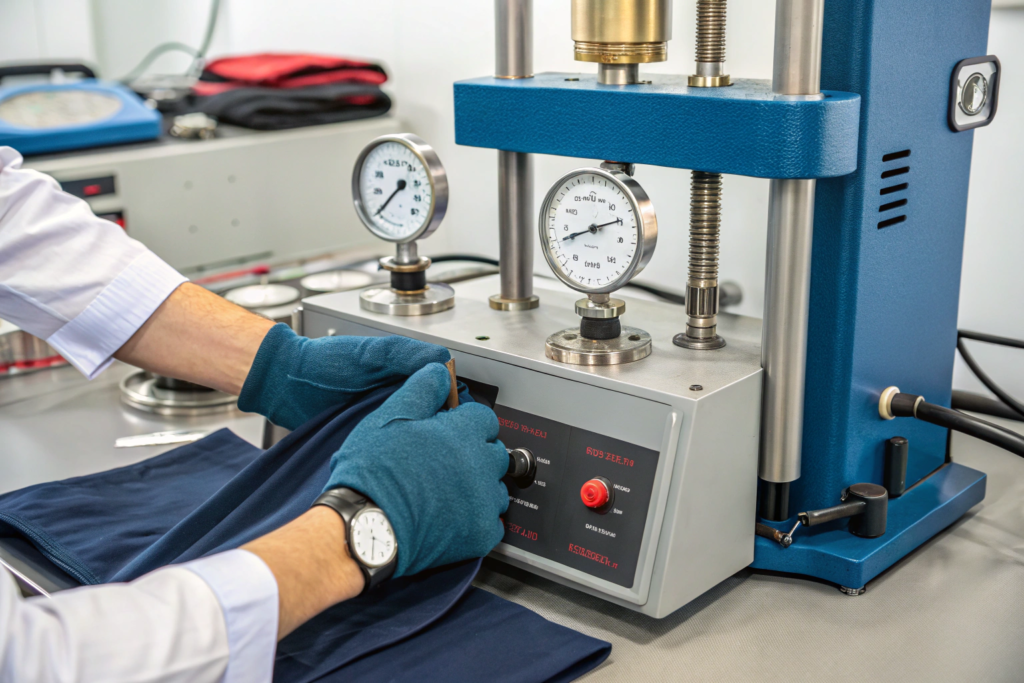
The gold standard is the MST MKIV or similar compression testing devices that measure pressure in millimeters of mercury (mmHg). Medical compression typically requires 15-20 mmHg for mild compression, 20-30 for moderate, and 30-40 for firm. Athletic compression usually targets 15-25 mmHg depending on application. Any serious compression supplier should have this equipment and provide test reports.
What simple field tests can buyers perform on compression samples?
Before investing in lab testing, you can do basic assessments that reveal a lot. First, the stretch test—measure a 10cm section of fabric, stretch it to maximum, release, and measure again after 1 minute. Quality compression should recover to within 2-3mm of original length. Cheap fabric will stay stretched out.
Second, the wear test. Have someone with consistent measurements try sample garments and report perceived compression in different zones. Is it tighter at ankles than knees? Does it feel consistent left to right? Human perception isn't precise measurement, but it reveals problems lab tests might miss—like seams that dig in or fabric that feels uneven.
Third, the wash test. Run samples through 20 wash cycles following care instructions, then repeat the stretch test. Compression that fails after washing is worthless for athletic use. We provide all clients with how to test compression fabric quality wash test protocols and offer to retest samples after our own wash cycles to verify durability claims.
What documentation should you request from compression fabric suppliers?
Don't accept vague claims. Request specific technical data sheets that include:
- Fiber composition with exact percentages and fiber sources
- Fabric weight (GSM) with tolerance ranges
- Compression pressure measured in mmHg at standardized points
- Recovery percentage after stretch and after washing
- Moisture management test results (wetting time, absorption rate, drying time)
- Dimensional stability (shrinkage after washing)
- Color fastness to washing, perspiration, and light
A reputable supplier will provide this documentation readily. If they hesitate or offer only marketing brochures, that's a red flag. In 2020, a potential client asked for these documents from three shortlisted suppliers. Two provided incomplete data with obvious gaps. We provided complete test reports from our CNAS-accredited lab, including batch-specific results, not generic certificates. We got the compression fabric technical data requirements order because we could prove what we claimed rather than just assert it.
What finishing treatments enhance compression fabric performance?
The fabric coming off knitting machines isn't ready for garments yet. Finishing treatments transform raw knit into performance fabric. These treatments affect everything from hand feel to durability to antimicrobial properties. Understanding finishing options helps you specify exactly what your products need.
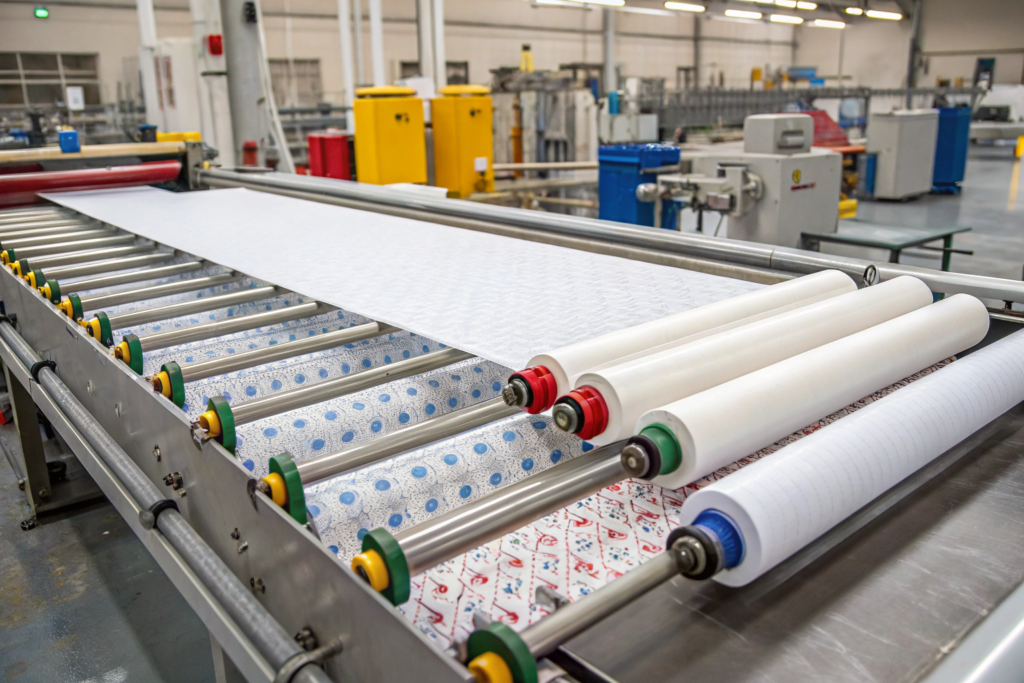
Basic finishing includes heat setting, which stabilizes the fabric and sets the stretch properties. Without proper heat setting, compression fabric will shrink or lose tension during garment washing. We heat set at precisely controlled temperatures based on fiber type—too low and it's unstable, too high and we damage elasticity. This is one area where experience matters enormously.
Which antimicrobial treatments work best for compression wear?
Compression garments trap sweat against skin for hours, creating ideal conditions for bacterial growth. Antimicrobial treatments control odor and reduce bacterial populations. The two main options are silver-based treatments and zinc-based alternatives.
Silver ions disrupt bacterial cell membranes and reproduction. They're highly effective but can wash out over time if not properly bonded. We use a silver chloride treatment that binds chemically to fiber surfaces rather than just coating them, maintaining effectiveness through 50+ washes. Zinc-based treatments are gentler and often preferred for sensitive skin, though they're slightly less potent against some bacteria strains.
For a Japanese marathon brand in 2022, we developed compression socks with zone-specific antimicrobial treatment—heavier treatment in high-sweat areas, lighter treatment elsewhere to reduce chemical use. The antimicrobial finishes for compression sportswear socks maintained odor control through 100 marathons in testing, and the brand reported zero odor complaints in their first year of sales. Getting finishing right matters as much as base fabric selection.
How do wicking finishes differ from inherent fabric wicking?
This distinction matters for long-term performance. Some fabrics rely on topical finishes to achieve wicking—a chemical coating applied during finishing that makes water spread quickly. These finishes work initially but wash out over time, usually after 10-20 cycles. The garment feels wetter as it ages.
Inherent wicking comes from fiber shape and fabric construction. Certain polyester fibers are engineered with cross-sections that create capillary channels—think of them as microscopic drinking straws cut in half. These channels move moisture regardless of finishes. This wicking lasts the life of the garment.
The trade-off is cost. Inherent wicking fibers cost more than standard fibers. For premium compression brands targeting serious athletes, the investment makes sense. For budget lines or fashion-oriented compression, topical finishes might be acceptable. We help clients weigh wicking finishes vs inherent fabric properties these trade-offs based on their target market and price points. There's no universal right answer—only what's right for your specific customers.
Conclusion
Compression wear represents one of the most technically demanding categories in textiles. Getting it right requires understanding fiber science, knitting technology, finishing chemistry, and quality verification in ways that simpler garments don't demand. But the reward is products that genuinely improve athletic performance and recovery—products customers love and reorder.
At Shanghai Fumao, we've invested heavily in compression expertise over the past five years. Our R&D team includes specialists in elastane chemistry and knit engineering. Our lab can test compression pressure, recovery rates, and moisture management to international standards. And our production partners have circular knitting machines capable of graduated compression in seamless garments. We've helped everyone from medical device companies to yoga brands develop compression products that perform.
If you're ready to develop compression wear that athletes will actually want to wear, reach out to our Business Director, Elaine. She can walk you through our capabilities, discuss your specific requirements, and help you navigate the technical decisions that separate great compression from mediocre. Contact Elaine at [elaine@fumaoclothing.com]() to start a conversation about your next collection. Let's build something that performs as hard as your customers do.