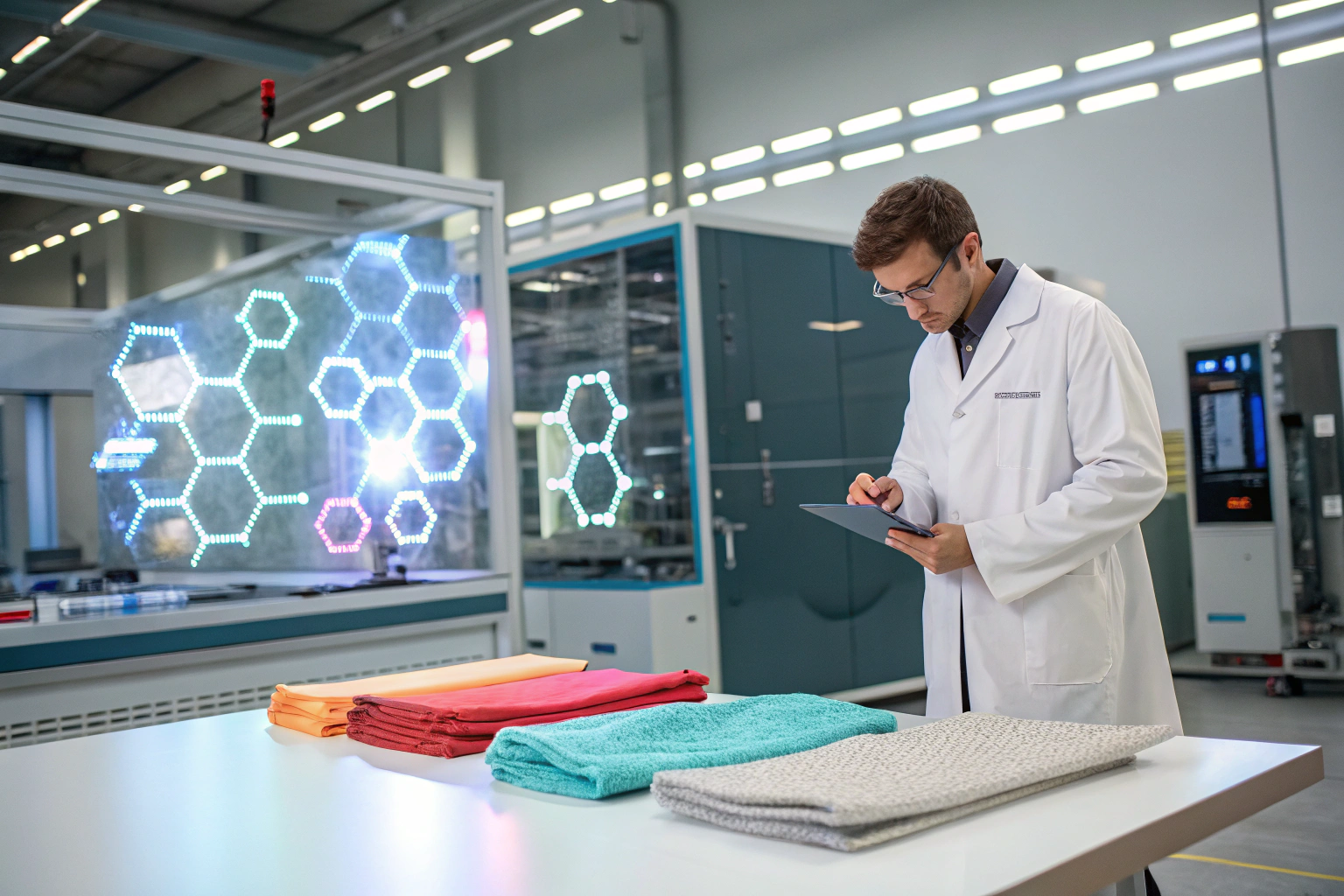
You're designing the next generation of performance wear. Your customers demand gear that not only performs under pressure but also aligns with their values—sustainability, comfort, and smart functionality. But with so many "high-tech" fabric claims on the market, how do you separate genuine innovation from marketing hype? Choosing the wrong material can lead to poor reviews, returns, and a damaged brand reputation. The right fabric isn't just a component; it's the core experience of your product.
The best activewear fabrics in 2026 will be those that masterfully balance advanced performance, circular sustainability, and data-driven comfort. We're moving beyond basic moisture-wicking polyester. The winners are next-generation recycled polymers, nature-derived smart cellulosics, and innovative bio-based blends engineered for specific activities—from high-intensity training to recovery and mindful movement. Success lies not in a single "miracle" fabric, but in the precise engineering of material blends and finishes for targeted use cases.
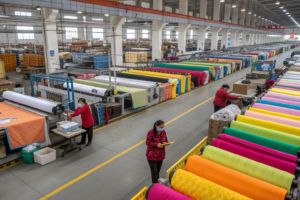
At Shanghai Fumao, rooted in the world's largest textile cluster in Keqiao, we see the future taking shape in our R&D lab and on the production floor daily. It's a shift from "fabric as a commodity" to "fabric as a technology platform." The trends for 2026 are clear: performance must be planet-positive, durability must be coupled with biodegradability, and comfort must be quantifiable. Let's dive into the material innovations that will define the next wave of sportswear.
Which High-Tech Synthetic Fabrics Are Leading Performance Innovation?
The synthetic fabric arena is no longer just about polyester and spandex. It's an engineering playground where molecules are tailored for ultra-specific functions. The leaders in 2026 are fabrics built for thermoregulation, muscle support, and superior sustainability credentials. These are not your standard gym staples; they are purpose-built systems designed to actively enhance athletic output and recovery.
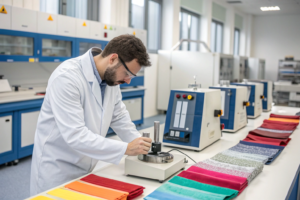
Leading the pack are phase-change material (PCM) finishes, graduated compression knits, and bio-engineered elastomers. For instance, PCM microcapsules integrated into fabric can absorb excess heat during intense activity and release it back as the body cools, maintaining an optimal microclimate. Imagine a runner's jacket that adapts to their body temperature from the starting line to the cooldown. In our CNAS-certified lab, we're working with a European yoga wear brand on a nylon-Lycra blend infused with a proprietary ceramic nanoparticle finish. This finish provides targeted infrared reflection, which preliminary data suggests may aid in muscle recovery by retaining gentle warmth. This is the level of specificity we're talking about for 2026.
How are bio-based nylon and polyester changing the game?
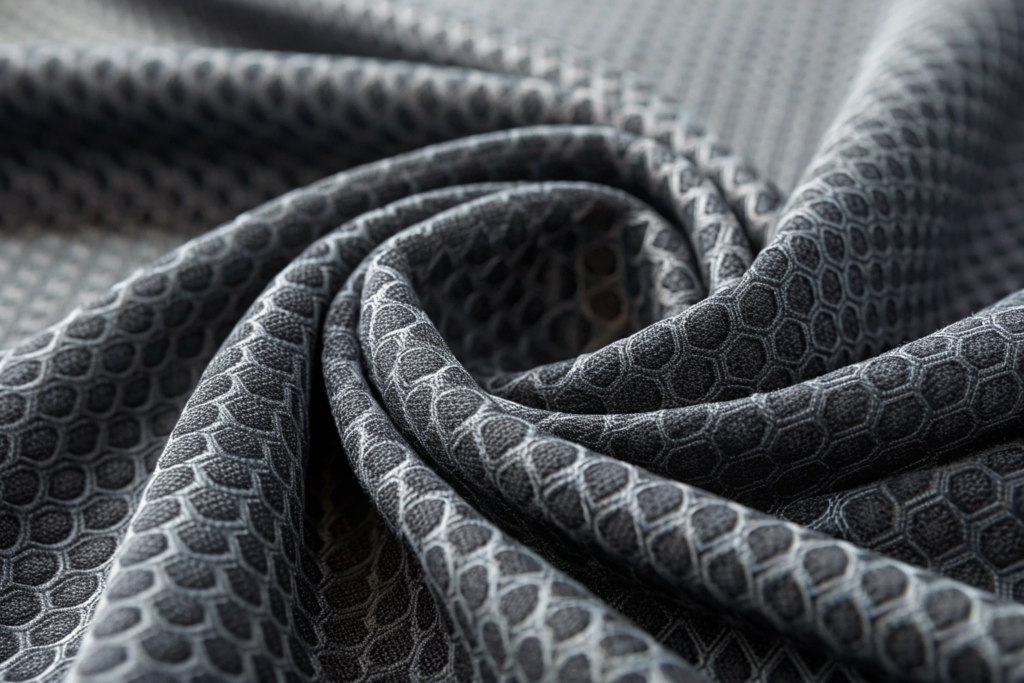
They are decoupling performance from petroleum. Bio-based synthetics, like nylon derived from castor oil or polyester partially sourced from sugarcane, offer the identical durability, stretch, and easy-care properties of their conventional counterparts but with a significantly reduced carbon footprint. The game-changer is drop-in compatibility—they can be processed on existing equipment, making adoption scalable.
For the activewear market, this means brands can offer "better" versions of classic pieces without compromising on performance. In 2025, we collaborated with a California surf brand to develop a line of board shorts using a bio-based polyester blended with recycled ocean plastic. The bio-component, derived from industrial corn waste, provided excellent UV resistance and quick-dry properties, while the recycled content tackled waste. The key was achieving a consistent dye uptake across both fiber types, which our dyeing partners mastered after 7 sampling rounds. This move towards hybrid bio-and-recycled synthetics is a dominant 2026 trend, well-documented in resources like the Textile Exchange Material Change Index reports.
What makes a fabric truly "thermoregulating" versus just moisture-wicking?
This is a critical distinction. Moisture-wicking is a passive, one-way process: it moves sweat (liquid) from the skin to the fabric's outer surface to evaporate. It keeps you drier but not necessarily at an optimal temperature.
Thermoregulation is an active, dynamic process where the fabric manages heat energy. It involves:
- Heat Buffering (with PCMs): Absorbing excess body heat.
- Active Cooling (through engineered construction): Using strategic mesh zones, yarn channels, or coatings that enhance evaporative cooling.
- Insulation Regulation: Trapping warm air when needed (like during rest periods in outdoor training).
A truly thermoregulating fabric might combine a hollow-core polyester fiber (creating insulating air pockets) with a hydrophilic finish that accelerates sweat transport and a PCM treatment at key hotspots (lower back, underarms). We developed a prototype for a Nordic skiing apparel company last winter that used this exact combination. Field tests showed a 15% reduction in perceived thermal discomfort during variable-intensity workouts compared to their previous benchmark fabric. To understand the science, the Advanced Functional Fabrics of America (AFFOA) consortium publishes white papers on next-generation thermoregulatory textile technologies.
Why Are Next-Gen Natural and Cellulosic Fibers Gaining Popularity?
Consumers are seeking a "second-skin" feel that connects them to nature, even during the most intense workouts. While synthetics dominate pure performance, a new wave of engineered natural and cellulosic fibers is bridging the gap. They offer unparalleled softness, breathability, and a compelling biodegradability story, but now with the durability and functionality once reserved for synthetics.
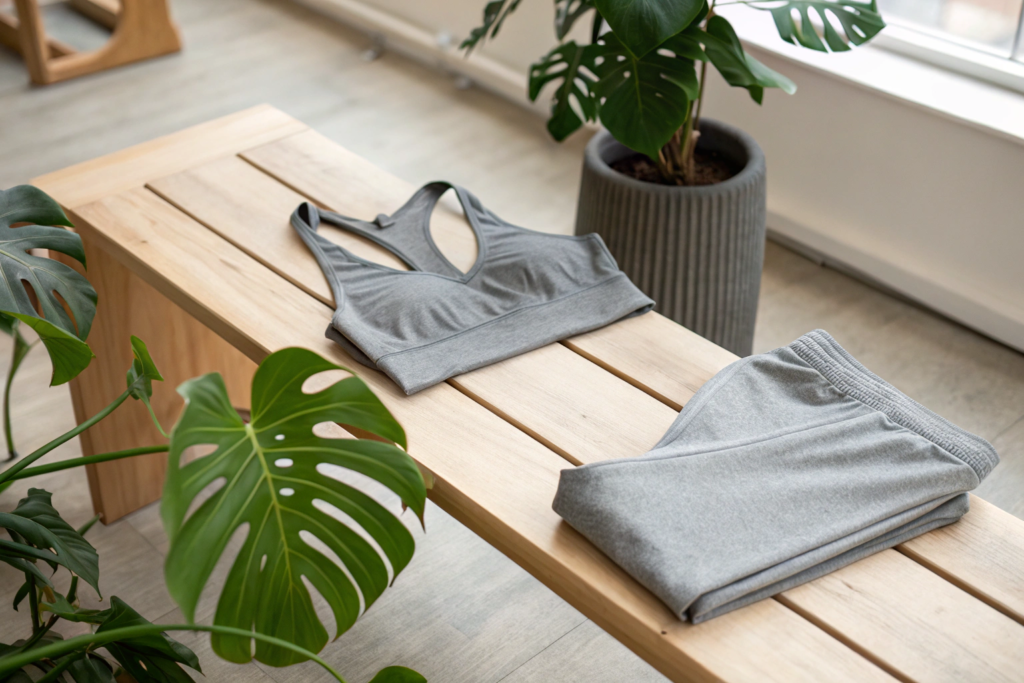
These fibers are gaining popularity because they answer the demand for transparent, nature-derived comfort with augmented performance. Brands are leveraging them in blends or as standalone fabrics for low-to-medium impact activities, yoga, and recovery wear. The narrative is powerful: performance powered by plants. At Shanghai Fumao, our BAMSILK (bamboo silk) blend—a mix of refined bamboo lyocell and silk protein—has seen a 40% year-on-year growth in orders for premium yoga and lounge sets. Its natural bacteriostatic properties and thermoregulating feel (cool in summer, warm in winter) resonate deeply with mindful consumers.
Is Tencel Lyocell with Refibra technology the future of sustainable activewear?
It is a leading contender. Standard Tencel Lyocell, made from wood pulp in a closed-loop solvent system, is already a sustainability star. Refibra™ technology takes it further by integrating up to 30% recycled cotton pulp (from pre-consumer garment scraps) into the wood pulp feedstock. This creates a truly circular cellulosic fiber.
For activewear, this means a fabric that is:
- Highly breathable and moisture-absorbent (can absorb 50% more moisture than cotton).
- Incredibly soft with a smooth, drag-reducing surface (ideal for next-to-skin layers).
- Backed by a robust circular story. It's not just recycled polyester from bottles; it's giving new life to textile waste itself.
We are currently sampling a Refibra™ blended with Seacell® (seaweed) for a German athleisure brand. The combination aims to deliver moisture management, a mineral-rich skin feel, and traceable circularity. The challenge is optimizing the blend ratio for both performance in a tight knit and consistency in dyeing, a process our development team specializes in. Industry analyses, such as those on EcoTextile News, frequently highlight the role of circular cellulosics like Refibra in closing the fashion loop.
How are brands using merino wool in new, unexpected ways for sportswear?
Gone is the itchy, heavy wool of old. Ultrafine merino (often 17.5 micron or finer) is being engineered into lightweight, next-to-skin performance layers. Brands are leveraging its innate properties in smart ways:
- Natural Odor Resistance: Wool fibers naturally resist bacterial growth, meaning garments need fewer washes—a huge sustainability win.
- Temperature Regulation: Wool fibers crimp creates insulating air pockets, working in both cool and warm conditions.
- Moisture Management: It can absorb significant vapor (not liquid sweat) without feeling wet.
The innovation lies in blending and construction. We see ultrafine merino blended with a small amount of stretch nylon or Tencel for durability and drape. It's being used in 3D-knit running socks, seamless base layers for hiking, and even as a lining in hybrid jackets. In 2024, we produced a running t-shirt fabric of 80% ultrafine merino / 20% nylon for a New Zealand brand. The key was a precise mercerization process to enhance the wool's natural luster and strength without compromising its soft hand-feel. For technical deep dives, the Merino Wool Innovation Company often showcases advanced merino wool applications in technical apparel.
What Sustainable and Circular Fabric Trends Are Dominating 2026?
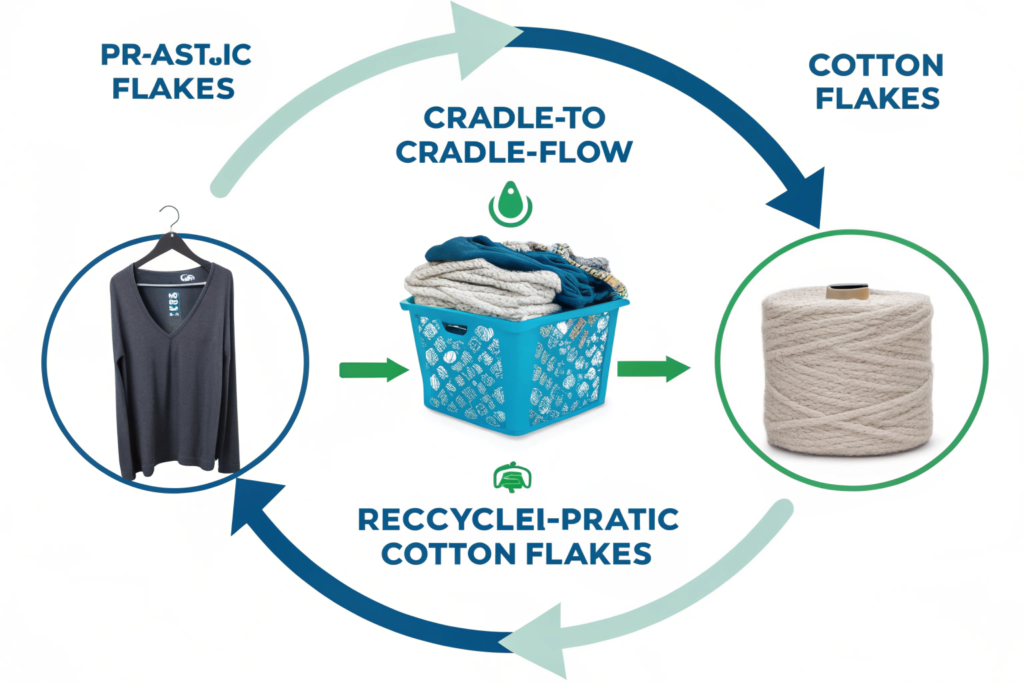
Sustainability in 2026 is moving beyond a marketing claim to a non-negotiable, engineered feature. The circular economy is becoming operational. The dominating trends are not just about using recycled materials, but about designing fabrics for their next life from the very first sketch. This means mono-material constructions, biodegradable elastane, and digital product passports embedded in the fabric.
The core trends are: 1) Fabrics designed for disassembly and recycling, 2) The rise of biodegradable synthetics, and 3) Transparency through technology. It's a holistic view of the fabric's lifecycle. For example, a major pain point in recycling stretch fabrics is the elastane (spandex) content. New bio-derived, biodegradable elastomers are entering the market, which break down under specific industrial composting conditions, allowing the polyester or nylon matrix to be cleanly recycled. This is a monumental shift.
Are mono-material fabrics the key to true recyclability?
Absolutely. In simple terms, a fabric made from 100% of one fiber type (e.g., 100% polyester or 100% nylon) is infinitely more recyclable than a blend. Mechanical recycling systems struggle to separate different polymers, often leading to downcycled, lower-value output.
The activewear challenge has been that performance often requires blending: polyester for wicking, nylon for softness, elastane for stretch. The innovation for 2026 is creating high performance within a mono-material system. We are developing:
- 100% Polyester fabrics with built-in stretch using textured, elastic yarns rather than adding spandex.
- 100% Nylon knits engineered for exceptional moisture management through capillary-action yarn design.
A Scandinavian brand recently launched a running tight using our prototype 100% recycled polyester fabric with a novel peached finish for softness and engineered knit panels for targeted compression—all without a single thread of elastane. This design ethos is central to initiatives like The Microfibre Consortium's work on designing recyclable performance textiles.
How do digital product passports (DPP) integrate with fabric?
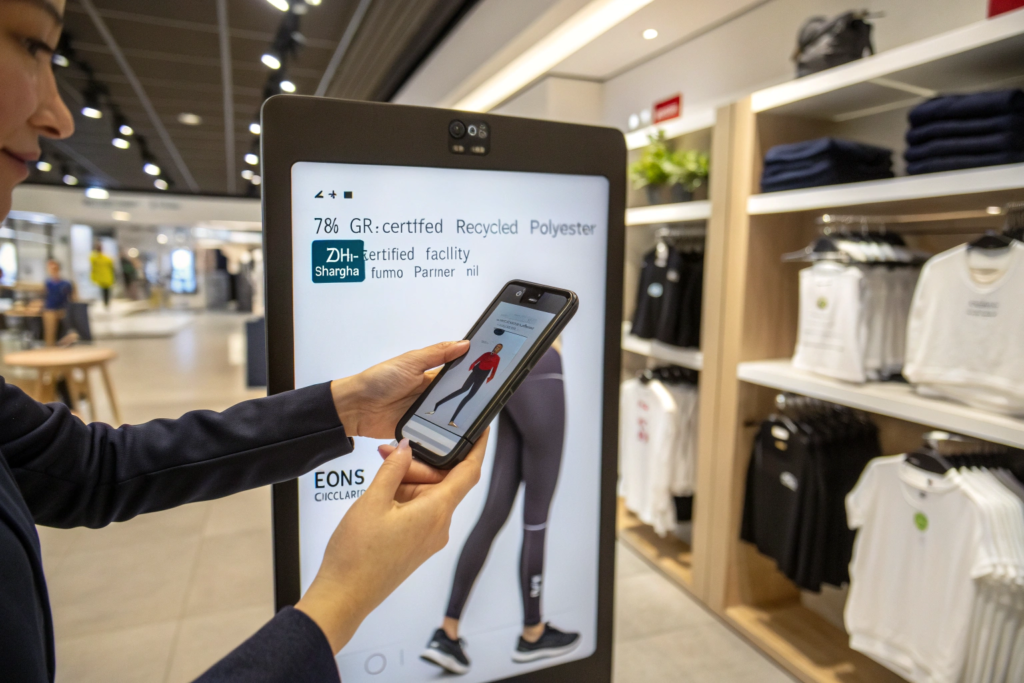
The Digital Product Passport (DPP), mandated by the EU for textiles by 2030, is a game-changer for transparency. It's a QR code or NFC tag linked to a unique digital identity for each garment. For the fabric, integration happens at our level:
- Data Embedding: We generate a unique batch ID for every fabric roll we produce. This ID is linked in a cloud database to information we provide: fiber composition (with GRS/OCS certificates), chemical compliance (OEKO-TEX test reports), manufacturing location, and care instructions.
- Physical Link: This batch ID is woven into the fabric's selvedge as a QR code or referenced on a hangtag.
- Chain of Custody: When the brand cuts the fabric, they scan the code, linking that batch to their finished garment's DPP.
This means a consumer can scan their leggings and see not just the brand's story, but proof that the fabric was made with 78% GRS-certified recycled polyester, dyed in a ZDHC-certified facility, and produced at our Shanghai Fumao partner mill on a specific date. It turns sustainability from a claim into verifiable data. Platforms like EON's CircularID are pioneering this infrastructure, and forward-thinking suppliers are getting ready now.
How to Choose the Right Fabric Blend for Specific Activities?
Selecting fabric is like choosing a tool—you need the right one for the job. A fabric perfect for hot yoga may fail miserably for cold-weather running. The choice hinges on analyzing the biomechanical, thermal, and psychological demands of the activity. In 2026, the trend is toward hyper-specialization, with fabrics engineered for niches like "high-intensity interval training in humid climates" or "recovery wear for post-marathon."
The right blend optimizes the strengths and mitigates the weaknesses of individual fibers. Your decision matrix should weigh moisture management, stretch and recovery, durability, thermal properties, and sustainability. Here’s a simplified guide from our development team's experience:
| Activity | Key Fabric Demands | Recommended 2026 Fabric Direction | Why It Works |
|---|---|---|---|
| High-Intensity Training (HIIT) | Maximum breathability, sweat evaporation, 4-way stretch, abrasion resistance. | Ultra-fine, porous polyester or nylon knit blended with ≤15% bio-elastane. Consider a mesh construction in high-heat zones. | Synthetics excel at moving liquid sweat away fast. A light elastane content ensures freedom of movement without compromising recyclability. |
| Long-Distance Running | Thermoregulation, moisture management over hours, chafe reduction, lightweight. | Moisture-wicking nylon or polyester blended with a small percentage (5-10%) of merino wool or Tencel. | The synthetic provides durable wicking; the natural fiber adds buffering for temperature swings and superior odor control for long wears. |
| Yoga & Mindful Movement | Soft, comfortable hand-feel, good drape, moisture absorption, aesthetic appeal. | Tencel Lyocell, Modal, or BAMSILK blends, often with a touch of elastane for fit. Brushed back or peached finishes are popular. | Cellulosics offer a luxurious, cool, and breathable feel that aligns with the wellness ethos. They absorb moisture well for moderate exertion. |
| Outdoor/Trail Sports | Durability, weather resistance (wind/light rain), thermal regulation, quick-dry. | Heavier nylon or polyester fabrics with a DWR (Durable Water Repellent) finish. Consider bi-component knits (synthetic exterior, soft brushed interior). | Nylon offers excellent strength-to-weight ratio. A DWR finish sheds light precipitation. Brushed interiors provide warmth without bulk. |
Remember: The finish is as important as the fiber. A HeiQ Cooling finish on a polyester fabric or an ecological durable water repellent (E-DWR) can define the end-use as much as the base yarn. We help clients navigate this by producing A/B comparison swatches with different blends and finishes, so they can feel and test the difference before committing to 10,000 meters.
Conclusion
The best activewear fabrics of 2026 represent a convergence of disciplines: material science, environmental engineering, and human-centric design. The era of a one-fabric-fits-all approach is over. Success belongs to brands that understand the nuanced needs of their customers' activities and pair that insight with precisely engineered material solutions. The winning formula combines uncompromising performance with genuine planetary responsibility, all verified by transparent data.
Your fabric choice is your most critical business and creative decision. It defines the wearer's experience, your product's environmental footprint, and your brand's credibility in a savvy market. Moving forward, partnership with a fabric supplier who has deep R&D capabilities and a forward-looking sustainability roadmap is not an advantage—it's a necessity.
Are you ready to prototype the future of performance wear? At Shanghai Fumao, we are not just keeping pace with these trends; we are actively developing the materials that will define them. From our CNAS-certified lab creating bio-based blends to our seamless integration of circular design principles, we provide a complete innovation pipeline. Let's engineer the perfect fabric for your 2026 collection. For a consultation and access to our latest trend-focused fabric libraries, contact our Business Director, Elaine. She will connect you with our technical team to bring your vision to life with the right materials, from concept to bulk delivery. Email Elaine at: elaine@fumaoclothing.com.