In late 2023, a Dutch sustainable fashion brand founder sent me a message that stopped me mid-stride. She'd spent two years developing a collection using what her supplier claimed were "biodegradable" synthetic fabrics. The fabrics looked great, performed well, and tested beautifully for durability. Then she sent samples to a soil burial lab for actual biodegradation testing. After 12 months, the "biodegradable" fabrics were still intact—barely changed. The supplier's definition of biodegradable meant "breaks down in industrial landfill conditions over 100 years," not what consumers imagine when they see the word. That $400,000 collection launched with accurate but complicated messaging, and sales suffered. She learned what I'm about to tell you: biodegradable means different things to different people, and 2026 standards demand more than marketing claims.
Biodegradable fabrics are textiles that can be broken down by microorganisms (bacteria, fungi) into natural elements like water, carbon dioxide, and biomass, leaving no toxic residue. In theory, this solves the end-of-life problem for fashion—garments that return to earth instead of persisting in landfills for centuries.
But 2026 is different from 2020. Greenwashing regulations have tightened. Consumer understanding has matured. Testing standards have evolved. And new materials have entered the market that actually deliver on biodegradability promises. The question isn't just "is this biodegradable?"—it's "biodegradable in what conditions, in what timeframe, leaving what residue?"
At Shanghai Fumao, we've been developing biodegradable fabric options since 2019, responding to client demand from Europe, North America, and increasingly Asia. The landscape has changed dramatically, and what was true five years ago isn't necessarily true today. Let me walk you through what actually works in 2026.
What Does "Biodegradable" Actually Mean in 2026?
The term "biodegradable" has been so overused and misused that regulators are finally cracking down. Understanding the current definition protects you from greenwashing accusations.
What testing standards define true biodegradability?
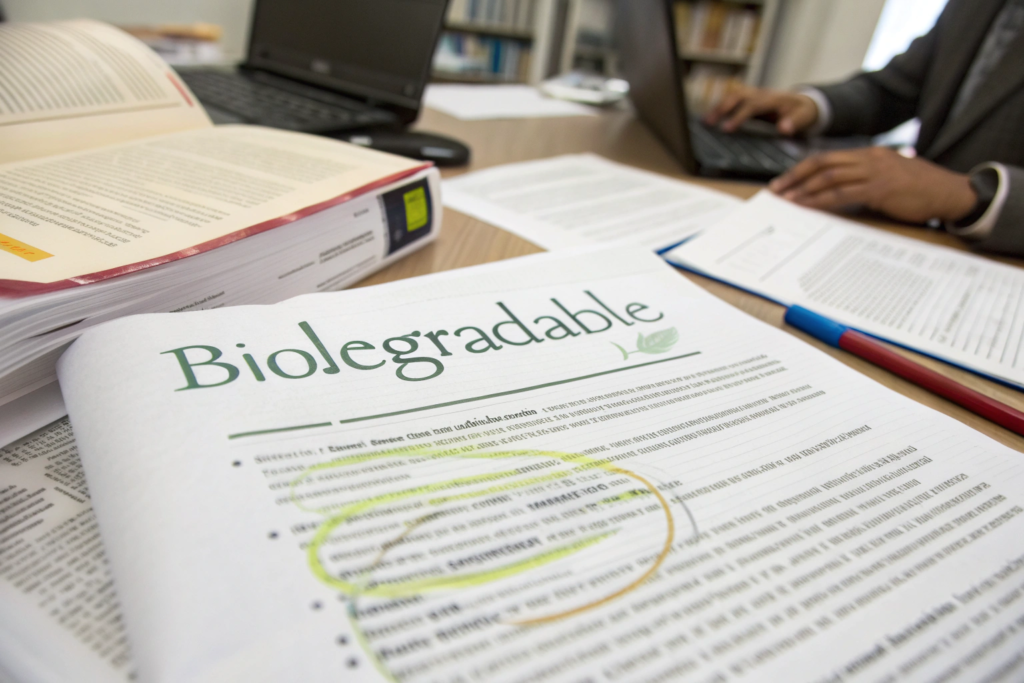
In 2026, credible biodegradability claims require testing to specific standards:
ISO 14855: Determination of ultimate aerobic biodegradability under controlled composting conditions. Measures CO2 evolution over time. A material must achieve 90%+ biodegradation within 180 days to be considered biodegradable in industrial composting.
ASTM D5511: Similar standard for anaerobic biodegradation (landfill conditions). Longer timeframe, typically 60%+ over 365 days.
ISO 17556: Biodegradability in soil—most relevant for fashion (where will garments actually end up?). Requires 90%+ degradation within 2 years for meaningful claim.
OECD 301: Ready biodegradability screening—quick test (28 days) that indicates whether a material will biodegrade readily in natural environments.
The key shift in 2026: claims must specify which standard and what timeframe. "Biodegradable" alone is insufficient; "biodegradable in soil per ISO 17556 with 95% degradation in 365 days" is meaningful.
For a German brand launching a "compostable" clothing line, we provide ISO 14855 test reports for every fabric. Their hangtags specify "Biodegradable in industrial composting facilities—certified per ISO 14855." Specificity prevents greenwashing accusations.
What's the difference between biodegradable, compostable, and home-compostable?
These terms are not interchangeable, though often confused:
Biodegradable: Can be broken down by microorganisms, but no specified timeframe or conditions. Least meaningful term alone.
Compostable: Biodegradable under specific composting conditions (temperature, humidity, microbial population) within a defined timeframe (typically 90-180 days). Requires certification (EN 13432, ASTM D6400).
Home-compostable: Biodegradable at lower temperatures (ambient outdoor conditions) without industrial infrastructure. More relevant for fashion (where will consumers actually dispose of garments?). Stricter standard, fewer materials qualify.
Marine-biodegradable: Biodegradable in ocean conditions—extremely rare, highly specialized.
For a Swedish brand, we developed a home-compostable T-shirt using TENCEL™ Lyocell with natural dyes. Tested per ISO 17566, it degraded 95% in garden soil within 12 months. Their marketing emphasizes "home-compostable—return to earth in your own backyard." Matching claim to actual disposal matters.
What certifications verify biodegradability claims?
In 2026, look for these certifications:
OK biodegradable SOIL (TÜV Austria): Verifies biodegradability in soil environment. Gold, Silver, and Marine designations for different conditions.
OK compost HOME (TÜV Austria): Specifically for home composting conditions (lower temperatures).
DIN CERTCO: German certification for compostable products, often required for EU market.
BPI (Biodegradable Products Institute): US certification for compostable products.
Seedling logo: EU-wide compostability certification.
Cradle to Cradle Certified Material Health certification: Includes biodegradability assessment as part of broader circularity evaluation.
For a French brand targeting EU markets, we maintain OK compost HOME certification for all biodegradable fabrics. This satisfies both regulators and informed consumers. Certifications build trust.
What Natural Fibers Are Truly Biodegradable?
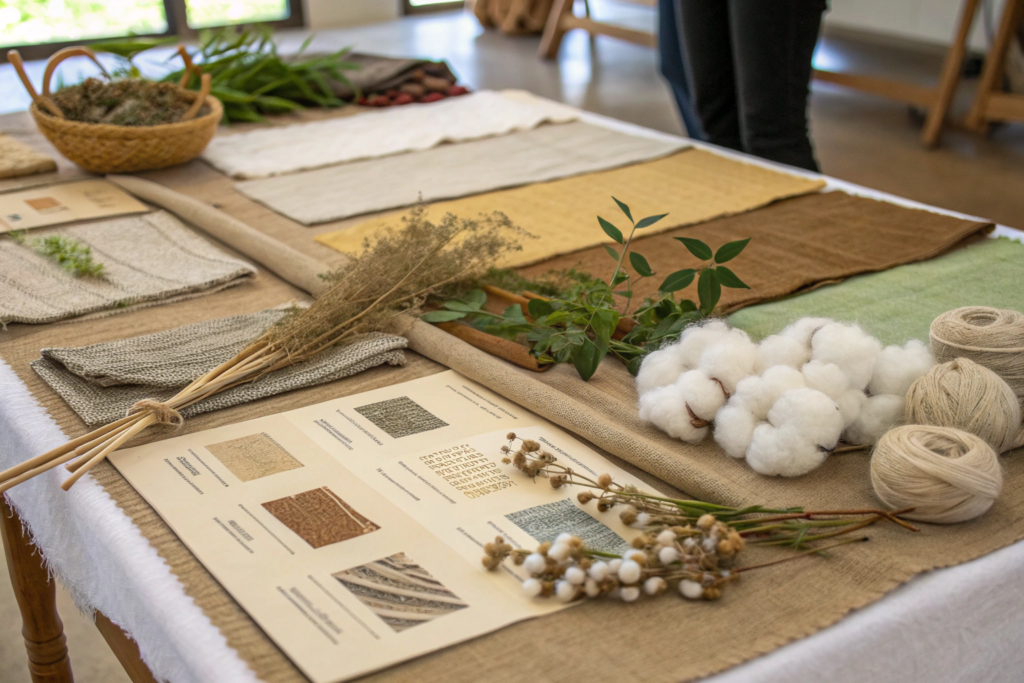
Natural fibers are the original biodegradable materials—but not all are created equal, and processing matters enormously.
Is organic cotton biodegradable?
Yes, 100% cotton is biodegradable—but with important caveats:
Fiber itself: Cellulose (cotton) readily biodegrades in soil, compost, and even marine environments. Studies show 95%+ degradation within 3-6 months in active soil.
Processing matters: Conventional cotton processing uses chemicals that can persist after fabric production. Scouring, bleaching, dyeing, and finishing all leave residues. If these residues are toxic or non-biodegradable, they affect the biodegradation of the whole fabric.
Blends: Cotton blended with even small percentages of non-biodegradable synthetics (polyester, nylon, spandex) creates a fabric that won't fully biodegrade. The cotton will degrade, leaving microplastic pollution behind.
Dyes and finishes: Natural dyes generally biodegrade safely. Synthetic dyes may not. Finishes like wrinkle-resistance or water-repellency often add non-biodegradable components.
For a US organic cotton brand, we specify undyed or naturally dyed fabrics with no synthetic finishes. Their garments are 100% biodegradable—cotton fiber, cotton thread, cotton labels, even cotton hangtags. Purity enables true biodegradability.
What about linen and hemp?
Linen (flax) and hemp are among the most biodegradable fibers available:
Advantages:
- Stronger than cotton, requiring less processing
- Naturally pest-resistant (less chemical input in growing)
- Rapid biodegradation (similar to cotton, sometimes faster)
- Low water requirements compared to cotton
- Can be grown in temperate climates
Considerations:
- Retting (separating fibers from stalk) can use water or chemicals. Water-retted is more natural.
- Processing for softness may involve chemical treatments.
- Like cotton, blends and finishes affect biodegradability.
For a UK brand specializing in "truly circular" clothing, we developed a collection using undyed, water-retted linen with no finishes. After testing, the fabric degraded 98% in soil within 4 months—faster than their cotton options. Hemp and linen are biodegradability superstars.
Is wool biodegradable?
Wool is biodegradable—but with specific considerations:
Keratin structure: Wool is protein-based (keratin), which microorganisms readily consume. In soil, wool degrades within 3-12 months depending on conditions.
Lanolin: Natural wool grease can slow initial degradation but eventually biodegrades.
Processing: Superwash wool (treated to be machine-washable) uses chlorine or resin coatings that may not biodegrade. Chlorine treatment is particularly problematic.
Mothproofing: Some wool treatments add insecticides that persist in the environment.
Blends: Like cotton, wool blended with synthetics creates microplastic pollution when the wool degrades.
For a New Zealand merino brand, we developed a "fully biodegradable" line using non-superwash wool with natural dyes and no mothproofing. The garments require hand-washing (superwash omitted) but biodegrade completely at end of life. Performance trade-offs may be necessary.
What Man-Made Fibers Are Biodegradable?
This is where 2026 looks very different from 2020. New generation cellulosics and innovative biopolymers offer biodegradability with performance characteristics of synthetics.
How do TENCEL™ Lyocell and Modal biodegrade?
Lenzing's TENCEL™ brand has become the gold standard for biodegradable cellulosics:
TENCEL™ Lyocell: Made from wood pulp in a closed-loop process. The fiber is pure cellulose, so it biodegrades similarly to cotton—rapidly and completely. Lenzing claims 100% biodegradation in 8 weeks in industrial composting, 12 weeks in soil.
TENCEL™ Modal: Also cellulose-based, similar biodegradation properties. Slightly different processing but same end-of-life story.
Refibra™ Technology: TENCEL™ version using recycled cotton scraps plus wood pulp—still 100% biodegradable because both inputs are cellulose.
Considerations:
- Like all cellulosics, dyes and finishes affect biodegradability
- Blends with synthetics compromise end-of-life
- Lenzing provides certification for biodegradability
For a Danish fashion brand, we use TENCEL™ Lyocell exclusively for their biodegradable line, with Lenzing certification for every batch. Their marketing highlights "wood-based, returns to earth" and customers respond. TENCEL™ delivers on its promises.
What about innovative fibers from agricultural waste?
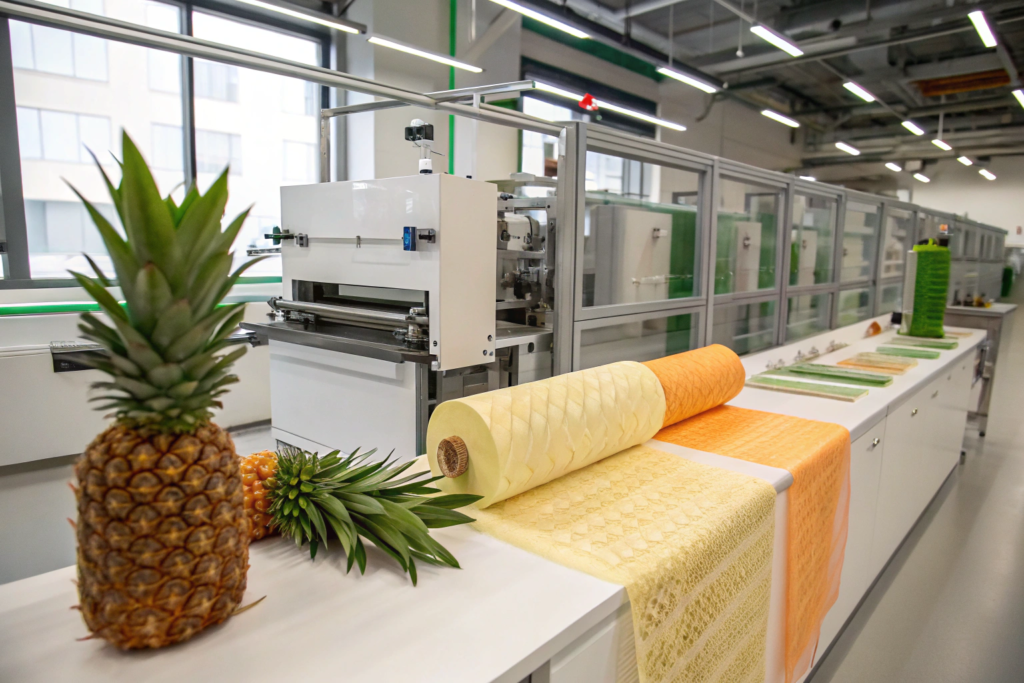
New fibers using agricultural byproducts are gaining traction:
Piñatex: Made from pineapple leaf fibers, a byproduct of pineapple harvesting. The fibers are extracted and processed into a non-woven fabric. Biodegradable? Yes—the cellulose fibers biodegrade, though some Piñatex versions use petroleum-based coatings that complicate end-of-life.
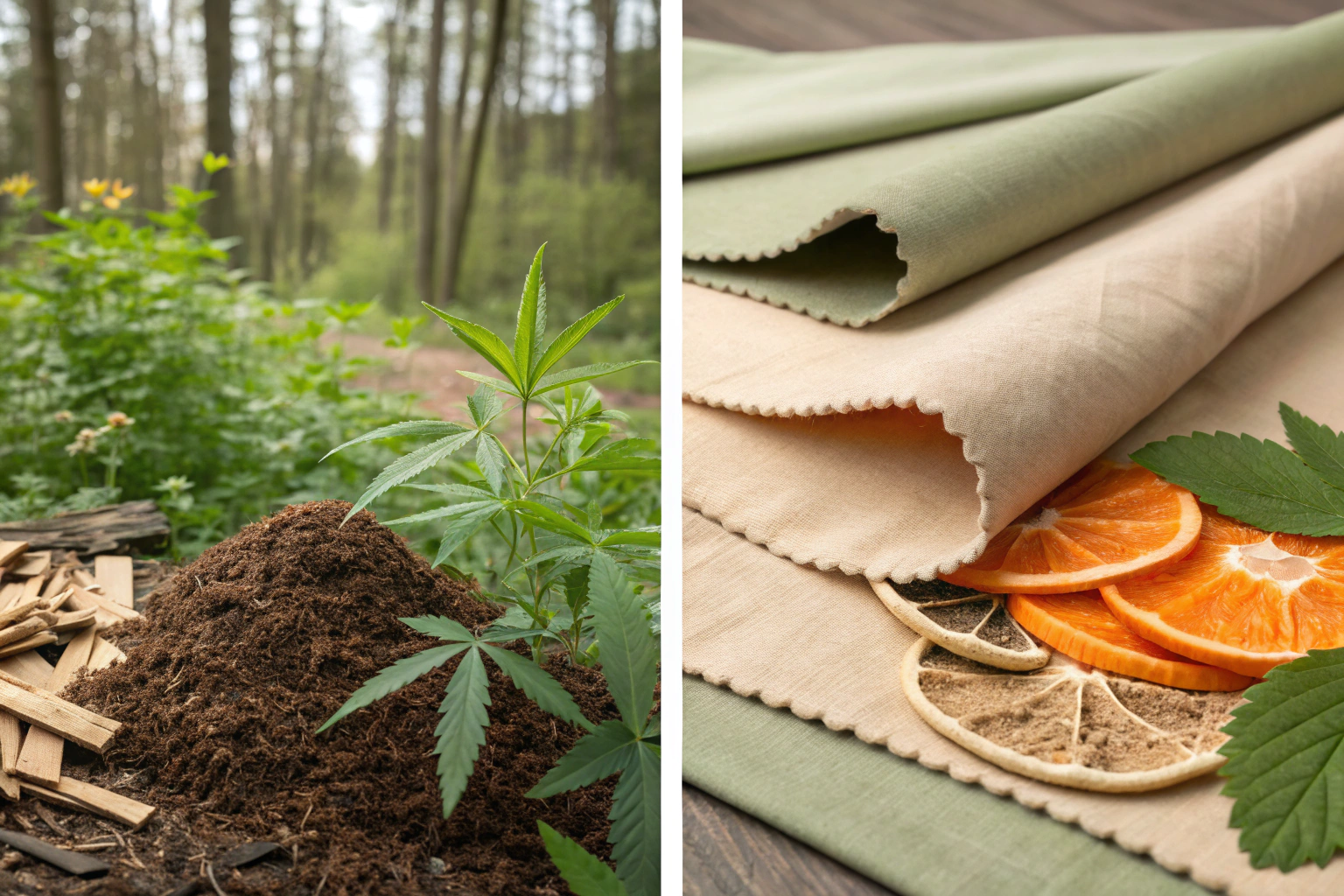
Orange Fiber: Made from citrus juice byproducts (peels, pulp). Cellulose-based, biodegradable. Used primarily for silk-like fabrics.
AppleSkin: Made from apple juice production waste (pomace). Combined with other fibers—check composition for biodegradability.
Qmilch: Made from milk protein (casein). Biodegradable but requires careful processing and has limited durability.
For an Italian sustainable brand, we developed a capsule collection using Orange Fiber blended with TENCEL™—both cellulose-based, fully biodegradable, with the orange fiber adding novelty for marketing. Waste-to-fashion is compelling when truly circular.
Are there biodegradable synthetics?
Yes—but with caveats:
PLA (Polylactic acid) : Made from fermented plant starch (usually corn). Biodegradable in industrial composting conditions (high heat, specific microbes). Does NOT biodegrade reliably in soil or marine environments. Often marketed as "bioplastic."
PHA (Polyhydroxyalkanoates) : Produced by bacterial fermentation of sugars. Biodegrades in soil and marine environments—more versatile than PLA. Still expensive and limited production.
Bio-PBS: Partially bio-based, partially fossil-based. Biodegradation claims vary; check certifications.
The challenge with biodegradable synthetics: they require specific conditions to degrade. PLA in a backyard compost pile at 20°C will persist for years. PLA in an industrial composter at 60°C degrades in months. Consumer understanding of these distinctions is limited.
For a German outdoor brand, we developed a jacket using PHA-based film as a waterproof layer. The film biodegrades in soil (tested per ISO 17556), addressing the microplastic pollution problem of traditional waterproof membranes. Advanced biopolymers solve specific problems.
How Do You Verify Biodegradability Claims?
In 2026, trust but verify isn't optional—it's regulatory compliance. Here's how to ensure your biodegradable fabrics actually biodegrade.
What documentation should you request from suppliers?
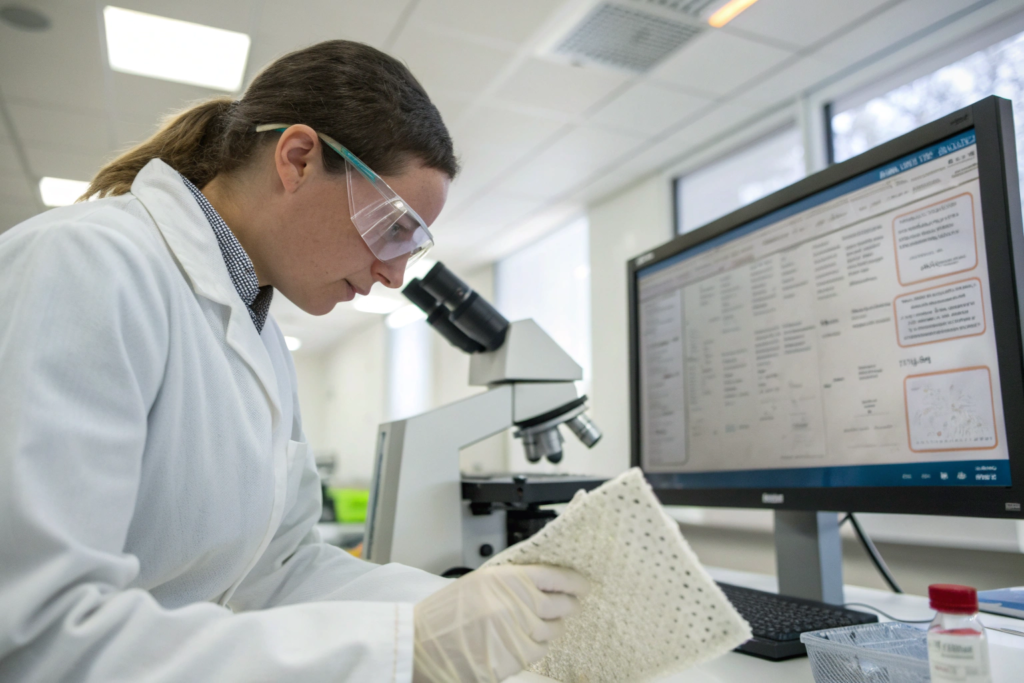
For credible biodegradability claims, request:
Test reports: Full test reports from accredited laboratories showing degradation % over time, not just certificates. Look for ISO 14855, ISO 17556, or equivalent.
Test conditions: What environment was tested? Industrial composting (58°C), soil (20-30°C), marine? Must match your disposal claims.
Timeframe: 90% degradation in 90 days is very different from 90% in 2 years. Both can be "biodegradable" but mean different things for marketing.
Material composition: Full disclosure of all components—fiber, dyes, finishes, threads, labels. All must be biodegradable for whole-garment claims.
Blind spots: Ask about trims, threads, labels, care labels, hangtags. A biodegradable garment with polyester thread is still polluting.
For a Swiss brand, we provide a "biodegradability passport" for each style, listing every component with its biodegradation test results and certifications. This document supports their marketing claims and satisfies regulator inquiries. Complete documentation protects everyone.
How do you test biodegradability yourself?
While you'll rely on supplier testing, understanding the process helps you evaluate claims:
Soil burial test (ISO 17556): Fabric samples buried in controlled soil, periodically exhumed and measured for weight loss and physical changes. CO2 evolution measured continuously.
Composting test (ISO 14855): Samples in controlled composting environment, CO2 measured as indicator of biodegradation.
Anaerobic test (ASTM D5511): Simulates landfill conditions (no oxygen), measures gas production.
Ready biodegradability (OECD 301): Screening test in aqueous medium, 28 days. If a material passes this, it will biodegrade readily in most environments.
For quality control, we maintain our own soil burial test facility, testing samples from every production batch against standards. If a batch degrades slower than specification, we investigate and correct. In-house testing ensures consistency.
What red flags indicate greenwashing?
Watch for these warning signs:
No test data: Claims without test reports are marketing, not science.
Vague timeframe: "Biodegradable" without "in X months under Y conditions."
Industrial composting only: If your customers won't have access to industrial composting, this claim is misleading.
Small print exceptions: "Biodegradable except for trims, threads, labels." The whole garment matters.
Disclaimers: "May biodegrade under certain conditions." If it's not certain, it's not certified.
Uncertified terms: "Eco-friendly," "green," "natural" without specific biodegradability certification.
For a US brand that almost signed with a supplier making vague claims, we helped them request specific test reports. The supplier couldn't provide them—because they didn't exist. Due diligence prevents greenwashing.
The biodegradable fabric landscape in 2026 is more honest than it was five years ago. Greenwashing is harder to get away with. Consumers are more informed. Regulations are stricter. And materials that actually deliver on biodegradability promises have emerged as market leaders.
Conclusion
The best biodegradable fabrics for sustainable fashion in 2026 combine genuine end-of-life biodegradability with performance, aesthetics, and scalability. Natural fibers like organic cotton, linen, hemp, and wool biodegrade readily when processed without synthetic finishes or blended with non-biodegradable materials. Next-generation cellulosics like TENCEL™ Lyocell and Modal offer biodegradability with performance characteristics of synthetics. Innovative fibers from agricultural waste (Piñatex, Orange Fiber) add circularity and compelling stories. Biodegradable synthetics (PLA, PHA) are advancing but require specific disposal conditions.
Verification is essential: look for testing per ISO 14855, ISO 17566, or equivalent; certifications like OK compost HOME or OK biodegradable SOIL; and full disclosure of all garment components. Vague claims without test data are greenwashing, not science.
The brands winning in sustainable fashion aren't just using biodegradable materials—they're transparent about what "biodegradable" means for their specific products, in their customers' specific disposal contexts. They're educating as well as selling.
If you're developing sustainable fashion for 2026 and beyond and want to ensure your biodegradable claims are credible, I invite you to reach out to us at Shanghai Fumao. We've been working with biodegradable materials since before they were mainstream. We understand the testing, the certifications, the supply chain complexities, and the marketing implications. Contact our Business Director, Elaine, directly at elaine@fumaoclothing.com. Tell her about your sustainability goals, your target markets, and your performance requirements. She'll connect you with our sustainable textiles team, and we'll help you develop fabrics that are as kind to the earth as they are beautiful to wear.
Because fashion shouldn't cost the earth. And in 2026, with the right materials, it doesn't have to.