Let’s cut through the noise. Sourcing fabric isn’t just about finding a factory; it’s about tapping into an ecosystem. You can find a cheap supplier in many places, but you’ll spend your time and profit managing chaos—coordinating between weavers, dyers, printers, and finishers across different cities, dealing with communication blackouts and logistical nightmares. This fragmented model is dying. The future belongs to integrated clusters, and Keqiao is the undisputed champion.
Sourcing from Keqiao isn't about finding a single factory; it's about plugging into the world's most efficient and complete textile supply chain. Think of it as the Silicon Valley for fabric. The advantages are not incremental; they are fundamental: unparalleled speed, unmatched variety, deep technical expertise, and a level of cost efficiency born from hyper-competition and collaboration. At Shanghai Fumao Fabric, being rooted here isn't just our address—it's our core competitive weapon. We don't just make fabric; we orchestrate the entire ecosystem to deliver what others simply cannot.
I’ve worked here for over twenty years. I've seen buyers come with skepticism and leave with a strategic advantage. Let me show you how this cluster gives you, the brand or buyer, tangible power.
How Does Keqiao's Vertical Integration Speed Up Development?
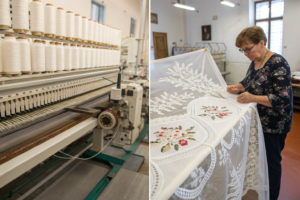
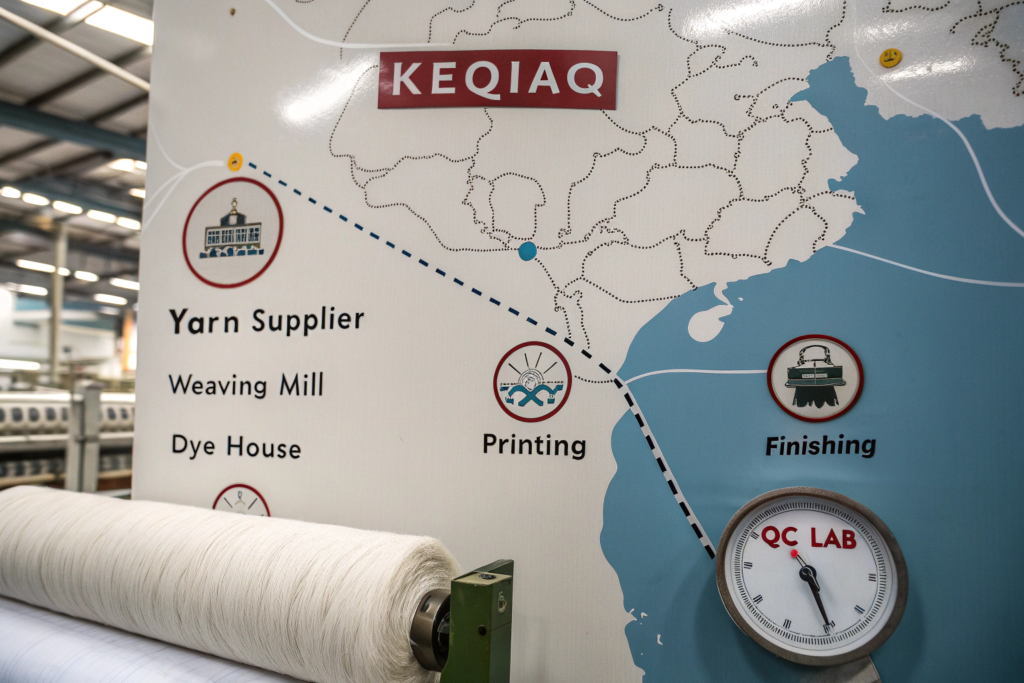
In the fashion world, time is the ultimate currency. Keqiao’s secret is its “one-hour supply chain.” Within a 50-kilometer radius, you have access to every single component of fabric production: yarn markets, weaving mills, dyeing factories, printing plants, embroidery shops, coating specialists, and finishing houses. This geographic density collapses timelines.
When you need a new sample, you don't wait for yarn to be shipped from another province. It’s sourced from the market down the street. The woven grey cloth can be at the dyer's door in an hour. The dyer can send it to the printer next door for sampling the same afternoon. This proximity allows for rapid iteration—what takes weeks elsewhere can be done in days here. Our agile R&D promise of 48-hour sampling isn't magic; it's the direct result of this physical ecosystem. We can literally walk samples between specialist partners.
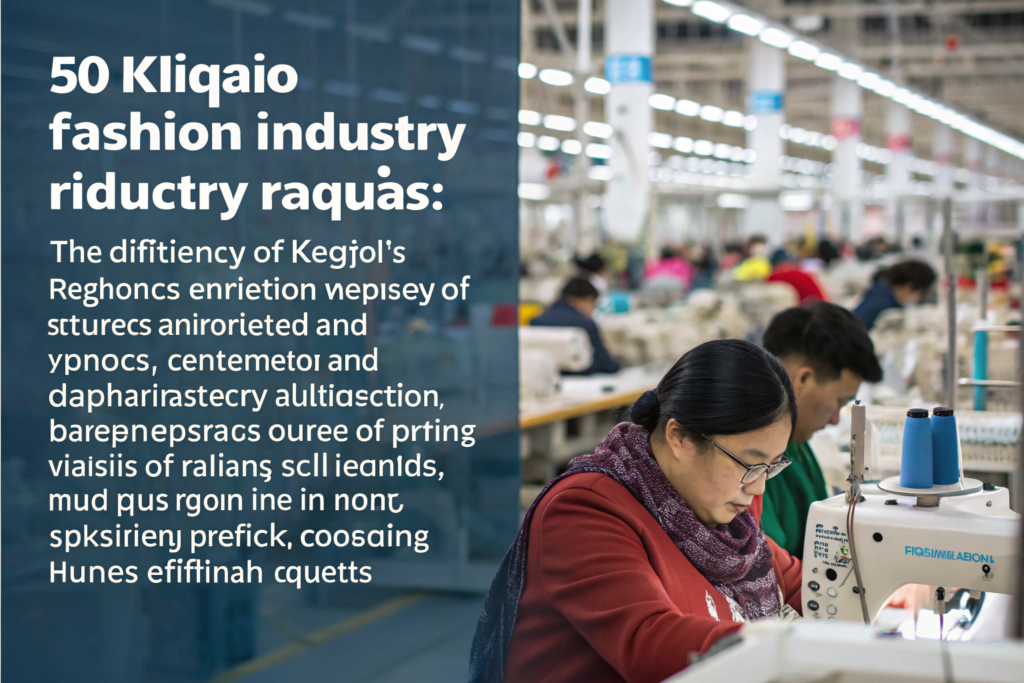
What does "rapid iteration" look like in practice?
Imagine developing a custom jacquard with a special moisture-wicking finish. In a fragmented supply chain, each sample iteration involves shipping grey fabric hundreds of miles for weaving, then again for dyeing, then again for finishing. In Keqiao, our developer can visit all three facilities in one morning, carrying the fabric by hand if needed. In 2023, a Los Angeles-based activewear startup needed 8 iterations on a recycled polyester blend to perfect the hand-feel and wicking. We delivered all 8 physical samples within 14 days, enabling them to hit a critical trade show. This speed is only possible here. Communities like The Fashion Business Coach often discuss how supply chain agility impacts time-to-market.
How does this integration de-risk production?
Vertical integration means control. Because we manage all stages locally, we eliminate the "blame game." If there's a color issue, we're in the dye house the same day, not waiting for emails from a distant partner. This control translates to reliability for you. For a major German outdoor brand, we produce a technical 3-layer laminate. The weaving, coating, and laminating are all done within our partner network in Keqiao under our direct supervision. This ensures perfect bonding and performance, something almost impossible to guarantee with dispersed suppliers. The Keqiao government's industry portal frequently highlights case studies of integrated manufacturing success.
What Cost Efficiencies Are Unique to the Keqiao Cluster?
Cost isn't just about the price per meter on a quote. It's about the total cost of sourcing, which includes sampling costs, error correction costs, logistics costs, and the opportunity cost of time. Keqiao’s cluster effect drives down all of these. It’s the economics of scale and competition, working in your favor.
First, material costs are lower because the wholesale yarn and accessory markets here are the largest in Asia. Buyers have real-time price transparency. Second, manufacturing costs are competitive because thousands of specialized factories compete on efficiency and technology, not just labor. But the biggest savings are in transaction costs: the time and money you save by having everything in one place.
How does competition within the cluster benefit buyers?
With over 80,000 textile-related businesses, Keqiao is a giant, transparent marketplace. If one weaving mill is at capacity, we can source from three others of equal quality within a day. This competition keeps technology advancing and prices honest. For you, it means you’re not held hostage by a single supplier’s schedule or quality lapses. We leverage this network daily to meet tight deadlines. For instance, when a client needed an urgent 5,000-meter run of linen-cotton canvas during peak season, we split the order between two trusted weaving partners to meet the deadline—a flexibility unheard of elsewhere.
Where are the hidden logistics savings?
Consolidated logistics are a game-changer. Instead of paying for multiple domestic shipments from different provinces to a consolidation warehouse (with associated handling and risk), all your fabric components are produced locally. They can be inspected, assembled, and packed in one location before direct export. This slashes inland freight costs, reduces handling damage, and simplifies documentation. Our global logistics team uses Keqiao’s multimodal hub to optimize this daily. A cost analysis by Flexport often illustrates the hidden expenses in fragmented manufacturing supply chains.
How Does Access to Innovation and Trends Provide a Market Edge?
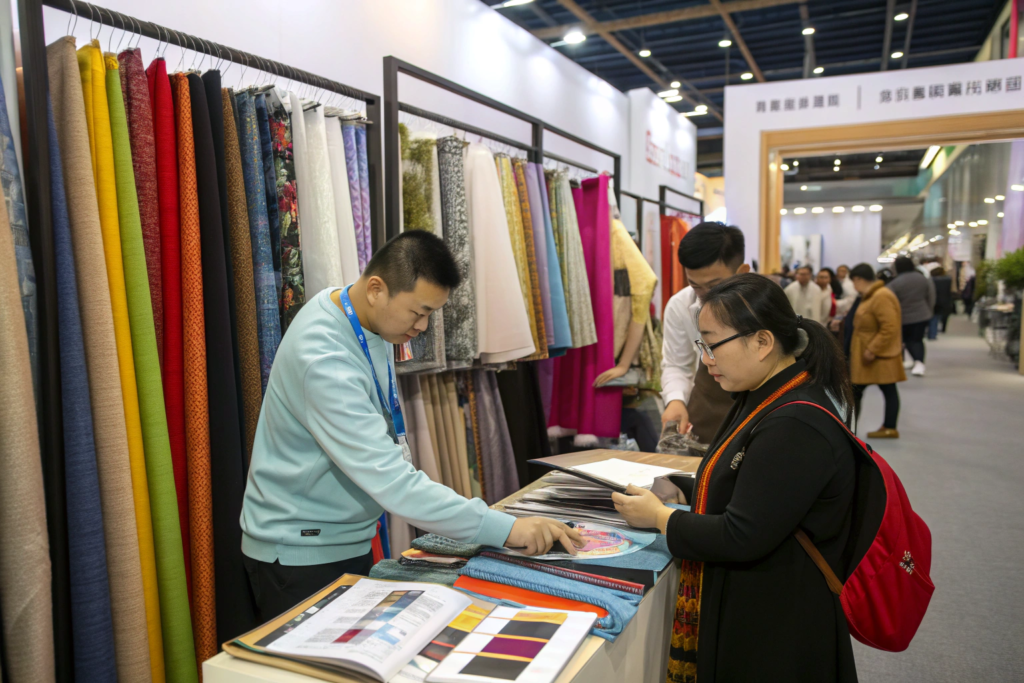
Keqiao isn't just a production hub; it's the central nervous system of global textile trends and innovation. The China Textile City market here is a 4-million-square-meter living encyclopedia of fabric. Walking its streets, you see next season’s colors, novel textures, and groundbreaking functional materials six to twelve months before they hit global retail. Sourcing here gives you a forecasting advantage.
More than just spotting trends, Keqiao is where they are manufactured. The R&D centers of major fiber producers (like DuPont, Tencel™, and Invista) have labs here. New fiber blends and finishes are trialed locally first. For a brand, this means you can work with suppliers who are already experimenting with the next big thing, not just reacting to it.

Can you really find sustainable/eco-friendly innovation here?
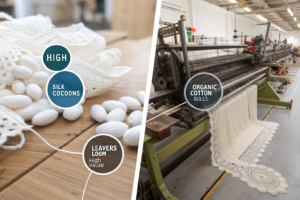
Absolutely. The "green transformation" of Keqiao is massive. Driven by both policy and global demand, it’s now a leader in eco-textiles. Our own eco-friendly innovations line—featuring recycled polyester, organic cotton, and BAMSILK—is developed here because the entire supply chain for certified green materials exists locally. You can source GOTS-certified yarn, find dyehouses with zero-discharge water treatment, and partner with printers using digital, low-waste technology, all within this district. In 2024, a Scandinavian brand partnered with us to develop a fully biodegradable blend using PLA from a local biotech startup—a project that would have been logistically impossible elsewhere.
How does this environment foster technical fabric development?
The concentration of talent—chemical engineers, textile technicians, master weavers—creates a collaborative innovation culture. When we face a technical challenge for a client, like developing a flame-resistant fabric that remains soft, we can convene experts from fiber science, finishing, and testing within days. This cross-pollination solves problems faster. A resource like Textile World regularly covers technical innovations emerging from industrial clusters like Keqiao.
What Level of Quality and Professionalism Can You Expect?
The stereotype of Chinese manufacturing being low-quality and unreliable is shattered in Keqiao. The market here has evolved. To survive intense local competition, suppliers must excel in quality, reliability, and service. The professional standards are exceptionally high. Buyers from ZARA, H&M, and Lululemon come here precisely because they need consistent, high-volume quality.
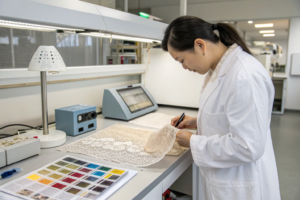
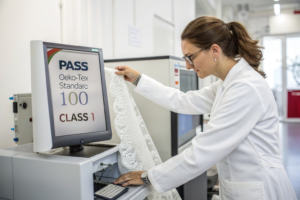
Quality is enforced by both market pressure and advanced infrastructure. Keqiao has multiple internationally accredited testing labs (like SGS and ITS offices, and our own CNAS-certified lab) on site. The expectation of professional communication, detailed contracts, and digital documentation is the norm, not the exception. Suppliers here are used to dealing with sophisticated global clients.
How is quality control institutionalized in the cluster?
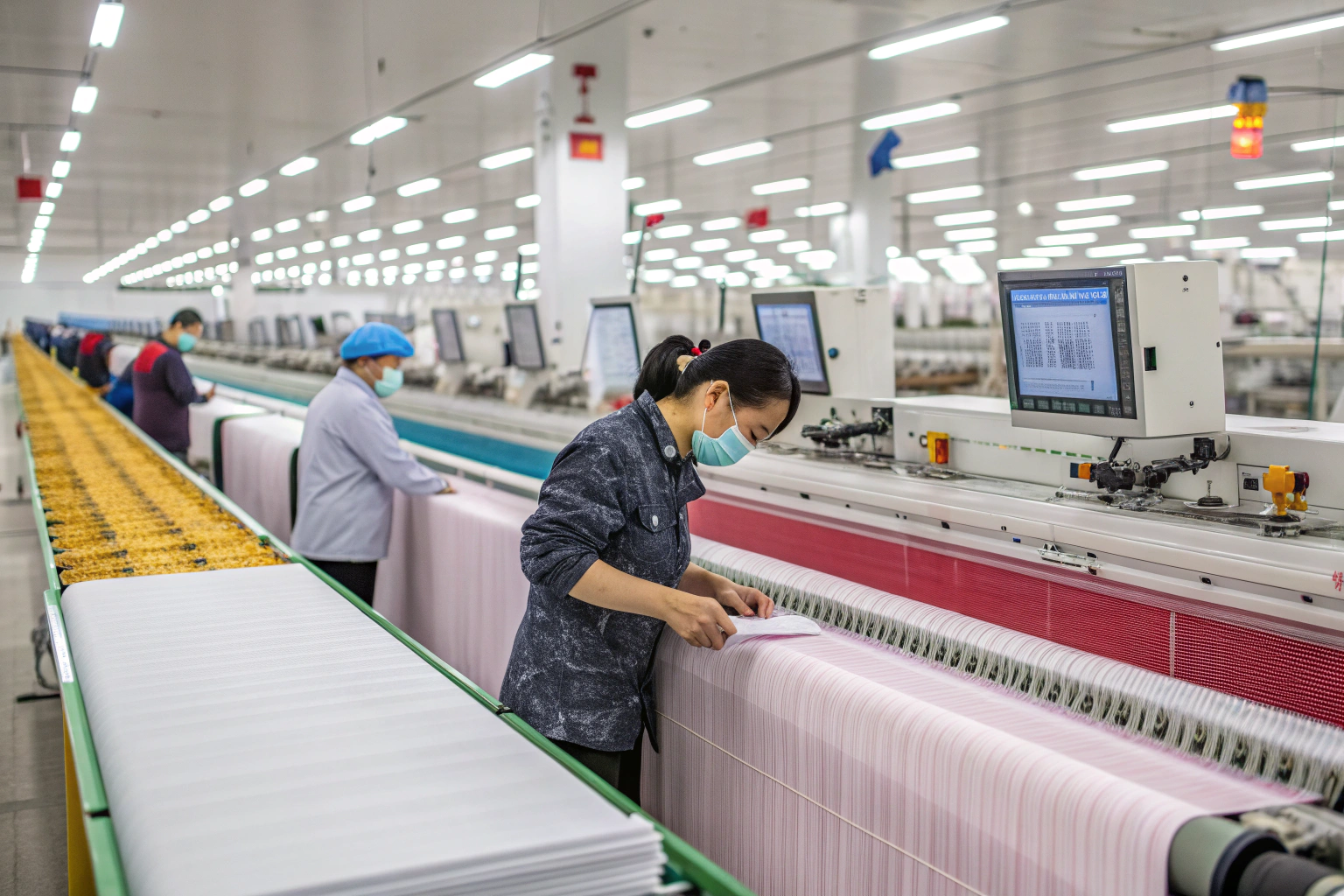
It's in the ecosystem. From yarn testing to final fabric inspection, specialized service providers exist at every step. More importantly, integrated suppliers like Shanghai Fumao build quality control into the vertical process. We conduct greige fabric inspection before dyeing (to avoid wasting dye on flawed cloth), in-process checks during dyeing, and 100% final inspection on automated machines that map every defect. This systematic approach, supported by the local availability of high-tech inspection equipment, ensures that the 98% client pass rate we quote is a reality.
Does sourcing from Keqiao mitigate communication and contractual risks?
Yes, significantly. The business culture here is export-oriented and professional. English-speaking technical staff are common. The use of detailed Tech Packs, Bulk Production Standards, and internationally recognized Incoterms is standard practice. Furthermore, being in a concentrated industrial zone supported by local government and trade associations adds a layer of accountability. Disputes can be mediated through established channels. For guidance, the U.S. Commercial Service provides reports on best practices for sourcing in key Chinese industrial clusters.
Conclusion
Sourcing from Keqiao is not merely choosing a Chinese supplier; it is strategically positioning your supply chain at the epicenter of global textile production. The advantages are systemic: blistering speed from vertical integration, significant total cost savings, frontline access to innovation, and a level of quality professionalism that meets the highest global standards.
In an industry where agility and reliability are paramount, Keqiao offers a structural advantage that dispersed sourcing regions cannot match. It allows brands to be faster, more innovative, and more cost-competitive.
To truly leverage this power, you need a guide who knows every alley of this vast ecosystem. At Shanghai Fumao Fabric, we are that guide. We are your insider partner in the world's textile capital, translating its vast potential into your specific, successful fabric order. Don't just source from China; source smartly from its beating heart. Contact our Business Director, Elaine, to begin: elaine@fumaoclothing.com.