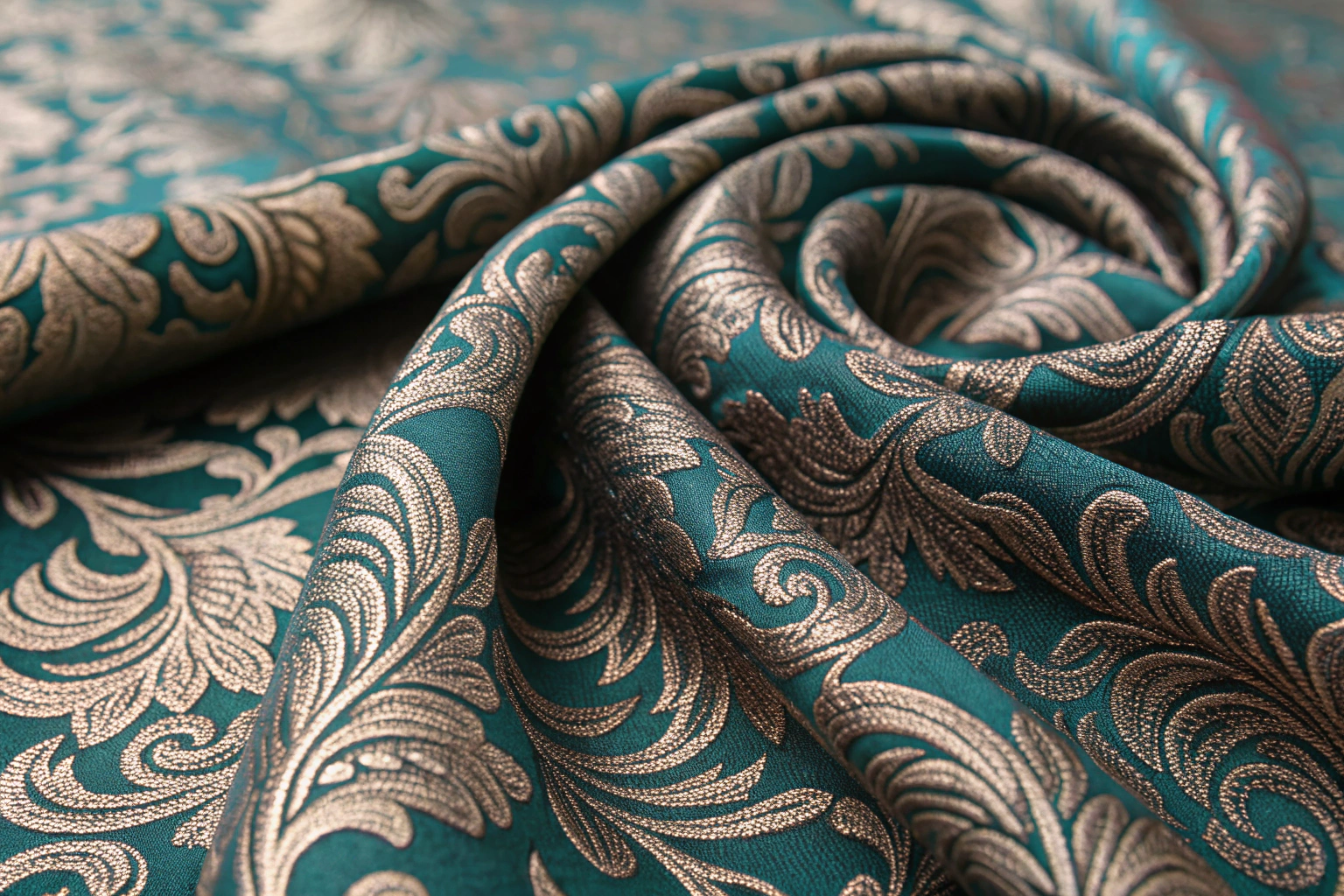
If you've ever run your fingers over a tapestry, a brocade curtain, or an intricately patterned silk tie, you've likely encountered jacquard. It’s that rich, textured fabric where the design isn't printed on but woven into the very soul of the material. But what exactly sets it apart, and why does it hold such a revered spot in the world of luxury fashion? Many buyers see the price tag and wonder: is this just another fancy weave, or is there real substance behind the sophistication?
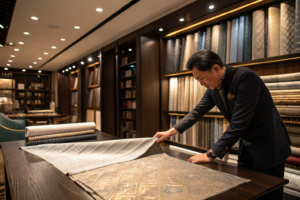
Simply put, jacquard isn’t a specific fabric like cotton or silk; it’s a groundbreaking weaving technique that allows for incredibly complex and detailed patterns to be created directly on the loom. This isn't surface decoration; this is structural artistry. The magic lies in its ability to produce large, elaborate, and often multicolored designs with a raised, almost three-dimensional quality that feels as luxurious as it looks. For luxury fashion, jacquard is more than a material—it’s a statement of craftsmanship, heritage, and exclusivity.
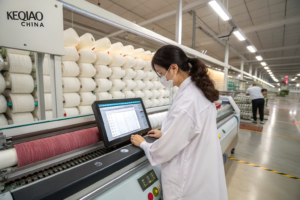
Understanding jacquard is key to appreciating the true value in high-end apparel and home textiles. From the historic looms of Lyon to the modern, computerized machines in our partner factories in Keqiao, the evolution of jacquard tells a story of technological innovation meeting timeless art. Let's unravel the threads of this exquisite fabric and discover how it continues to define opulence in today's fashion landscape.
What exactly defines a fabric as 'Jacquard'?
The core definition lies in the loom, not the fiber. A jacquard fabric is any textile woven on a jacquard loom, a machine invented by Joseph Marie Jacquard in 1804. Its revolutionary innovation was the use of punch cards (a precursor to modern computer programming) to individually control each warp thread. This freed weavers from the severe limitations of traditional looms, allowing for an unprecedented level of patterning complexity.
Unlike a basic plain or twill weave where the pattern is small and repetitive (like a simple stripe or check), a jacquard weave can create vast, non-repeating pictorial designs—floral motifs, intricate geometrics, even portraits woven directly into the fabric. The pattern is integral, not applied. This means the design has remarkable durability; it won't peel or fade like a print because it is the fabric. For brands and buyers, this translates to an heirloom-quality material. When you invest in a true jacquard, you're investing in a piece of textile engineering where every thread is part of a preordained, magnificent picture.
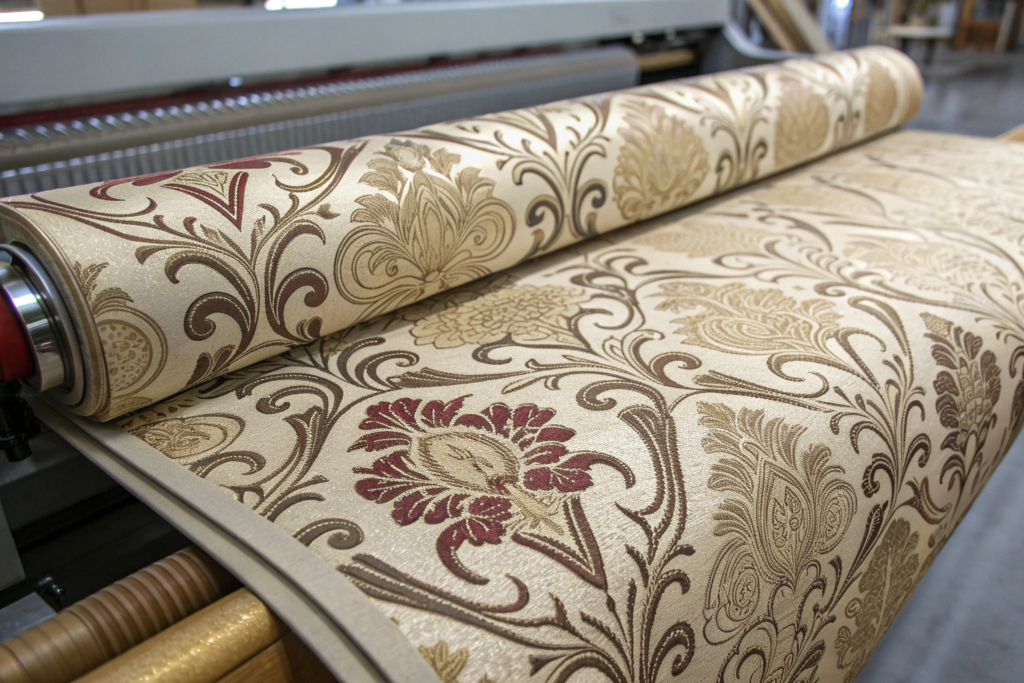
How does the jacquard weaving process differ from other techniques?
To visualize the difference, think of a piano. A standard loom is like playing a simple, repeating chord. A jacquard loom is like playing a full, complex symphony where each key (warp thread) can be activated independently at any moment. The heart of the system is the harness mechanism controlled by those original punch cards or, today, by computer files. This allows for the creation of large-figured designs that can utilize multiple colors of both warp and weft yarns. The result is a fabric with a pronounced texture and a clear right/wrong side, where the reverse often shows the pattern in negative. This technical depth is why sourcing high-quality jacquard fabric from specialist mills is crucial. A poorly executed jacquard can look flat and blurred. In our work at Shanghai Fumao, we partner with mills that maintain both the heritage skills and the latest electronic jacquard machinery to ensure every detail in the design file is rendered with needle-sharp precision in the final cloth.
Are all jacquards made of silk, or can they be other fibers?
This is a common misconception. While silk jacquards (like brocade and damask) are iconic in luxury, the jacquard technique can be applied to virtually any fiber. The fiber choice defines the fabric's character and end-use:
- Silk & Cotton: For luxury apparel, silk jacquard is the gold standard, offering unparalleled sheen, drape, and handle. Cotton jacquards are beloved for high-end home textiles (drapes, upholstery) and crisp, structured garments.
- Wool: Wool jacquards, such as those used in traditional tapestries or heavyweight winter coats, offer incredible warmth and a rich, matte texture.
- Synthetics & Blends: Modern luxury often incorporates polyester, rayon, or metallic blends. These can offer enhanced durability, color vibrancy, and reduced cost while maintaining the luxurious jacquard effect. For instance, we developed a recycled polyester jacquard for a contemporary European brand in 2023 that gave the visual richness of silk with the performance and sustainability credentials they required.
What are the classic types of jacquard fabrics in luxury design?
The world of jacquard is rich with specific names that have evolved over centuries. Knowing these terms is like knowing the vocabulary of luxury itself. Each type has a distinct structure and historical association, allowing designers to communicate a specific aesthetic and weight.
Two of the most historically significant types are Brocade and Damask. Brocade is the more extravagant cousin. It’s characterized by a raised, embroidered-like pattern, often using metallic threads (gold, silver) to create a lavish, multi-textured surface. Traditionally, it was the fabric of royalty and ecclesiastical vestments. Damask, in contrast, is more subtle and refined. It is a reversible, flat fabric where the pattern is created through a contrast in luster, using the same fiber but different weave structures (typically satin vs. sateen) to catch the light differently. Its beauty is in its understated elegance and superb drape, making it perfect for gowns, luxury linens, and formal interiors.
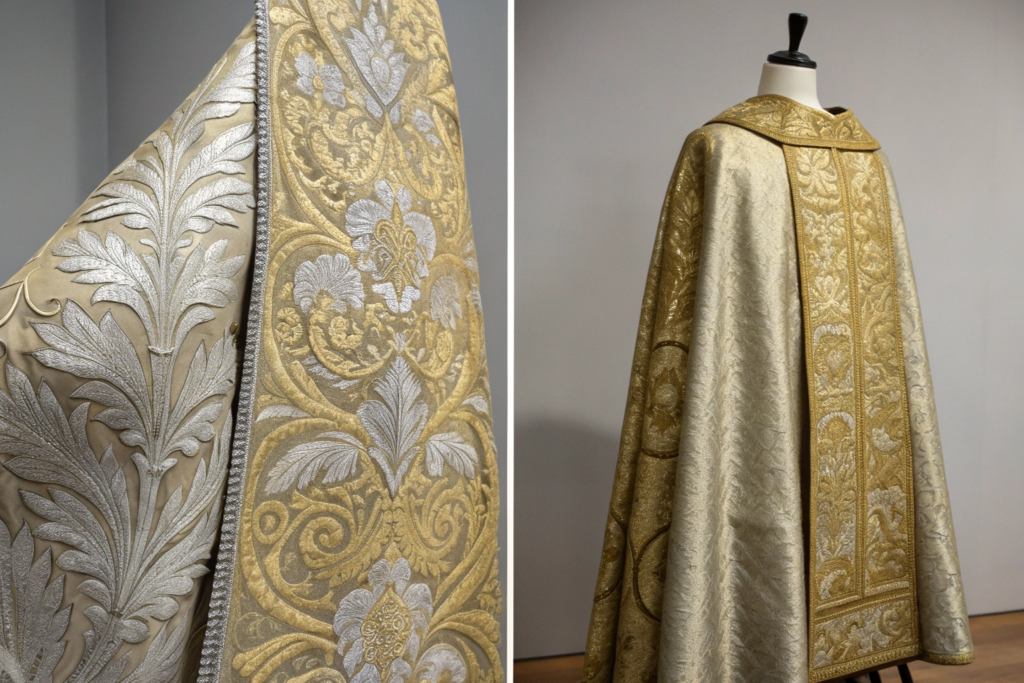
What are Brocade, Damask, and Matelassé, and how do I choose?
Let’s break them down into a quick guide:
| Type | Key Characteristic | Luxury Use Case | Visual Feel |
|---|---|---|---|
| Brocade | Raised, often multi-textured pattern. May include metallic threads. | Evening wear, ceremonial garments, luxury upholstery. | Opulent, heavy, ornate. |
| Damask | Reversible, flat pattern via weave-luster contrast. Usually single color. | High-end table linens, drapery, tailored suits, elegant gowns. | Subtle, refined, luminous. |
| Matelassé | Quilted or padded effect woven in, creating a puckered texture. | Winter coats, jackets, bedspreads, upholstered furniture. | Textured, cozy, dimensional. |
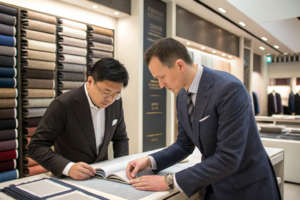
Choosing depends on your project's narrative. Is it for a show-stopping opera coat? Brocade. A timeless, elegant dress? Silk damask. A structured blazer with unique texture? A wool or cotton matelassé. In early 2024, we assisted a New York-based designer in selecting a custom silk brocade fabric for a limited-edition capsule collection. The design featured a custom botanical pattern with a subtle silver lurex thread. By controlling the yarn tension and using high-density electronic jacquard looms, we achieved a clarity in the complex pattern that became the collection's signature.
How are modern jacquards evolving beyond these classics?
Today’s luxury jacquards are pushing boundaries. Designers are blending fibers in innovative ways—mixing organic cotton with Tencel™ for a fluid, eco-conscious damask, or weaving wool with stainless steel micro-threads for a sculptural, avant-garde effect. Another major trend is photo-realistic jacquard weaving, where intricate images are translated directly into weave patterns. Furthermore, the integration of smart textiles is emerging. We are exploring jacquards that incorporate conductive yarns, allowing for subtle technological integration without compromising on aesthetic luxury. This evolution makes understanding the innovation in contemporary jacquard design essential for any brand looking to stand out.
Why is jacquard synonymous with luxury and high cost?
The association with luxury isn't an accident; it's a direct result of the process. First, there's the historical weight. Jacquard fabrics were, for centuries, accessible only to the aristocracy and church due to the immense labor and skill required. This heritage of exclusivity lingers in the modern perception. Second, and more concretely, is the cost of production. The creation of a jacquard fabric is resource-intensive at every stage: it requires specialized, expensive looms; highly skilled technicians to program and run them; more time on the loom compared to simple weaves; and often, higher-quality (and costlier) yarns to do justice to the complex design.
Every meter of jacquard tells a story of time, machinery, and expertise. The design process itself is a significant investment. Converting a graphic into a weave file (a "jacquard card" in digital form) is a specialized skill. It involves mapping every pixel of a design to a thread intersection, considering how colors and structures will interact. This upfront cost is why minimum order quantities (MOQs) for custom jacquards are higher than for standard fabrics. You're not just buying cloth; you're commissioning a woven artwork. This is why at Shanghai Fumao, we emphasize close collaboration during the development phase—getting the strike-off (first sample) perfect saves tremendous cost and time down the line.
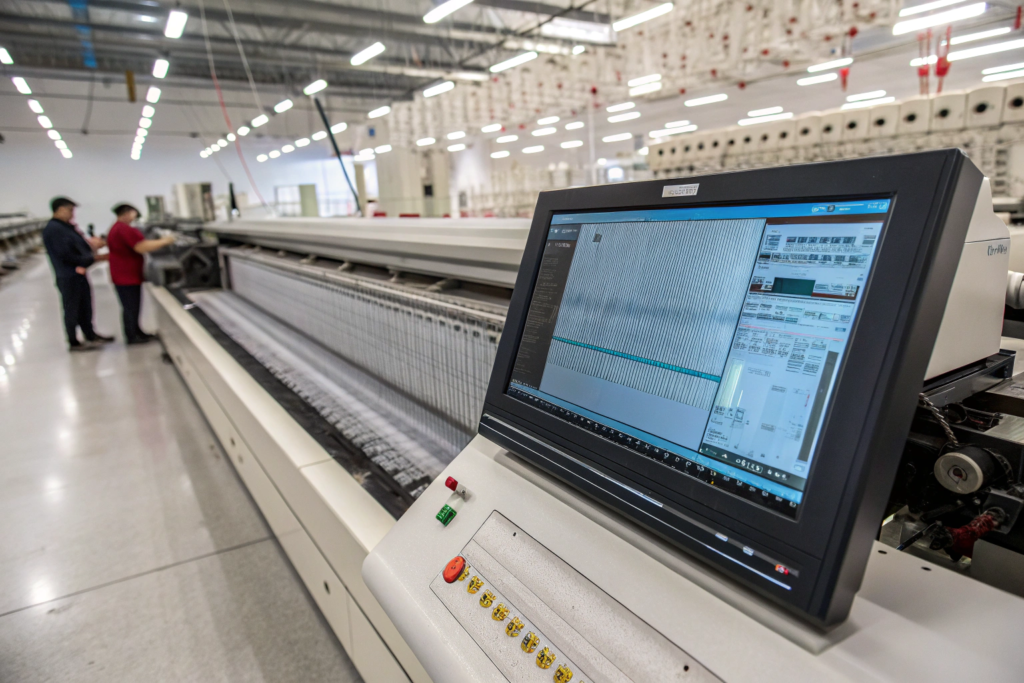
Is the high price always justified? What are the signs of quality?
Absolutely, when it's done right. The price is justified by durability, uniqueness, and the sheer impossibility of mass-producing it at high speed. Signs of quality in a jacquard are clear:
- Pattern Clarity: The design should be sharp and well-defined, not blurry or misaligned. Look at fine details—are the lines crisp?
- Fabric Integrity: The cloth should be dense and substantial without being stiff. It should drape according to its fiber content (silk should flow, wool should hold shape).
- Color Fastness & Yarn Quality: The colors should be rich and even. Poor quality yarns will pill or break under the complexity of the weave. A good supplier will provide test reports.
A red flag is a "jacquard-like" print—a flat, printed fabric trying to mimic the textured look of a true weave. It lacks the depth and longevity. For brands wanting to explore this realm, starting with a stock jacquard fabric design from a reputable mill can be a cost-effective entry point before commissioning a fully custom piece.
Can jacquard be sustainable and luxurious?
This is the defining question for modern luxury. The answer is increasingly yes. Luxury is evolving to mean responsibility as well as beauty. Sustainable jacquard involves:
- Material Choice: Using GOTS-certified organic cotton, recycled polyester (rPET) for stunning brocades, or Tencel™ lyocell for fluid damasks.
- Production Efficiency: Modern electronic jacquard looms are more energy and yarn-efficient than their mechanical ancestors, reducing waste.
- Durability as Sustainability: A well-made jacquard garment is an anti-fast-fashion statement. It's designed to last for decades, not seasons.
We proved this in a project last year, creating a line of jacquard fabrics for an eco-luxury home brand using 100% GRS-certified recycled cotton and polyester. The challenge was maintaining the luxurious hand and precise patterning with recycled yarns, which can be less consistent. Through precise spinning and tension control in our partner mill, we achieved a fabric that met both their stringent aesthetic and sustainability standards, opening up a new market segment for them.
How are leading fashion houses innovating with jacquard today?
Gone are the days when jacquard was confined to evening gowns and upholstery. Today’s luxury houses are treating the jacquard loom as a canvas for unprecedented innovation. They are deconstructing its traditional form, playing with scale, and merging it with other techniques to create entirely new fabrics. The goal is to tell a unique story that cannot be replicated with prints or embroideries.
One major trend is extreme scale. Designers are blowing up classic damask or paisley patterns to monumental proportions on coats and dresses, making the garment itself a piece of moving art. Another is jacquard manipulation – weaving the fabric with intentional gaps, slubs, or mixed yarn weights to create deliberate "imperfections" and a deconstructed, artisanal feel. Furthermore, houses are combining jacquard with other processes: over-printing on jacquard for surreal effects, laser-cutting jacquard patterns to reveal underlying layers, or bonding jacquard to technical membranes for luxury performance wear. This technical creativity is what keeps jacquard at the forefront of haute couture and ready-to-wear.
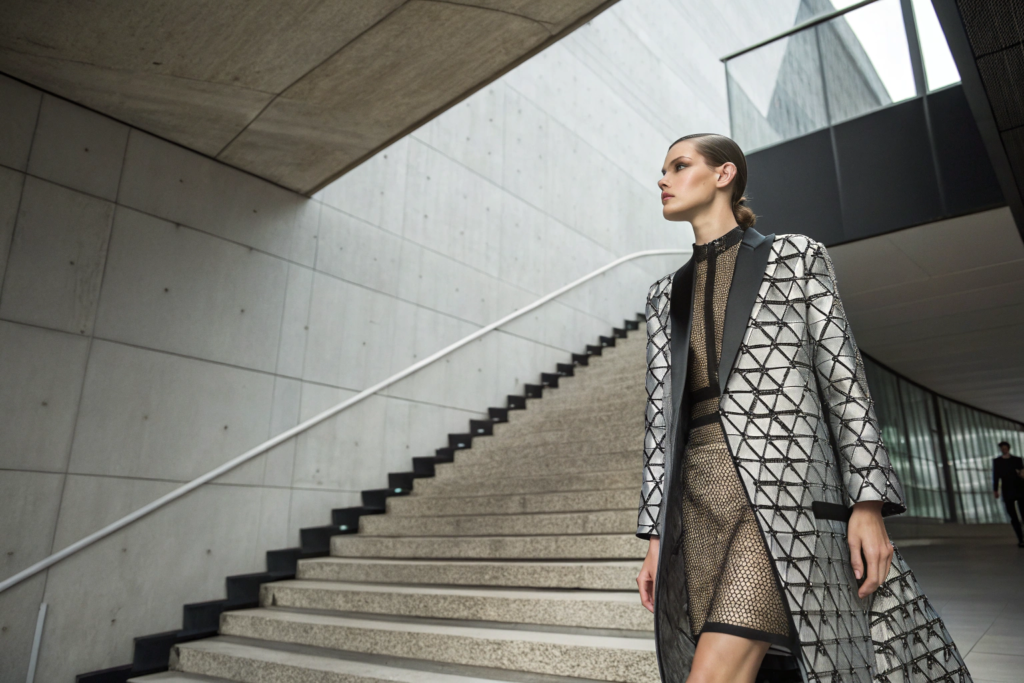
What are some iconic modern uses of jacquard in luxury fashion?
Look at the runways and red carpets, and you'll see jacquard reimagined:
- Structural Outerwear: Heavyweight wool or blended jacquards used not for drape but for structure, creating sculptural coats and jackets with the pattern integral to the shape.
- Unexpected Pairings: Using jacquard for tailored trousers, sleek skirts, or even luxury sneaker uppers, bringing intricate texture to everyday luxury items.
- Storytelling Through Weave: Brands are weaving their logos, archival sketches, or digital-native pixel art directly into fabrics, creating a deeply embedded brand identity. For example, we worked with a heritage European brand to translate their 1920s floral emblem into a custom jacquard for a limited-edition scarf collection. The development involved creating a precise weave file from a faded archival scan, a process that required our R&D team's historical knowledge and technical skill to translate the artist's intent into a viable weave structure.
How can smaller brands or designers access jacquard innovation?
You don't need the budget of a mega-house to work with exceptional jacquard. The key is partnership and smart sourcing. Here’s how:
- Start with Stock: Many mills, including our network at Shanghai Fumao, offer stock jacquard designs with lower MOQs. This is a fantastic way to test the market without the full custom development cost.
- Modify Existing Designs: Often, you can change the colorway of an existing jacquard design for a fraction of the cost of a brand-new weave.
- Leverage Supplier Expertise: A good supplier will help you translate your vision into a technically feasible design that balances creativity with cost-effective production. Ask them about their capabilities for small-batch custom jacquard production. The digital nature of modern looms makes shorter, more agile runs more possible than ever before. Our role is to bridge that gap, making this level of luxury craftsmanship accessible to visionary designers of all scales.
Conclusion
Jacquard fabric represents the enduring marriage of human artistry and technological ingenuity. From its revolutionary punch-card origins to today's computer-driven looms, it has consistently remained a benchmark for textile luxury. Its value lies in its integral construction, unparalleled texture, and the narrative of craftsmanship woven into every thread. For luxury fashion, it is a tool for creating exclusivity, depth, and emotional resonance that superficial applications can never match.
The future of jacquard is bright, blending its rich heritage with sustainable materials and digital innovation. It continues to evolve, offering limitless possibilities for designers who wish to make a profound statement through materiality. Whether through a classic silk damask or a groundbreaking recycled-tech blend, jacquard remains the definitive language of woven luxury.
Ready to weave your vision into reality? If you are looking to explore the world of jacquard for your next collection—whether leveraging stunning stock designs or developing a completely custom woven masterpiece—our team has the technical expertise, mill partnerships, and creative passion to guide you. Contact our Business Director, Elaine, at elaine@fumaoclothing.com to begin a conversation about bringing the timeless art of jacquard into your contemporary designs. Let Shanghai Fumao be your partner in crafting the fabric of luxury.