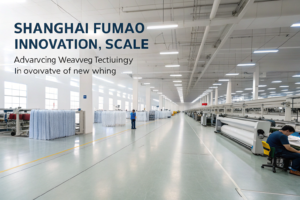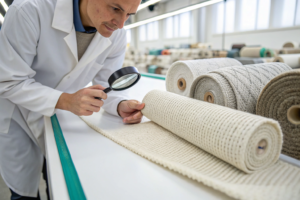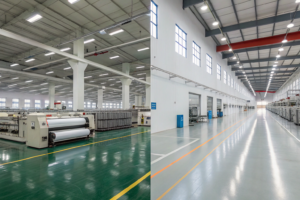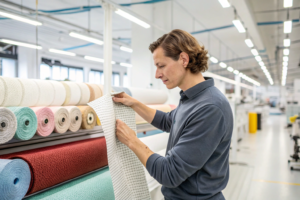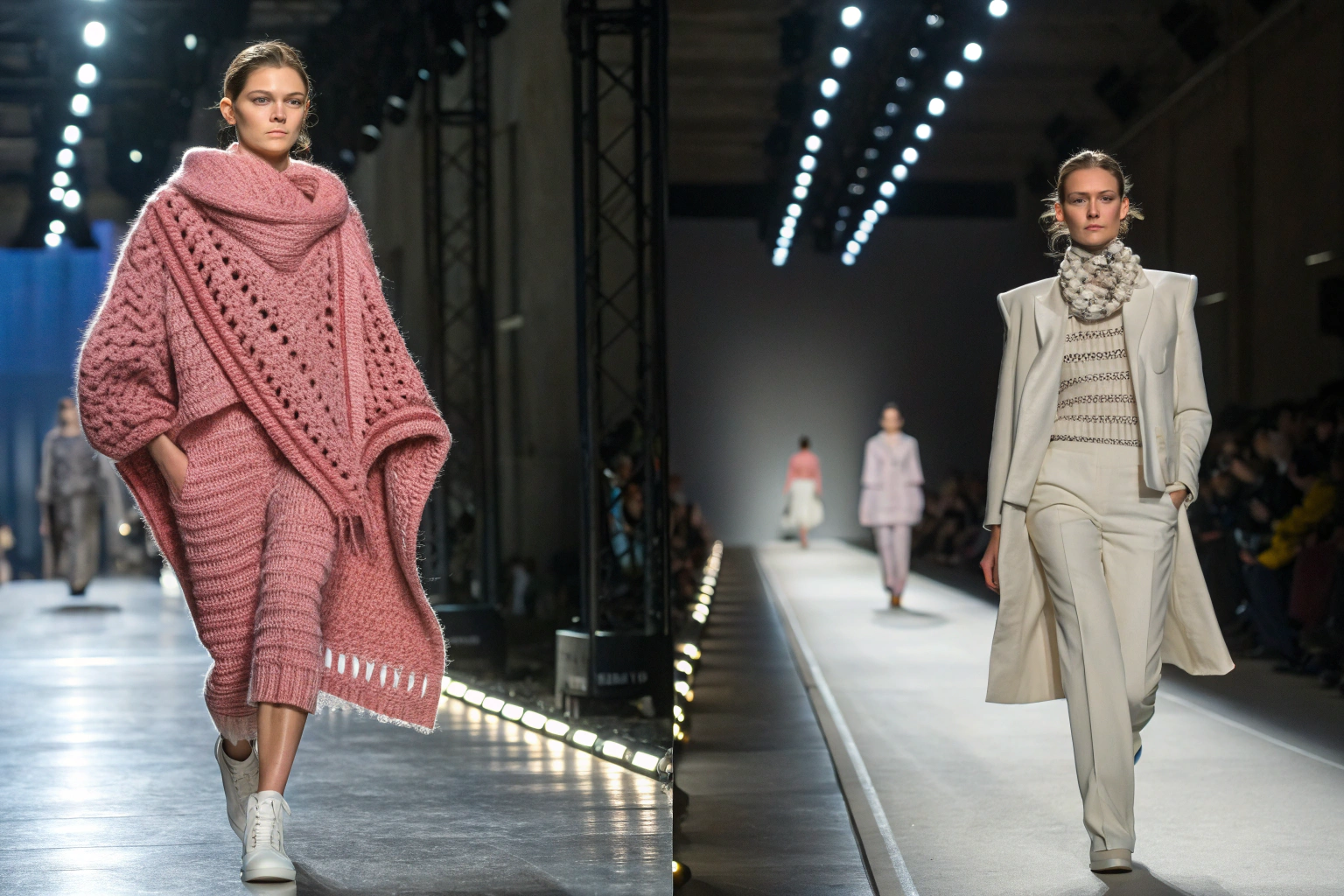
I've been watching fabric trends come and go for over 20 years. Some trends are flashes in the pan. Others signal a genuine shift in how garments are made and worn. The knitted versus woven debate for 2026 is not just about which fabric type sells more. It's about how consumer behavior, manufacturing technology, and sustainability pressures are reshaping the entire apparel industry.
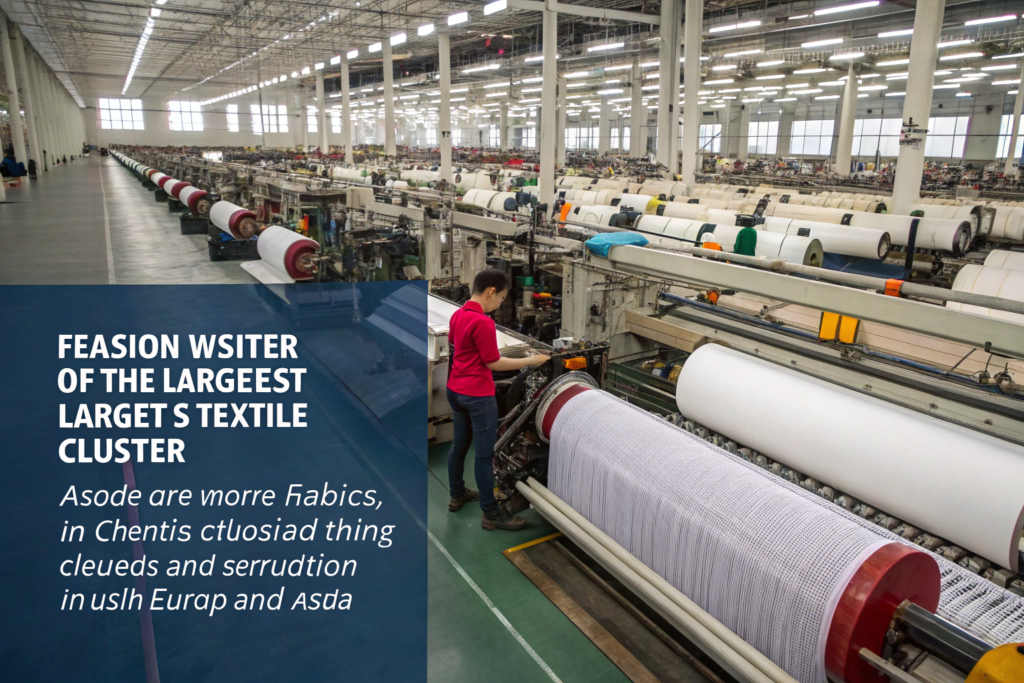
Let me give you my take from where I sit—in the middle of the world's largest textile cluster, supplying fabrics to brands across the US, Europe, and Asia. Neither knitted nor woven fabric is going to dominate 2026 fashion alone. Instead, we're seeing a convergence where knits are becoming more structured through advanced engineering, and wovens are gaining the comfort and flexibility traditionally associated with knits. The brands that win in 2026 will be the ones that understand how to use both categories strategically.
At Shanghai Fumao, we produce both knitted and woven fabrics across our facilities. I've seen firsthand how the lines between these categories are blurring. This guide breaks down what's happening in each category and where the real opportunities are for 2026 and beyond.
What's Driving the Knitted Fabric Boom for 2026?
Knitted fabrics have been on a steady climb for years. But what's happening for 2026 is different. This isn't just about t-shirts and hoodies anymore. Knits are moving into categories that were once the exclusive territory of wovens.
How Is Knit Technology Creating Structure and Tailoring?
The old limitation of knits was structure. You couldn't get a sharp shoulder or a crisp collar from a knitted fabric. That's changing fast.
Engineered knits are using different stitch structures in different zones of the garment. A jacket might have a dense, stable knit in the shoulders and lapels, a more open knit in the body for breathability, and a ribbed knit at the cuffs and hem. All knitted as one piece, no cutting, no sewing. The result is a garment that has the comfort of a knit with the structure of a tailored jacket.
We're seeing this in our own production. A European client came to us in 2024 looking for a knitted blazer for their women's collection. Two years ago, we would have told them it wasn't possible. Today, we're producing a double-knit interlock with a specially developed finishing process that gives the fabric enough body to hold a lapel shape. The blazer has the ease of a cardigan but looks like a tailored jacket. They're projecting 50,000 units for 2026.
The technology behind this is advancing fast. New knitting machines with electronic needle selection can create complex structures that mimic woven characteristics. Combined with finishing treatments like compaction and resin finishes, knits are achieving levels of stability that were impossible a decade ago.
What Role Does Comfort Wear Play in the Knit Trend?
The pandemic changed how people think about clothing. Comfort isn't a compromise anymore. It's a requirement. And knits deliver comfort in ways wovens can't match.
But here's what's interesting for 2026. Comfort wear isn't just about sweatshirts and joggers anymore. Consumers want clothes that feel like loungewear but look like going-out wear. That's where advanced knits come in.
A US client launched a collection of knitted trousers in 2024 that looked like tailored woven trousers but felt like sweatpants. They used a dense jersey with a brushed back and a slight elastane content. The fabric had enough weight to drape like a woven but enough stretch to move like a knit. That collection sold out in two weeks. They've already doubled their order for 2026.
The comfort trend is also driving innovation in lightweight knits for warm weather. Consumers who got used to working from home in soft clothes don't want to go back to stiff, non-stretch wovens for summer. We're seeing strong demand for knitted shirts, knitted dresses, and even knitted suiting for warmer months.
How Is Sustainability Shaping Knit Production?
Knits have inherent sustainability advantages that are becoming more important as regulations tighten and consumer awareness grows.
Knitted fabrics generally produce less waste than wovens. The knitting process creates fabric directly from yarn, with minimal waste. Compare that to weaving, where yarn preparation and sizing create waste streams. In our own facilities, the waste difference between knitting and weaving is significant—about 5% for knits versus 10-12% for wovens.
Knits are also easier to recycle. A single-material knit—say, 100% cotton or 100% polyester—can be mechanically recycled more easily than a woven fabric that might have different yarns in the warp and weft. As the EU and other markets push for circular economy requirements, this advantage will become more important.
A Scandinavian outdoor brand told us they're shifting more of their collection to knits for exactly this reason. They need to meet EU recyclability targets by 2026. Knits give them a simpler path to compliance. They're moving their base layers, mid-layers, and even some outerwear to engineered knits that can be fully recycled at end of life.
Why Are Wovens Holding Their Ground in 2026?
Despite the knit boom, wovens aren't going anywhere. They're adapting, evolving, and finding new applications that knits can't match.
What Can Wovens Do That Knits Still Can't?
There are things knits simply can't do. At least not yet.
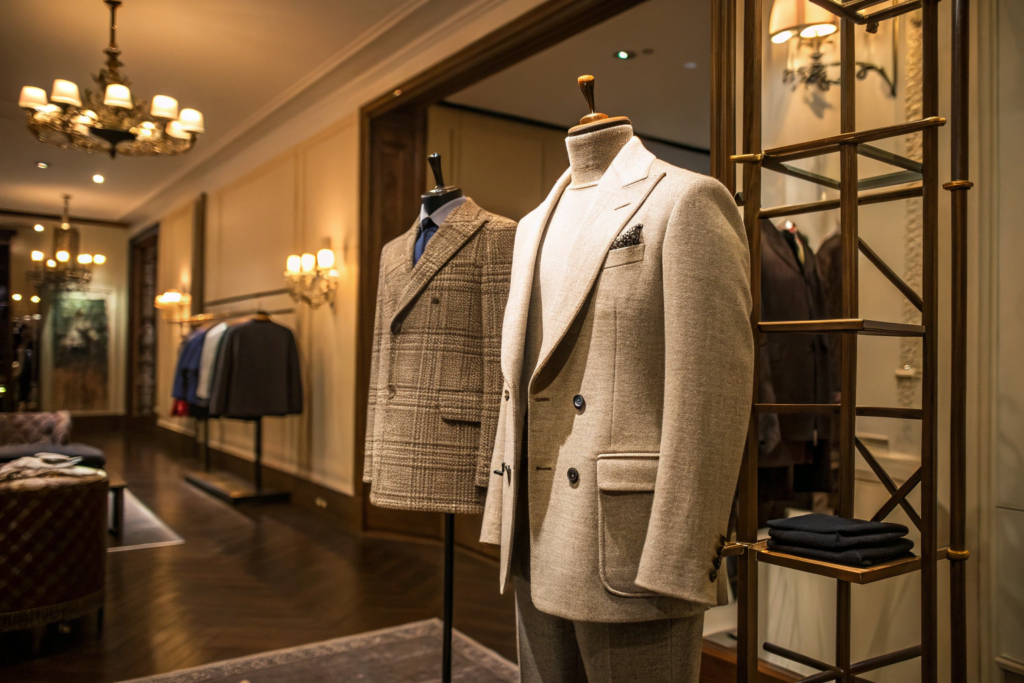
Sharp tailoring requires structure that knits struggle to provide. A suit jacket needs to hold its shape through the shoulders, maintain a clean lapel, and resist bagging at the elbows. Woven fabrics with their stable, interlaced structure deliver this. Even the most advanced engineered knits can't match the crispness of a good worsted wool woven.
Surface interest is another area where wovens excel. Jacquard weaves create complex patterns that knits can't replicate. Brocade, damask, dobby weaves—these intricate structures are unique to wovens. For luxury and heritage brands, this surface complexity is essential to their identity.
Durability for heavy-use applications still favors wovens. Workwear, outdoor gear that faces abrasion, upholstery—these applications need the stability and abrasion resistance that woven structures provide. A 12 oz cotton twill work pant will outlast any knit of comparable weight.
A German workwear client tested knitted alternatives for their mechanic pants. The knits were comfortable, but they failed on abrasion resistance. Mechanics kneeling on concrete wore through the knit fabric in half the time of their standard woven twill. They're sticking with wovens for that category while exploring knits for less demanding applications.
How Are Wovens Adding Stretch and Comfort?
The line is blurring. Wovens are getting comfortable.
Mechanical stretch is the big innovation here. Instead of adding spandex—which can complicate recycling—manufacturers are creating woven fabrics with built-in stretch through yarn selection and weave structure. A tightly twisted yarn in the weft can create natural stretch and recovery without elastane.
We're producing a cotton twill for a US client that has 15% mechanical stretch. It moves like a knit but looks and performs like a woven. They're using it for travel trousers—garments that need to look polished but feel comfortable for long flights and all-day wear.
Blends are another approach. Adding a small percentage of spandex—typically 2-5%—to a woven fabric gives it significant stretch while maintaining the woven characteristics. The challenge is making sure the spandex doesn't compromise recyclability. For clients targeting circular economy goals, we're using recycled spandex and designing the blend so the fabric can still be recycled.
A UK client launched a line of woven shirts with 3% spandex in 2024. They look like classic button-downs but feel like a knit. The shirts have become their best-selling menswear item. For 2026, they're expanding the concept to woven dresses and trousers.
What's Happening with Sustainable Wovens?
Wovens are making big strides in sustainability too. The focus is on fiber innovation and closed-loop production.
Recycled cotton is getting better. The challenge with recycled cotton has always been fiber length. Short fibers from mechanical recycling create weaker yarns. New technologies are addressing this. We're using a blend of recycled and virgin cotton that maintains strength while increasing recycled content. A 50/50 recycled-virgin blend performs nearly identically to 100% virgin in our testing.
Tencel and other man-made cellulosics are becoming more common in wovens. These fibers offer sustainability advantages—closed-loop production, biodegradable—while providing a silk-like hand and excellent drape. We're seeing strong demand for Tencel-blend wovens in shirting, dresses, and lightweight outerwear.
A French luxury brand switched their woven suiting from 100% wool to a wool-Tencel blend. The fabric has better drape, costs less, and has a lower environmental footprint. Their customers haven't noticed the difference except to comment that the suits feel more comfortable. That's a win all around.
Where Are the Boundaries Blurring Between Knits and Wovens?
The most interesting space for 2026 is the middle ground. Hybrid constructions that combine the best of both categories.
What Are Hybrid Constructions and Who's Using Them?
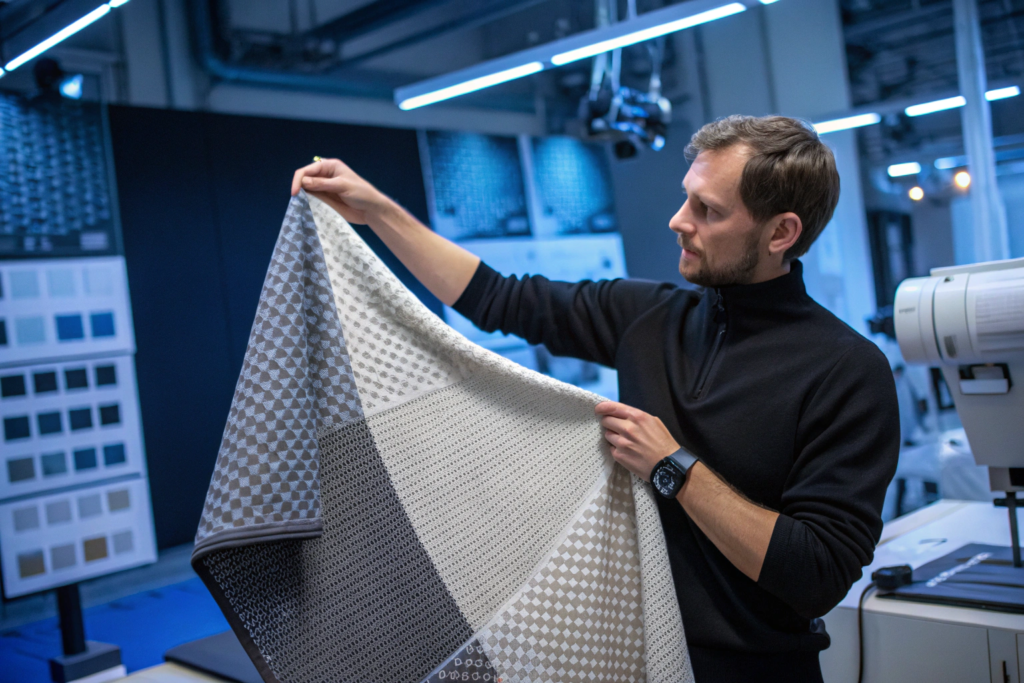
Hybrid fabrics are exactly what they sound like—fabrics that combine knitted and woven elements in a single construction.
One approach is weaving with elastic yarns that create a knit-like stretch. These fabrics are woven on conventional looms but use spandex or textured polyester in the weft to create significant stretch and recovery. The face of the fabric looks and behaves like a woven, but the wearer experiences knit-like comfort.
Another approach is bonded constructions where a knitted face is bonded to a woven backing or vice versa. A knitted outer with a woven liner can combine the comfort of a knit with the stability and wind resistance of a woven.
A Japanese outdoor brand is using a bonded construction for their 2026 winter collection. The outer is a textured knit that looks like a sweater. The inner is a tightly woven nylon that blocks wind. The combination is warmer and more comfortable than a traditional woven shell, and it looks completely different from anything else on the market.
How Are Digital Tools Changing Fabric Development?
The speed of fabric development is accelerating. What used to take months now takes weeks. That's changing how brands choose between knits and wovens.
AI-driven trend analysis helps us predict what will sell before we start production. We're using these tools to understand which fabric categories are gaining traction in different markets. The data shows that the gap between knit and woven preferences varies significantly by region and demographic.
Virtual sampling reduces the cost of experimentation. Brands can test multiple fabric options in digital form before committing to physical samples. That means they can explore knit and woven alternatives for the same style without the traditional cost barriers.
A US client used our virtual sampling tools to test five different fabric options for a new jacket style—two knits, two wovens, one hybrid. They showed digital samples to their retail partners. The hybrid option got the strongest response. They moved forward with that option, saving months of sampling time and thousands of dollars in sample costs.
What Role Is Customization Playing in the Knit-Woven Balance?
Mass customization is changing how brands think about fabric selection. When consumers can customize their garments, the fabric choice becomes part of the value proposition.
Knits are easier to customize at the garment level. A knitted garment can be produced in different lengths, different sleeve styles, different collar options from the same base. That's driving growth in made-to-order and customization programs.
Wovens are catching up through modular construction. A woven jacket with interchangeable linings, removable hoods, and adjustable features gives consumers customization options while maintaining the woven structure.
A Scandinavian brand launched a customizable jacket in 2024 using a woven shell with a modular interior system. Customers choose the shell fabric from three options and the liner from five options. The jacket feels custom but uses standard woven components. For 2026, they're adding a knit option to the lineup.
How Should Brands Strategize for 2026 Fabric Selection?
The question isn't knits versus wovens. It's how to use both effectively in your collection. Here's how we're helping clients think about 2026.
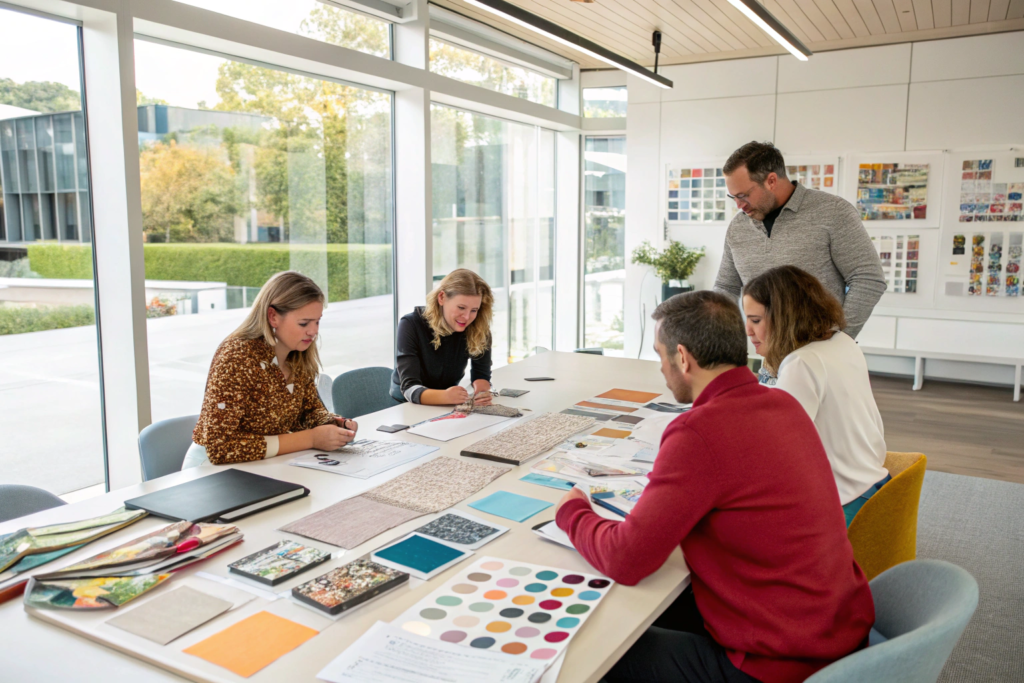
How Do You Match Fabric Type to Garment Category?
Different categories have different requirements. Here's a framework we use.
For structured outerwear, tailored jackets, and formal trousers, wovens still dominate. The structure and durability requirements of these categories favor woven constructions. But even here, the woven options are improving—lighter, more comfortable, with added stretch.
For casual tops, dresses, and loungewear, knits are the clear leader. The comfort and ease of knits match consumer expectations for these categories. The trend is toward more structured knits that can bridge the gap to smarter categories.
For hybrid categories like travel wear, workwear, and performance apparel, the choice depends on the specific requirements. A travel blazer might be a structured knit. A work pant might be a stretch woven. The best choice balances the aesthetic, performance, and comfort requirements of the specific garment.
A US client in the travel apparel space uses both categories strategically. Their woven trousers have mechanical stretch for comfort. Their knit blazers have engineered structure for a tailored look. Each garment is optimized for its specific role. Their customers appreciate the thoughtfulness of the design.
What Supply Chain Factors Should Influence Your Choice?
The fabric choice affects more than just the garment. It affects your supply chain.
Knits generally have shorter lead times than wovens. The knitting process is faster than weaving, and knits require less finishing. If you're working on tight timelines—launching a collection for a specific season, responding to a trend—knits give you flexibility.
Wovens offer more consistency for large-volume orders. The weaving process is more stable than knitting, and woven fabrics are less variable across large production runs. If you're ordering hundreds of thousands of meters, wovens might be the safer choice.
A European client launching a 200,000-unit order for a retail chain went with a woven cotton twill. The consistency across such a large volume was critical. Their smaller, faster-turn collections use knits to reduce lead times.
How Do You Plan for Uncertainty in 2026?
The fashion market is unpredictable. Your fabric strategy should build in flexibility.
Diversify your fabric sources. Don't put all your volume in one category. A mix of knits and wovens gives you options if market conditions shift.
Build in quick-turn capabilities. Work with suppliers who can produce small quantities quickly. That lets you test new categories without committing to large volumes.
Plan around peak periods. Both knits and wovens face capacity constraints during peak seasons (March-May and August-October). The Chinese New Year shutdown (3-4 weeks) affects both categories equally. Planning ahead matters regardless of which fabric you choose.
A Canadian client maintains a 60-40 split between knits and wovens across their collection. When knit demand surged in 2024, they were able to shift some production from wovens to knits because they had relationships with suppliers in both categories. That flexibility protected their margins.
Conclusion
The knitted versus woven debate for 2026 isn't about one category winning. It's about understanding the strengths of each and using them strategically. Knits are advancing into structured, tailored territory that was once exclusive to wovens. Wovens are gaining comfort, stretch, and flexibility that make them competitive in categories knits used to own. The boundaries are blurring, and the most exciting opportunities are in the middle ground where the two categories meet.
For brands planning their 2026 collections, the key is flexibility. Understand the strengths and limitations of each fabric type. Match the fabric to the garment category. Build relationships with suppliers who can deliver both knits and wovens reliably. And plan your production around the seasonal patterns that affect both categories.
At Shanghai Fumao, we've been producing both knitted and woven fabrics for over 20 years. Our weaving factory, knitting facilities, dyeing operations, and finishing plants give us a complete view of both categories. We've watched the lines blur between knits and wovens, and we've invested in the technology and expertise to deliver both at the highest quality.
Whether you're planning a collection built around advanced knits, stretch wovens, or hybrid constructions, we can help. Our team understands the technical requirements of each category. Our CNAS-accredited lab ensures every fabric meets your specifications. And our integrated supply chain gives you the flexibility to adapt as the market evolves.
Let's talk about your 2026 collection. We'll help you navigate the knitted versus woven decision and build a fabric strategy that delivers the performance, sustainability, and style your customers expect.
Contact our Business Director, Elaine, to discuss your 2026 fabric planning.
Email: elaine@fumaoclothing.com