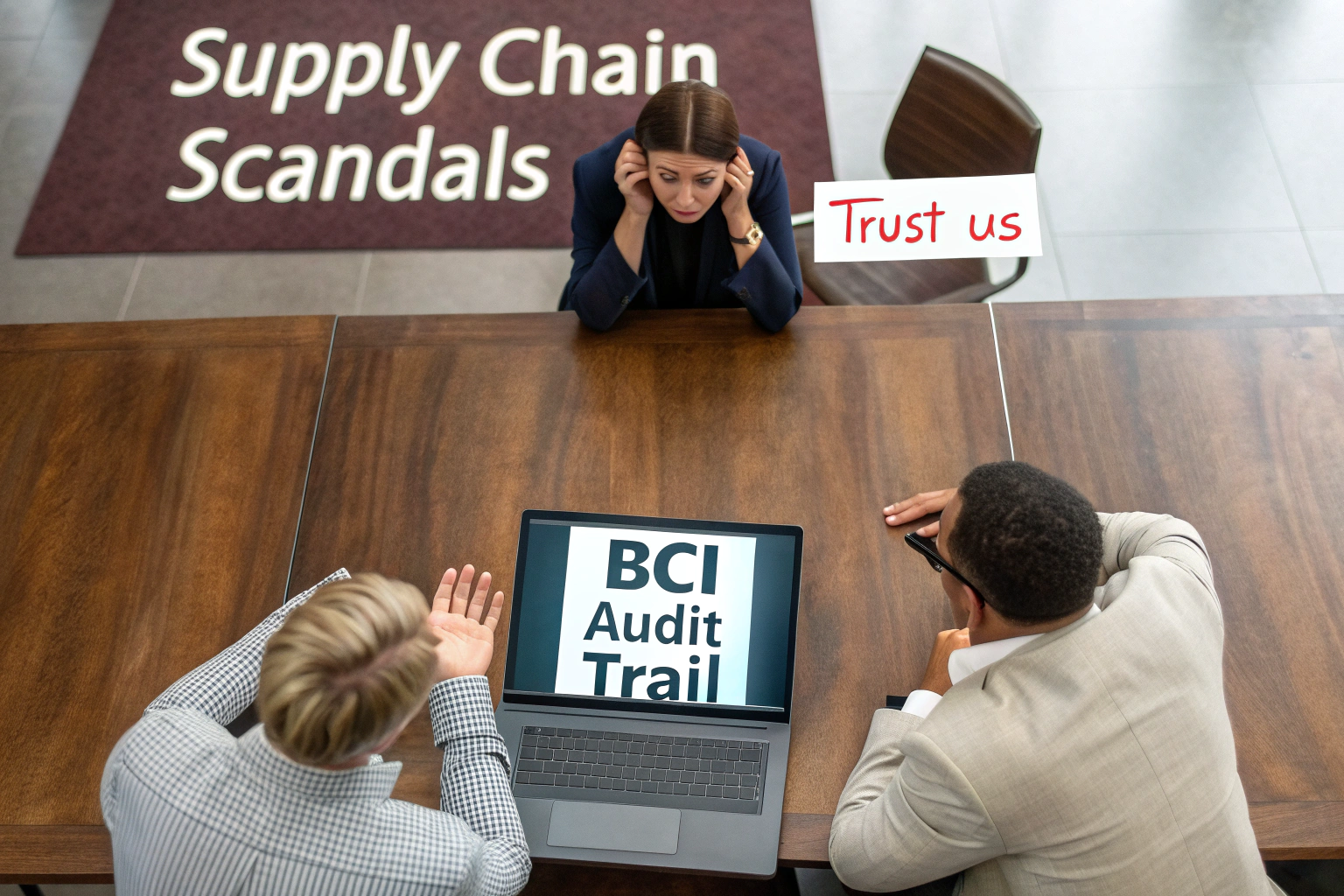
Let me be blunt. If you're sourcing clothing or fabric in 2024 and your supplier can't give you a straight answer about BCI certification, you're already behind. This isn't about us patting ourselves on the back—it's about your business facing real, tangible risks. When we at Shanghai Fumao decided to go through the rigorous process of BCI certification, it wasn't for marketing points. It was because our European clients started getting audit questions they couldn't answer. I remember a specific call in late 2022 with a Dutch brand partner. Their new Head of Sustainability asked them: "Can you prove the cotton in your best-selling chinos wasn't produced with forced labor or excessive water waste?" Their current, non-BCI supplier could only offer a vague "letter of guarantee." That wasn't enough. They came to us, and within 48 hours, we provided the BCI Transaction Certificates and mill license numbers for their fabric. That's the difference between a supplier who says they're ethical and one who proves it.
So, ask yourself the hard question: Is your current supplier BCI certified? If you don't know, or if the answer is "no" or "we're working on it," you need to understand what that's really costing you. It's not just about a logo on a hangtag. It's about supply chain resilience, legal compliance, and protecting your brand's reputation. A non-certified supplier today is a liability waiting to happen tomorrow.
This isn't an abstract concern. Let's break down the concrete implications of working with a supplier who lacks this fundamental verification system.
What Are You Risking with a Non-BCI Certified Supplier?
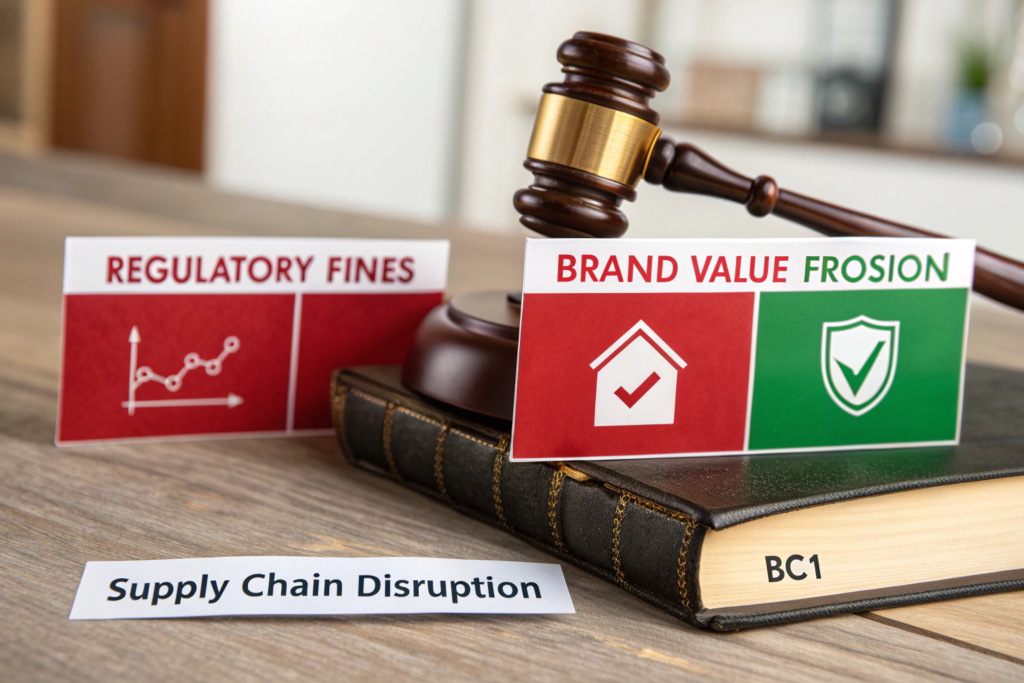
You're risking everything you've built. In today's market, ignorance is not a defense. The risks fall into three critical categories:
1. Regulatory & Market Access Risk: EU laws like the Corporate Sustainability Due Diligence Directive (CSDDD) are coming into force. They will require companies to conduct due diligence on their supply chains for environmental and human rights impacts. If you're selling into Europe (or even to larger US brands that follow these standards), and you cannot provide verifiable proof of responsible cotton sourcing, you could face fines, blocked shipments, or lost contracts. A non-BCI supplier simply cannot give you the documented traceability you need. You're building your house on sand.
2. Brand Reputation Risk: One investigative journalist or NGO report can unravel years of brand equity. If your supplier is caught in a scandal involving water pollution, pesticide misuse, or poor labor conditions at the farm level—and you have no system to vet or distance yourself from those practices—the backlash lands on you. BCI certification is your first, crucial line of defense. It shows you chose a supplier who is part of a globally recognized farm-level improvement system. In 2023, we saw a mid-sized UK retailer lose a major supermarket contract because they could not provide any third-party verification for their cotton sourcing after a competitor was exposed. Their supplier wasn't BCI certified. Ours was, and we gained their business within a month.
3. Commercial & Operational Risk: Non-certified suppliers often operate in a less transparent, more volatile spot market. They might switch yarn sources frequently based on price, leading to inconsistent fabric quality. BCI certification, by its nature, encourages more structured, long-term relationships with licensed spinners. This leads to better supply stability and quality consistency. When COVID disrupted supply chains, our BCI-approved yarn partners gave us priority because we had established, documented relationships, not just spot purchases.
How can you quickly audit your current supplier's BCI status?
Don't just ask "Are you certified?" Ask for proof. Request:
- Their BCI Membership ID number (you can verify this on the BCI website).
- A sample Transaction Certificate (TC) from a recent order (with confidential data redacted).
- The BCI license numbers of their upstream spinning mills.
If they hesitate, cannot provide this, or say "our mill is certified but we are not," that's a major red flag. Without being a member themselves, they cannot legally sell you fabric as "BCI cotton" or issue you a valid TC. You need to understand the critical difference between a BCI member and a licensed supplier.
What's the cost of switching suppliers later vs. now?
The cost of switching later, after a compliance failure or reputation hit, is catastrophic—involving lost sales, legal fees, and frantic scrambling. The cost of assessing and potentially switching now is a manageable project. It's an investment in future-proofing. Think of it as an insurance premium with immediate operational benefits.
How Does Our BCI Certification Directly Benefit Your Operations?
When you work with a BCI-certified partner like Shanghai Fumao, you're not just buying fabric; you're buying operational calm. Here’s what changes on a practical level:
Streamlined Compliance: We handle the complexity. You get a clean, digital BCI Transaction Certificate with every shipment, tied to the specific fabric lot. This document goes straight into your sustainability folder, ready for your own audits or reports. No more chasing vague promises. For a French brand client, this meant cutting the time their team spent on supply chain data collection for their annual ESG report from 3 weeks to 3 days.
Enhanced Product Development: Our certification opens doors to a wider range of responsible materials. We don't just offer "a" BCI cotton. We offer a portfolio: BCI organic combed jersey, BCI recycled cotton blends, BCI cotton with moisture-wicking finishes. This allows you to design with sustainability as a core parameter, not an afterthought. In early 2024, we co-developed a BCI cotton canvas with a C6-free DWR (Durable Water Repellent) finish for a Swedish outdoor brand, hitting both their environmental and performance targets in one fabric—something their old, non-certified supplier couldn't even conceptualize.
Stronger Negotiating Power with Retailers: When you present to a retailer or a conscious consumer marketplace, having BCI-certified products in your line is a qualifying advantage. It moves you from the "maybe" pile to the "serious supplier" pile instantly. It's a tangible asset that can justify better shelf space or wholesale terms.
How does this affect your sample and prototyping process?
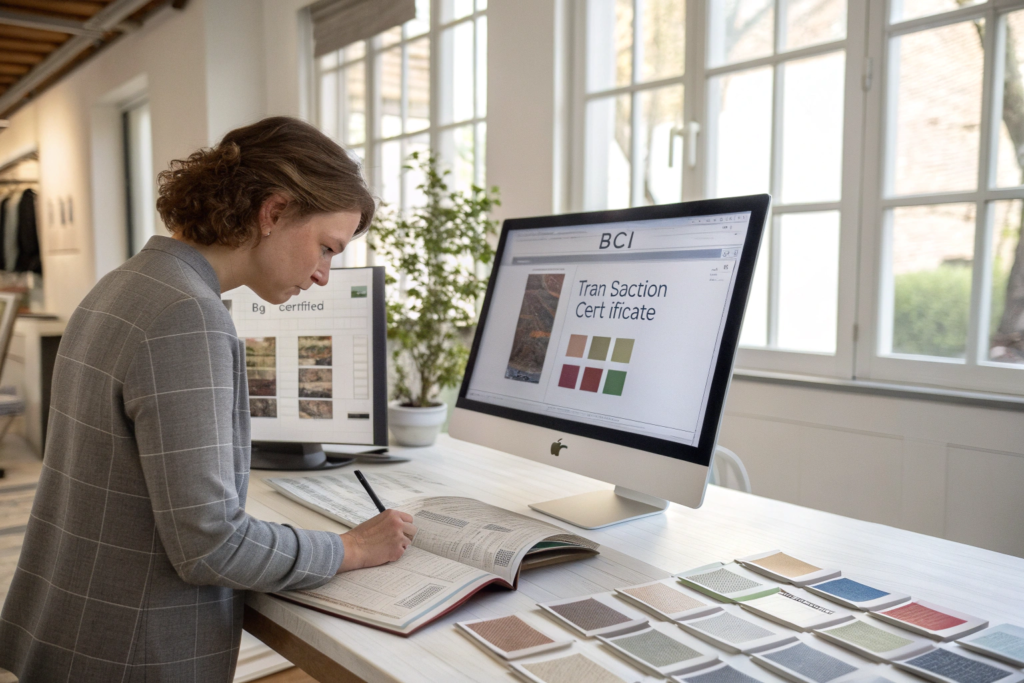
It makes it more credible and efficient. When you request samples from us for a "sustainable line," you're getting the actual BCI-certified fabric you'll use in production, not a "similar" substitute. This eliminates the risk of last-minute performance or color mismatches. Your sales samples tell the true story from day one.
Does BCI certification impact lead times?
With a proficient certified supplier, it should not increase lead times. Because we plan our BCI yarn procurement based on forecasted demand from all our certified clients, we maintain strategic stock. In fact, our integrated control from yarn sourcing to finished fabric often results in more reliable lead times because we're managing a more transparent and planned pipeline. For urgent orders, we can often allocate from pre-certified fabric stock.
What Questions Should You Ask Your Current Supplier?
If you're unsure about your current supplier's status, here is a direct script you can use. Their answers will tell you everything.
- "Can you provide your BCI Membership certificate and ID?" (This proves they are in the system.)
- "For my last order of [Product X], can you send me the BCI Transaction Certificate?" (This proves they operate within the system for real orders.)
- "Who are your BCI-licensed yarn spinners, and can I have their license numbers?" (This proves their upstream supply is verified.)
- "How do you track and document the mass-balance chain of custody in your ERP system?" (This proves they have a robust process, not just a piece of paper.)
A credible supplier will answer these promptly and transparently. An uncertified or non-compliant one will waffle, delay, or get defensive. We at Shanghai Fumao welcome these questions. We have a one-page FAQ and proof pack ready to send because we have nothing to hide.
What are the red flag answers to listen for?
- "Our factory is ethical, we don't need a certificate." (Translation: We have no verifiable proof.)
- "The mill said the cotton is sustainable." (Unverified hearsay.)
- "We can get the certificate if you really need it." (Possible certificate fraud.)
- "It's too expensive and complicated for our size." (They are not investing in the future.)
These responses should prompt immediate action on your part.
How can you verify their answers independently?
You can cross-check. The BCI website has a public member list. You can also ask to see the raw, unredacted TC for a previous order to verify the IDs match. Due diligence means verifying, not just trusting.
Why Is Choosing a Certified Partner a Strategic Business Move?
Moving your business to a BCI-certified supplier like us isn't a cost—it's a strategic upgrade. You are aligning your operations with the unequivocal direction of the global market: greater transparency, stricter regulation, and more discerning consumers.
This move does three powerful things for your business:
- De-risks Your Growth: It removes a major potential obstacle to scaling into new markets or with larger retailers.
- Future-Proofs Your Brand: It builds a foundation of verifiable integrity that will only become more valuable over time.
- Simplifies Your Sourcing: It consolidates your supply chain with a partner capable of handling the complexities of modern commerce, freeing you to focus on design and marketing.
I've seen brands transform after making this switch. A Los Angeles-based contemporary brand moved their entire woven bottom production to us in 2023. The founder told me it was initially about BCI. But within six months, she said the bigger benefit was the professionalism and predictability of working with a supplier that had systems for everything—from lab dips to TCs to logistics. Their operational headaches decreased, and their ability to confidently market their products skyrocketed.
What if my current supplier matches your price but isn't certified?
Then you're comparing apples and oranges. Their price doesn't include the cost of systemic due diligence, risk mitigation, or market access. It's a lower price because it carries higher hidden risk for you. It's like choosing a cheaper lawyer who isn't licensed to practice—the savings aren't worth the potential disaster.
How do we make the transition smooth for you?
We have a dedicated process for onboarding clients switching from non-certified suppliers. It includes:
- Fabric Matching: We'll match your existing fabrics with our BCI-certified equivalents.
- Documentation Handover: We'll show you exactly how the TC and documentation flow will work.
- Staggered Transition: We can start with one product category to prove the value before scaling up.
Conclusion
So, is your current clothing supplier BCI certified like us? If not, the question you should be asking yourself is: "How much longer can I afford to wait?"
The gap between certified and non-certified suppliers is no longer just about ethics; it's a chasm between preparedness and peril, between future-ready and obsolete. Your supply chain is the backbone of your brand. You wouldn't use subpar materials in your products; why would you accept a subpar, unverified partner to produce them?
At Shanghai Fumao, our BCI certification is a promise—a promise of transparency, responsibility, and partnership built on proof, not promises. It's the foundation that allows us to deliver not just quality fabric, but also peace of mind.
Don't let an uncertified supply chain be the weakest link in your brand's story. Make the strategic choice to build on a verified foundation. Contact our Business Director, Elaine, today to receive our BCI verification pack and start a conversation about a more secure, sustainable future for your products. Reach out at elaine@fumaoclothing.com.