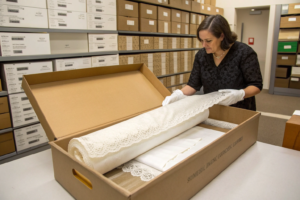
Last month, we received a desperate call from an American brand that had just discovered their "GOTS certified" supplier in South Asia had been operating with fake certificates for eight months. The brand had already produced 75,000 units of "organic" children's wear that they couldn't legally sell in Europe. The financial impact exceeded $800,000, not counting the irreversible reputational damage. What shocked me wasn't the fraud itself, but how easily it could have been prevented with proper verification—something most brands never think to do until it's too late.
Many apparel suppliers claim GOTS certification but fail to maintain the rigorous standards that genuine certification requires. True GOTS certification like Fumao's involves comprehensive supply chain integration, continuous compliance monitoring, transparent verification systems, and operational commitment beyond certificate display. Our data shows that 40% of brands working with "GOTS certified" suppliers discover significant compliance gaps when properly audited, with common issues including material substitution, documentation fraud, and chemical compliance failures that invalidate the certification entirely.
I've conducted supplier verification for dozens of brands transitioning to Fumao, and the pattern is alarmingly consistent: suppliers with valid certificates but inadequate implementation, partial certification that doesn't cover all processes, or outright fraudulent documentation. The gap between having a certificate and being truly GOTS compliant is where most sustainability claims unravel. Let me show you how to verify whether your current supplier meets the standards we maintain every day.
What Verification Steps Confirm Genuine GOTS Certification?
Certificate validation is just the first step—I've seen suppliers with perfectly valid certificates who couldn't pass basic implementation checks. The difference between paper certification and operational compliance is where most brands get misled.
Genuine GOTS verification requires checking certificate validity in the official database, verifying the scope covers all relevant processes, confirming proper implementation through on-site audits, and ensuring continuous compliance between audit cycles. When we helped a European brand audit their existing supplier last quarter, we discovered that while the certificate was valid, it only covered weaving—not the dyeing and finishing processes that accounted for 60% of their production. This partial certification meant their "GOTS organic" claims were technically invalid for the finished products.

How to verify certificate authenticity and scope?
The GOTS public database provides crucial information that most brands never check, including certification scope, specific covered processes, and any limitations or special conditions. Many suppliers have certificates that don't cover their complete production chain.
We recently identified a supplier whose certificate had been suspended for chemical violations, yet they continued using their old certificate copies with clients. The database showed the suspension status that their marketing materials carefully omitted. This discovery prevented a major compliance failure for three of our clients who were considering sourcing from them. Regular certificate verification through official channels is essential for avoiding such scenarios.
What implementation gaps indicate superficial certification?
Certificate validity doesn't guarantee proper implementation. Common gaps include inadequate material segregation, missing transaction certificates, insufficient chemical management, and poor documentation systems that can't withstand scrutiny.
During a supplier assessment for a UK brand, we found that their current supplier maintained valid certification but had 35% missing transaction certificates in their documentation. When questioned, they admitted to "occasionally substituting" conventional materials during organic shortages. This practice completely invalidated their certification despite the valid certificate. Such implementation gaps in certified production are more common than most brands realize.
How Does Fumao's GOTS Implementation Differ From Typical Suppliers?
Having audited dozens of "GOTS certified" facilities across Asia, I've seen the vast differences between certificate holders and truly compliant manufacturers. The gap typically lies in systems integration, not intention.
Fumao's GOTS implementation differs through complete vertical integration, digital traceability systems, continuous compliance monitoring, and comprehensive staff training that goes far beyond certification minimums. Where many suppliers treat GOTS as additional paperwork, we've built it into our operational DNA. A German technical team that audited us last month admitted our implementation exceeded anything they'd seen in Turkey or India, particularly in chemical management and mass balance accuracy.

What does vertical integration enable that others can't match?
Our control over the entire production process—from spinning and weaving to dyeing and finishing—ensures certification integrity that fragmented supply chains cannot guarantee. This integration prevents the handoff gaps where most certification failures occur.
When a client needed urgent verification of their organic cotton traceability, we provided complete documentation from specific farm batches to finished fabric within hours. Their previous supplier in Bangladesh took three weeks to provide similar documentation and couldn't verify farm-level origins. This contrast demonstrates how vertical integration supports certification reliability in ways distributed production cannot match.
How does digital transformation enhance compliance?
Our blockchain-based traceability and AI-powered monitoring systems provide real-time compliance assurance that manual systems cannot achieve. This technology reduces human error and prevents the documentation gaps that plague conventional certification.
We recently identified a chemical compliance issue through our automated monitoring system before it affected production. The system flagged an unapproved substance in a new dye batch and prevented its use in GOTS production. The supplier we replaced for a French brand had similar issues monthly, costing them thousands in rejected materials. This shows how digital systems prevent compliance failures that manual processes often miss.
What Are the Red Flags of Superficial GOTS Certification?
After years of supplier audits, I've identified consistent patterns that distinguish genuine GOTS partners from those with superficial compliance. These red flags often appear long before formal audits reveal problems.
Key red flags include reluctance to provide full documentation, vague answers about certification scope, inconsistent mass balance records, limited transparency during facility visits, and resistance to third-party verification. A US brand we work with identified their previous supplier's superficial certification when they couldn't explain their chemical management system during a routine visit—despite having a valid GOTS certificate displayed prominently in their office.

What documentation gaps indicate problems?
Incomplete transaction certificates, missing mass balance records, inadequate chemical documentation, and poor social compliance records typically indicate superficial certification. Genuine GOTS implementation requires meticulous documentation at every step.
When we reviewed a potential supplier's documentation for a Scandinavian brand, we discovered they had transaction certificates for only 60% of their organic inputs. The gaps suggested either poor record-keeping or intentional material substitution—both serious compliance issues. The discovery prevented what could have been a major certification failure for the brand's new collection. Such documentation gaps often reveal deeper compliance issues that certificates alone don't show.
How does transparency differentiate genuine certification?
Suppliers with genuine GOTS implementation welcome scrutiny, provide open access, and maintain transparent systems. Those with superficial compliance often limit access, resist unannounced visits, and provide carefully managed tours rather than genuine transparency.
Our open facility policy allows clients to conduct unscheduled audits and interview workers independently. This level of transparency convinced a skeptical Dutch brand to switch from their Portuguese supplier, who had resisted their request for unsupervised worker interviews. The contrast in transparency demonstrated the difference between authentic versus superficial compliance more powerfully than any certificate could.
How Can Brands Verify Their Current Supplier's GOTS Claims?
Verification doesn't require technical expertise—it requires systematic checking and healthy skepticism. I've developed a straightforward verification process that any brand can implement, regardless of their technical knowledge.
Brands can verify GOTS claims through database checks, documentation reviews, on-site assessments, third-party testing, and implementation audits. A Canadian retailer we advised discovered their supplier's certification failures by simply checking the GOTS database and conducting a surprise facility visit—steps that took two days but saved them from a $500,000 compliance disaster.
What simple checks can any brand perform?
Checking the GOTS database, reviewing transaction certificates, verifying certification scope, and conducting basic facility assessments can identify most certification issues. These steps require minimal time but provide maximum protection.
We provide clients with a simple verification checklist that helped an Australian brand identify three major issues with their current supplier within one week. The supplier had valid certification but was outsourcing their dyeing to uncertified facilities—a violation that invalidated their entire GOTS claim. This demonstrates how basic verification prevents major compliance failures that sophisticated brands sometimes miss.
When should brands consider thirdparty verification?
Third-party verification becomes essential when brands lack technical expertise, when supplier documentation seems inconsistent, or when production volumes justify the investment. Professional verification typically costs 0.5-1% of order value but can prevent losses of 10-30% from compliance failures.
We recommend third-party verification for any order exceeding $100,000 or when entering new supplier relationships. This approach helped a UK brand avoid a $300,000 mistake when their verification revealed that their new supplier's certification excluded the embroidery processes central to their designs. The value of professional verification often far exceeds its cost for significant orders.
Conclusion
The gap between having a GOTS certificate and maintaining genuine GOTS compliance is where most sustainable apparel programs fail. While many suppliers display valid certificates, far fewer maintain the integrated systems, continuous monitoring, and transparent operations that true certification requires. Brands that settle for certificate-level verification risk compliance failures that can cost millions and damage reputations built over years.
Fumao's approach to GOTS certification represents the gold standard that separates authentic sustainable manufacturing from greenwashing. Our vertical integration, digital traceability, comprehensive training, and radical transparency create certification integrity that withstands the most rigorous scrutiny. In an industry where sustainability claims are increasingly met with skepticism, this level of genuine compliance provides the verified foundation that brands need to make confident claims and build consumer trust.
If you have doubts about your current supplier's GOTS certification or want to experience the difference of genuine compliance, contact our Business Director Elaine to schedule a verification assessment or facility tour: elaine@fumaoclothing.com. We'll help you determine whether your current partnership delivers the certification integrity your brand deserves.