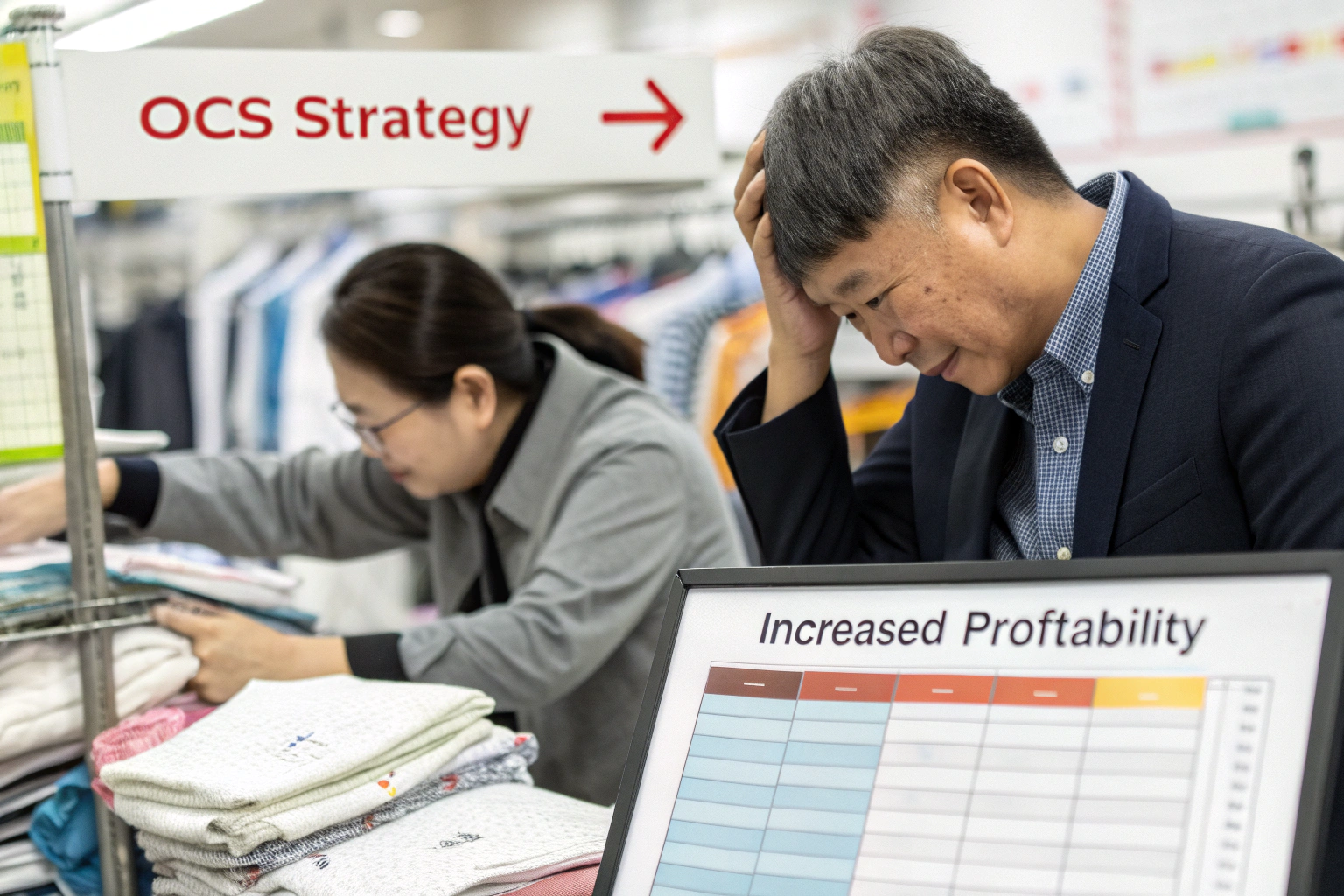
Let's cut through the fluff. As a distributor, your job isn't to save the planet—it's to make a profit. And when you hear "organic cotton," your first thought is likely about higher costs, tighter margins, and niche customers. I get it. For years, many distributors saw sustainable fabrics as a charity project, not a business engine. But the market has flipped. Today, stocking OCS-certified organic cotton isn't just about ethics; it's one of the sharpest commercial calculations you can make. The question isn't "Can I afford it?" but "Can I afford to miss out?"
The direct answer is yes, OCS organic cotton can be significantly more profitable for apparel distributors, but not because you simply charge more. The profitability comes from a powerful combination: commanding stronger wholesale margins, drastically reducing the hidden costs of quality failures and returns, and future-proofing your business against tightening regulations and shifting retailer demands. It turns a cost premium into an investment in customer retention and market agility.
I've seen distributors transform their businesses with this pivot. Let me show you the real numbers and strategies behind the label, so you can evaluate OCS not as a trend, but as a bottom-line strategy.
Margin Expansion: Moving Beyond the Price Per Unit
Every distributor knows the race to the bottom on price is a dead end. OCS organic cotton is your ticket out of that race. The initial higher fabric cost creates a natural price floor that protects your margin. But the real magic happens when you stop selling on price and start selling on value. Retailers and brands are increasingly budgeted for sustainable lines—they expect to pay more, and they're looking for distributors who can deliver the verified story to justify it.
This isn't theory. In markets like the EU, North America, and Australia, wholesale buyers have dedicated budgets for "responsible" collections. By offering OCS-certified options, you're not competing in the same crowded, commoditized pool. You're accessing a separate, higher-margin revenue stream with less price sensitivity.
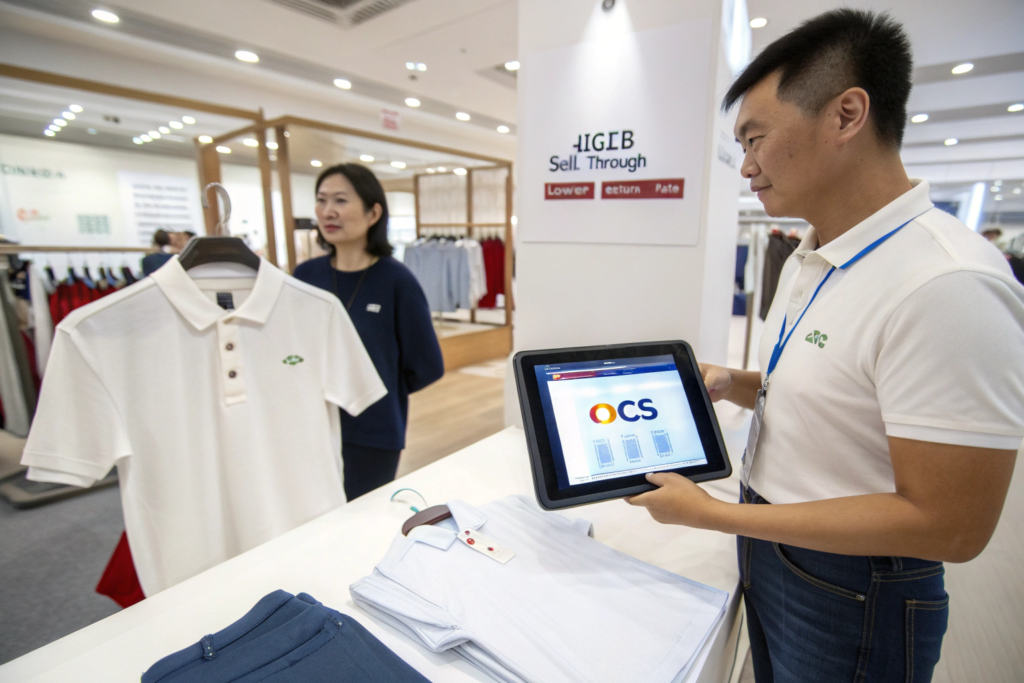
How does OCS certification justify a higher wholesale price?
Justification is key. You're not just slapping on a surcharge. You're providing concrete value that retailers can, in turn, sell to their customers:
- Reduced Risk Cost: You are selling a product with verifiable claims. This protects the retailer from greenwashing accusations and compliance failures, a tangible financial risk you are mitigating for them.
- Market Demand Premium: You are supplying what the end-consumer is actively seeking. Studies consistently show a willingness to pay a premium for certified sustainable goods. You're capturing part of that premium at the wholesale level.
- Quality Assurance: As we'll explore, OCS often correlates with better-quality fabric. You're selling a product that's less likely to come back as a return due to pilling, shrinkage, or poor hand-feel. This reliability has value.
For example, a German distributor we work with introduced an OCS-certified basic t-shirt line in 2023. While the FOB cost was 22% higher than their conventional line, they achieved a 35% higher wholesale price. Their pitch focused on the certification's value in helping retailers meet their own ESG (Environmental, Social, and Governance) targets. The line now accounts for 15% of their volume but over 22% of their gross profit.
Can you compete with cheaper, non-certified alternatives?
Absolutely, but not on their turf. You compete by changing the game. When a buyer brings up a cheaper option, your response shifts from defending your price to questioning their risk:
- "Are your end customers asking for more sustainable options?"
- "How do you currently verify the claims of your other suppliers?"
- "What is the cost to your business if a shipment is held at customs or rejected by a retailer due to insufficient documentation?"
Your competition isn't the cheapest t-shirt; it's the distributor who can't provide certainty. By partnering with a vertically-integrated supplier like Shanghai Fumao, you bring the full weight of a traceable supply chain to the table. You're not just selling a product; you're selling peace of mind and market access. Resources like understanding the true cost of fast fashion for distributors can help equip your sales team with the narrative to reframe these conversations.
Cost Reduction: The Hidden Profit Engine of Certified Quality
This is where most distributors underestimate OCS. The focus is on the higher purchase price, but the real profit impact is in slashing hidden operational costs. Poor quality is a silent profit killer—it manifests in returns, damaged customer relationships, and endless firefighting. OCS certification, when sourced from a rigorous supplier, enforces a level of discipline that drastically reduces these failures.
Think of it as predictive maintenance for your supply chain. You pay a little more upfront to avoid massive breakdown costs later.
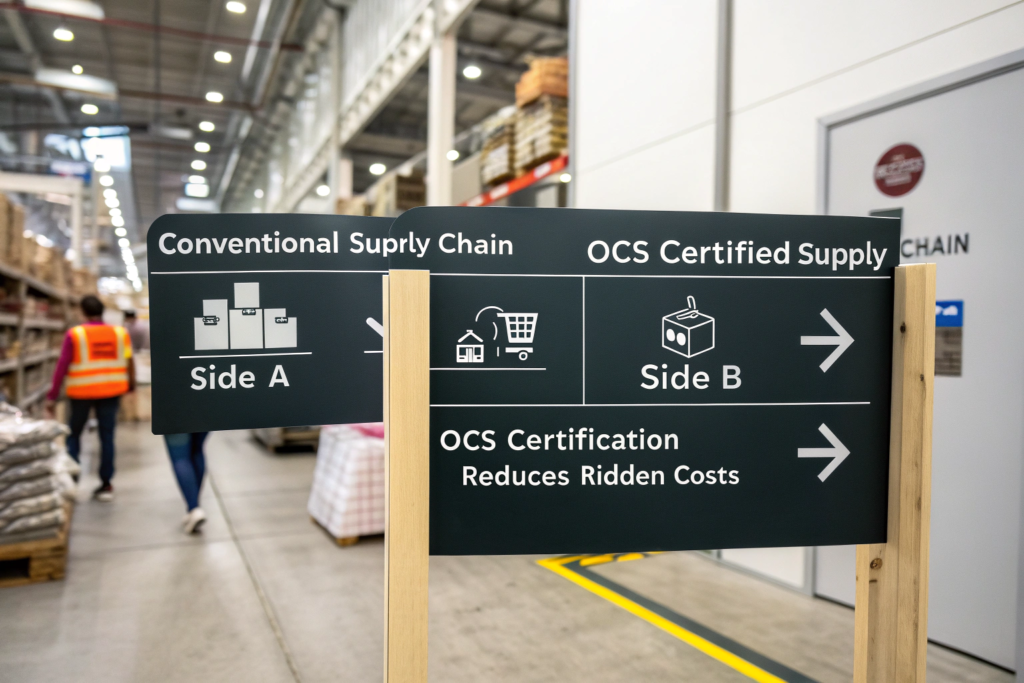
How does OCS reduce returns and quality complaints?
The link is in the supply chain discipline. To maintain OCS certification, every entity in the chain—from the spinner to the garment factory—must maintain proper records, batch tracking, and process controls. Factories that operate at this level are simply better managed. This translates to:
- Fabric Consistency: OCS-certified fabric batches have tighter quality tolerances. You get less variation in shrinkage, color, and weight, leading to more consistent garment production and fewer surprises.
- Better Inputs: Organic cotton fiber is often longer-staple and processed with more care, resulting in a fabric that is inherently more durable and less prone to pilling or tearing.
- Supplier Accountability: The certification provides a clear audit trail. If a quality issue arises, it's traceable to a specific batch, making root-cause analysis and accountability swift and clear.
In mid-2024, an Australian distributor switched a core line of kids' pajamas to our OCS-certified organic cotton interlock. In the first six months, the return rate for "fabric quality" issues (pilling, shrinkage outside tolerance) dropped from 8% to under 2%. This 6% reduction directly flowed to their bottom line, effectively paying for the fabric premium within two order cycles.
What is the impact on inventory carrying costs?
Quality and predictability enable better inventory management. When you have confidence in a product's sell-through and low return rate, you can optimize your stock levels.
- Fewer Safety Stock Requirements: Unreliable quality forces you to over-order to cover expected defects. Reliable OCS quality reduces this need.
- Faster Inventory Turnover: Products that meet market demand and have fewer returns sell through faster. Higher stock turnover improves cash flow and reduces storage costs.
- Reduced Dead Stock: The worst cost is inventory you can't sell. A product with a verified story and reliable quality is far less likely to end up as dead stock needing deep discounting.
This operational efficiency is a profit center. A distributor's capital is freed up faster and deployed more effectively.
Market Access & Future-Proofing: Securing Your Long-Term Position
Profitability isn't just about today's P&L; it's about securing your business for tomorrow. The market is shifting under the feet of distributors who only deal in conventional goods. Major retailers, corporate uniform buyers, and government tenders are increasingly mandating sustainable certifications as a prerequisite for doing business. Without OCS or equivalent credentials, you are systematically being locked out of high-value, stable revenue streams.
This is about risk management. Investing in OCS-certified lines is an investment in maintaining and expanding your market relevance.

How are retailer policies changing for distributors?
The change is rapid and structural. It's no longer about a few "green" boutique stores.
- Formal Vendor Codes of Conduct: Large European retailers like H&M Group, Inditex (Zara), and others have public sustainability goals and require their suppliers (including distributors) to report on the composition and certifications of the goods they supply.
- Compliance as a Gatekeeper: For many, providing evidence of certifications like OCS or GOTS is now part of the onboarding process. No certificate, no supplier number.
- Preferred Vendor Status: Distributors who can reliably supply certified goods often gain "preferred" status, leading to better shelf placement, promotional support, and longer-term contracts.
A distributor in Benelux secured a three-year contract to supply workwear to a large logistics company in early 2024 precisely because they could offer an OCS-certified organic cotton option that helped the client meet its Scope 3 emissions reporting requirements. The conventional line was just a checkbox; the OCS line was the deal-clincher.
Does OCS help mitigate supply chain and regulatory risks?
Absolutely. It provides a structured framework that de-risks your sourcing in two key ways:
- Supply Chain Transparency: The OCS chain-of-custody requires documented, auditable links. This means you (and your supplier) know where the material comes from. This visibility protects you from exposure to regions or practices with high reputational risk (e.g., forced labor concerns in conventional cotton from certain areas).
- Regulatory Compliance: As laws like the EU's Corporate Sustainability Due Diligence Directive (CSDDD) come into force, distributors will bear legal responsibility for environmental claims in their supply chains. OCS provides a ready-made, defensible system for due diligence on organic content claims. It's your compliance shield. Proactively understanding how new EU due diligence laws affect fashion distributors is no longer optional—it's business-critical planning.
By sourcing from a partner like Shanghai Fumao, you are not just buying a product; you are buying into a managed, compliant system that reduces your regulatory liability.
Strategic Sourcing: Building a Profitable OCS Portfolio
Making OCS profitable requires strategy, not just a one-off order. It's about selecting the right products, working with the right partners, and marketing them effectively. The goal is to build a portfolio that acts as a profit center, not a side project.
This means starting with high-volume basics where certification adds clear value and where quality consistency is paramount. Think t-shirts, polo shirts, hoodies, kids' wear, and bedding—products where the "feel" and "story" resonate strongly with the end-consumer.

Which product categories offer the highest ROI with OCS?
Focus on categories where the certification directly addresses customer pain points:
- Children's Apparel: Parents are highly motivated buyers for safe, soft, non-toxic clothing. The ROI here is extremely high due to strong demand and reduced return sensitivity.
- Basics & Underwear: Items worn directly against the skin. The comfort and safety narrative of organic cotton is compelling. These are high-volume, repeat-purchase items.
- Corporate/Uniform Wear: Companies wanting to improve their ESG profile. The ROI comes from securing large, stable contracts and premium pricing for "responsible uniform programs."
- Home Textiles (Bedding/Towels): Similar to apparel, the comfort and safety story for items used during sleep is powerful.
A U.S. distributor we partnered with in late 2023 launched an OCS-certified "Essentials" pack for yoga studios (including mats, towels, and tees). By bundling the certification story with a ready-made package for a conscious consumer segment, they achieved an 85% gross margin on the line, far exceeding their company average.
How to partner with suppliers for maximum distributor profit?
Your supplier choice makes or breaks the profitability model. You need a partner, not just a vendor.
- Look for Vertical Integration: Suppliers like Fumao, with control over weaving and key processes, offer better cost control, consistent quality, and faster reaction times. This protects your margins and reliability.
- Demand Full Documentation Support: The supplier should provide all OCS TCs, test reports, and compliance documents seamlessly. Your team shouldn't waste time chasing paperwork.
- Seek Collaborative Planning: Work with suppliers who understand seasonal planning around Chinese production cycles (like avoiding CNY shutdowns). This minimizes air freight costs and protects your timeline.
- Leverage Their Marketing Assets: Good suppliers provide high-quality imagery, certification explanations, and product stories you can use in your B2B marketing. This reduces your cost of sale.
The most profitable distributors treat their key OCS suppliers as strategic allies, sharing forecasts and collaborating on new product development. This is how you move from transactional buying to building a valuable, exclusive product line.
Conclusion
For the modern apparel distributor, OCS organic cotton represents a fundamental shift from a cost-based to a value-based business model. The profitability isn't a happy accident; it's engineered through higher defensible margins, the systemic reduction of costly quality failures, and strategic positioning for future market access. It turns the sustainability imperative into a tangible commercial advantage.
The distributors who will lead the next decade are those who see certification not as an expense, but as an investment in customer loyalty, operational resilience, and market relevance. It's a calculated move to leave the crowded, low-margin commodity race and build a more profitable, sustainable business.
Ready to engineer this advantage into your portfolio? It starts with the right supply partner. At Shanghai Fumao, we've built our entire operation to empower distributors with reliable, certified, and commercially smart fabric solutions. Contact our Business Director, Elaine, to discuss how we can help you build a more profitable OCS-driven line: elaine@fumaoclothing.com. Let's build your margin, together.