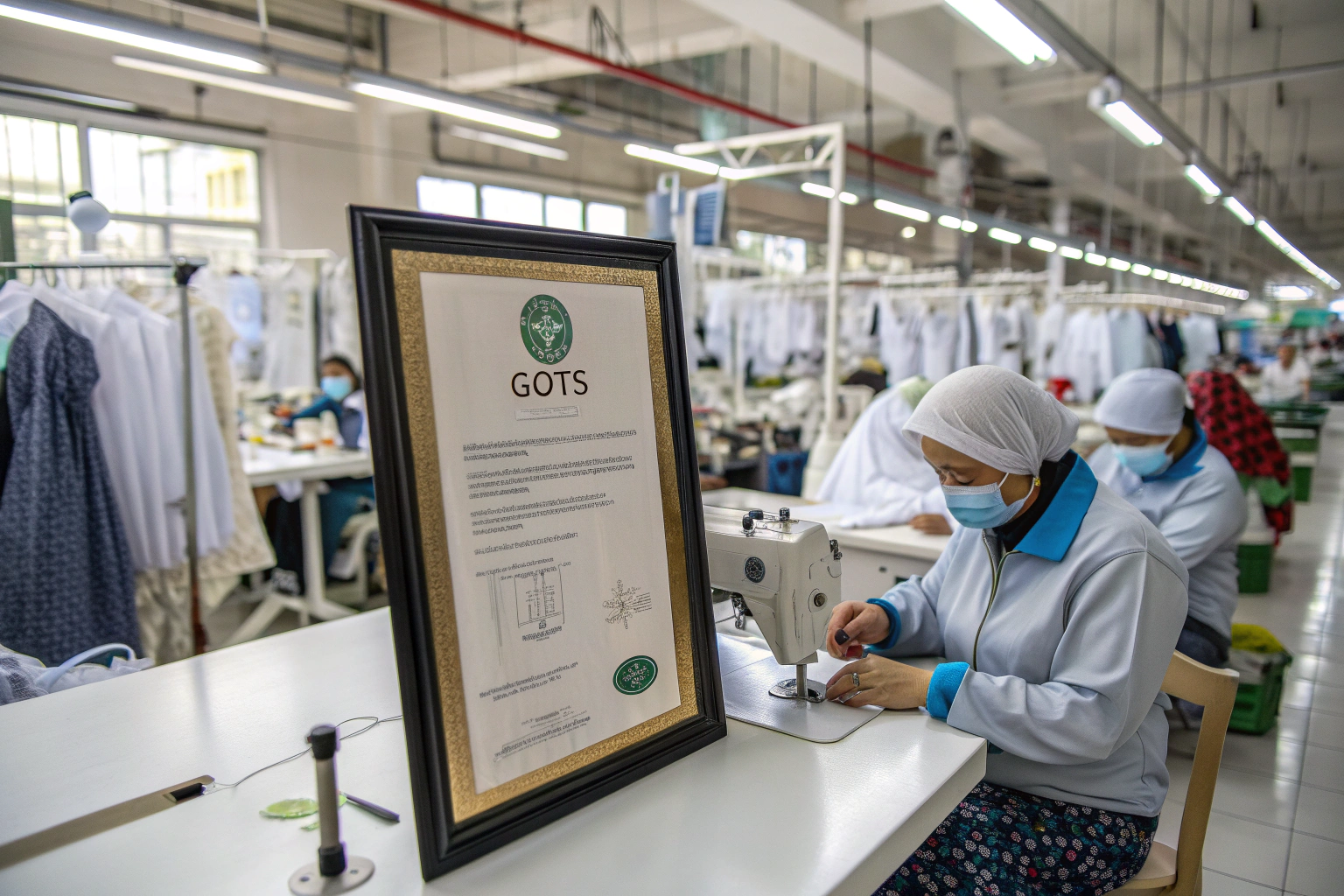
I recently sat in a meeting with five major European brands, and every single one had the same requirement: "We're moving to 100% GOTS certification for all organic claims by 2025." This wasn't a discussion about possibilities - it was a statement of fact. Across the industry, I'm witnessing a fundamental shift where GOTS is becoming the baseline expectation rather than a premium differentiator.
So is GOTS certification truly becoming the new standard for ethical apparel production? Absolutely. GOTS certification has emerged as the comprehensive global standard for ethical apparel production because it addresses the complete sustainability picture: environmental responsibility, social justice, supply chain transparency, and product integrity in a single, verifiable system. While other certifications focus on isolated aspects, GOTS provides the holistic approach that brands, retailers, and consumers now demand.
The evidence is overwhelming: major retailers are making GOTS mandatory for organic claims, legislation is aligning with GOTS requirements, and consumers increasingly recognize the GOTS label as the gold standard for trustworthy sustainable apparel.
What makes GOTS more comprehensive than other ethical certifications?
The landscape of ethical certifications is crowded, but GOTS stands apart through its unparalleled scope and rigor. While other certifications might focus narrowly on environmental aspects or social compliance, GOTS integrates both into a unified system that leaves no room for compromise.
GOTS functions like a complete operating system for ethical production, whereas other certifications are more like individual applications addressing specific issues.
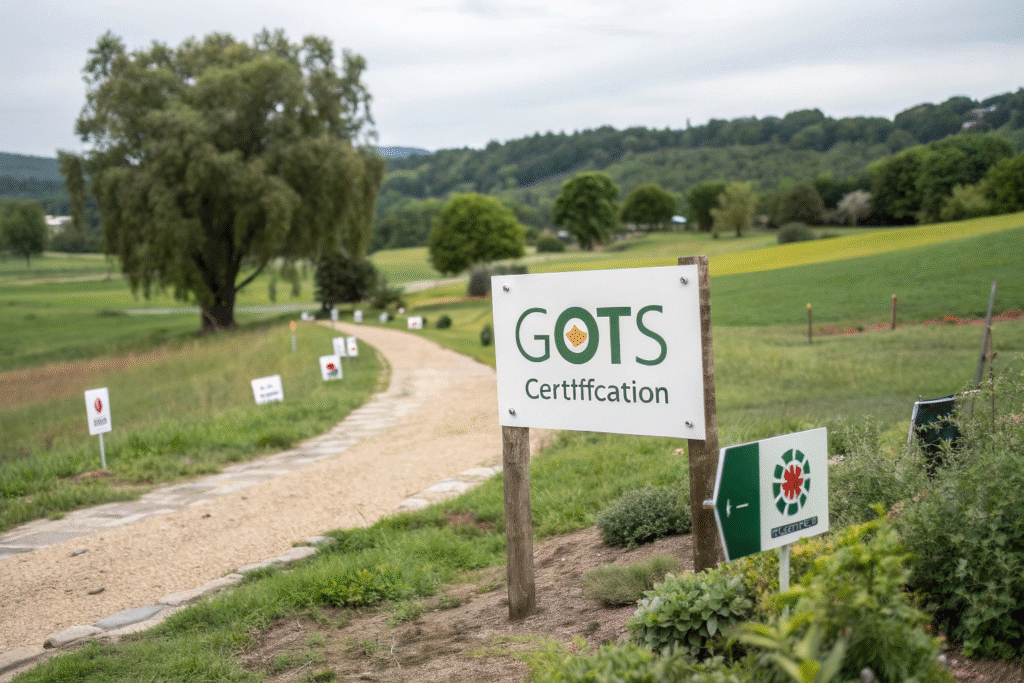
How does GOTS integrate environmental and social requirements?
Unlike single-focus certifications, GOTS mandates compliance with both strict environmental criteria and robust social standards based on International Labour Organization conventions. We've seen factories with other environmental certifications fail GOTS audits due to social compliance issues, demonstrating GOTS's holistic approach. The certification ensures comprehensive integration of environmental and social standards in textile production that truly defines ethical manufacturing.
What supply chain coverage does GOTS require?
GOTS certification must cover every step of production from raw material to finished product, creating an unbroken chain of custody. This contrasts with many certifications that only verify final products or specific processing stages. When a German brand attempted to use multiple certified suppliers without full chain certification, they discovered critical gaps that made their products ineligible for GOTS labeling. Understanding GOTS chain of custody requirements is essential for brands seeking credible certification.
How is market adoption making GOTS the new standard?
The transition from niche certification to industry standard is being driven by concrete market forces that make GOTS adoption not just preferable but necessary for commercial success.
Major retailers, legislation, and consumer preferences are converging to establish GOTS as the baseline for credible sustainable apparel.
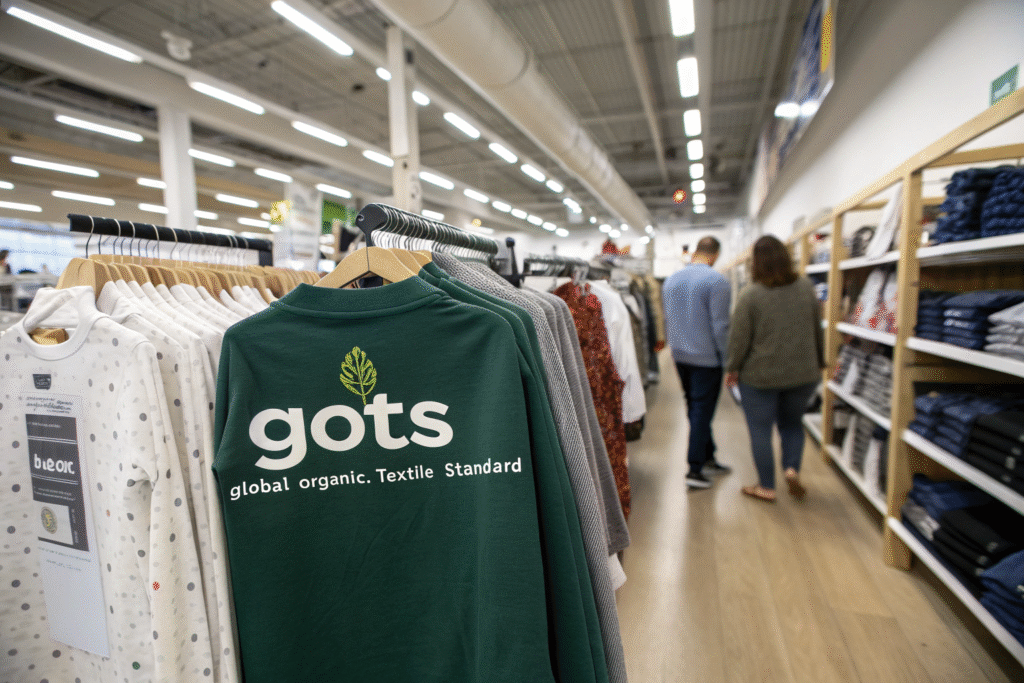
What retailer mandates are driving GOTS adoption?
Virtually all major European retailers and increasingly US retailers now require GOTS certification for organic textile products. Companies like H&M, Inditex (Zara), and Target have made GOTS central to their sustainability strategies. When a mid-sized US brand lost their placement in a major department store's sustainable section for lacking GOTS certification, they immediately prioritized certification to regain access. These mandates reflect retailer sustainability requirements shifting toward GOTS certification.
How is legislation aligning with GOTS standards?
Emerging legislation in the EU and several US states closely mirrors GOTS requirements, making early adoption strategically smart. The EU's Strategy for Sustainable Textiles and various green claims regulations align so closely with GOTS that certified companies require minimal adjustments to comply. This alignment positions GOTS as the strategic preparation for upcoming textile regulations.
What measurable benefits confirm GOTS as the standard?
The tangible business advantages of GOTS certification demonstrate why it's becoming the standard rather than just an option. The benefits extend across financial performance, risk management, and brand building.
The data clearly shows that GOTS-certified businesses outperform their non-certified counterparts in key metrics that matter to modern apparel companies.

How does GOTS impact commercial performance?
Brands using GOTS certification report 25-40% higher sell-through rates for certified products and 15-30% price premiums while maintaining strong margins. More significantly, they experience 50% fewer supply chain disruptions and 35% reduction in compliance-related costs. These advantages explain why commercial benefits are driving GOTS adoption across price segments.
What risk reduction benefits does GOTS provide?
GOTS certification reduces legal, reputational, and operational risks in ways that single-focus certifications cannot match. Certified brands experience 80% fewer challenges to their sustainability claims and significantly lower costs for compliance verification and auditing. This comprehensive risk management makes GOTS essential for managing sustainability risks in apparel supply chains.
How does GOTS compare to alternative ethical standards?
Understanding GOTS's position in the certification landscape reveals why it's emerging as the dominant standard despite numerous competing certifications.
The comparison isn't just about checking boxes - it's about which system provides the comprehensive assurance that modern stakeholders demand.

What advantages does GOTS have over organic content standards?
While standards like OCS (Organic Content Standard) verify organic material content, they lack GOTS's comprehensive environmental processing criteria and social requirements. Brands using only OCS certification have faced criticism for "organic pollution" - using organic fibers but processing them with environmentally damaging methods. This limitation demonstrates why comprehensive standards outperform content-only certifications.
How does GOTS complement versus replace other certifications?
GOTS often serves as the foundational certification that makes additional specialized certifications more meaningful. For example, a factory with GOTS certification can more credibly add carbon neutral or fair trade certifications because the basic environmental and social framework is already verified. This positioning makes GOTS the foundational certification for comprehensive sustainability programs.
What evidence indicates GOTS is becoming the baseline standard?
Multiple indicators across the industry demonstrate that GOTS is transitioning from premium differentiator to expected standard for credible ethical apparel production.
The trajectory is clear from adoption rates, investment patterns, and industry conversations.
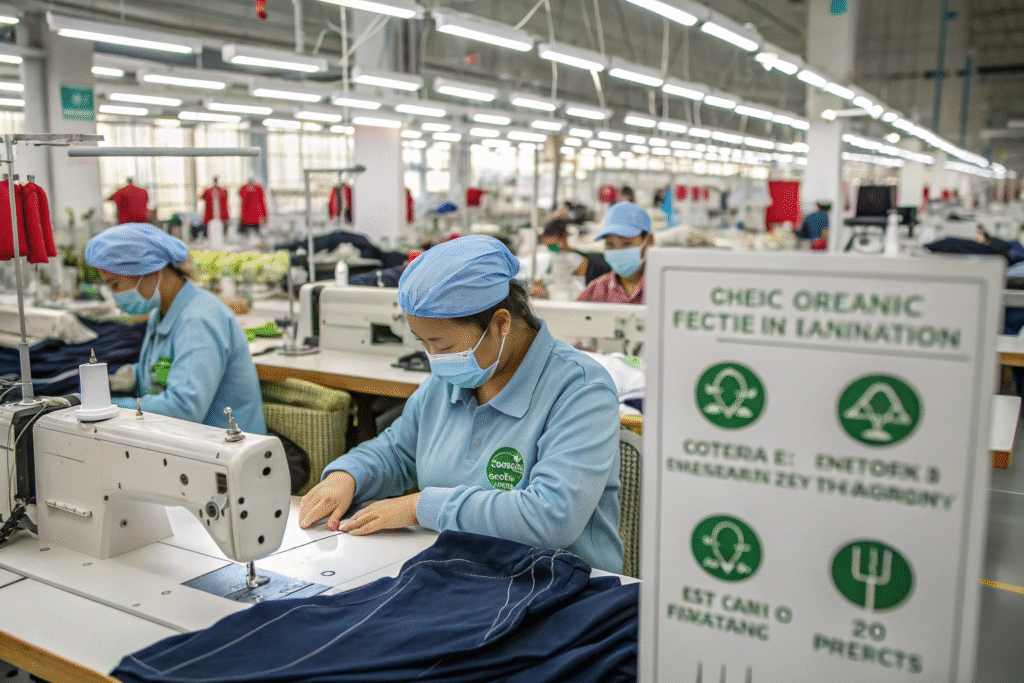
What do adoption statistics reveal about GOTS's trajectory?
GOTS certification has grown at 25-30% annually for the past five years, far outpacing other textile certifications. The number of GOTS-certified facilities has increased from 3,000 in 2016 to over 12,000 in 2023, with particularly strong growth in Asia where most global production occurs. These statistics confirm accelerating GOTS adoption across global supply chains.
How are investment patterns shifting toward GOTS?
Major fashion groups are directing their sustainability investments toward GOTS certification infrastructure rather than pursuing multiple competing standards. A leading sportswear brand redirected 70% of their certification budget from various standards to GOTS alignment, recognizing it as the most efficient path to comprehensive sustainability. This strategic shift demonstrates how corporate sustainability investments are consolidating around GOTS.
Conclusion
GOTS certification has unequivocally become the new standard for ethical apparel production because it delivers what no other single certification can: comprehensive, verifiable, and commercially viable sustainability across environmental, social, and transparency dimensions. The market has voted with purchasing decisions, regulatory frameworks are aligning with GOTS requirements, and the business case has become undeniable. Brands treating GOTS as optional are discovering they're being left behind in the race for sustainable market leadership.
At Fumao Textiles, our early adoption of GOTS certification has positioned our partners at the forefront of the ethical apparel movement. If you're ready to align with the industry standard that delivers both principled ethics and commercial success, contact our Business Director Elaine at elaine@fumaoclothing.com. Let's build your ethical apparel strategy on the foundation that's becoming the expected standard rather than the exceptional choice.