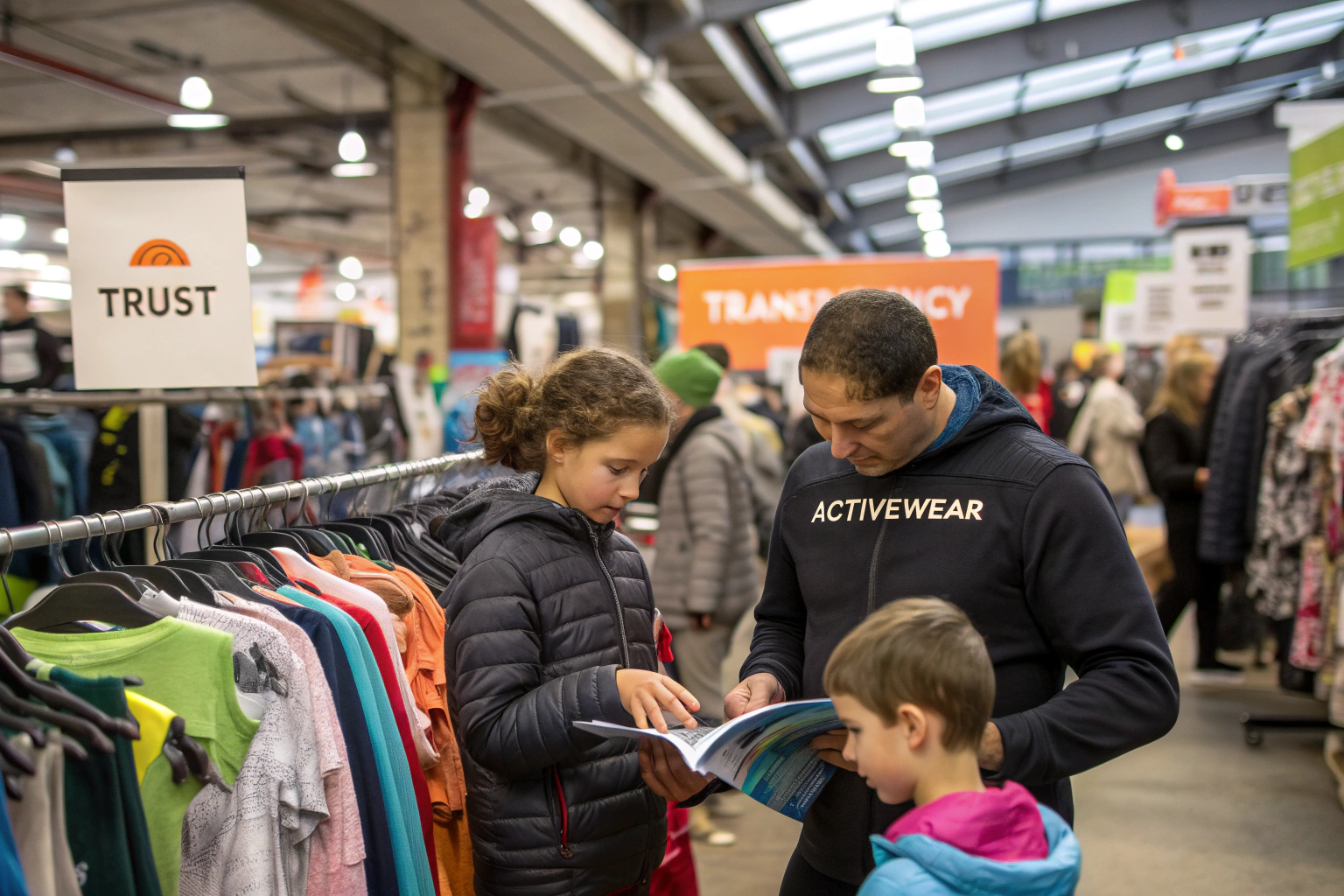
Let's be brutally honest: in the crowded apparel market, you're fighting for every scrap of customer attention and trust. You can have the best design, but if a parent hesitates over your children's wear or a fitness enthusiast questions the safety of your activewear, you've lost the sale. The modern consumer is a researcher. They read labels, search for "toxic chemicals in clothing," and demand proof behind your "safe and sustainable" claims. So, when you're sourcing from China, does that CMIA certificate gathering digital dust in your supplier's folder actually matter to your marketing? Or is it just a boring compliance ticket?
The answer is a strategic yes—but not in the way you might think. CMIA certification itself is not a direct consumer marketing tool like an organic or recycled logo. You won't stitch a CMIA badge on your hangtag. However, as the definitive proof point behind your safety and quality claims, it becomes an unbeatable backend advantage that fuels authentic, credible front-end marketing. It's the difference between saying "our fabrics are safe" and being able to prove it when challenged. At Shanghai Fumao, we've seen brands use this proof to secure premium retail partnerships, win over skeptical influencers, and build narratives that genuinely resonate. Let's unpack how to turn a technical certificate into a competitive edge.
How Does CMIA Certification Build Trustworthy Brand Narratives?
Marketing is storytelling. The most powerful stories are true and backed by evidence. CMIA certification provides the hard evidence for the chapter of your story titled "We Care About Your Safety." It allows you to move from vague promises to specific, verifiable claims.
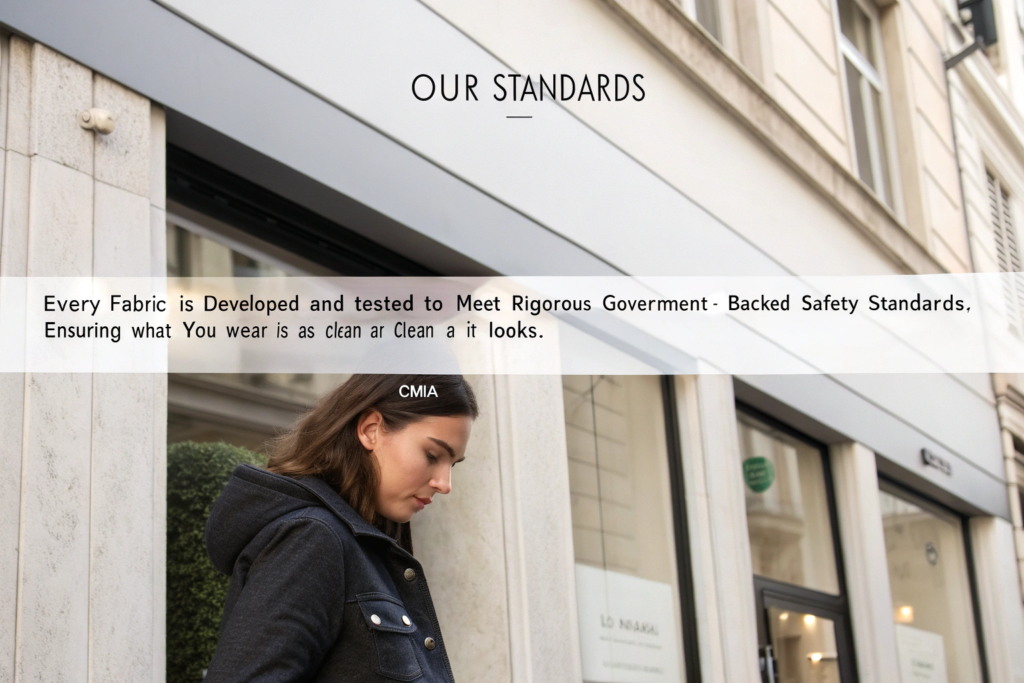
For instance, instead of a generic line like "We use safe materials," your copy can read: "Every fabric is developed and tested to meet rigorous government-backed safety standards for harmful substances, ensuring what you wear is as clean as it looks." This statement is credible because you have the CMIA reports to back it up. This is critical for categories where safety is a primary purchase driver: children's apparel, maternity wear, sportswear worn for hours, and sensitive skin clothing lines. A European minimalist brand we worked with used this approach in their 'Our Standards' webpage. They didn't just list "CMIA"; they explained its importance, displayed a redacted certificate, and linked it to their design philosophy of "purity." This transparency became a key point of differentiation in a saturated market.
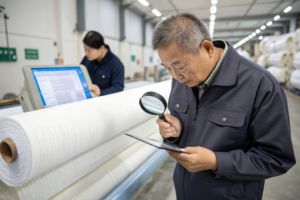
Furthermore, this evidence-based narrative is your best defense against greenwashing accusations. When a customer or journalist asks, "How do you know your products are free from harmful chemicals?" you can point to a systematic, audited certification process. This turns a potential PR vulnerability into a strength, showcasing operational integrity. It's a foundational element for building a purpose-driven apparel brand in an era of skepticism.
Can You Leverage CMIA in B2B and Influencer Marketing?
Absolutely. It's Your Credibility Currency.
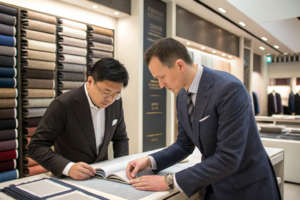
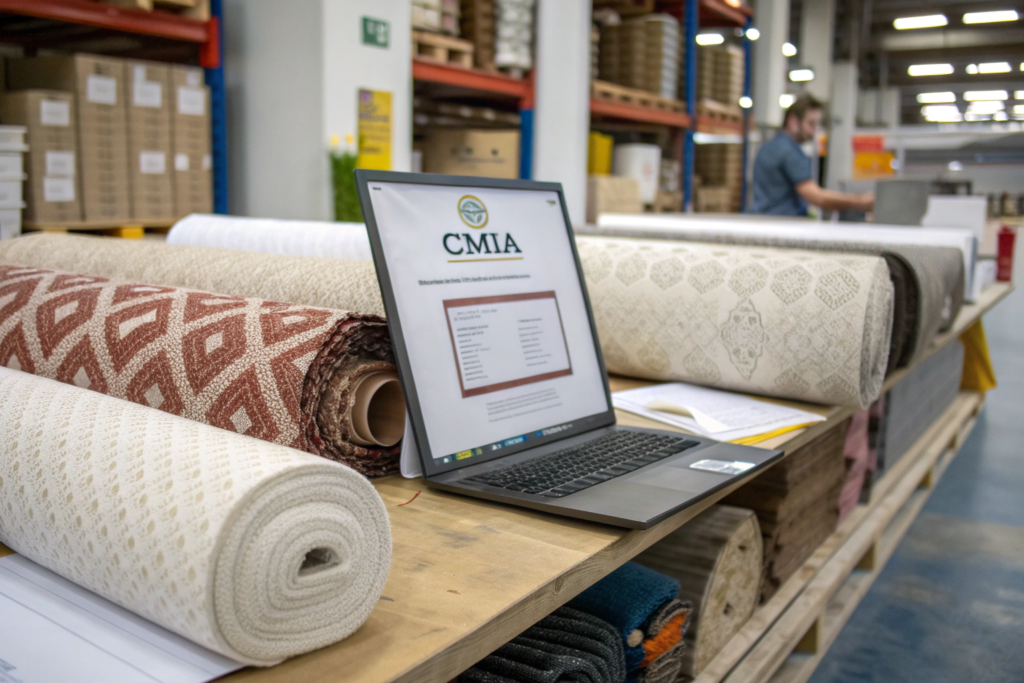
While consumers may not recognize "CMIA," retail buyers, distributors, and informed influencers absolutely do. When pitching to a boutique or a major retailer, presenting your products as "CMIA certified from fiber stage" immediately signals professionalism and reduces their perceived risk. It answers a key question on their vendor compliance checklist before they even ask. We've had clients use our CMIA documentation pack as part of their successful pitch to retailers like Urban Outfitters and REI, where supply chain due diligence is intense.
For influencers, especially in the mindful parenting or eco-fitness spaces, they are inundated with collaboration requests. Providing them with clear, understandable proof of your product's safety standards gives them a concrete reason to believe in and advocate for your brand. It equips them with a trustworthy story to tell their audience. This turns them from mere promoters into credible brand ambassadors.
How Does This Create Content and PR Opportunities?
Data-Driven Storytelling.
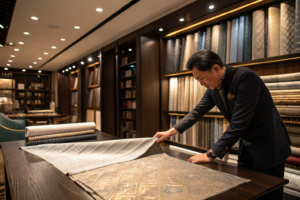
The specifics within CMIA testing can inspire authentic content. You can create educational blog posts or social media clips explaining why testing for pH balance or formaldehyde matters for skin health. You can showcase your "journey of a certified fabric" from our lab at Shanghai Fumao to the finished garment. This demystifies your quality process and builds immense brand affinity. It’s marketing that feels valuable, not just promotional. It directly engages customers concerned with understanding ethical fashion certifications.
How Does CMIA Certification De-Risk Your Retail & E-Commerce Channels?
Marketing advantage isn't just about driving sales; it's about protecting your revenue channels from catastrophic failures. A product recall or a negative investigative report can destroy years of brand building overnight. CMIA certification is a central pillar in your risk mitigation strategy, which is, in itself, a powerful marketing advantage—it lets you market with confidence.
Consider e-commerce platforms like Amazon or direct-to-consumer sites. Negative reviews about skin irritation or "chemical smells" can algorithmically bury your product. Having CMIA certification means you have proactively addressed these exact issues at the source. It allows your customer service team to respond to such concerns with authority and evidence, potentially turning a negative into a demonstration of your commitment. It’s a shield for your brand's reputation and your star rating.
How Does It Secure and Expand Retail Partnerships?
The "Easy to Work With" Factor.
Retailers have zero tolerance for supply chain drama. A single shipment held at customs or recalled from shelves costs them money and damages their reputation. By sourcing CMIA-certified products, you dramatically reduce this risk for them. You become a "low-maintenance," reliable vendor. This reliability is a hidden marketing advantage that leads to repeat orders, preferential terms, and prime placement. It’s the operational backbone that supports your brand's market presence. In the complex world of fashion wholesale and retail distribution, being a predictable partner is priceless.
Does It Provide a Hedge Against Regulatory Scrutiny?
Proactive Compliance as a Market Position.
As regulations tighten globally, brands that are already compliant will face smooth sailing, while others scramble. You can market this foresight. Positioning your brand as "ahead of the curve on product safety" or "meeting tomorrow's standards today" is a strong, forward-thinking message. It appeals to the environmentally and health-conscious consumer and positions you as a leader, not a follower. This is especially potent when launching in new markets with strict regulations, like the EU or California.
Can CMIA Certification Justify a Premium Price Point?
In a market obsessed with value, can a safety certification support a higher price? The answer lies in perceived value and customer priorities. For your target customer—the one who reads ingredients, researches brands, and values well-being—absolute assurance of safety is a premium feature.
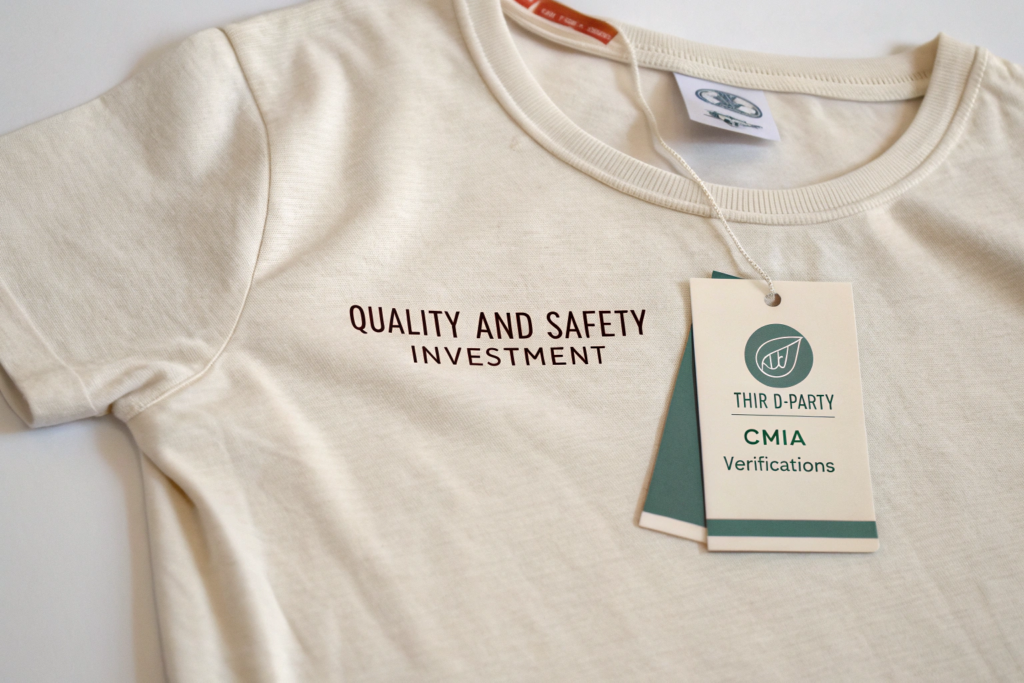
You are not just selling a cotton t-shirt; you are selling a cotton t-shirt with a verified guarantee that it contains no hidden threats to their family's health. This is a tangible, demonstrable enhancement of the core product. It allows you to frame your price within a "quality and safety investment" narrative rather than a simple cost-plus model. A client of ours in the premium babywear segment successfully uses this strategy. Their marketing emphasizes the "peace of mind" that comes with every purchase, supported by their investment in third-party and CMIA verification. Their customers are willing to pay for that certainty.
How Does It Enhance Perceived Quality?
Linking Safety to Overall Craftsmanship.
Consumers intuitively link attributes. A brand that goes to extraordinary lengths to ensure chemical safety is perceived to also care about stitching, fit, and design. CMIA certification becomes a proxy for overall meticulousness and quality obsession. It elevates the perceived value of the entire product. This holistic quality perception is essential for building a luxury or premium apparel brand in today's market, where authenticity and integrity are part of the luxury promise.
What is the Competitive Differentiation in Crowded Categories?
Your Unique Selling Proposition (USP) in a Sea of Sameness.
In markets like basic tees, leggings, or children's pajamas, products can look identical. CMIA certification, communicated effectively, can be the deciding factor. It's a substantive, copy-cat resistant differentiator. While a competitor can easily replicate a color or style, they cannot easily replicate a deeply embedded, verified supply chain safety protocol. This gives you a sustainable competitive moat.
Conclusion
So, is CMIA certification a marketing advantage? Resoundingly, yes—but only when it's integrated into your brand's core story and operations. It is not a magic badge for instant sales. It is the foundational proof that makes your marketing claims credible, your brand resilient, and your product worthy of a premium.
It empowers you to tell a deeper story of responsibility, build unshakable trust with partners and consumers, and compete on substance in a world of surface-level hype. It transforms your supply chain choice from a hidden cost center into a visible brand asset.
The brands that will win tomorrow are those that understand that true marketing begins long before the ad campaign—it begins in the choices you make in your supply chain.
Ready to build a brand story that's as strong as your products? Let's discuss how our CMIA-certified fabric development process can become the credible foundation of your marketing.
Contact our Business Director Elaine at elaine@fumaoclothing.com to explore how we can help you turn compliance into your most compelling competitive advantage.