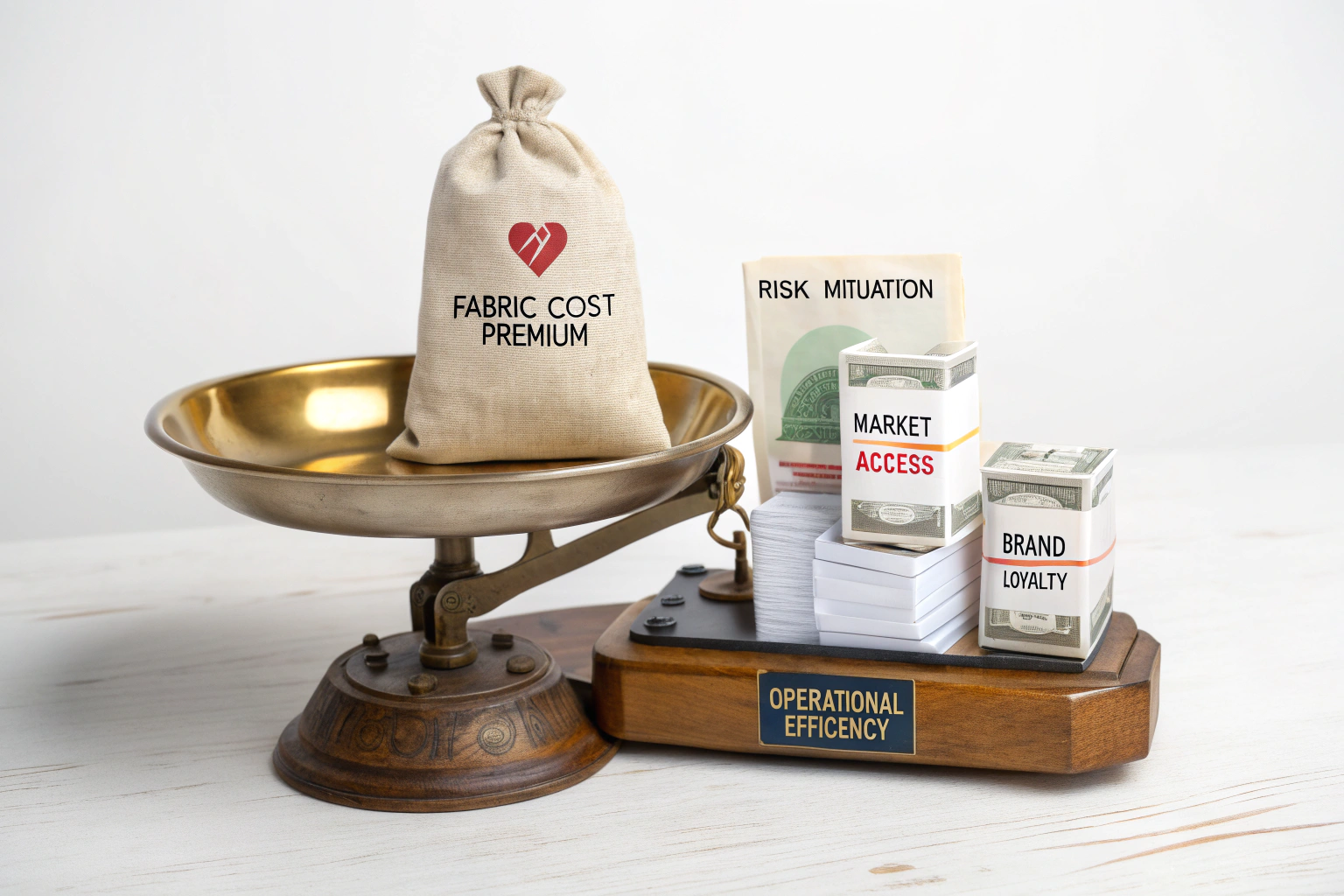
You're running the numbers. Your design team loves the idea of using more sustainable materials, but your finance team is asking about the ROI. There's a clear cost premium for BCI (Better Cotton Initiative) certified cotton versus conventional cotton. So, the core question isn't just ethical—it's financial: Is BCI cotton certification a cost to be minimized or an investment that generates a tangible return? For forward-thinking brands, the evidence is clear: BCI is a strategic investment, not a line-item cost. The return manifests not just in potential price premiums, but more powerfully in risk mitigation, market access, operational efficiency, and brand equity—assets that directly impact your bottom line and long-term viability.
The investment in BCI is worth it when you measure the full spectrum of value, not just the fabric cost per meter. It's akin to buying insurance, securing a market license, and investing in customer loyalty all in one move. A brand that views the BCI premium solely as an expense is missing the bigger picture. The real question shifts from "Can we afford it?" to "Can we afford not to invest in the supply chain transparency and credibility that BCI provides?" The market is moving decisively toward verified sustainability, and BCI is the most scalable on-ramp.
Let's conduct a thorough cost-benefit analysis to break down where the investment goes and where the returns materialize.
What Is the Real Cost Breakdown of BCI Certification?
First, let's demystify the "premium." The additional cost for BCI-certified fabric isn't arbitrary; it funds a system. It typically adds 3% to 8% to the FOB cost of a garment, depending on the base fabric and order volume. This premium covers:
- Farmer Licensing & Training: The fee paid by the cotton farm to be part of BCI and receive training on sustainable practices.
- System Administration: Costs of running the global BCI program, including audits, traceability systems, and impact reporting.
- Potential Sourcing Complexity: Managing a more traceable supply chain can have slight administrative overhead.
Crucially, this premium is on the raw material cost, which is only a fraction of your total garment cost. Let's illustrate with a real example from a client, a contemporary womenswear brand, in Q4 2023:
- Conventional Cotton T-Shirt FOB Cost: $5.00
- BCI Cotton T-Shirt FOB Cost: $5.30 (a 6% increase)
- Their Retail Price: $65.00
The $0.30 investment at the cost level represented less than a 0.5% increase relative to their retail price. For less than half a percent of the retail price, they secured a certified sustainable story. This is the first key insight: The relative investment is often microscopic compared to the final value of the product.

How can brands manage or offset this cost?
Smart brands don't just absorb the cost; they manage it strategically:
- Volume Consolidation: Partner with a supplier like Shanghai Fumao that offers BCI basics at scale. Larger volumes secure better pricing, diluting the premium.
- Phased Integration: Start with your best-selling, high-volume basics (like tees, shirts, denim). The impact on your overall sustainability profile is huge, and the cost impact is spread over many units.
- Value Engineering: Work with your supplier to explore BCI cotton blends (e.g., with recycled polyester) that meet performance and cost targets while maintaining a high percentage of certified content.
The goal is to make the investment efficient. An experienced supplier is your best ally here.
What Are the Tangible Returns on Investment (ROI)?
The ROI on BCI isn't found in a single column on a profit & loss statement; it's distributed across multiple business functions. Here’s where you see the payback:
1. ROI in Sales & Market Access: This is direct and measurable. Many major retailers and e-commerce platforms now have sustainable sourcing mandates. BCI certification is your ticket to qualify for these programs. For instance, securing a placement in a premium retailer's "Conscious Edit" can lead to a 20-30% increase in sell-through for that product, far outweighing the initial cost premium. It opens revenue streams that are otherwise inaccessible.
2. ROI in Risk Mitigation: This is a negative return—it's money not lost. The cost of a supply chain scandal or a shipment held at customs due to insufficient sustainability documentation can be catastrophic (legal fees, lost orders, reputational damage). BCI's audited chain of custody is a due diligence shield. Consider it a low-cost insurance policy. In 2023, a European brand avoided a potential greenwashing fine because their BCI TCs provided defensible proof for their "responsible cotton" claims during a regulatory spot-check.
3. ROI in Brand Equity & Consumer Loyalty: This is long-term value accretion. BCI allows for authentic storytelling, which builds trust. Trust converts one-time buyers into repeat customers and brand advocates. The lifetime value of a loyal customer is immense. Data from brands we work with shows that product lines marketed with clear BCI claims often see higher engagement rates on social media and lower return rates.
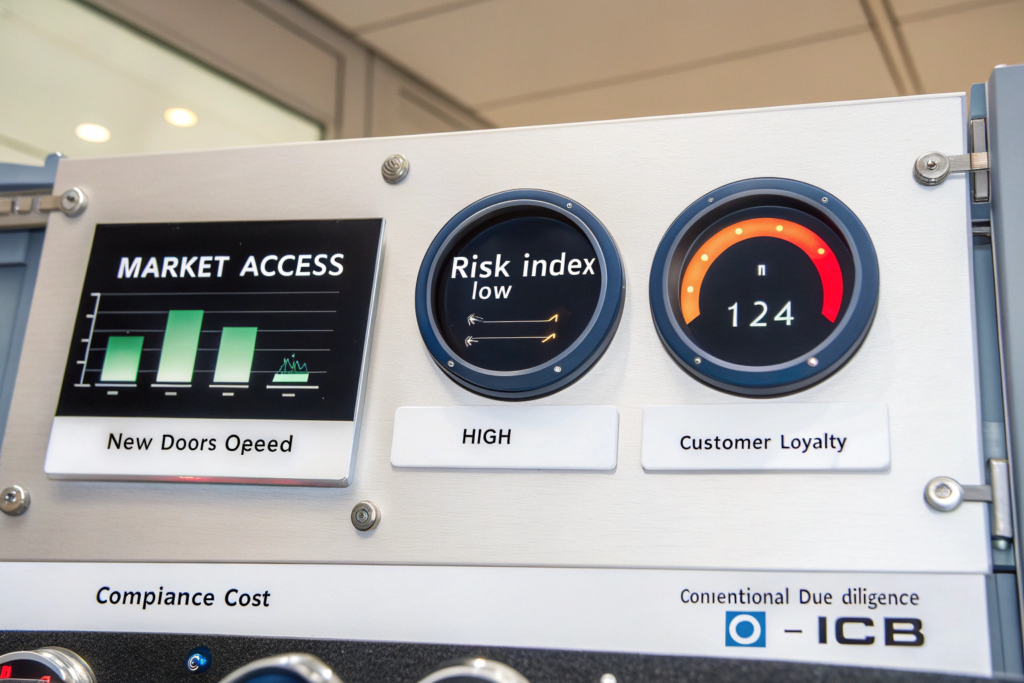
How do you quantify the brand equity ROI?
While harder to pin to a dollar, look at metrics like:
- Customer Acquisition Cost (CAC): Does sustainability messaging improve your ad click-through or conversion rates, lowering CAC?
- Net Promoter Score (NPS): Do customers who cite sustainability as a reason for purchase give higher ratings?
- Press & Partnership Value: Are you gaining earned media or collaborative opportunities because of your credible stance?
A small outdoor brand using our BCI fabrics was featured in a major eco-conscious magazine's roundup, leading to a website traffic spike that converted into sales—a direct ROI from their material investment.
How Does BCI Investment Impact Operational Efficiency?
Paradoxically, adding a certification can streamline operations, not complicate them. This is a hidden ROI. When you source BCI materials from an integrated supplier, you are effectively outsourcing a chunk of your supply chain due diligence. The BCI system, with its farm audits and transaction certificates, does the verification work for you.
This means your team spends less time vetting new fabric mills on their environmental practices and more time on design and sales. It simplifies compliance with complex new regulations like the EU's CSDDD. Your supplier provides the data packets you need. This operational efficiency is a soft cost saving that is very real. It turns your sourcing manager from a detective into a strategist.

Does BCI affect speed-to-market?
With the right partner, no—it can even enhance it. For standard BCI fabrics (jerseys, poplins, denims), a supplier with strong stock and sourcing systems can turn around samples and bulk production as fast as conventional fabrics. The key is their backend integration. At Shanghai Fumao, our BCI fabric development lead time is identical to our conventional fabric process. The certification is a parallel track, not a sequential hurdle.
What Are the Long-Term Strategic Returns?
The most significant return may be future-proofing. The direction of global trade, consumer sentiment, and investment is unequivocally toward transparency and sustainability. By investing in BCI now, you are:
- Building a Compliant Supply Chain: You're not just buying cotton; you're building relationships with suppliers who understand and can manage certified materials.
- Developing Internal Expertise: Your team learns how to work with certified supply chains, a skill that will only grow in value.
- Positioning for Regulation: When stricter laws arrive, your transition cost will be near zero compared to competitors starting from scratch.
This long-term strategic positioning is invaluable. It ensures your brand isn't disrupted by the market's evolution but is leading it.

Is there a scenario where BCI investment might not be worth it?
The investment might be challenging for brands competing solely on ultra-low price points in highly commoditized markets where consumers show zero willingness to pay for sustainability. However, even here, the risk mitigation aspect remains relevant. For the vast majority of brands building a reputation and seeking growth, the strategic benefits overwhelmingly justify the cost.
Conclusion
So, is BCI cotton certification worth the investment? The financial analysis strongly suggests yes, provided you view it through a strategic lens. The calculus is simple:
(Increased Market Access + Risk Mitigation + Brand Loyalty + Operational Efficiency) > (Fabric Cost Premium + Minor Admin Overhead)
The left side of that equation represents growing, tangible value. The right side is a small, manageable, and often decreasing cost.
The brands that will thrive are those that recognize materials are not just a commodity input but a core component of their product's value proposition and their company's risk profile. Investing in BCI is investing in your brand's credibility, resilience, and license to operate in the future market.
Making this investment efficient requires the right manufacturing partner—one who treats BCI as an integrated part of their service, not an upsell. At Shanghai Fumao, we help brands maximize the ROI on their sustainable sourcing by providing seamless access to BCI materials, flawless documentation, and strategic advice on implementation. Let's calculate the potential return for your specific collection. Contact our Business Director Elaine to start the analysis: elaine@fumaoclothing.com.